Understanding the Importance of Group Activities for Seniors
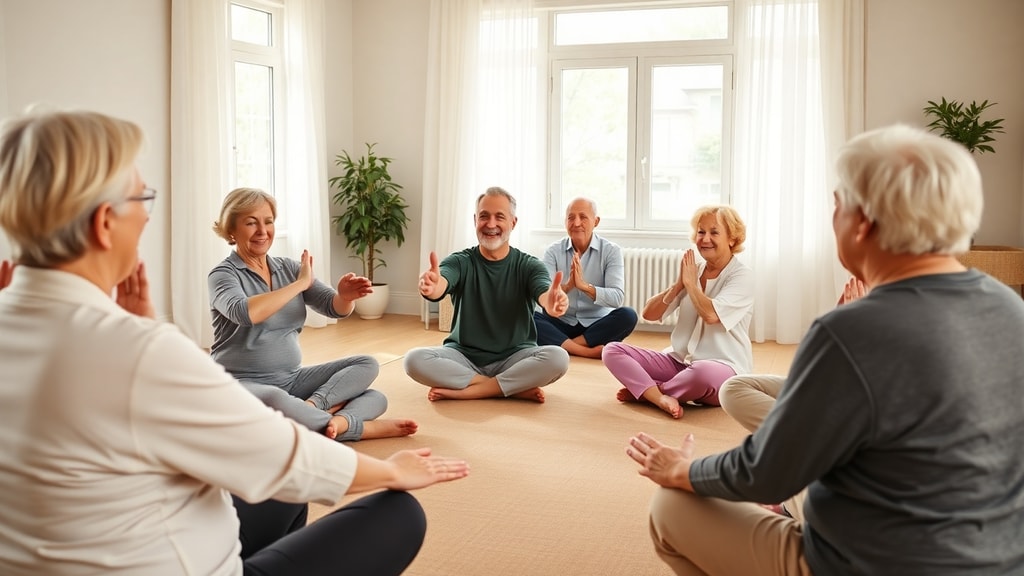
Structured group dynamics, known as dinâmicas para idosos, are designed to stimulate memory, concentration, social interaction, and emotional well-being among elderly participants. These activities go beyond simple entertainment. They serve as therapeutic tools that can slow cognitive decline, improve motor coordination, and combat loneliness. When planned correctly, these exercises create a safe environment where seniors feel valued and engaged. The key is adapting each game to the physical and cognitive abilities of the group, using familiar music and clear instructions.
Core Goals of Senior Group Dynamics
The primary objectives of these activities revolve around three pillars. First, cognitive function is enhanced through memory games, word association, and problem-solving tasks. Second, physical mobility is encouraged through gentle exercises like rhythmic walking or seated stretches. Third, social bonding is fostered through storytelling circles and collaborative projects. Each session should be designed to address at least one of these goals, ensuring participants leave feeling mentally stimulated and emotionally connected.
Practical Example: The Storytelling Circle
One of the most effective dinâmicas para idosos is the storytelling circle. In this activity, participants sit in a circle and take turns sharing life stories. To make it more engaging, facilitators can use objects as prompts. For example, a participant might hold a vintage coffee cup and describe a memory associated with it. This technique validates personal experiences and sharpens narrative skills. It also encourages active listening among group members, creating a sense of mutual respect and understanding.
Sensory Games to Stimulate Memory
Sensory stimulation activities are particularly effective for seniors with early-stage dementia or memory loss. A simple game involves placing different items with distinct smells, such as ground coffee, chocolate, or lavender, into separate containers. Participants close their eyes and identify each scent by memory. Similarly, texture-based games use a bag filled with common objects like a key, a coin, or a piece of fabric. By touching and naming these items, seniors improve tactile memory and concentration. These exercises are easy to set up and require minimal materials, making them ideal for caregivers and facilitators.
Rhythmic Activities for Coordination
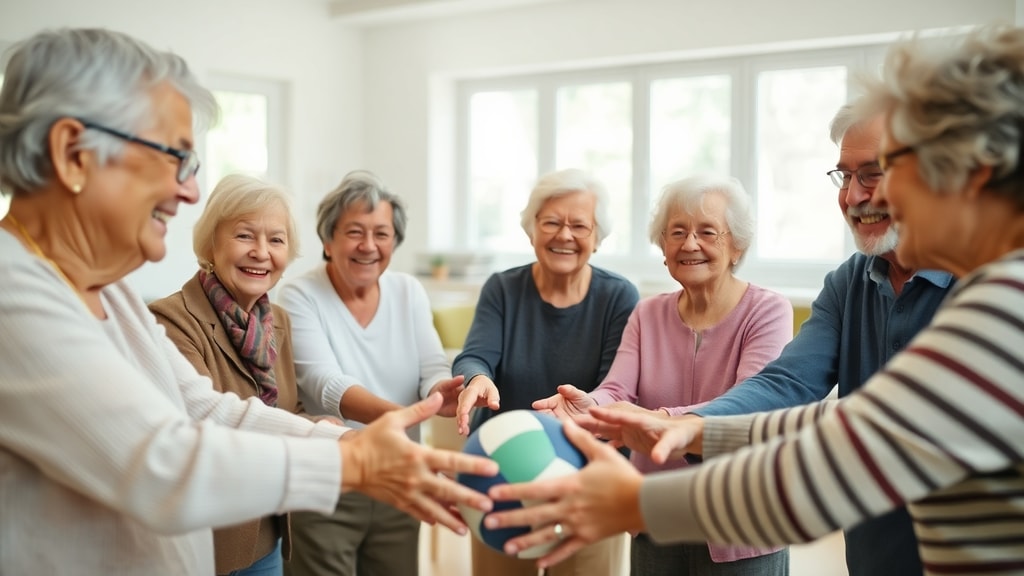
Rhythmic exercises are excellent for enhancing group coordination and motor skills. For instance, a fruit name game combines music and movement. Participants form a circle and pass a soft ball while music plays. When the music stops, the person holding the ball must name a fruit. This encourages quick thinking and physical movement. Another variation involves using simple percussion instruments, like maracas or tambourines, to follow a beat. The facilitator starts a rhythm, and the group must replicate it correctly. This activity not only improves hand-eye coordination but also builds a sense of team accomplishment.
Key Activities Overview
To help facilitators choose appropriate games, here is a table summarizing common techniques and their primary benefits.
| Activity Type | Description | Primary Benefit |
|---|---|---|
| Storytelling Circle | Sharing life stories with object prompts | Emotional connection, memory recall |
| Sensory Identification | Identifying smells or textures in blind tests | Sensory memory, concentration |
| Rhythmic Movement | Passing objects or playing instruments to a beat | Coordination, group participation |
| Creative Art Collage | Creating collages from magazine cutouts | Self-expression, fine motor skills |
| Object Identification | Touching hidden objects in a bag | Tactile memory, problem-solving |
Implementing Creative Arts in Group Sessions
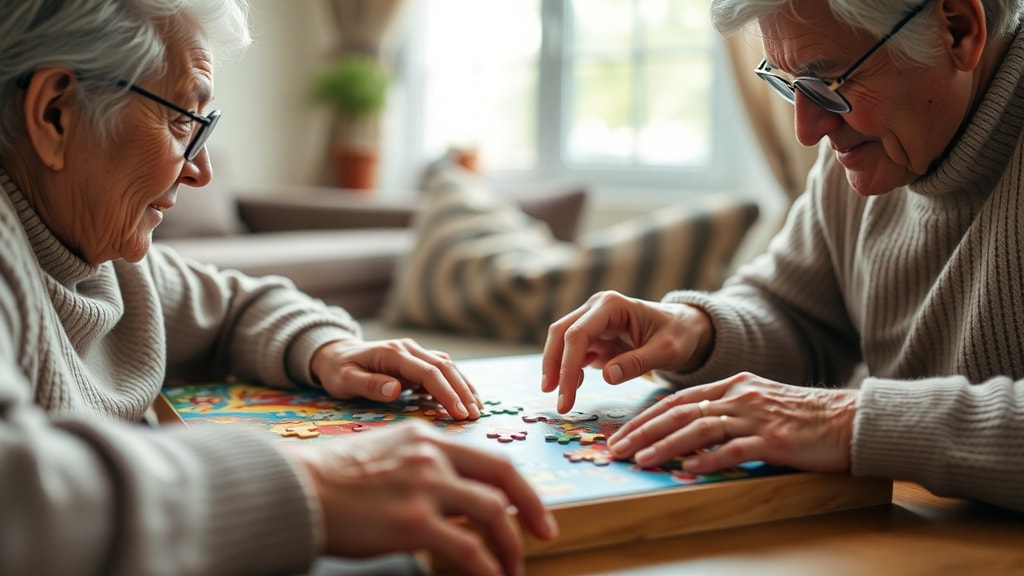
Creative arts such as making collages or drawing faces on balloons offer a non-verbal outlet for emotions. Facilitators can provide magazines, scissors, glue, and a large sheet of paper. Participants cut out images that represent their feelings or memories and arrange them into a collective mural. This collaborative project encourages discussion and laughter. Alternatively, drawing faces on balloons with markers allows seniors to express joy, surprise, or other emotions in a lighthearted manner. These activities are particularly useful when words are hard to find, making them accessible to seniors with aphasia or advanced dementia.
Adapting Activities for Different Abilities
It is crucial to assess the physical and cognitive levels of participants before selecting any dinâmicas para idosos. For groups with limited mobility, all activities should be done while seated. Simplify instructions and demonstrate each step. Use large, clear visuals and avoid time pressure. For those with advanced cognitive decline, focus on sensory experiences like listening to familiar music or smelling herbs. Always have a backup plan and be ready to modify the game on the spot. The goal is inclusivity, ensuring every senior feels capable and involved.
List of Essential Materials for Facilitation
To run effective sessions, keep a basic kit of materials that can be used across multiple activities.
- Soft balls for passing games
- Simple percussion instruments like maracas or tambourines
- Items with distinct smells such as coffee beans, lemon slices, and vanilla
- A fabric bag for tactile games
- Magazines and scissors for collage work
- Balloons and markers for expressive drawing
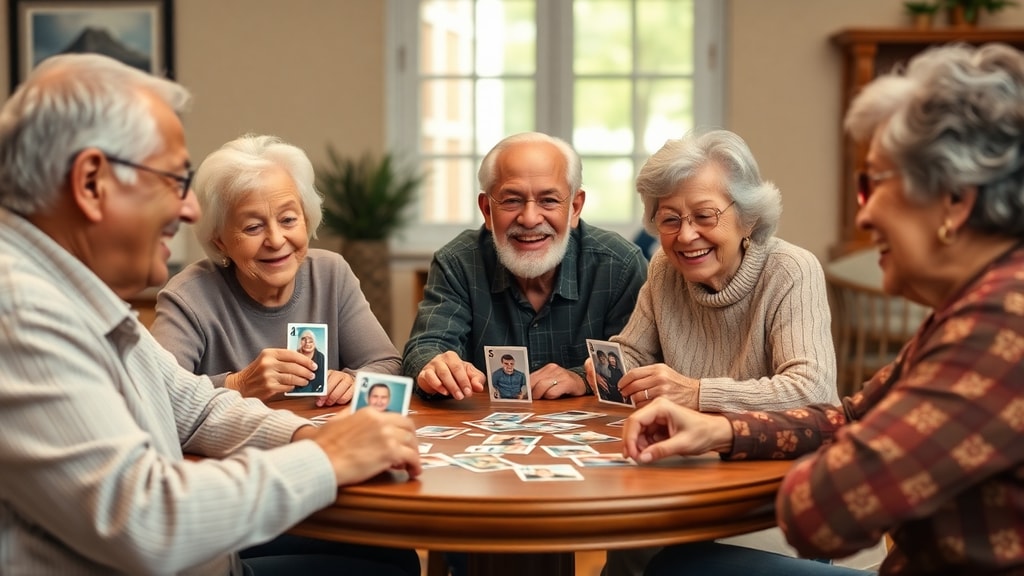
- Index cards with printed words or images for memory games
Common Challenges and How to Overcome Them
Facilitators may face challenges like low engagement, physical fatigue, or frustration from memory lapses. To counter these, always start with a warm-up activity that is easy and fun, such as asking everyone to clap their hands twice. Avoid correcting mistakes directly; instead, offer gentle hints or demonstrate the correct answer. For physical activities, incorporate frequent breaks and ensure participants stay hydrated. If someone becomes confused, calmly redirect their attention to a helper or a simpler task. Remember that the primary goal is emotional well-being, not perfect performance.
For a comprehensive list of over 125 adapted games suitable for seniors, consult resources like the comprehensive guide provided by IPA Brasil. This source offers detailed instructions for memory games, sensory exercises, and social activities that can be tailored to any group.
Measuring Success in Senior Dynamics
Success is not measured by how many games are completed, but by the smiles, laughter, and conversations that emerge. Track subtle improvements, such as a participant remembering a detail from a previous session or initiating a conversation with a peer. Regularly ask for feedback in simple yes or no questions, or observe body language. Over time, facilitators will notice increased alertness during sessions and stronger social bonds among group members. These qualitative improvements are the most significant indicators of effective programming.
Benefits Beyond the Activity Room
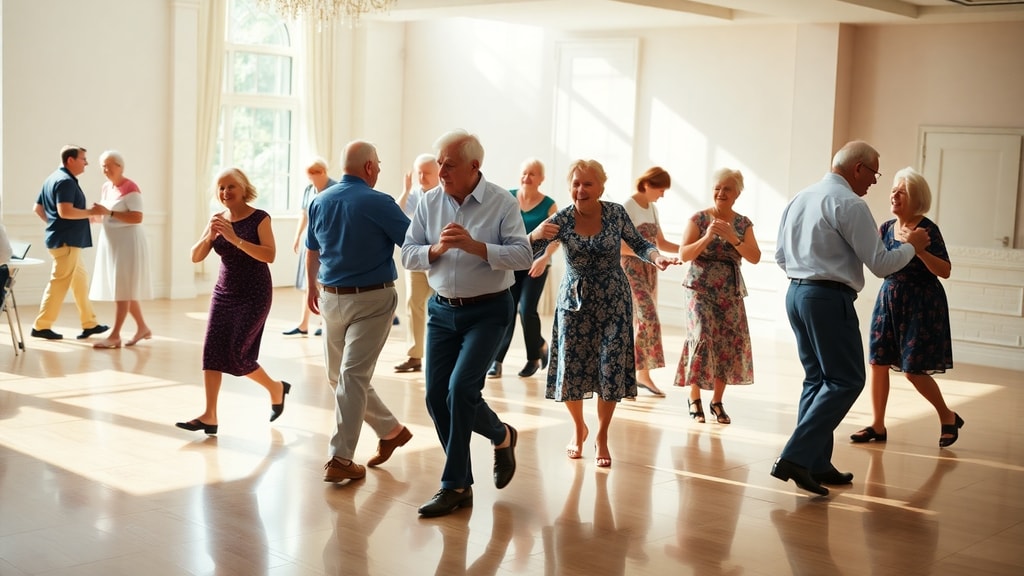
The positive effects of group dynamics extend beyond the session itself. Seniors who regularly engage in such activities often report better sleep, reduced anxiety, and a greater sense of purpose. Relatives may notice their loved ones recounting stories from the sessions at home, which keeps the cognitive benefits working even after the group ends. Social interactions can lead to new friendships and support networks within the senior community.
For more focused exercises on memory and concentration, the article on Mais Que Cuidar provides a practical breakdown of techniques. It explains how to structure sessions that balance mental challenge with gentle physical movement.
Implementing a Weekly Session Plan
To maintain engagement, establish a consistent weekly routine with varied activities. For example, Monday can be storytelling day, Wednesday dedicated to sensory games, and Friday reserved for art projects. Consistency helps build anticipation and routine, which is comforting for many seniors. Each session should last between 45 and 60 minutes, including setup, the main activity, and a closing relaxation period. Always end with a positive gesture, such as thanking each participant by name.
References and Further Reading
The following sources were consulted for this article. They provide additional depth on methods, benefits, and detailed activity instructions.
IPA Brasil. Atividades e Brincadeiras com Idosos. Available at: https://www.ipabrasil.org/post/atividades-e-brincadeiras-com-idosos
Mais Que Cuidar. Atividades divertidas e dinâmicas para idosos. Available at: https://www.maisquecuidar.com/atividades-para-idosos
Jovens Educacionais. Dinâmicas para idosos: o que são, para que servem e como aplicar. Available at: https://www.ivenseducacional.com.br/blog/dinamicas-para-idosos-o-que-sao-para-que-servem-e-como-aplicar
III SPS Secretaria de Saude. Dinâmicas de Grupo Aplicadas à Pessoa Idosa. Available at: https://www.sps.ce.gov.br/wp-content/uploads/sites/16/2018/07/REvista_Diversidade_IDOSO1_02_2018.pdf
Blog Psiqueasy. Dinâmicas para Idosos - 125 Jogos e Brincadeiras Adaptados. Available at: https://blog.psiqueasy.com.br/wp-content/uploads/2018/07/Din%C3%A2micas-para-Idosos-125-Jogos-e-Brincadeiras-Adaptados.pdf