Introduction to Amaranth
Amaranth is an ancient pseudo-cereal that has been cultivated for thousands of years, originally by the Aztecs and other Mesoamerican civilizations. Botanically, it is not a true grain but the seed of the amaranth plant, yet it is used and consumed similarly to cereals like quinoa and buckwheat. Its nutritional profile is exceptional: amaranth is naturally gluten‑free, rich in high‑quality protein, dietary fiber, and a wide array of minerals. Because of these attributes, amaranth has gained popularity among health‑conscious individuals, athletes, and those following plant‑based or gluten‑free diets. Understanding the amaranto nutritional table is key to incorporating this superfood effectively into one’s diet. In this article, we examine the detailed nutrition facts for both raw and cooked amaranth, highlight its mineral density, and provide practical consumption guidelines based on current research.
Nutritional Profile of Raw Amaranth
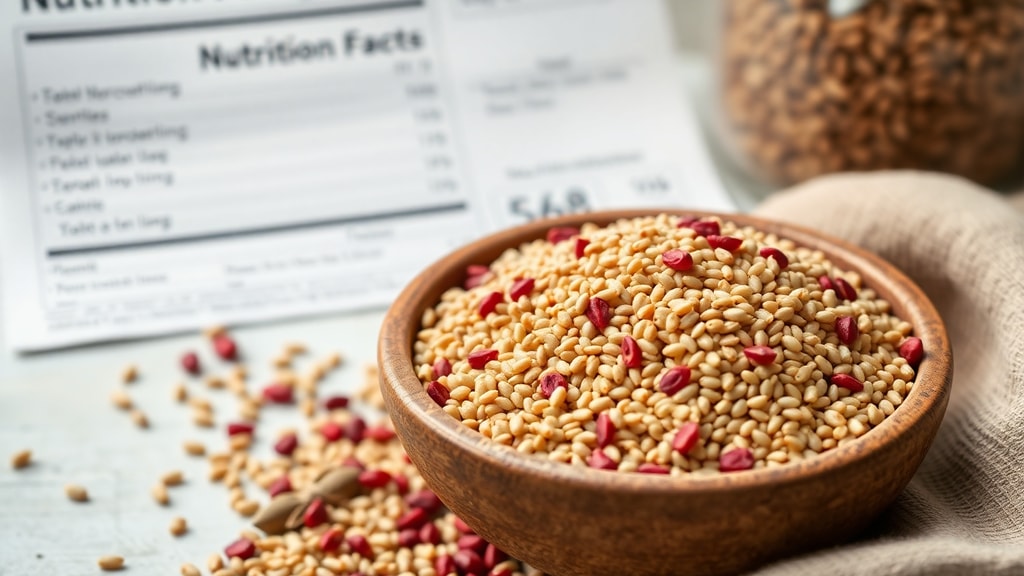
Whole, dry amaranth seeds are energy‑dense, delivering about 370 kcal per 100 grams. This high calorie content comes from a balanced combination of carbohydrates, fats, and an impressive amount of protein. The following table presents the primary macronutrients and selected micronutrients for raw amaranth, based on data from food composition databases and scientific literature.
| Nutrient | Amount |
|---|---|
| Energy | 370 kcal |
| Protein | 13.6 g |
| Total Fat | 7.0 g |
| Carbohydrates | 65.0 g |
| Dietary Fiber | 6.7 g |
| Iron | 7.61 mg |
| Magnesium | 248 mg |
| Phosphorus | 557 mg |
| Potassium | 508 mg |
| Calcium | 159 mg |
As the table illustrates, raw amaranth is particularly rich in protein, containing nearly 14 grams per 100 grams – a value higher than most common cereals. Its fat content is largely unsaturated, contributing to heart health. The fiber content of 6.7 grams supports digestive function and satiety. Among minerals, phosphorus stands out at 557 mg, followed by magnesium and potassium. Iron is present at 7.61 mg, making amaranth a valuable source for preventing anemia.
Nutritional Profile of Cooked Amaranth
When amaranth is cooked in water, its weight increases significantly due to water absorption, which dilutes the nutrient density. Cooked amaranth (100g) provides about 103 kcal, with 3.8 g of protein, 1.59 g of fat, and 18.7 g of carbohydrates. The fiber content drops to 2.1 g, but the mineral concentrations remain appreciable in a standard serving. The table below compares raw versus cooked values for the most important nutrients.
| Nutrient | Raw | Cooked |
|---|---|---|
| Energy (kcal) | 370 | 103 |
| Protein (g) | 13.6 | 3.8 |
| Total Fat (g) | 7.0 | 1.59 |
| Carbohydrates (g) | 65.0 | 18.7 |
| Fiber (g) | 6.7 | 2.1 |
| Iron (mg) | 7.61 | 2.1 |
| Magnesium (mg) | 248 | 65 |
| Phosphorus (mg) | 557 | 148 |
| Potassium (mg) | 508 | 135 |
| Calcium (mg) | 159 | 47 |
It is important to note that cooked amaranth still contains significant levels of minerals relative to its calorie content. For example, a 100‑gram serving of cooked amaranth provides about 2.1 mg of iron and 65 mg of magnesium, which contribute meaningfully to daily requirements when consumed as part of a balanced meal. The protein in cooked amaranth remains high in the amino acid lysine, a limiting amino acid in many other grains.
Macronutrient Breakdown and Unique Protein Quality
One of the most remarkable features of amaranth is its protein profile. Unlike most cereal grains, amaranth contains a relatively high proportion of the essential amino acid lysine. This makes amaranth a complete protein, meaning it provides all nine essential amino acids in adequate amounts. Here is a list of the key macronutrient highlights of amaranth:
- High-quality protein: 13.6% in raw seeds, with a balance of amino acids comparable to animal proteins.
- Complex carbohydrates: The carbohydrate content includes starch and fiber, with a low glycemic index when consumed as whole seeds.
- Healthy fats: The fat fraction consists mainly of linoleic acid (omega‑6) and oleic acid, along with beneficial phytosterols.
- Dietary fiber: 6.7 g per 100 g raw, which aids digestion and helps control blood sugar levels.
Because of this nutrient synergy, amaranth is often recommended for people who need to increase protein intake without relying on animal sources. Its lysine content also complements other grains like wheat, rice, or corn, making it an excellent addition to vegetarian and vegan diets.
Mineral Density and Health Benefits
The amaranto nutritional table shows exceptional levels of several minerals. According to food composition data, phosphorus is the most abundant mineral, with 557 mg per 100 g raw, followed by potassium (508 mg), magnesium (248 mg), calcium (159 mg), and iron (7.61 mg). These minerals play vital roles in bone health, nerve function, muscle contraction, and oxygen transport. Magnesium, for example, is involved in over 300 enzymatic reactions and helps regulate blood pressure. Iron from amaranth is non‑heme, but its absorption can be enhanced by consuming it with vitamin C‑rich foods. The high manganese content (not shown in the table but reported in some databases) also supports antioxidant defenses and bone formation. Regular inclusion of amaranth in the diet may help prevent deficiencies, particularly in populations at risk for osteoporosis or anemia. For more details on the mineral composition, readers can consult the Famivita article on amaranth which highlights its phosphorus, manganese, and iron profile.
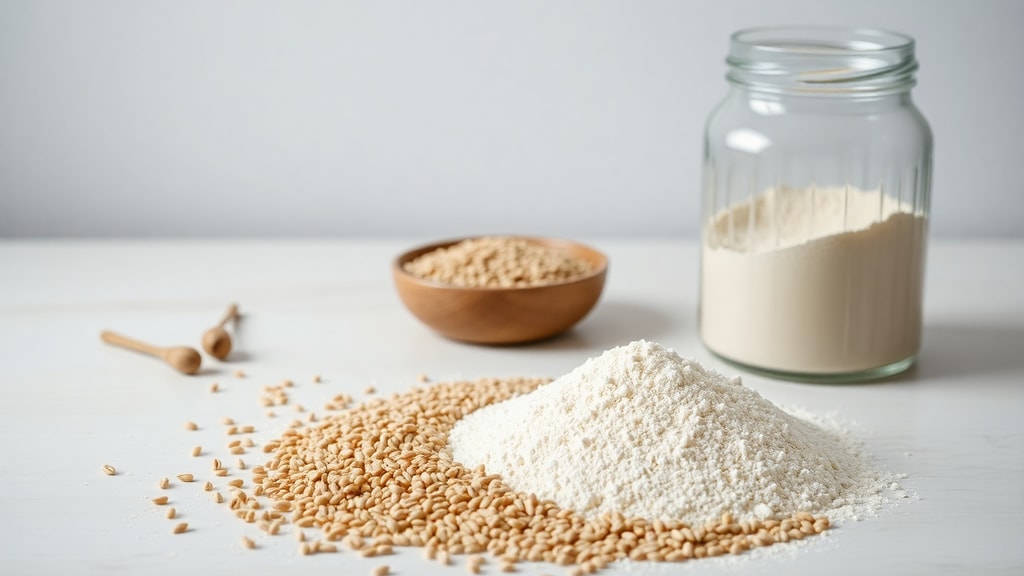
Recommended Daily Intake and How to Prepare Amaranth
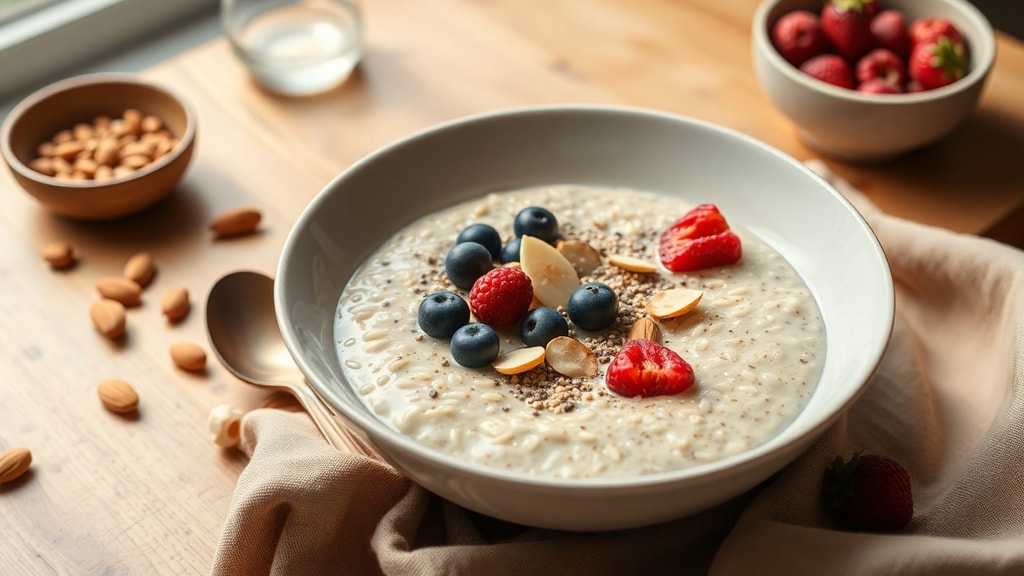
Nutrition experts suggest a reasonable serving size of up to 45 grams of dry amaranth per day, which corresponds to approximately three tablespoons. This amount provides a substantial nutrient boost without exceeding calorie needs. In cooked form, 45 g of dry seeds yields about 150–180 g of cooked amaranth, depending on the water ratio. Amaranth can be boiled like rice, added to soups, stews, or porridge, or popped like popcorn for a crunchy snack. It can also be ground into flour for baking. When cooking, a typical ratio is one part amaranth to two and a half parts water, simmered for 20–25 minutes. To maximize mineral absorption, it is advisable to soak the seeds for several hours or overnight, then discard the soaking water and rinse thoroughly.
The Dr. Derival guide on amaranth preparation confirms that daily consumption of 45 g is safe and beneficial. Because amaranth contains oxalates, individuals prone to kidney stones should moderate their intake and ensure adequate hydration. However, for most people, amaranth is a versatile and nutrient‑dense addition to any meal plan.
Conclusion
Amaranth stands out as one of the most nutrient‑dense pseudo‑cereals available. Its amaranto nutritional table reveals a product rich in protein, fiber, and a wide array of minerals, especially phosphorus, magnesium, iron, and potassium. Whether consumed raw or cooked, it offers significant health advantages, from supporting cardiovascular health to strengthening bones and enhancing muscle function. The recommended daily intake of 45 g allows individuals to reap these benefits without overconsumption. By including amaranth in a diverse diet, one can improve overall nutrient intake while enjoying a gluten‑free, complete protein source. As with any food, moderation and variety remain key, but amaranth certainly deserves a regular place in the pantry.
References
Mundo Boa Forma. (2019). 8 benefícios do amaranto para que serve e propriedades. Retrieved from https://www.mundoboaforma.com.br/8-beneficios-do-amaranto-para-que-serve-e-propriedades/
Bezzia. (n.d.). Amaranto o que são propriedades e como consumi‑lo. Retrieved from https://pt.bezzia.com/amaranto-o-que-s%C3%A3o-propriedades-e-como-consumi-lo/
Wikipedia. (2024). Amaranto (grão). Retrieved from https://pt.wikipedia.org/wiki/Amaranto_(gr%C3%A3o)
Tabela Nutricional TUASAÚDE. (2022). Benefícios do amaranto. Retrieved from https://www.tuasaude.com/beneficios-do-amaranto/
Dr. Derival. (n.d.). Amaranto benefícios e como preparar. Retrieved from https://www.drderival.com/amaranto-beneficios-e-como-preparar.html
Famivita. (2021). A descoberta do amaranto. Retrieved from https://www.famivita.com.br/conteudo/a-descoberta-do-amaranto/