Understanding the True Meaning of Cuidados
The term *cuidados* originates from the Latin word *cautus*, the past participle of *cavēre*, which means "to take precaution" or "to be attentive." This etymology reveals that care is fundamentally about vigilance and intentional action. In its most comprehensive definition, *cuidados* refers to the actions of preserving, protecting, conceiving, and assisting to maintain physical and emotional well-being, health, and the sustainability of life for both humans and the environment. It is not merely an occasional gesture but a continuous practice woven into the fabric of daily existence.
Care is a multidimensional, universal necessity present throughout the entire life cycle. Every human being requires care at some point, whether as a child, during illness, in old age, or simply as part of interdependent relationships. The actions involved range from direct personal care, such as feeding an infant or comforting a distressed friend, to indirect domestic and organizational activities, like cooking meals, cleaning a home, or managing schedules. These activities are not trivial; they form the backbone of healthy, functioning societies.
The Dual Dimension of Care: Material and Immaterial
Care exists in two inseparable dimensions: the material and the immaterial. The material dimension includes the physical, instrumental actions that sustain life. This is the work of preparing food, administering medicine, providing shelter, and maintaining a clean environment. These tasks are tangible, measurable, and often time-consuming. The immaterial dimension, on the other hand, encompasses the affective and emotional aspects of care. This involves offering comfort, listening with empathy, providing emotional support, and building trusting relationships. Both dimensions are equally vital for promoting health and sustaining life.
Neglecting either dimension can lead to significant consequences. A person who receives only physical care without emotional warmth may experience feelings of loneliness or depression. Conversely, emotional support without practical assistance in times of acute need can leave someone vulnerable. True comprehensive care integrates both, recognizing that human beings require not only survival but dignified development. The ultimate aim of care activities is to protect, maintain, recover, and enhance human capacities so that individuals can live fully and meaningfully.
Who Provides Care? The Reality of Unpaid Labor
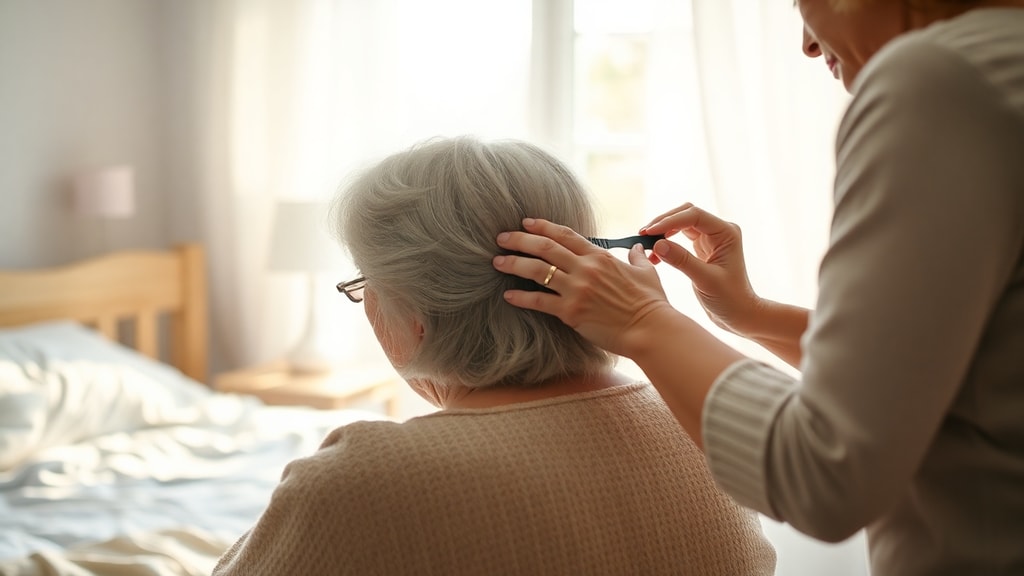
Despite being essential to every society, care work is overwhelmingly performed without economic compensation. Globally, over 70 percent of the world's unpaid care workers are women. This includes activities such as cooking, cleaning, childcare, and caring for the sick or elderly. These tasks are performed daily, often for many hours, yet they remain invisible in economic metrics like gross domestic product. The disproportionate burden on women affects their ability to participate in paid employment, pursue education, or enjoy leisure time.
This disparity is not a matter of natural inclination but of social and cultural expectations. Many societies have historically assigned caregiving roles to women, undervaluing the skills and time required. Recognizing care as skilled, necessary labor is crucial. When unpaid care work is acknowledged, it can be redistributed more equitably among genders and supported by public policies, such as paid family leave, accessible childcare, and eldercare services. Without this recognition, those who provide care risk exhaustion, financial insecurity, and social isolation.
Core Elements of Effective Care Practices
To deliver effective *cuidados*, whether for a child, an elderly parent, a patient, or even oneself, certain core elements must be present. These include attention to safety, consistency, empathy, and adaptability. Care is not a one-size-fits-all approach; it requires observing and responding to the unique needs of each individual. The following list outlines essential components that define quality care:
- Attentiveness: Being fully present and noticing subtle changes in physical or emotional state.
- Responsiveness: Taking appropriate action based on observed needs, whether offering assistance or stepping back to encourage independence.
- Reliability: Following through on commitments and creating a predictable, secure environment.
- Respect: Honoring the autonomy and dignity of the person receiving care, involving them in decisions when possible.
- Self-care: Recognizing that caregivers must maintain their own well-being to sustain their ability to care for others.
- Communication: Using clear, compassionate language and active listening to understand and be understood.
Integrating these elements into daily routines can transform care from a set of tasks into a meaningful relationship that fosters growth and healing for all involved.

Comparing Different Contexts of Care
The application of *cuidados* varies significantly depending on the context and the needs of the recipient. Understanding these differences helps caregivers adapt their approach appropriately. The table below outlines key characteristics of care in several common contexts.
| Context | Primary Focus | Key Skills Required | Common Challenges |
|---|---|---|---|
| Childcare | Safety, nurturing, developmental support | Patience, playfulness, vigilance | Sleep deprivation, constant supervision |
| Elderly Care | Dignity, medical management, companionship | Empathy, physical assistance, patience | Mobility issues, cognitive decline |
| Chronic Illness Care | Medication adherence, symptom monitoring, emotional support | Medical knowledge, organization, resilience | Caregiver burnout, complex routines |
| Mental Health Support | Emotional validation, crisis prevention, therapy encouragement | Non-judgmental listening, boundaries, crisis management | Stigma, unpredictable mood changes |
| Self-Care | Personal health, stress reduction, fulfillment | Self-awareness, discipline, boundary-setting | Guilt, prioritizing own needs |
This table demonstrates that while the underlying principles of care remain constant, the specific techniques and challenges shift dramatically. Effective caregivers learn to recognize these nuances and adjust their support accordingly.
Practical Tips for Improving Daily Care Routines
Improving care routines does not require grand gestures. Small, consistent changes can have a profound impact on both the caregiver and the recipient. The first practical tip is to establish clear communication channels. Whether caring for a family member or a professional patient, discuss preferences, schedules, and boundaries openly. This reduces misunderstandings and builds trust.
Another essential tip is to create structured yet flexible routines. Predictability reduces anxiety for those receiving care, especially children or individuals with cognitive impairments. However, rigidity can cause stress when unexpected events occur. Aim for a balance where the daily flow is familiar but allows for spontaneity or necessary adjustments. Using visual schedules or simple checklists can be helpful.

Additionally, caregivers must learn to delegate and ask for help. The belief that one person must do everything alone often leads to exhaustion and resentment. Identify specific tasks that others can handle, whether it is a sibling picking up groceries, a neighbor providing respite for an hour, or a professional service offering home health aid. Accepting help is not a sign of failure but a strategy for sustainable care.
The Widespread Prevalence of Unpaid Care Work
Data from the National Autonomous University of Mexico reveals that care activities aim not only at subsistence but at protecting, maintaining, recovering, and enhancing human capacities for dignified development. This broader scope underscores why society cannot afford to ignore the distribution of care work. Over 70 percent of unpaid care workers globally are women, a statistic that reflects deep-rooted gender inequality. These women often perform multiple hours of daily labor without any form of economic recognition, pension contributions, or social security benefits.
This imbalance affects not only women but also the quality of care provided. When caregivers are overburdened, their capacity to offer attentive, responsive, and respectful care diminishes. Children may receive less interactive stimulation, elderly individuals may experience neglect, and patients with chronic conditions may have inconsistent medication management. Addressing unpaid care work is thus a matter of public health and social justice. Policies that redistribute care responsibilities and provide support for caregivers can improve outcomes for entire communities.
Care as an Alert and a Warning
In the Spanish language, the word *cuidado* also functions as an interjection. When someone exclaims *¡Cuidado!*, it serves as an alert for danger or a warning to prevent harm. This usage is deeply connected to the core meaning of the word. It reminds us that an essential aspect of care is anticipation and prevention. Being careful means foreseeing potential risks and taking steps to avoid them, whether that involves childproofing a home, double-checking medication dosages, or noticing early signs of emotional distress in a loved one.

This preventive dimension of care is often overlooked in discussions that focus on immediate needs. However, proactive care reduces the frequency and severity of crises. For instance, regular health screenings, home safety assessments, and open conversations about emotional well-being are all forms of *cuidado* that prevent larger problems later. Integrating this warning mindset into daily care routines can make the difference between reacting to emergencies and sustaining a calm, supportive environment.
Cuidados Across the Life Cycle
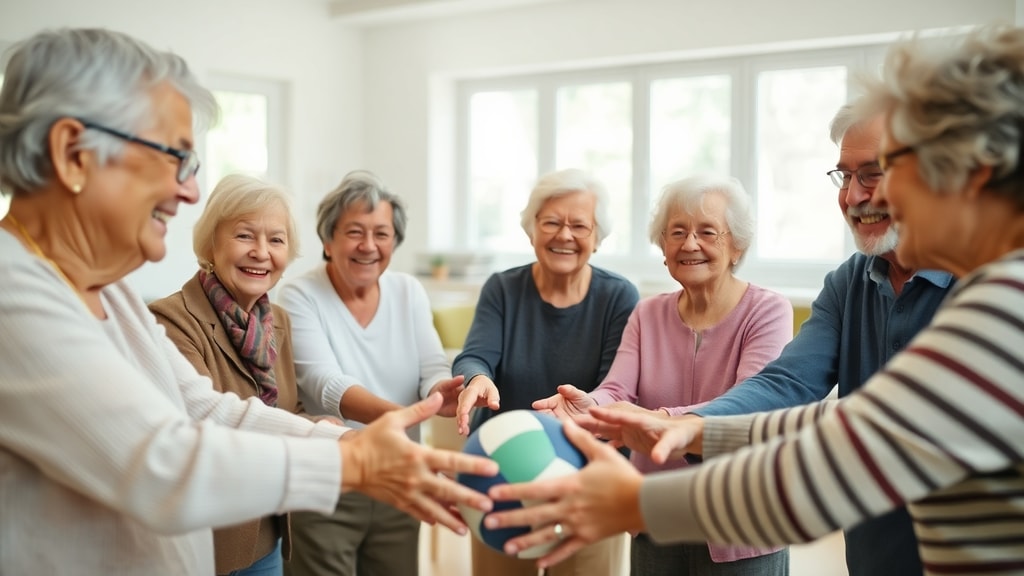
Care is not confined to any single stage of life. It is a universal necessity present from birth through old age. Infants require total care for survival. Children need care that evolves to support their growing independence and education. Adolescents, although more autonomous, still need guidance, emotional support, and boundaries. Adults often provide care to their children while also caring for aging parents, creating what is called the "sandwich generation." Elderly individuals increasingly require assistance with daily activities, medical management, and companionship.
Recognizing this cyclical nature of care can foster a sense of shared human experience. Everyone has received care and will likely provide care at some point. This perspective can reduce stigma around needing help and encourage societies to build infrastructure that supports caregivers at every stage. Communities with strong social support networks, accessible healthcare, and intergenerational programs often report higher well-being among all age groups.
References
Definición de cuidado. (n.d.). Definición.de. Retrieved from https://definiciona.com/cuidado/

Observatorio de Salud de las Mujeres. (2009). Hombres y cuidados: Una aproximación a su realidad. Ministerio de Sanidad y Política Social, España. Retrieved from https://observatoriosaludmujeres.sanidad.gob.es/transversalidadGenero/estudiosInformes/docs/hombresycuidado09.pdf
Universidad Nacional Autónoma de México. (n.d.). Un panorama sobre los cuidados. Facultad de Trabajo Social. Retrieved from https://www.trabajosocial.unam.mx/copred/doc/infografia_un_panorma_cuidados.pdf
Diciteca. (n.d.). Significado de cuidado. Retrieved from https://diciteca.com/significado/cuidado/
Reverso Diccionario. (n.d.). Definición de cuidado. Retrieved from https://diccionario.reverso.net/espanol-definiciones/cuidado