Introduction
In an era where digital devices are woven into nearly every aspect of daily life, the term screen time has become a central topic for parents, educators, and health professionals. Screen time refers to the total time spent using devices with screens, including smartphones, tablets, computers, televisions, and gaming consoles. While technology offers unprecedented access to information and communication, concerns about its effects on physical and mental health continue to grow. This article explores the benefits and risks of screen time, presents evidence-based guidelines, and offers practical strategies for establishing healthy limits.
What Is Screen Time?
Screen time encompasses any activity performed on a screen-based device, whether for work, study, entertainment, or social interaction. It includes watching videos, playing video games, browsing the internet, participating in virtual classrooms, and using social media. According to Educamídia, understanding screen time requires distinguishing between passive consumption, such as watching television, and interactive engagement, such as video calls or educational apps. This distinction is crucial because the quality and context of screen use significantly influence its impacts.
The Sedentary Nature of Screen Time
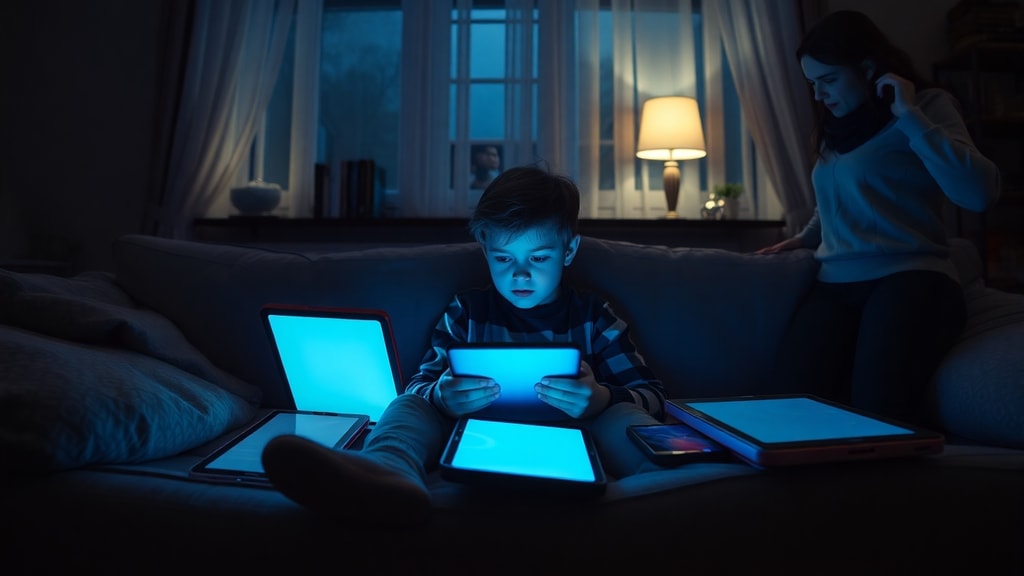
Most screen-based activities are classified as sedentary behavior. The World Health Organization defines sedentary behavior as any waking behavior characterized by very low energy expenditure, typically less than 1.5 metabolic equivalents (METs). When a person sits for prolonged periods while using a screen, the body burns minimal calories, and large muscle groups remain inactive. This sedentary quality is what distinguishes screen time from physical activity and links it to health risks independent of how much exercise a person gets. Even individuals who meet physical activity guidelines can experience negative effects if they accumulate many hours of uninterrupted screen use each day.
Benefits of Screen Time
Not all screen time is harmful. When used intentionally and in moderation, screens provide valuable opportunities for learning, creativity, and social connection. Educational platforms, interactive tutorials, and virtual museums allow children and adults to explore subjects beyond their immediate environment. Screen time also enables meaningful communication with family and friends who live far away, especially through video calls. For individuals with limited mobility or those living in remote areas, digital devices can be a lifeline to education, healthcare, and social support. Additionally, many professional careers now depend on screens for productivity, so managing screen time is not about elimination but about balance.
Risks of Excessive Screen Time
Excessive screen time is associated with a range of physical, mental, and developmental problems. The American Academy of Pediatrics has highlighted multiple areas of concern:
- Physical health risks: Poor posture during screen use can lead to neck and back pain. Prolonged focus on screens contributes to eye strain, dry eyes, and headaches. Reduced physical activity increases the likelihood of obesity and related conditions.
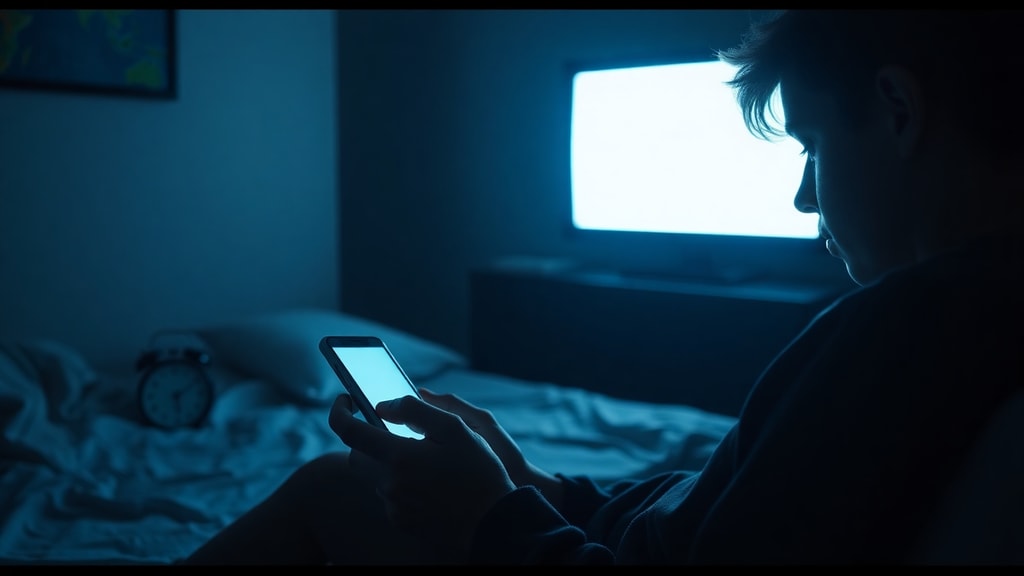
- Sleep disruption: The blue light emitted by screens interferes with melatonin production, making it harder to fall asleep. Engaging in stimulating content before bed also delays sleep onset and reduces sleep quality.
- Mental health effects: High levels of recreational screen time, especially on social media, have been linked to increased rates of anxiety, depression, and feelings of loneliness in both adolescents and adults.
- Developmental concerns in children: Excessive passive screen exposure during early childhood can delay language development, reduce opportunities for interactive play, and impair social-emotional skills.
These risks are not inevitable; they depend on the amount, content, and context of screen use. For example, watching an educational program with a caregiver who discusses the content is less harmful than unsupervised passive viewing.
WHO Age-Based Recommendations
To guide families and policymakers, the World Health Organization has issued specific screen time recommendations for children based on age. These guidelines are part of a broader effort to promote physical activity and reduce sedentary behavior. The recommendations are summarized in the table below.
| Age Group | Maximum Recreational Screen Time per Day | Additional Notes |
|---|---|---|
| Less than 2 years | 0 minutes (except video chatting) | Screen time should be avoided entirely; verbal interaction and hands-on play are essential. |
| 2 to 4 years | 1 hour (high quality, supervised) | Content should be educational and watched with a caregiver to promote understanding. |
| 5 years and older | 2 hours of recreational screen time | School-related screen use is not counted in this limit; ensure physical activity and sleep. |
These limits, published in the WHO Guidelines on Physical Activity, Sedentary Behaviour and Sleep for Children Under 5 Years of Age, emphasize that sedentary screen time should be replaced with active play and sufficient sleep for healthy development.

Current Screen Time Trends
Despite these recommendations, actual screen time often far exceeds suggested limits. Research from INPRO Brasil indicates that the average daily screen time in Brazil exceeds nine hours for many individuals, including adults. Globally, children between the ages of 8 and 18 spend an average of three to seven hours per day on screens for entertainment alone, not counting schoolwork. Adults often accumulate six to eight hours or more due to work-related computer use, leisure browsing, and streaming services. These numbers reflect a cultural shift where screens have become the default source of information, entertainment, and social interaction. However, the gap between recommended limits and actual behavior highlights the need for intentional management.
Healthy Limits and Mitigation Strategies
Setting healthy boundaries around screen time does not require eliminating devices entirely. Instead, the goal is to create a balanced digital lifestyle that prioritizes sleep, physical activity, and real-world relationships. The American Academy of Pediatrics and other health organizations recommend the following strategies:

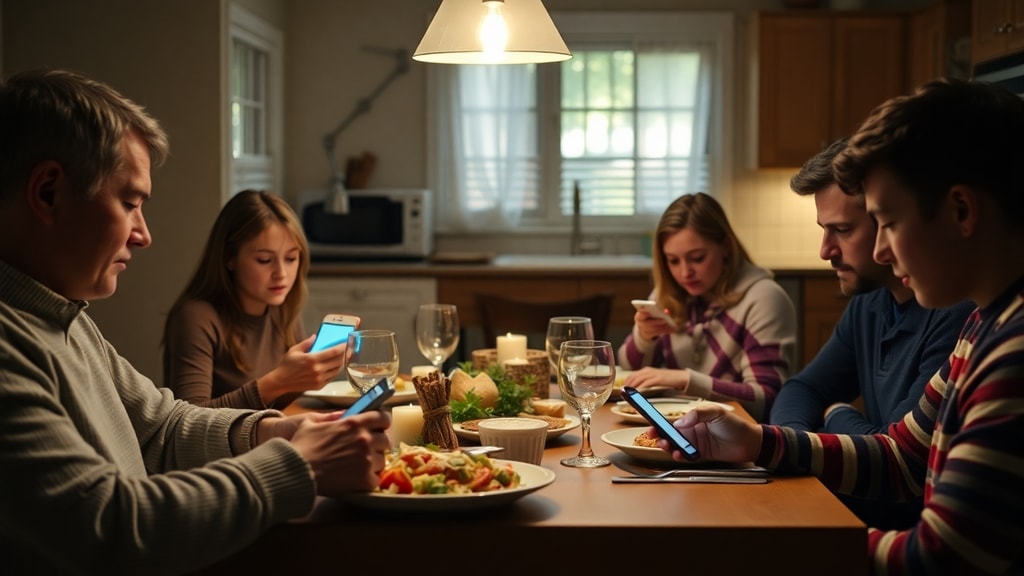
- Establish screen-free times, such as during family meals and one hour before bedtime.
- Keep screens out of bedrooms to avoid disrupting sleep patterns.
- Set daily or weekly time limits for recreational use and use built-in device controls.
- Encourage active screen use, such as creative projects, coding, or interactive learning, over passive consumption.
- Model healthy screen behavior as an adult, since children often imitate the habits they observe.
- Plan regular physical breaks during long screen sessions to stretch and rest the eyes.
By implementing these measures, families can reduce the negative consequences of excessive screen use while still enjoying the benefits of technology. It is also important to periodically review screen habits and adjust limits as children grow and circumstances change.
Conclusion
Screen time is an integral part of modern life, offering both valuable opportunities and significant risks. Understanding the sedentary nature of screen use, adhering to age-based guidelines from organizations such as the WHO, and applying practical mitigation strategies can help individuals and families maintain a healthy relationship with technology. The key lies not in demonizing screens but in using them mindfully, with awareness of content, context, and duration. By striking a balance between digital engagement and real-world activities, people can enjoy the benefits of connectivity and information without compromising their physical or mental well-being.
References
Educamídia. Do que falamos quando falamos em tempo de tela. Available at: https://educamidia.org.br/familias/do-que-falamos-quando-falamos-em-tempo-de-tela
World Health Organization. WHO Guidelines on Physical Activity, Sedentary Behaviour and Sleep for Children Under 5 Years of Age. Geneva: WHO, 2019. Available at: https://www.who.int/publications/i/item/9789241550790
American Academy of Pediatrics. Screen Time and Your Family. Available at: https://www.aap.org/en-us/advocacy (Note: the exact URL may vary; see healthychildren.org for family guidance.)
INPRO Brasil. Glossário: tempo de tela. Available at: https://inprostore.com.br/glossario/tempo-de-tela
World Health Organization. Fact sheet: Physical activity. Available at: https://www.who.int/news-room/fact-sheets/detail/physical-activity