Introduction to Hardware and Its Functions
Hardware refers to the physical components of a computer system that you can see and touch. These tangible parts work together to process data, store information, and enable users to interact with software. Without hardware, software would have no platform to run on. Understanding the function of each hardware component is essential for anyone who uses computers, whether for work, study, or entertainment. In this article, we explore three fundamental hardware examples: the Central Processing Unit (CPU), the keyboard, and the monitor. Each serves a distinct role in the computing process, from executing instructions to receiving input and displaying output. By the end, you will have a clear grasp of how these components contribute to the overall operation of a computer.
The Central Processing Unit (CPU): The Brain of the Computer
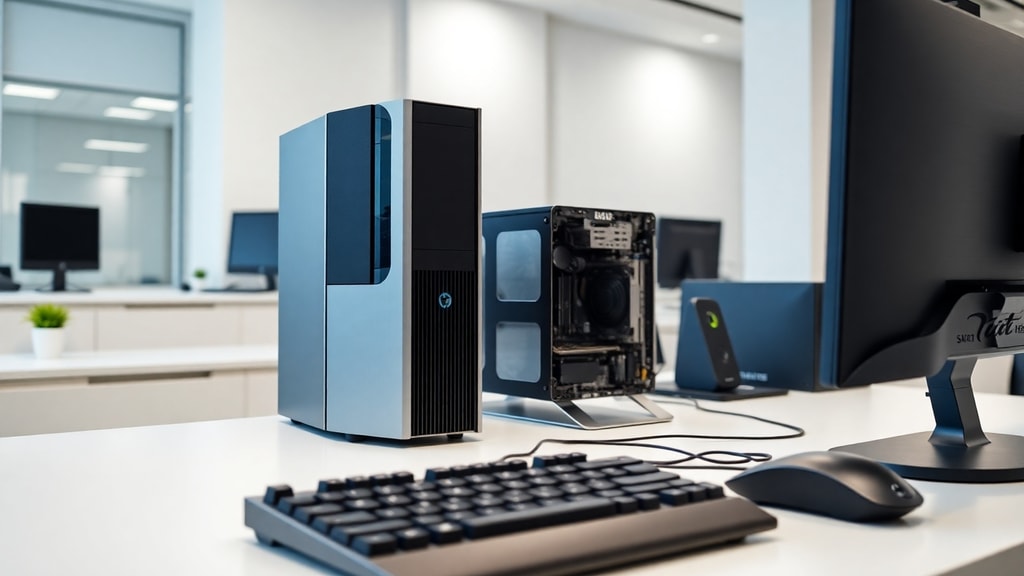
The Central Processing Unit, commonly called the CPU, is often described as the brain of the computer. Its primary function is to execute instructions provided by software programs. Every calculation, logical decision, and data manipulation passes through the CPU. It interprets commands from applications and the operating system, performs arithmetic and logic operations, and manages the flow of data between other hardware components. The CPU consists of several key parts: the Control Unit (CU), which directs the operation of the processor; the Arithmetic Logic Unit (ALU), which performs mathematical and logical operations; and registers that store temporary data. Modern CPUs also include cache memory to speed up access to frequently used information. Without a CPU, a computer cannot function, as there is no component to process the instructions that drive user commands. The performance of a CPU is measured in gigahertz (GHz) and the number of cores; more cores allow simultaneous processing of multiple tasks. For a deeper dive into the role of the CPU, you can refer to Remessa Online, which offers a comprehensive overview of hardware components. The CPU is directly connected to the motherboard via a socket and relies on a cooling system to manage the heat generated during operation. This heat is a natural byproduct of billions of transistors switching on and off at high speed. In summary, the CPU is indispensable for executing any computation, from simple text editing to complex video rendering.
The Keyboard: Your Primary Input Device
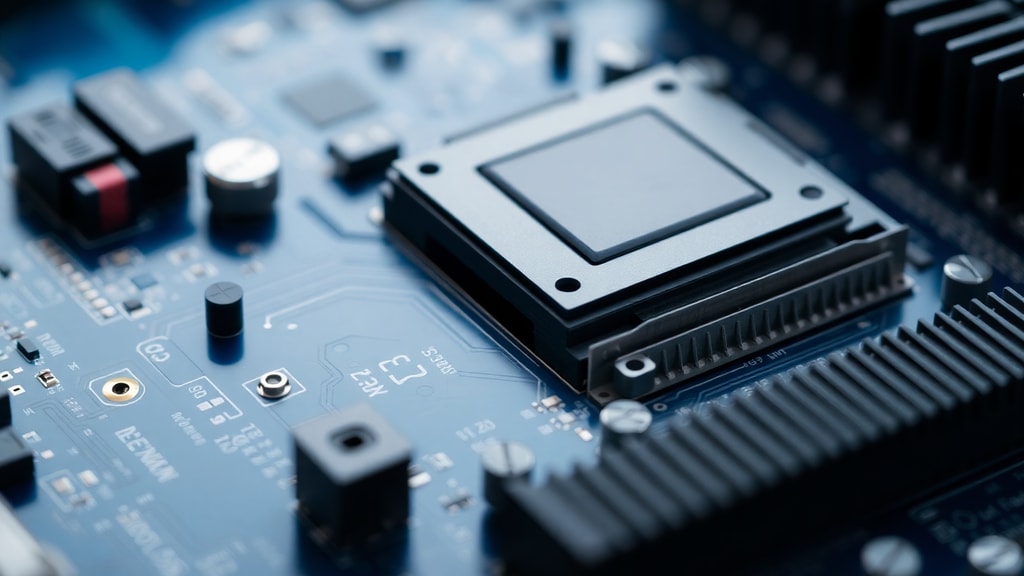
The keyboard is one of the most common input devices and serves as the primary means for users to send data and commands to a computer. Its function is to convert the physical press of a key into an electrical signal that the computer interprets as a specific character, number, or command. Keyboards typically follow the QWERTY layout, though other layouts such as AZERTY and Dvorak exist. Each key is a switch that, when pressed, completes a circuit and sends a unique code to the computer’s processor. The keyboard is not just for typing text; it also includes modifier keys like Shift, Ctrl, Alt, and function keys that trigger shortcuts and special operations. For example, pressing Ctrl+S usually saves a file, while Alt+F4 closes an application. Keyboards can be wired or wireless, mechanical or membrane, each offering different tactile feedback and durability. The invention of the keyboard dates back to early typewriters, and its design has evolved to include multimedia keys, backlighting, and ergonomic shapes. Without a keyboard, inputting text and navigating the operating system would be cumbersome, though alternative devices like touchscreens and voice recognition exist. The importance of the keyboard as a reliable input method is highlighted by Wagner Danielli, which provides insights into lesser-known hardware facts. In modern computing, the keyboard remains a staple for tasks that require precision and speed, such as programming, writing, and data entry. It is classified as an input peripheral because it only sends data to the computer; it does not receive information from the system. Understanding its function helps users appreciate how effortlessly they communicate with their machines.
The Monitor: Visual Output for User Interaction
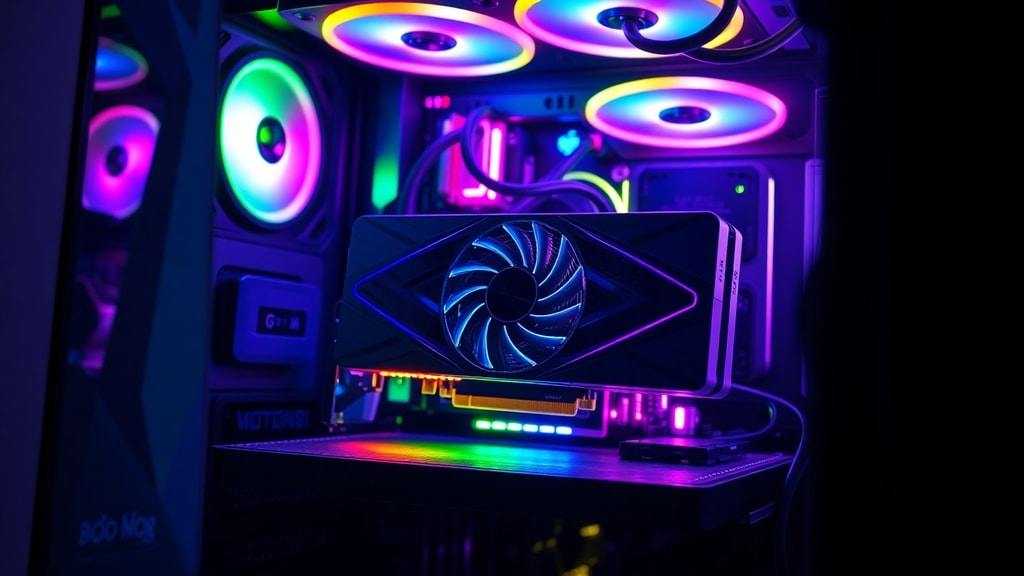
The monitor is the most visible output device of a computer. Its role is to display visual information generated by the computer’s graphics hardware, such as text, images, videos, and user interface elements. When the CPU processes data, the results are sent to the graphics card (GPU), which converts them into signals that the monitor interprets to produce a picture. Monitors come in various technologies: LCD, LED, OLED, and older CRT designs. Resolution, refresh rate, and color accuracy are key specifications that determine image quality. A higher resolution provides sharper details, while a higher refresh rate ensures smoother motion, which is particularly important for gaming and video editing. The monitor is classified as an output peripheral because it receives data from the computer and presents it in a human-readable form. Without a monitor, users would have no way to see the results of their commands, error messages, or the graphical interfaces of modern operating systems. Many monitors also include built-in speakers, USB hubs, and ergonomic stands. The connection between the monitor and the computer is made through interfaces like HDMI, DisplayPort, VGA, or DVI. For a broader understanding of hardware types, including output devices, the resource from INVGATE offers a classification of hardware categories. The monitor has evolved from bulky cathode-ray tubes to slim, energy-efficient flat panels, and now includes touchscreen capabilities in some models. It is essential for any visual feedback, whether you are browsing the web, editing a document, or watching a film. In short, the monitor bridges the gap between electronic processing and human perception, making the invisible work of the CPU visible and interactive.
Other Common Hardware Components
Beyond the CPU, keyboard, and monitor, many other hardware components are critical for a complete computing experience. The following list highlights several additional components and their primary functions:
- Motherboard: The main circuit board that connects and allows communication between all other hardware components, including the CPU, memory, storage, and peripherals.
- Random Access Memory (RAM): Temporary storage that holds data and instructions currently being used by the CPU, enabling fast read and write access.
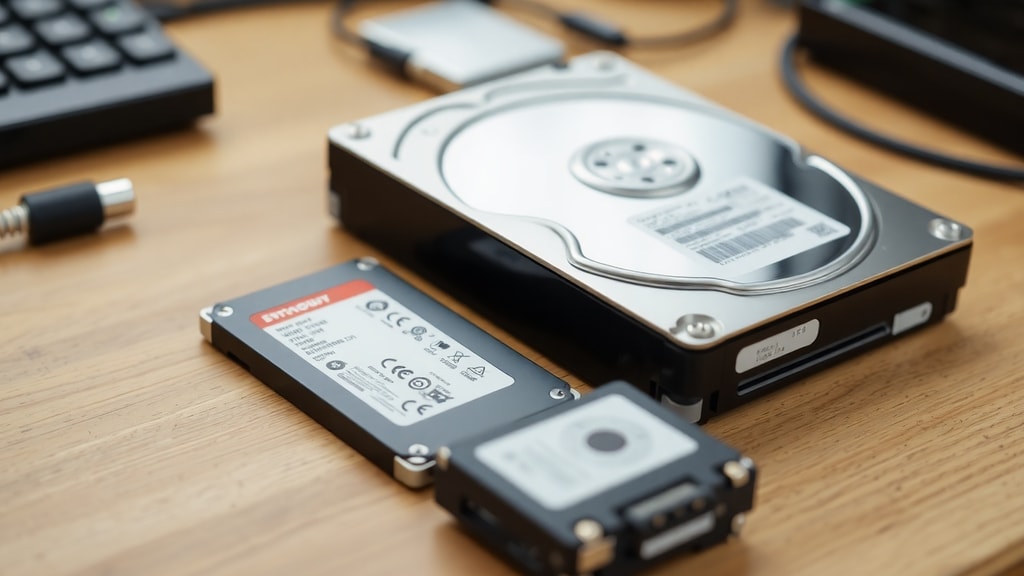
- Hard Disk Drive (HDD) or Solid State Drive (SSD): Permanent storage for the operating system, applications, and user files. SSDs are faster and more durable than traditional HDDs.
- Graphics Processing Unit (GPU): A specialized processor that renders images, videos, and animations, relieving the CPU of intensive graphical tasks.
- Power Supply Unit (PSU): Converts electrical power from a wall outlet into usable voltages for all internal components.
- Network Interface Card (NIC): Enables the computer to connect to a network, either wired (Ethernet) or wireless (Wi-Fi).
- Optical Drive: Reads and writes data from CDs, DVDs, or Blu-ray discs, though now less common in modern computers.
Each of these components works in tandem with the three primary hardware examples discussed above. For instance, the CPU relies on RAM for quick data access, the monitor depends on the GPU to generate images, and the keyboard sends signals that the CPU interprets. Understanding the full ecosystem of hardware helps users troubleshoot issues and make informed decisions when upgrading or purchasing a new computer.
Comparison of Hardware Functions
To further clarify the distinct roles of hardware components, the table below compares the CPU, keyboard, and monitor in terms of type, primary function, and example of use.
| Component | Type | Primary Function | Example of Use |
|---|---|---|---|
| CPU | Processing unit | Execute instructions, perform calculations, and manage data flow | Running a spreadsheet application that calculates formulas |
| Keyboard | Input peripheral | Enter data and commands by pressing keys | Typing a document in a word processor |
| Monitor | Output peripheral | Display visual information from the computer | Viewing a website or a video file |
This comparison underscores how each component has a unique and non-interchangeable role. The CPU processes, the keyboard inputs, and the monitor outputs. Together they form the basic interaction loop that defines modern computing.
References
For further reading and verification of the information presented, the following sources were consulted: Remessa Online (2024) at https://www.remessaonline.com.br/blog/hardware/; Minha Conexao (2024) at https://www.minhaconexao.com.br/blog/tech/hardware; Wagner Danielli (2024) at https://www.wagnerdanielli.com.br/hardware-03-coisas-que-voce-nao-sabia/; INVGATE (2024) at https://blog.invgate.com/pt/tipos-de-hardware; and Significados (2024) at https://www.significados.com.br/hardware/. These resources offer additional details on hardware definitions, classifications, and functions, and they were used to ensure accuracy in this article.