What Is Oxygen Saturation on a Pulse Oximeter?
Oxygen saturation measured by a pulse oximeter, commonly shown as SpO2, represents the percentage of hemoglobin in the blood that is carrying oxygen. Hemoglobin is the protein in red blood cells responsible for transporting oxygen from the lungs to the rest of the body. When a pulse oximeter clips onto a finger, toe, or earlobe, it uses light absorption to estimate this percentage without requiring a blood sample. This noninvasive method has become essential in hospitals, clinics, and even home monitoring. The measurement is expressed as a number between 0 and 100 percent, but normal values generally range from 95 to 100 percent for healthy adults. Understanding what these numbers mean helps people recognize when their breathing or circulation might be compromised.
The pulse oximeter works by emitting two wavelengths of light, usually red and infrared, through the skin. Oxyhemoglobin, which is hemoglobin bound to oxygen, absorbs these wavelengths differently than deoxygenated hemoglobin. The device detects how much light passes through the tissue and calculates the proportion of oxygenated hemoglobin. This calculation is automated, but the accuracy depends on proper placement and factors like movement, nail polish, or poor circulation. The term SpO2 is used specifically for readings from a pulse oximeter, while SaO2 refers to oxygen saturation measured directly from an arterial blood sample. Both values aim to reflect the same physiological parameter, but minor differences can occur.
Normal Values and What They Mean
For most healthy individuals, a normal oxygen saturation reading falls between 95 and 100 percent. This range indicates that the lungs are effectively oxygenating the blood and that the circulatory system is delivering oxygen to tissues. Levels consistently above 95 percent generally suggest adequate respiratory function. However, some people with chronic conditions like chronic obstructive pulmonary disease may have baseline saturations slightly lower, often between 88 and 92 percent, without immediate danger. In these cases, doctors establish individualized target ranges. For the general population, any reading below 95 percent warrants attention, especially if accompanied by symptoms like shortness of breath, chest tightness, or confusion.
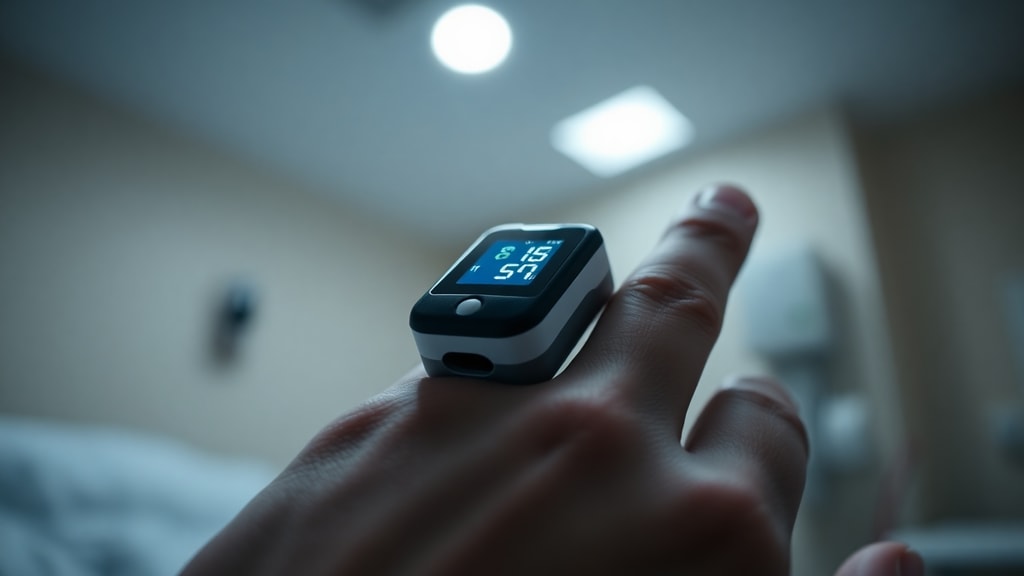
When saturation drops to between 90 and 95 percent, it is considered a cause for concern. This level may indicate hypoxemia, meaning the blood has lower than normal oxygen content. Medical professionals often advise patients to monitor this closely and seek guidance, particularly if the trend is downward. At or below 90 percent, the condition becomes critical. This threshold suggests that organs and tissues may not be receiving enough oxygen to function properly. Supplemental oxygen is typically required immediately to raise saturation levels and prevent damage. Emergency medical help should be contacted if SpO2 falls below 90 percent and does not improve with position changes or deep breathing.
Factors That Affect Pulse Oximeter Readings
Several factors can cause inaccurate readings from a pulse oximeter. One common issue is poor blood flow to the area being measured, which can result from cold hands, low blood pressure, or peripheral vascular disease. Movement artifact, such as shivering or fidgeting, also disrupts the light signal and leads to false numbers. Nail polish, especially dark colors like blue or black, can interfere with light absorption and yield erroneously low readings. Similarly, artificial nails or thick calluses may reduce accuracy. Carbon monoxide poisoning presents a special challenge because it binds to hemoglobin in a way that fools the oximeter into showing a normal or high reading even when oxygen delivery is impaired.
Another important consideration is the device itself. Pulse oximeters can vary in quality, and cheaper models may have a higher margin of error. Studies indicate that consumer-grade oximeters may deviate up to 2 percent from the true arterial oxygen saturation measured by blood gas analysis. For example, if a pulse oximeter reads 82 percent, the actual value could be anywhere between 80 and 84 percent. This margin is generally acceptable for trend monitoring but can be misleading in critical situations. Healthcare providers usually confirm low readings with arterial blood gas testing before making treatment decisions. It is also important to note that skin pigmentation may affect accuracy in some devices, with darker skin tones sometimes showing slightly higher SpO2 values than actual levels.
How to Use a Pulse Oximeter Correctly
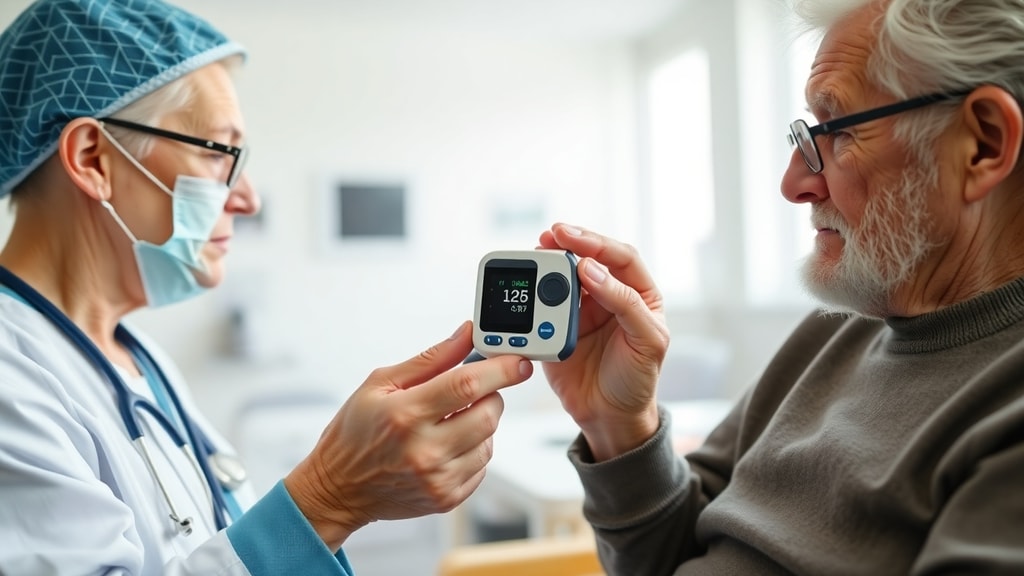
Using a pulse oximeter correctly improves the reliability of the measurement. First, the person should be at rest for a few minutes before taking a reading, as activity can temporarily lower saturation. The finger should be clean and free of nail polish. The device is placed on the index or middle finger, which tends to have the best blood flow. The hand should be held at heart level and kept still. The oximeter should display a stable number for at least 30 seconds before recording. A clear pulse waveform on the screen confirms that the device is detecting a good signal. If the reading seems low, it is wise to try a different finger or the other hand to rule out local circulation issues.
Monitoring trends over time is more informative than a single reading. Keeping a log of SpO2 values along with symptoms helps identify patterns. For example, a drop in saturation after walking up stairs could indicate exertional hypoxemia. Conversely, a consistent reading above 95 percent at rest usually reassures that oxygen levels are adequate. People with chronic lung conditions should follow their doctor's instructions on when to check and what thresholds require action. Oxygen therapy should never be adjusted based solely on oximeter readings without medical guidance, as incorrect flow rates can be harmful. Understanding these practical aspects ensures that the device serves as a helpful tool rather than a source of anxiety.
Common Symbols and Terminology
Pulse oximeters display various symbols and abbreviations. The most common is SpO2, which stands for peripheral capillary oxygen saturation. This is the standard label for readings from a pulse oximeter. Some devices also show a heart rate reading, often marked as PR or BPM. Additional symbols may include a pulse bar or waveform that indicates signal strength. In hospital settings, you may see SaO2, which denotes arterial oxygen saturation determined by blood gas analysis. While SpO2 and SaO2 often correlate closely, differences can arise due to the measurement method. Understanding these terms helps patients interpret their results accurately and communicate effectively with healthcare providers.
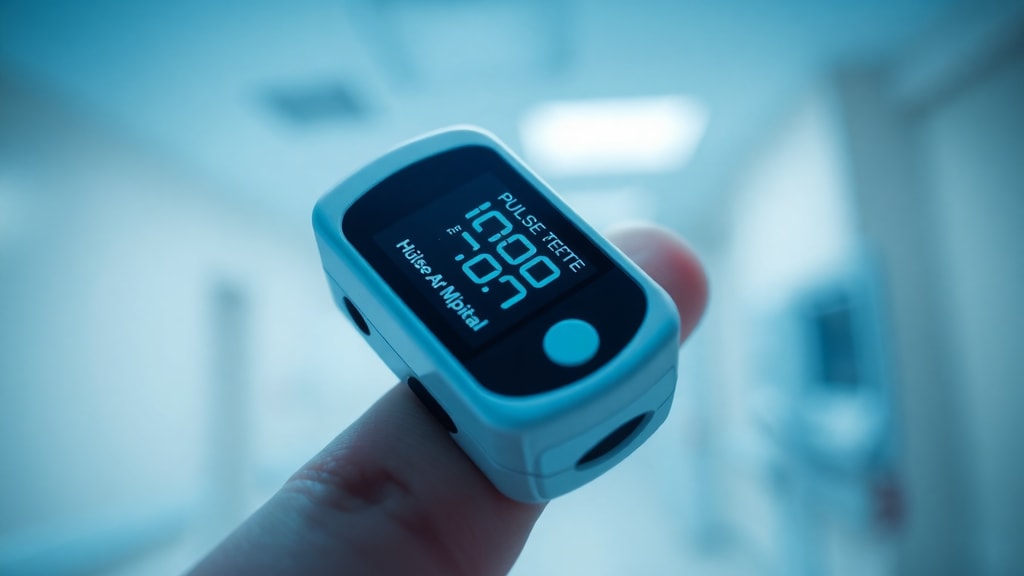
The importance of knowing these symbols cannot be overstated, especially when using a home monitor. Confusing SpO2 with other parameters might lead to misinterpretation. For instance, a high heart rate does not compensate for low saturation, and focusing only on pulse rate could delay recognition of hypoxemia. Manufacturers generally provide a quick reference guide, but it is useful to familiarize yourself with the display before relying on the device. If the screen shows an error message or a question mark, it usually indicates weak signal detection. In such cases, repositioning the finger or warming the hand often resolves the issue. Being comfortable with the device builds confidence in self-monitoring.
When to Seek Medical Attention
Recognizing when low oxygen saturation requires medical intervention is crucial. If SpO2 drops below 90 percent, immediate medical attention is necessary. This level indicates severe hypoxemia and can lead to organ dysfunction if untreated. Symptoms like difficulty breathing, bluish lips or fingertips, rapid heart rate, and confusion often accompany such low readings. Even if the reading is between 90 and 95 percent, it is advisable to contact a healthcare provider, especially if the person has underlying lung disease, heart failure, or other conditions that affect oxygen exchange. A gradual decline over days or weeks can be just as dangerous as a sudden drop, as the body may adapt but still suffer damage.
It is also important to trust clinical signs over a single number. A person who feels well and has no respiratory distress can sometimes have a slightly low reading due to device error or temporary factors. Conversely, someone with severe shortness of breath may have a normal SpO2 reading in the early stages of respiratory failure, especially if receiving supplemental oxygen. This is why pulse oximetry is best used as part of a broader assessment. Emergency situations call for immediate action regardless of the reading if breathing is labored or consciousness is altered. Training on when to escalate care empowers patients and caregivers to act appropriately.
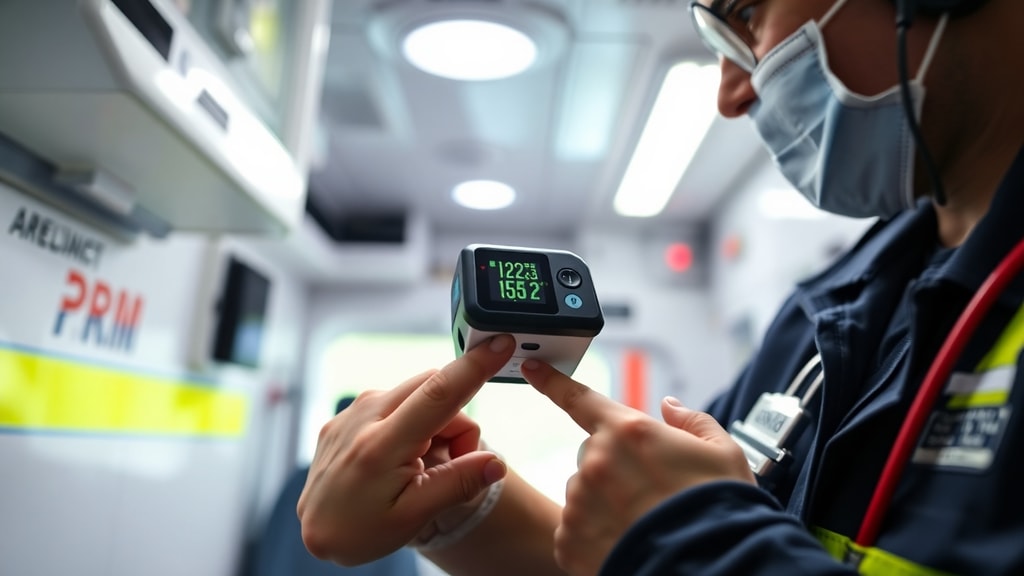
Table of Oxygen Saturation Levels and Recommended Actions
| SpO2 Range | Category | Recommended Action |
|---|---|---|
| 95% - 100% | Normal | No action needed; continue routine monitoring if indicated. |
| 90% - 94% | Borderline | Monitor closely; contact healthcare provider if symptoms appear or values trend downward. |
| Below 90% | Critical | Seek emergency medical help immediately; administer supplemental oxygen if available and trained. |
Common Questions About Pulse Oximetry
Many people wonder how accurate pulse oximeters really are. The answer depends on the device and the user. Clinical-grade oximeters used in hospitals are generally accurate within 2 percent of arterial blood gas values. Consumer models may have a wider range of error. Another frequent question is whether exercise affects readings. Physical activity can temporarily decrease SpO2 as muscles consume more oxygen, but healthy individuals usually return to baseline quickly. Persistent drops during exercise may indicate cardiopulmonary limitations.
Concerns about fingertips being cold are also common. Cold hands can reduce blood flow and cause unreliable readings. Warming the hands before use often improves the signal. Some wonder if they can use the device on toes or earlobes. Yes, but the finger is preferred for its consistent blood flow and ease of placement. Parents often ask about using pulse oximeters on children. Pediatric models are available with smaller probes. For infants, a foot or toe may be used. It is essential to follow the manufacturer's guidelines for pediatric use to avoid inaccurate results or discomfort.
List of Factors That Can Cause Erroneous Readings
- Poor peripheral circulation due to cold temperature or low blood pressure
- Movement or shivering during measurement
- Dark or metallic nail polish
- Thick calluses or artificial nails
- Intravascular dyes used in diagnostic procedures
- Carbon monoxide poisoning producing falsely high readings
- Low battery or malfunctioning device
- Incorrect finger placement or improper sensor size
- Skin pigmentation in some device models
References
Tua Saúde. Oximetria: o que é, valores normais e como interpretar. Available at: https://www.tuasaude.com/oximetria/. Accessed 2025.
CNN Brasil. Correspondente médico: o que é saturação de oxigênio e qual o nível normal. Available at: https://www.cnnbrasil.com.br/saude/correspondente-medico-o-que-e-saturacao-de-oxigenio-e-qual-o-nivel-normal/. Accessed 2025.
Audipub. Qual a sigla de saturação. Available at: https://www.auditorioibirapuera.com.br/qual-a-sigla-de-saturacao/. Accessed 2025.
ABC.MED.BR. Oximetria: o que é e como é feita. Available at: https://www.abc.med.br/p/exames-e-procedimentos/1384073/oximetria-o-que-e-e-como-e-feita.htm. Accessed 2025.
Wikipedia. Saturação de oxigênio. Available at: https://pt.wikipedia.org/wiki/Satura%C3%A7%C3%A3o_de_oxig%C3%AAnio. Accessed 2025.
ProLife. O que é saturação de oxigênio e qual o valor mínimo do SpO2. Available at: https://prolife.com.br/o-que-e-saturacao-de-oxigenio-e-qual-o-valor-minimo-do-spo2/. Accessed 2025.