Understanding Body Temperature and Its Normal Ranges
Body temperature is one of the most fundamental indicators of human health. It reflects the balance between the heat produced by the body's metabolic processes and the heat lost to the environment. For centuries, clinicians and individuals have relied on temperature readings to detect fever, hypothermia, and other underlying conditions. However, the idea of a single normal body temperature, such as the widely cited 98.6 degrees Fahrenheit, is an oversimplification. True normal body temperature varies significantly depending on age, the measurement site, the time of day, and individual physiology. This article provides a comprehensive body temperature table and explains the normal ranges by age, helping you interpret readings more accurately and identify when a temperature is cause for concern.
The commonly accepted standard of 98.6 degrees Fahrenheit was established in the 19th century by German physician Carl Reinhold August Wunderlich. Modern research has since shown that average body temperature has decreased slightly over time, likely due to improvements in health, reduced inflammation, and more precise thermometers. Today, normal body temperature is best understood as a range rather than a fixed number. For adults, an oral reading between 96.3 and 98.6 degrees Fahrenheit is generally considered normal, but this can vary by up to one degree depending on activity level, hormonal cycles, and even emotional state. Understanding these nuances is essential for anyone monitoring their health or the health of a family member.
Normal Body Temperature Ranges by Age
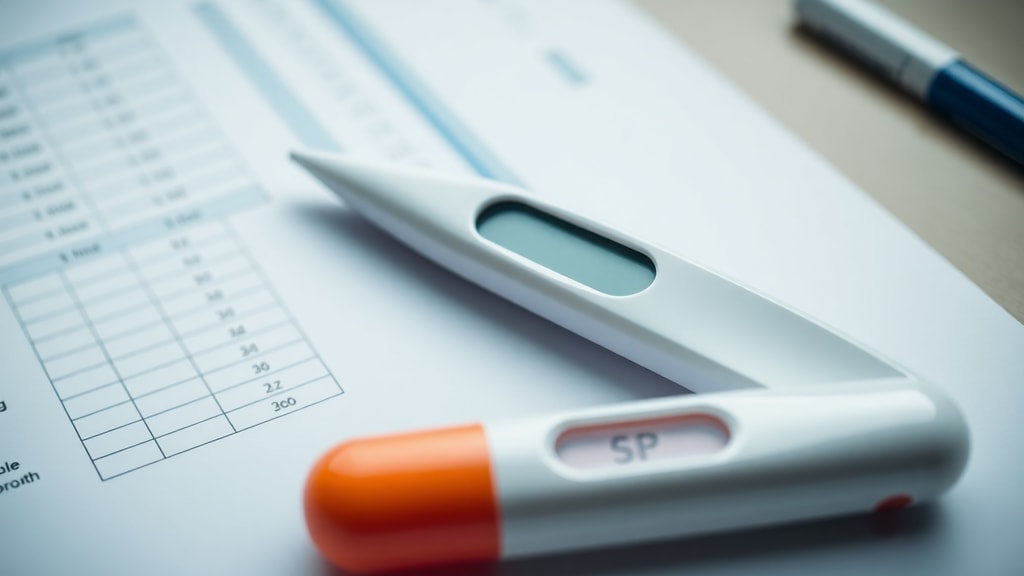
Age plays a critical role in determining what constitutes a normal body temperature. Infants and young children typically have higher average temperatures than adults, while older adults often have lower baseline temperatures. This variation is due to differences in metabolic rate, body surface area, and the efficiency of thermoregulation. Below is a detailed breakdown of normal body temperature ranges by age, compiled from multiple authoritative medical sources.
Table: Normal Body Temperature Ranges by Age and Measurement Site
| Age Group | Oral (Fahrenheit) | Rectal (Fahrenheit) | Axillary (Armpit) (Fahrenheit) |
|---|---|---|---|
| Infants (under 1 year) | 95.8–99.3°F | 97.4–99.9°F | 94.8–98.6°F |
| Children (1–17 years) | 97.9–100.2°F | 97.9–100.4°F | 96.9–99.4°F |
| Adults (18–64 years) | 96.3–98.6°F | 97.4–99.9°F | 95.3–98.4°F |
| Older Adults (65+ years) | 93.0–98.6°F | 94.0–99.6°F | 92.0–97.6°F |
As the table illustrates, there is considerable overlap between age groups, but distinct differences exist. For example, an oral temperature of 97.9 degrees Fahrenheit is at the low end of normal for a child but well within the typical range for an older adult. The rectal temperature is consistently the highest because it reflects core body temperature, while axillary readings are the lowest due to the skin surface cooling. These differences underscore the importance of using the same measurement site and method consistently when tracking temperature over time.

Key Factors That Influence Body Temperature
Beyond age, several other factors can cause normal body temperature to fluctuate. The time of day is one of the most significant: body temperature is usually lowest in the early morning, around 4 to 6 a.m., and highest in the late afternoon or early evening. This circadian rhythm can cause a variation of up to 0.9 degrees Fahrenheit in healthy individuals. Physical activity also raises body temperature, as muscles generate heat during exercise. Similarly, eating a large meal can temporarily increase metabolism and raise temperature slightly.
Hormonal changes play a major role, particularly in women. During ovulation, the body temperature rises by about 0.5 to 1.0 degree Fahrenheit due to increased progesterone levels. This is why basal body temperature tracking is commonly used for fertility awareness. Stress and emotional arousal can also elevate temperature through the release of adrenaline, a phenomenon sometimes called psychogenic fever. Environmental factors, such as being in a hot room or wearing heavy clothing, can raise skin temperature, though core temperature is more tightly regulated. Understanding these influences helps avoid unnecessary concern over a slightly elevated reading that is still within a normal context.

Measurement Sites and Their Accuracy
The site where temperature is measured significantly affects the reading. Each site has its own normal range and level of accuracy, which is important for interpreting results. Below is a list of common measurement sites and their characteristics.
- Oral: Measured under the tongue with a digital thermometer. It is convenient and widely used for adults and older children. Average normal temperature is around 98.2 degrees Fahrenheit. Accuracy depends on the person having not recently eaten, drunk, or smoked.
- Rectal: Considered the gold standard for core temperature, especially in infants and young children. It is typically 0.5 to 1.0 degree Fahrenheit higher than oral readings. Average normal is around 99.5 degrees Fahrenheit.
- Axillary (Armpit): The least invasive but also the least accurate method. Readings are usually 0.5 to 1.0 degree Fahrenheit lower than oral. It is often used for screening, with normal range around 97.6 degrees Fahrenheit for adults.
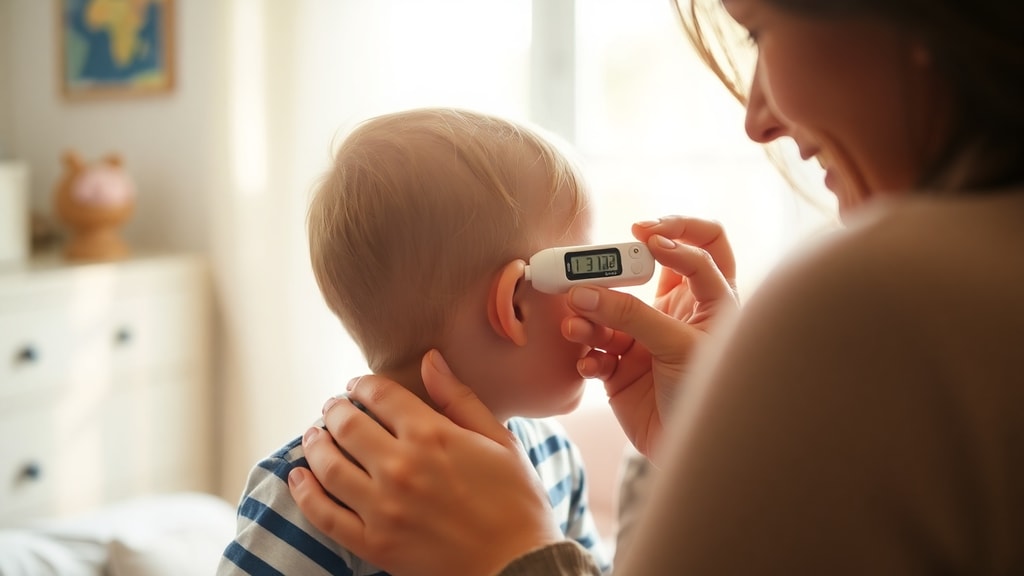
- Tympanic (Ear): Uses infrared technology to measure temperature in the ear canal. It is fast and non-invasive, but can be affected by earwax or improper positioning. It correlates closely with rectal temperature, with normal around 99.5 degrees Fahrenheit.
- Temporal Artery (Forehead): Measures the temperature of the blood in the temporal artery. It is increasingly popular for children but may be less accurate than rectal methods. Normal is similar to oral, around 98.2 degrees Fahrenheit.
When using any thermometer, it is critical to follow the manufacturer's instructions carefully. Digital thermometers are now standard and provide reliable readings when used correctly. For the most accurate assessment of fever, especially in infants under three months, rectal measurement is strongly recommended. For older children and adults, oral or tympanic methods are acceptable, provided the user accounts for the normal range differences.
What to Do When Temperature Is Outside Normal Range
A body temperature that falls outside the expected range for a person's age and measurement site may indicate an underlying issue, but it is not always a cause for alarm. A reading slightly above the upper limit, such as 100.4 degrees Fahrenheit in an adult, is often considered low-grade fever and is frequently due to minor infections, heat exposure, or post-exercise elevation. Conversely, a temperature below the normal range, known as hypothermia, can occur from exposure to cold, certain medical conditions, or medications. In older adults, a lower baseline means that even a mild fever may be significant and should be evaluated promptly.
If a person has a fever above 100.4 degrees Fahrenheit, they should rest, stay hydrated, and monitor their temperature. Over-the-counter medications like acetaminophen or ibuprofen can help reduce fever and discomfort. However, medical attention is necessary if the fever lasts more than three days, exceeds 103 degrees Fahrenheit, or is accompanied by severe symptoms such as difficulty breathing, confusion, stiff neck, or rash. For infants under three months, any rectal temperature above 100.4 degrees Fahrenheit requires immediate medical evaluation. Hypothermia below 95 degrees Fahrenheit also warrants urgent care, especially in elderly individuals or those with chronic illness.
When to Seek Medical Advice
Understanding when to consult a healthcare provider is an essential part of managing body temperature. For adults, a persistent fever that does not respond to medication or is accompanied by symptoms like chest pain, vomiting, or severe headache should be reviewed by a doctor. In children, additional warning signs include irritability, lethargy, poor feeding, or dehydration. Older adults may present with atypical symptoms; for them, a temperature of 99 degrees Fahrenheit can indicate a serious infection even if it seems mild. The following resources provide further guidance: Healthline's comprehensive guide on body temperature and WebMD's first aid information on fever.
It is also important to note that some individuals naturally have a body temperature that runs lower or higher than the average ranges. Monitoring a person's personal baseline when they are healthy can help identify deviations more accurately. Keeping a simple log of morning and evening temperatures for a few days can establish this baseline. This is particularly useful for athletes, people with chronic conditions, and caregivers of elderly relatives. Ultimately, the body temperature table and the information in this article serve as a general guideline, but personalized medical advice from a professional is always recommended when there is concern about a significant temperature change.
References
The information in this article is based on data from several reputable sources. Healthline provides detailed normal temperature ranges across ages and measurement sites. Medanta offers insight into temperature norms for older adults. WebMD outlines pediatric temperature guidelines, including oral and rectal standards for children. Healthgrades supplies data for infant temperature ranges. Disabled World presents comparative information on temperature by measurement site for adults. These sources were consulted to ensure the accuracy of the body temperature table and the explanatory content. For further reading, individuals can access the original articles through the links provided in the text.