Understanding Creolina: A Powerful Disinfectant With a Long History
Creolina is a generic name for a group of disinfectants and antiseptics that have been used for decades in veterinary medicine, agriculture, and household cleaning. The term refers to a mixture of phenolic compounds, primarily cresols and phenols, combined with aromatic hydrocarbons. Its chemical composition can vary depending on the source of the raw materials, which may come from petroleum distillation, coal tar, or the dry distillation of wood. Historically, creolina has been valued for its strong bactericidal and fungicidal properties, making it a staple in rural environments where sanitation and infection control are critical. Despite its effectiveness, creolina is a toxic substance that requires careful handling, and understanding its proper use is essential for safety.
The product first gained widespread recognition during the late 19th and early 20th centuries when it was developed as an alternative to carbolic acid for sanitizing wounds and surfaces. Over time, its use expanded into veterinary practice, particularly for treating livestock and poultry facilities. Today, creolina is still manufactured and sold under various brand names, and it remains a common sight in farms, barns, and even some household cleaning routines. However, because of its chemical nature, it is regulated in many countries, and users must follow strict guidelines to avoid poisoning or environmental harm.
Chemical Composition and How It Works
Creolina is not a single compound but a complex mixture. The active ingredients are cresols and phenols, which are aromatic organic compounds known for their ability to denature proteins and disrupt microbial cell membranes. These properties give creolina its disinfectant power. Depending on the manufacturing process, creolina may also contain other hydrocarbons such as naphthalene or anthracene. The product is typically a dark, oily liquid with a strong, distinctive odor that many people associate with stables or veterinary clinics.
The source of the phenolic compounds determines the classification of creolina. When derived from coal tar, it is often called coal-tar creosote or simply creosote. When derived from the dry distillation of wood, it is known as wood-tar creosote. Both types have similar disinfectant properties but may differ slightly in composition and toxicity. The version most commonly sold for agricultural use is based on coal-tar derivatives because of its lower cost and high stability. For a broader understanding of the chemical background, you can refer to the Creolin entry on Wikipedia, which explains the variations in composition and origin.
When mixed with water, creolina forms an emulsion that can be applied to surfaces, skin (in animals), or wounds. The phenolic compounds penetrate the cell walls of bacteria and fungi, causing the cells to break down and die. This mode of action is non-selective, meaning creolina kills beneficial microorganisms as well as harmful ones. That is why its use must be targeted and controlled. In veterinary medicine, it is often used to treat fly-strike wounds or to disinfect animal housing after an outbreak of infectious disease.
Primary Uses of Creolina in Agriculture and Veterinary Care
The most common application of creolina is in the disinfection of rural facilities. Farmers use it to clean chicken coops, pigsties, cattle sheds, and horse stables. The product is effective at eliminating odors, bacteria, fungi, and insect larvae. It is also used to treat footbaths for livestock to prevent hoof infections. Another frequent use is in the treatment of myiasis, which is the infestation of wounds by fly larvae, commonly called bicheiras in Portuguese-speaking regions. In these cases, creolina is applied directly to the wound to kill the larvae and disinfect the tissue.
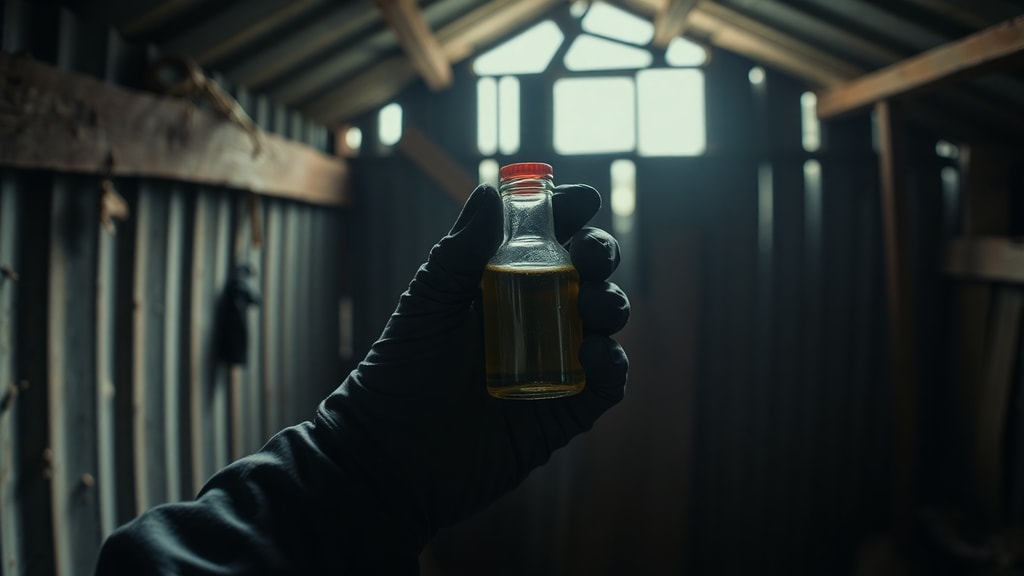
Beyond veterinary care, creolina has household uses, though these are less common today due to safety concerns. Some people dilute it in water to clean toilets, drains, and outdoor surfaces like patios or driveways. It is also used as a moth repellent in closets and storage areas, though this practice is discouraged because of inhalation risks. The table below summarizes the main applications and typical dilution ratios.
| Application | Typical Dilution | Target |
|---|---|---|
| Disinfection of animal housing | 1 part creolina to 20 parts water | Bacteria, fungi, odors |
| Treatment of myiasis (fly larvae) | Undiluted or 1:1 dilution | Fly larvae in wounds |
| Footbaths for livestock | 1 part creolina to 30 parts water | Hoof infections |
| Household drain cleaning | 1 part creolina to 40 parts water | Odors, bacteria |
These dilutions are only guidelines, and users should always check the manufacturer's instructions. The strength of creolina varies between brands, and improper dilution can either reduce effectiveness or increase toxicity. For agricultural uses, the product is often applied with a sprayer or brush, and areas should be ventilated during and after application. For more detailed information about veterinary applications, the Agrovillari product page provides guidance on using creolina for animal care.
Safety Precautions and Health Risks
Creolina is a toxic substance that can cause serious health problems if not handled correctly. The primary routes of exposure are skin contact, inhalation of fumes, and ingestion. Phenolic compounds are readily absorbed through the skin, leading to burns, irritation, and systemic toxicity. Inhaling creolina vapors can irritate the respiratory tract, cause headaches, dizziness, and in high concentrations, lead to chemical pneumonia. Ingestion is especially dangerous and can result in vomiting, abdominal pain, liver and kidney damage, and even death.
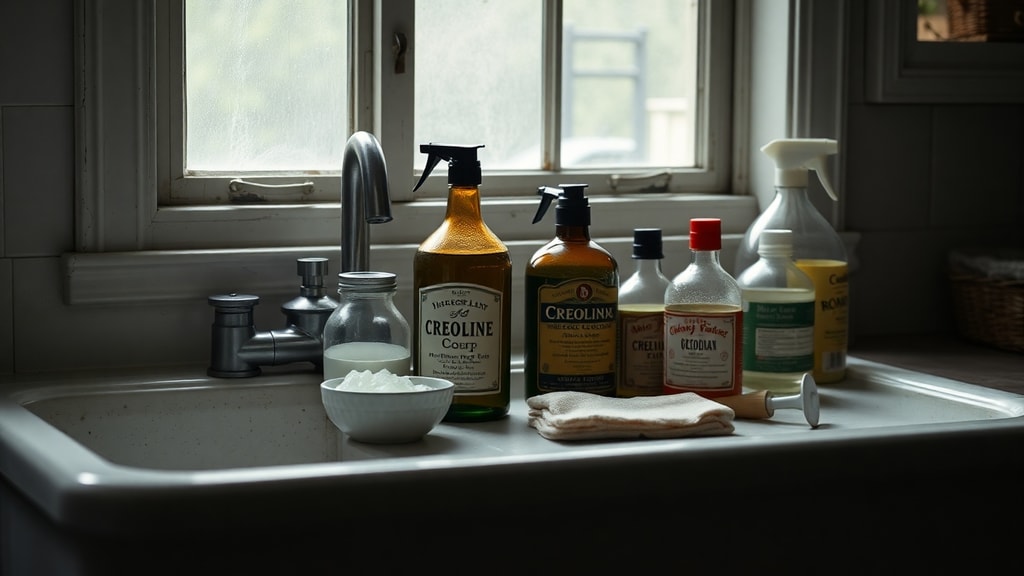
Because of these risks, anyone using creolina should wear protective equipment, including rubber gloves, goggles, and a mask if working in enclosed spaces. It is also critical to keep the product out of reach of children and animals. Even diluted solutions can cause harm if swallowed or splashed into eyes. Proper storage requires a tightly sealed container in a cool, dry place away from food, feed, and household items. Never store creolina in unlabeled bottles, as accidental ingestion has led to fatal poisonings.
If a person or animal is exposed, immediate action is necessary. For skin contact, wash thoroughly with soap and water for at least 15 minutes. For eye exposure, flush with clean water for 15 to 20 minutes and seek medical attention. In case of ingestion, do not induce vomiting unless directed by a medical professional, because aspiration can worsen lung damage. Call a poison control center or veterinarian immediately. The long-term effects of repeated exposure include chronic respiratory problems and skin sensitization.
Key Risks at a Glance
Below is a list of the most important safety points to remember when using creolina:
- Creolina is a phenol-based disinfectant that is toxic to humans, animals, and the environment.
- Always dilute according to the manufacturer's instructions; higher concentrations increase risk.
- Wear protective gloves, goggles, and long sleeves to prevent skin contact.
- Use only in well-ventilated areas to avoid inhaling fumes.
- Never mix creolina with other chemicals, especially bleach or ammonia, as toxic gases can form.
- Store in original containers, out of reach of children and pets.
- Do not use on food-preparation surfaces or near food items.
- Dispose of leftover solution according to local hazardous waste regulations.
Natural Versus Synthetic Origins
One interesting aspect of creolina is that some formulations are derived from natural sources. When obtained from the dry distillation of wood, the resulting product is a type of creosote that has been used traditionally as a disinfectant and preservative. This natural version is sometimes promoted as a more environmentally friendly alternative, but its toxicity is comparable to synthetic versions. The terms creolina and creosote are often used interchangeably, but technically creosote is the raw material from which creolina can be made.
In the English-speaking world, creosote is more commonly associated with wood preservation and is restricted in many countries because of its carcinogenic properties. Creolina, on the other hand, is typically marketed as a disinfectant for animal care. The distinction is important for consumers: a product labeled as creolina may not be appropriate for use on or around humans, whereas creosote should never be used on skin or near living beings. Always read labels carefully and understand the intended purpose of the specific product you purchase.
Regulatory Status and Modern Alternatives
Due to its toxicity, creolina is banned or restricted in some countries for certain applications. In the European Union, for example, coal-tar creosote is heavily regulated and cannot be sold for general disinfectant use. In Brazil and other South American countries, creolina remains widely available, but its sale is subject to rules about labeling and concentration limits. There is a growing trend toward replacing creolina with less toxic disinfectants, such as quaternary ammonium compounds, iodine-based solutions, and hydrogen peroxide blends.
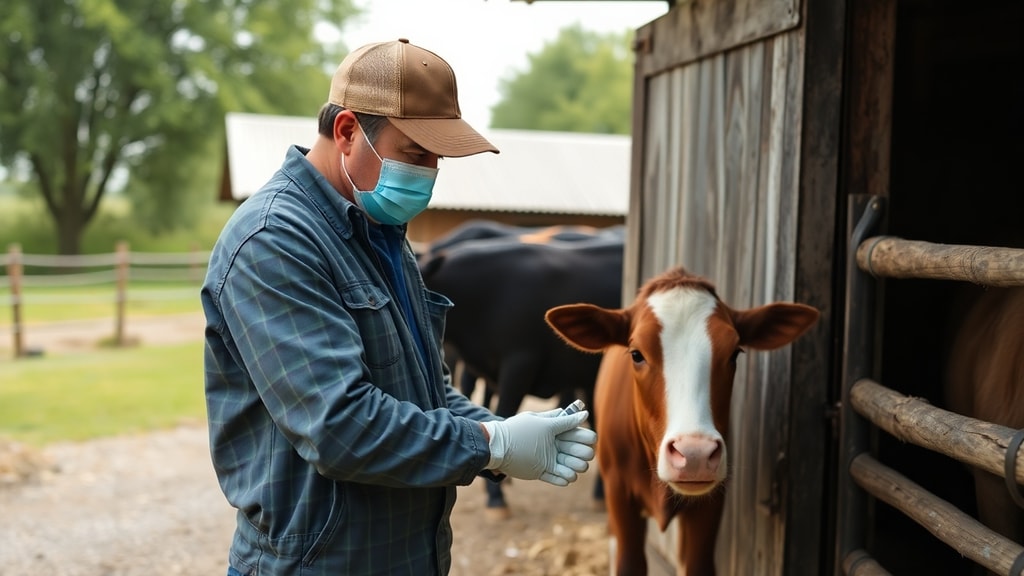
However, many farmers and veterinarians continue to prefer creolina because of its low cost and proven effectiveness against stubborn pathogens. It is also effective in organic farming contexts where synthetic chemicals are limited, provided the natural wood-tar version is used. The choice between creolina and alternatives depends on the specific infection, the type of animal, and the user's safety practices. Education about correct handling is essential to prevent accidents.
Conclusion and Recommendations
Creolina remains a powerful tool for disinfection in agricultural and veterinary settings, but it demands respect. Users must understand its chemical nature, the risks involved, and the measures required to use it safely. Always purchase products from reputable sources, follow dilution instructions exactly, and wear appropriate protective gear. When used correctly, creolina can help prevent disease and maintain hygiene in animal facilities. When mishandled, it poses a serious risk to health and the environment.
If you are new to using creolina, start with small quantities and observe how the product behaves. Consult someone experienced in its use, and always keep the material safety data sheet available. For minor household cleaning tasks, consider safer alternatives unless you are certain that creolina is appropriate and that you can manage the risks. By staying informed and cautious, you can benefit from the disinfectant properties of creolina without endangering yourself, your animals, or your surroundings.
References
Wikipedia. Creolin. Accessed on the web at https://en.wikipedia.org/wiki/Creolin.
Infopedia Dicionarios de Termos Medicos. Creolina. Accessed on the web at https://www.infopedia.pt/dicionarios/termos-medicos/creolina.
Agrovillari. Creolina 50ml product description and uses. Accessed on the web at https://www.agrovillari.com.br/creolina-50ml.
TriCurioso. O que e creolina? Uses and safety. Accessed on the web at https://www.tricurioso.com/2019/03/12/o-que-e-creolina.