Introduction
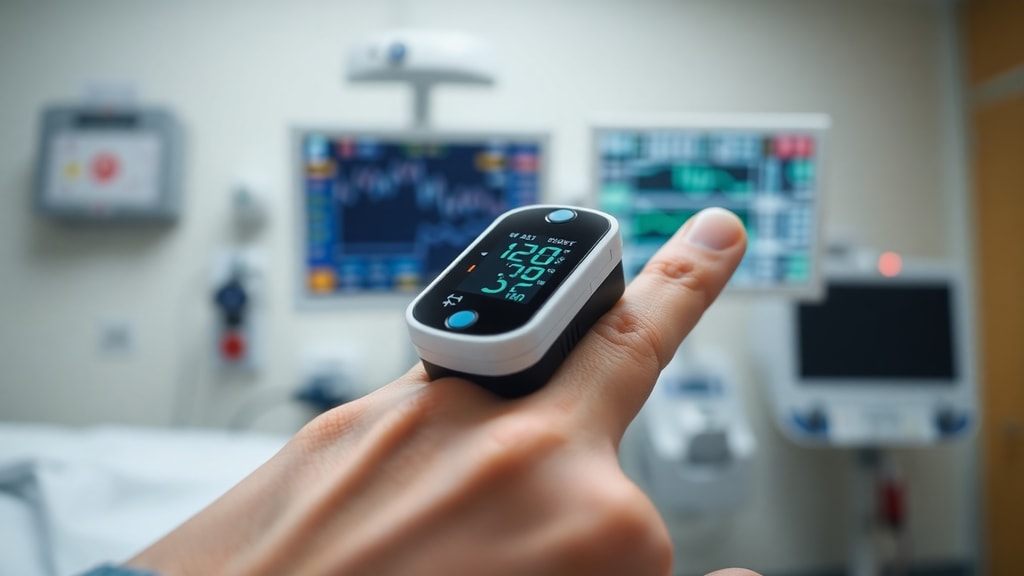
An oximeter, also known as a pulse oximeter, is a small medical device that clips onto a person's fingertip to measure the oxygen level in their blood. It has become a common tool in hospitals, clinics, and even at home, especially for people with respiratory conditions. This article explains what an oximeter is, how it works, how to use it correctly, and what the numbers mean. Understanding this device can help you monitor your health or the health of a loved one with confidence.
What Is an Oximeter?
An oximeter is a non-invasive device that estimates the saturation of oxygen in your blood. The medical term for this measurement is SpO2, which stands for peripheral capillary oxygen saturation. Most oximeters also display heart rate at the same time. The sensor is usually a clip that you place on your fingertip, though some models work on the earlobe or toe. The device uses light to measure the amount of oxygen carried by hemoglobin in your red blood cells without needing a blood sample. For this reason, it is called a pulse oximeter.
The primary purpose of an oximeter is to quickly detect low oxygen levels, a condition known as hypoxemia. Because it is painless and provides results in seconds, it is widely used in emergency rooms, operating rooms, intensive care units, and increasingly in home care. For example, during the COVID-19 pandemic, many people used pulse oximeters at home to monitor their oxygen levels and decide when to seek medical help. According to MedlinePlus, pulse oximetry is a standard test that helps doctors decide if a patient needs extra oxygen or other treatments.
How Does a Pulse Oximeter Work?
The technology behind an oximeter relies on spectrophotometry. The device emits two wavelengths of light, red and infrared, through the skin and blood vessels in the fingertip. Oxygenated hemoglobin absorbs more infrared light, while deoxygenated hemoglobin absorbs more red light. A photodetector on the other side of the clip measures how much of each light passes through. The device then compares the two signals and calculates the percentage of oxygenated hemoglobin in the blood. This number appears on the digital screen as SpO2.
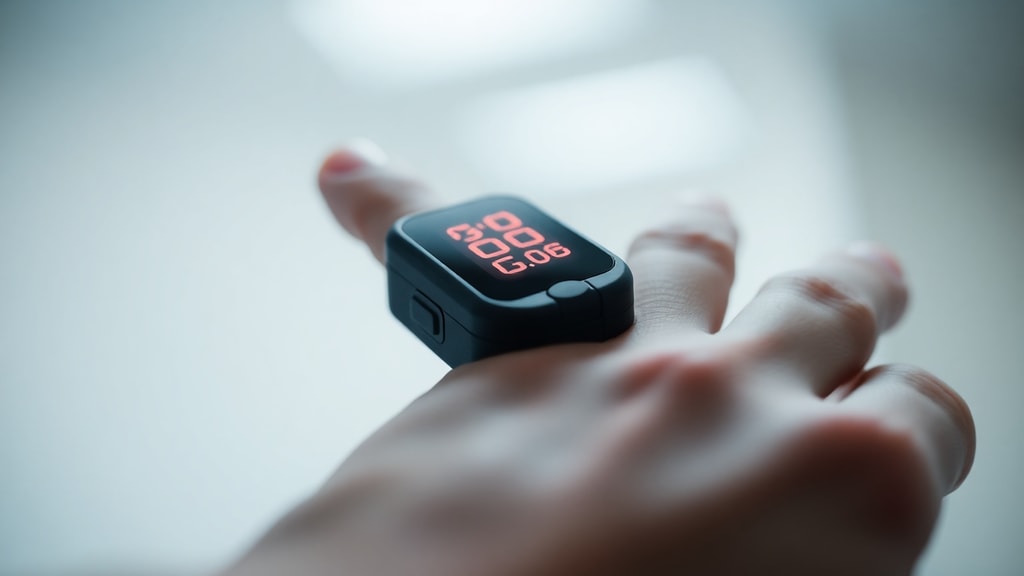
Because the measurement is based on light absorption, the oximeter can obtain a reading only when it detects a pulse. That is why it is called a pulse oximeter. The device also shows the heart rate, usually in beats per minute. The entire process takes a few seconds and is completely painless. For a more detailed explanation, the American Thoracic Society provides a patient-friendly resource on pulse oximetry that covers the principles in plain language.
Accuracy and Limitations of Oximeter Readings
While pulse oximeters are very useful, they are not perfectly accurate. Most devices have a margin of error of 2 to 4 percent. For example, if the oximeter reads 96 percent, your actual oxygen saturation might be between 92 and 100 percent. However, the FDA states that this level of accuracy is sufficient for most medical decisions, especially when trends are monitored rather than single readings.
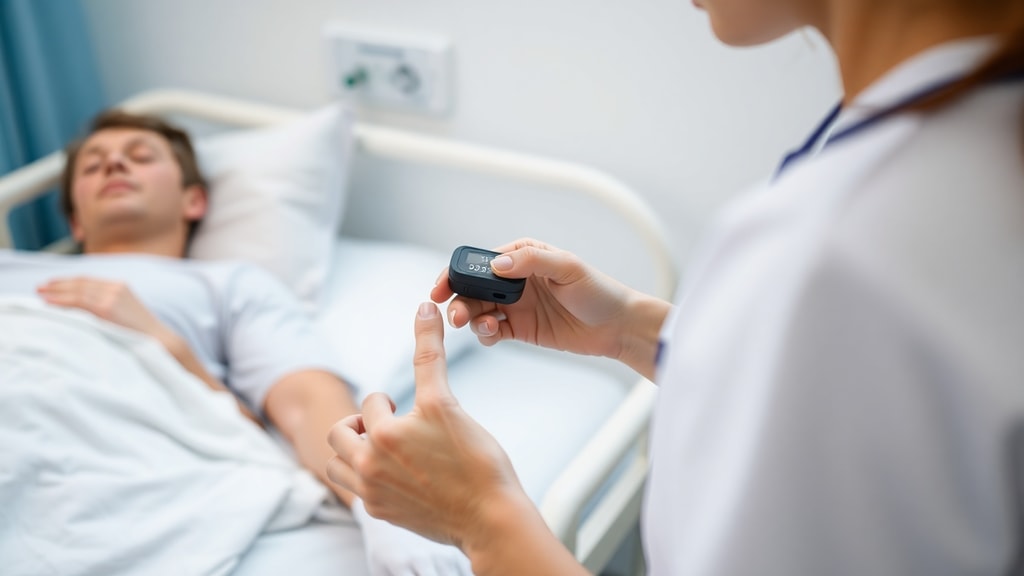
Several factors can affect the accuracy of an oximeter. The device requires good blood flow to the finger. If your hands are cold, or if you have poor circulation, the reading may be lower than your true oxygen level. Dark skin pigmentation can also cause slight overestimation or underestimation, especially at low saturations. Other common issues include nail polish, artificial nails, dirty fingers, and tobacco use shortly before testing. To get a reliable reading, always follow the manufacturer's instructions and place the clip on a clean, bare finger.
Here is a list of factors that can reduce the accuracy of a pulse oximeter reading:
- Cold hands or poor circulation
- Dark or very light skin pigmentation
- Nail polish, especially dark colors
- Artificial nails or thick nails
- Excessive movement during measurement
- Low battery in the device
- Recent consumption of cigarettes or nicotine products
- Carbon monoxide poisoning (falsely high SpO2)
Because these factors can produce misleading results, doctors always interpret pulse oximetry alongside other signs and symptoms. If you are concerned about your reading, consult a healthcare professional rather than relying solely on the device.
Medical Uses of the Oximeter
The oximeter is critical for diagnosing and monitoring several health conditions. Patients with chronic obstructive pulmonary disease (COPD), asthma, pneumonia, heart failure, and sleep apnea often use pulse oximeters at home to track their oxygen levels. During the COVID-19 pandemic, the device became especially important because some patients developed silent hypoxemia, where oxygen levels drop without obvious symptoms. Early detection allowed them to seek hospital care sooner.
In hospitals, pulse oximetry is standard during surgery, after anesthesia, and in intensive care units. It helps doctors quickly adjust oxygen therapy and avoid the need for frequent arterial blood draws, which are painful and invasive. For newborns, the device is used to screen for critical congenital heart disease. The FDA has also approved pulse oximeters for over-the-counter use, making them accessible to the general public. According to MedlinePlus, pulse oximetry is a safe and effective way to monitor oxygen levels in both children and adults.
How to Use an Oximeter Correctly
Using an oximeter is simple, but proper technique is essential for accurate results. Start by removing any nail polish from the finger you plan to use. Then make sure your hand is warm and relaxed. Sit or lie down and rest for a few minutes before taking a reading. Place the oximeter clip on your index or middle finger, with the sensor aligned so that the light shines through the nail bed. The device should fit snugly but not too tight. Keep your hand still at heart level.
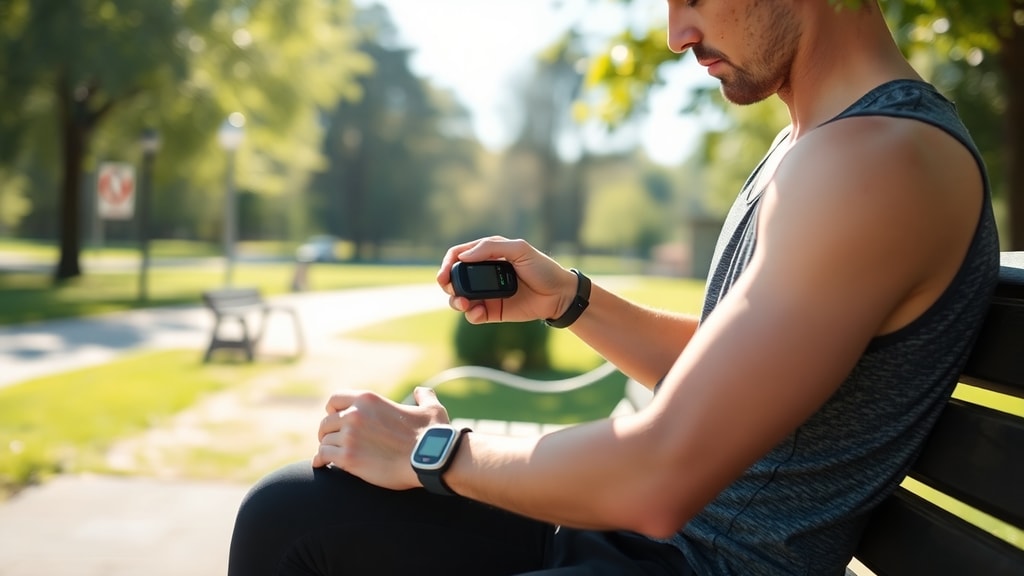
Turn on the oximeter and wait for the display to show a steady number. Usually this takes 10 to 30 seconds. Once the reading stabilizes, record the SpO2 percentage and heart rate. Some oximeters have a pulse bar or waveform that indicates good signal quality. If the number fluctuates wildly, check the fit of the clip and try again on a different finger. Note the time and date of the reading, especially if you are monitoring a trend.
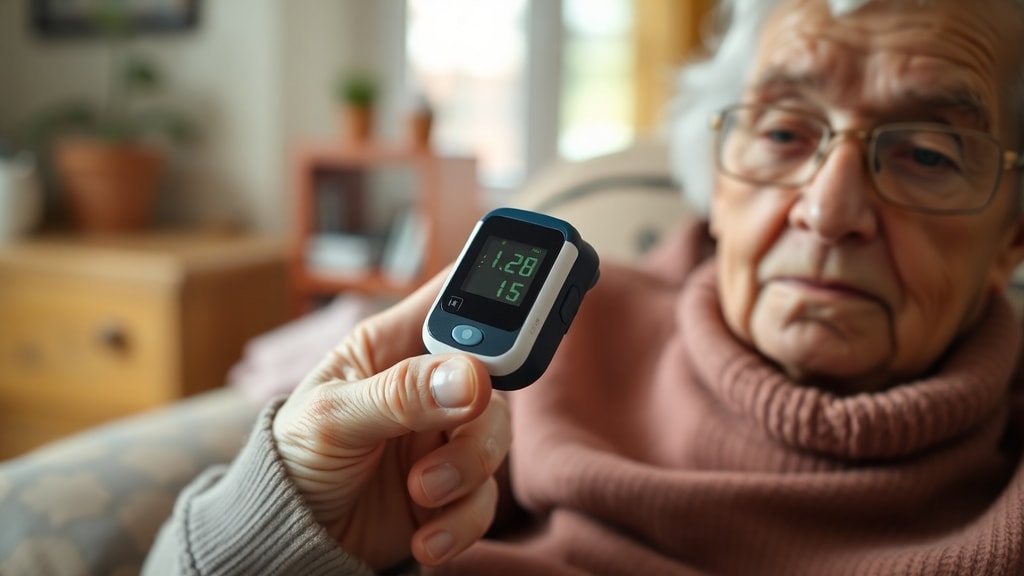
For home monitoring, it is often helpful to take readings several times a day and keep a log. Always compare the number with how you feel. If your SpO2 drops below 92 percent or if you have difficulty breathing, chest pain, or confusion, seek medical attention immediately. Remember that the oximeter is a screening tool, not a substitute for professional medical advice.
Interpreting Oximeter Results
Oxygen saturation values are given as a percentage. A normal reading for a healthy person at sea level ranges from 95 to 100 percent. A reading between 90 and 94 percent is considered borderline low and may require evaluation. Persistent readings below 90 percent indicate hypoxemia and are a medical emergency. However, people with chronic lung conditions like COPD may have baseline saturations of 88 to 92 percent, and their doctors set specific targets for them.
The heart rate displayed on the oximeter should also be interpreted within context. Normal resting heart rate for adults is 60 to 100 beats per minute, though athletes may have lower rates. If the heart rate is outside this range or very irregular, consult a healthcare provider. The following table shows typical ranges for SpO2 and heart rate in adults at rest.
| Measurement | Normal Range | Abnormal Range | Action |
|---|---|---|---|
| SpO2 (oxygen saturation) | 95%–100% | Below 92% | Monitor closely; seek help if below 90% |
| Heart rate | 60–100 bpm (adults) | Below 50 or above 100 bpm | Consult a doctor if persistent or symptomatic |
| SpO2 in COPD patients | 88%–92% (target) | Below target range | Adjust oxygen therapy as prescribed |
| Heart rate irregularity | Regular rhythm | Irregular rhythm | Medical evaluation recommended |
Use this table as a general guide. Always follow your doctor's advice for your specific condition.
Safety and Risks of Using an Oximeter
Pulse oximetry is considered a safe procedure with no known risks. The device uses low-intensity light and does not emit any radiation. It does not break the skin or cause pain. Because it is non-invasive, it can be used for continuous monitoring without harm. However, the clip may cause minor discomfort or pressure if left on the same finger for many hours. To avoid skin irritation, periodically move the sensor to a different finger or check for redness.
There is a risk of inaccurate readings if the device is used improperly, but this does not directly harm the patient. The greater risk lies in misinterpreting the numbers. For example, falsely high readings could delay necessary treatment, while falsely low readings could cause unnecessary panic. Therefore, it is crucial to understand the limitations of the device and to confirm any concerning results with a healthcare professional.
The U.S. Food and Drug Administration (FDA) provides consumer guidance on pulse oximeters, including safety tips and the importance of reading user manuals. They also advise that the device is not a substitute for professional medical care.
Choosing and Maintaining an Oximeter
When buying an oximeter, look for one that is cleared by the FDA or equivalent health authority. Inexpensive models can be reasonably accurate, but you should check user reviews and ensure the device has been validated in clinical studies. Features such as a bright display, adjustable alarm settings, and a silicone cover can improve usability. For home use, a basic fingertip pulse oximeter is usually sufficient.
To keep your oximeter working well, clean the sensor with a soft cloth dampened with mild soap and water after each use. Do not immerse the device in liquid. Replace the batteries as soon as the low battery indicator appears, because weak batteries cause inaccurate readings. Store the oximeter in a dry place at room temperature. Avoid exposing it to extreme heat, cold, or direct sunlight.
References
MedlinePlus. (2023). Pulsioximetría: Prueba de laboratorio. Retrieved from https://medlineplus.gov/spanish/pruebas-de-laboratorio/pulsioximetria/
American Thoracic Society. (2021). Oximetría de pulso (PDF). Retrieved from https://www.thoracic.org/patients/patient-resources/resources/spanish/pulse-oximetry.pdf
U.S. Food and Drug Administration. (2020). Oxímetros de pulso y concentradores de oxígeno: Lo que debe saber sobre la terapia de oxígeno en el hogar. Retrieved from https://www.fda.gov/consumers/articulos-para-el-consumidor-en-espanol/oximetros-de-pulso-y-concentradores-de-oxigeno-lo-que-debe-saber-sobre-la-terapia-de-oxigeno-en-el