Understanding the Autism Spectrum and the Shift to Levels
Autism Spectrum Disorder (ASD) is a neurodevelopmental condition that affects how a person communicates, interacts with others, and experiences the world. For many years, autism was divided into distinct subtypes such as Asperger's syndrome, autistic disorder, and pervasive developmental disorder not otherwise specified (PDD-NOS). However, in 2013, the American Psychiatric Association released the fifth edition of the Diagnostic and Statistical Manual of Mental Disorders (DSM-5), which fundamentally changed how autism is diagnosed. Instead of separate categories, all these conditions were unified under the single diagnosis of Autism Spectrum Disorder. This change reflected a growing understanding that autism exists on a continuum, with each person experiencing a unique combination of strengths and challenges. The DSM-5 introduced a new way to describe the intensity of autism by using three levels of severity. These levels are based on the amount of support a person needs to navigate daily life. The term grau de autismo, which translates to degree or level of autism, refers specifically to this classification system. It is important to note that these levels measure the need for support, not intelligence or capability. A person with a higher level of autism is not less intelligent, but rather requires more assistance in certain areas such as social communication and behavioral flexibility.

Level 1 Autism: Requiring Support
Level 1 autism is often described as requiring support. Individuals at this level can typically speak in full sentences and engage in everyday conversations, but they may struggle significantly with the nuances of social interaction. For example, they might find it difficult to make friends, initiate conversations, or understand social cues like tone of voice or body language. They often want to connect with others but feel uncertain about how to do so effectively. Another major challenge for people with Level 1 autism is coping with change. Unexpected disruptions to routines, such as a last-minute schedule change or an unplanned event, can cause considerable distress. They may also have difficulty switching between tasks or adapting to new environments. In many cases, individuals with Level 1 autism can live independently and hold jobs, but they benefit from explicit instruction in social skills, organizational support, and help with managing anxiety. It is also common for those at this level to have intense, focused interests that can be a source of joy and expertise. The key point is that while these individuals can function in many settings, they often need additional support to navigate social situations and manage life's unpredictability.

Level 2 Autism: Requiring Substantial Support
Level 2 autism is characterized by a need for substantial support. People at this level face more pronounced difficulties with both verbal and nonverbal communication. Even with help from others, their social interactions are limited. They may speak only in simple sentences or rely on alternative communication methods such as picture boards or speech-generating devices. Initiating interaction with others is often very challenging, and they may respond in ways that seem unusual or limited. In addition to communication challenges, behavioral rigidity is a significant feature of Level 2 autism. Individuals may become extremely distressed by minor changes in their routine or environment. They may engage in repetitive behaviors, such as hand-flapping, rocking, or repeating certain phrases, which can serve as a way to self-regulate. These behaviors are not signs of defiance but rather a coping mechanism for managing sensory overload or anxiety. People at Level 2 often have narrower interests than those at Level 1, and they may find it very difficult to shift focus away from a preferred activity. Daily living skills, such as dressing, eating, and personal hygiene, may require ongoing support and prompting. Many individuals at this level benefit from structured environments, consistent routines, and specialized educational or therapeutic interventions that address both communication and behavioral needs.
Level 3 Autism: Requiring Very Substantial Support
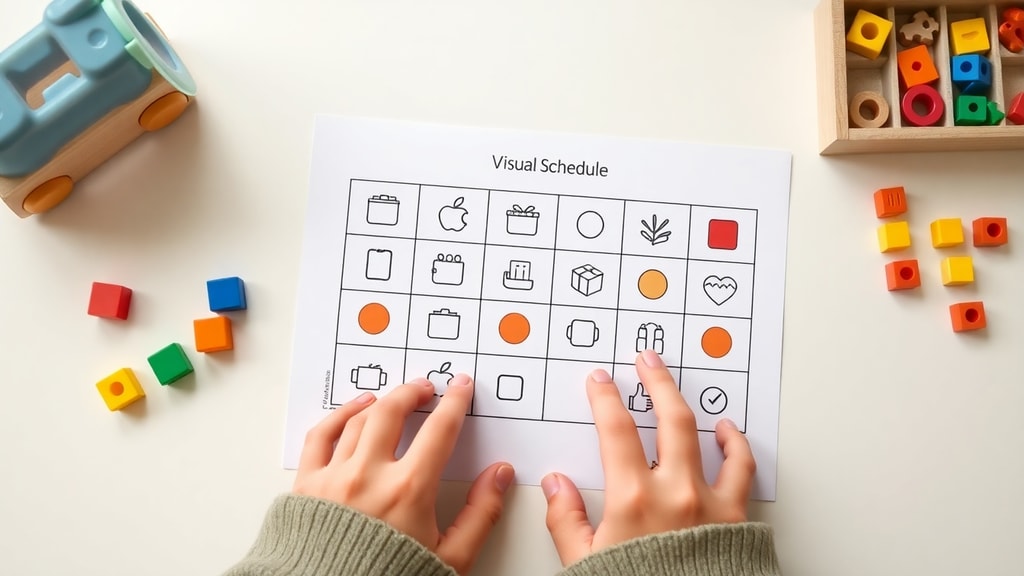
Level 3 autism represents the highest level of support need. Individuals at this level experience severe deficits in both verbal and nonverbal communication. They may speak very few words, if any, and their attempts to communicate are often limited to expressing basic wants or needs. Responding to social overtures from others is minimal, and they may not initiate social interaction at all. This level of autism requires very substantial support across all areas of daily life. People with Level 3 autism often need constant supervision and assistance with basic activities such as eating, bathing, dressing, and moving around safely. Behavioral challenges can be intense and may include self-injurious behavior, severe aggression, or extreme distress when routines are disrupted. These behaviors often stem from an inability to communicate discomfort, pain, or frustration in other ways. Sensory sensitivities are also typically very pronounced at this level, meaning that everyday sounds, lights, textures, or smells can be overwhelming and cause significant distress. Caregivers and professionals must work closely to create a highly structured, predictable, and calming environment. Interventions often focus on building basic communication skills, reducing distress, and improving quality of life through individualized support plans. It is crucial to recognize that individuals at Level 3 have the same inherent worth and potential for growth as anyone else, but they require intensive, specialized support to participate meaningfully in the world around them.

Comparing the Three Levels of Autism
To better understand the differences between the levels, the following table summarizes the key characteristics and support needs associated with each level of autism as defined by the DSM-5.

| Feature | Level 1: Requiring Support | Level 2: Requiring Substantial Support | Level 3: Requiring Very Substantial Support |
|---|---|---|---|
| Social Communication | Can speak in full sentences, but struggles with social cues and making friends. Difficulty initiating interactions. | Speaks in simple sentences or uses alternative methods. Limited social interactions even with support. | Very limited speech. Minimal response to social interaction. Does not initiate contact. |
| Behavioral Flexibility | Difficulty coping with change. Needs help with organization and planning. Repetitive behaviors cause some interference. | Marked distress when routines change. Frequent repetitive behaviors that are noticeable to others. | Extreme distress when facing change. Severe repetitive behaviors that dominate daily life. |
| Daily Living Skills | Can manage daily tasks with some support. Often lives independently or with minimal help. | Requires regular support for daily activities such as dressing, eating, and hygiene. | Needs constant supervision and assistance with all basic self-care activities. |
| Intervention Focus | Social skills training, therapy for anxiety, and organizational coaching. | Structured teaching, communication therapy, and behavioral support for routines. | Intensive behavior support, sensory integration therapy, and comprehensive care planning. |
Key Signs and Symptoms Across the Spectrum
While the levels describe the intensity of support needed, there are core signs and symptoms that are common across the entire autism spectrum. These signs fall into two main categories as outlined by the DSM-5: persistent deficits in social communication and interaction, and restricted, repetitive patterns of behavior, interests, or activities. Social communication challenges may include difficulty with back-and-forth conversation, reduced sharing of interests or emotions, and trouble understanding relationships. Some individuals may avoid eye contact, have atypical facial expressions, or struggle to use gestures to support their speech. On the behavioral side, signs can include repetitive movements like hand-flapping or spinning, insistence on sameness, highly restricted interests that are unusually intense, and unusual responses to sensory input. It is important to remember that every person with autism is unique. Two individuals with the same level of autism can present very differently. For instance, one person at Level 2 may have strong language skills but severe behavioral rigidity, while another at the same level may speak very little but be more adaptable in routine. The level assigned to a person is not a fixed label and can change over time with appropriate interventions, skill development, and environmental support. Early diagnosis and tailored support can significantly improve long-term outcomes.
How Support Needs Are Assessed
The process of determining a person's level of autism involves a comprehensive evaluation by a qualified professional, such as a developmental pediatrician, child psychiatrist, or clinical psychologist. There is no single test that assigns a level. Instead, clinicians use a combination of observation, interviews with caregivers, and standardized assessment tools to understand how the individual functions in everyday life. The assessment looks at how much support the person needs in social communication and in managing restricted or repetitive behaviors. It also considers how these challenges affect the person's ability to function at home, at school, at work, and in the community. The level is not based on intelligence quotient (IQ) or academic ability. A person with a high IQ can still be assigned Level 2 if their social and behavioral challenges require substantial support. Likewise, a person with intellectual disability may function at Level 1 if their social communication and flexibility needs are relatively low. The following list outlines some of the key factors that professionals consider when assessing the level of autism.
- The quality and frequency of the person's attempts to initiate and respond to social interactions.
- The degree of difficulty adapting to change and the severity of distress when routines are disrupted.
- The extent to which repetitive behaviors interfere with daily activities and learning.
- The person's ability to communicate basic needs, wants, and feelings to familiar and unfamiliar people.
- The level of assistance required for self-care tasks such as eating, dressing, and personal hygiene.
- The presence of co-occurring conditions such as anxiety, depression, or sensory processing disorder that may increase support needs.
Moving Beyond the Levels
While the three-level system is a useful clinical tool, it is essential to see the person behind the level. A level of autism is not a judgment of worth or potential. It is simply a way to describe the type and amount of support a person may benefit from at a given point in their life. Many adults and self-advocates within the autism community have expressed concerns that the level system can lead to stereotyping or oversimplification. They emphasize that every person is more than their diagnosis and that the goal of support should always be to enhance quality of life, self-determination, and personal fulfillment. For families, teachers, and professionals, understanding the grau de autismo can help in planning appropriate educational programs, therapies, and daily routines. It provides a common language for discussing needs across different settings, such as schools and healthcare systems. It is also important to recognize that support needs can change over time. With early intervention, effective teaching strategies, and a supportive environment, many individuals can move toward greater independence. For more detailed information about the DSM-5 criteria and levels of autism, you can refer to the comprehensive resources provided by the National Institute of Mental Health, which offers a thorough overview of the diagnostic framework and current research. Additionally, the World Health Organization provides valuable global perspectives on prevalence and support strategies. By combining clinical knowledge with respect for individual differences, we can create a world that better understands and embraces neurodiversity.
References
American Psychiatric Association. (2013). Diagnostic and Statistical Manual of Mental Disorders (5th ed.). Arlington, VA: American Psychiatric Publishing. This manual establishes the three-level classification system for autism spectrum disorder based on support needs. Autism Speaks. (n.d.). What Is Autism? Levels of Autism. Retrieved from autismspeaks.org. This source offers accessible explanations of the DSM-5 levels and guidance for families seeking support for individuals across the spectrum. World Health Organization. (2023). Autism Spectrum Disorders Fact Sheet. Retrieved from who.int. This fact sheet provides global prevalence data, including the estimate that 1 in 127 children is diagnosed with ASD, and discusses the spectrum model as defined by the DSM-5 and ICD-11. National Institute of Mental Health. (n.d.). Autism Spectrum Disorder Overview. Retrieved from nimh.nih.gov. This government resource outlines the official U.S. perspective on diagnosis, the shift from subtypes to a unified spectrum, and current research directions.