What is Pilates and Why It Works for Beginners
Pilates is a low-impact physical and mental exercise method developed by Joseph Pilates in the early twentieth century. It focuses on strengthening the powerhouse, which includes the abdominal muscles, lower back, hips, and glutes. This method also emphasizes flexibility, coordination, and controlled breathing. For beginners, Pilates offers a gentle yet effective way to build body awareness and improve overall fitness without putting excessive strain on the joints. The exercises are designed to be accessible, allowing anyone to start at their own pace. As a beginner, you can expect to learn foundational movements that engage your core and teach you how to move with purpose. Many people find Pilates appealing because it requires no previous exercise experience and can be adapted to various fitness levels. The method’s low-impact nature makes it particularly suitable for those recovering from injuries or looking for a sustainable long-term practice. By focusing on quality of movement over quantity, Pilates helps beginners develop a strong mind-body connection that supports overall health. The principles of concentration, centering, control, breathing, precision, and fluidity guide every session, ensuring that each movement is performed with intent and care. These principles are the backbone of the method and are taught from the very first class.
The Core Principles of Pilates for Beginners
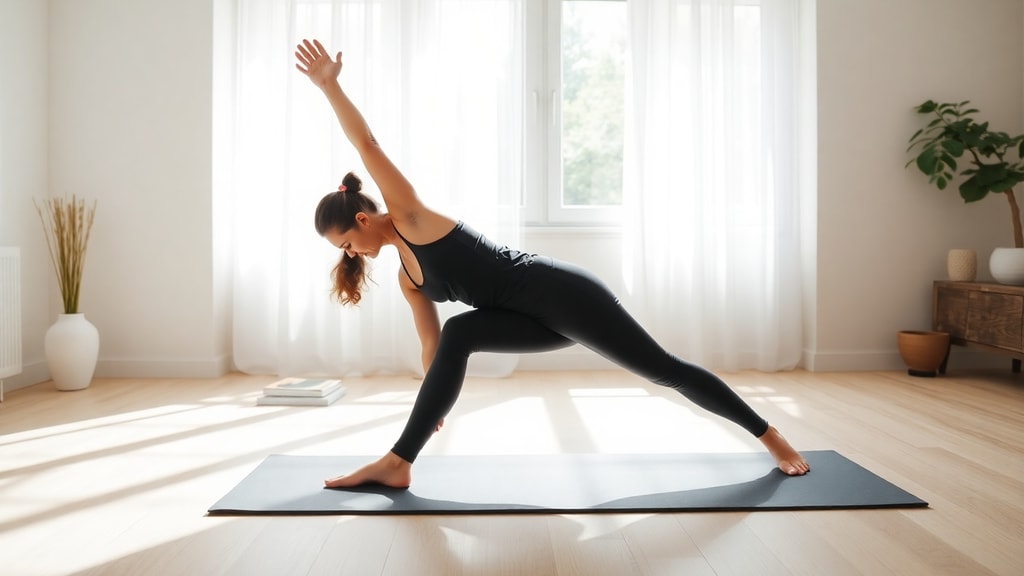
Understanding the six fundamental principles of Pilates is essential for anyone starting the practice. Concentration requires you to focus your mind on each movement, engaging the target muscles effectively. Centering involves drawing energy to the core, often referred to as the powerhouse, which is the center of all movement. Control means that every exercise is performed with deliberate and precise muscle engagement rather than momentum. Breathing in Pilates is deep and coordinated with movement, usually through a lateral breathing technique that allows the ribs to expand outward. Precision ensures that each position and transition is executed correctly to maximize benefits and reduce injury risk. Fluidity brings all movements together in a smooth, continuous flow, eliminating jerky or rushed actions. For beginners, these principles may feel unfamiliar at first, but they become intuitive with regular practice. Focusing on these elements helps transform simple exercises into powerful tools for body conditioning. When you apply concentration and control, even basic movements like pelvic tilts or leg slides become more effective. The breathing component also aids in relaxation and stress reduction, which is a welcome benefit for many newcomers. As you progress, you will notice how centering your mind and body during practice carries over into daily activities, improving posture and movement efficiency. Embracing these principles from the start will lay a solid foundation for your Pilates journey.
Equipment Needed to Start Pilates as a Beginner
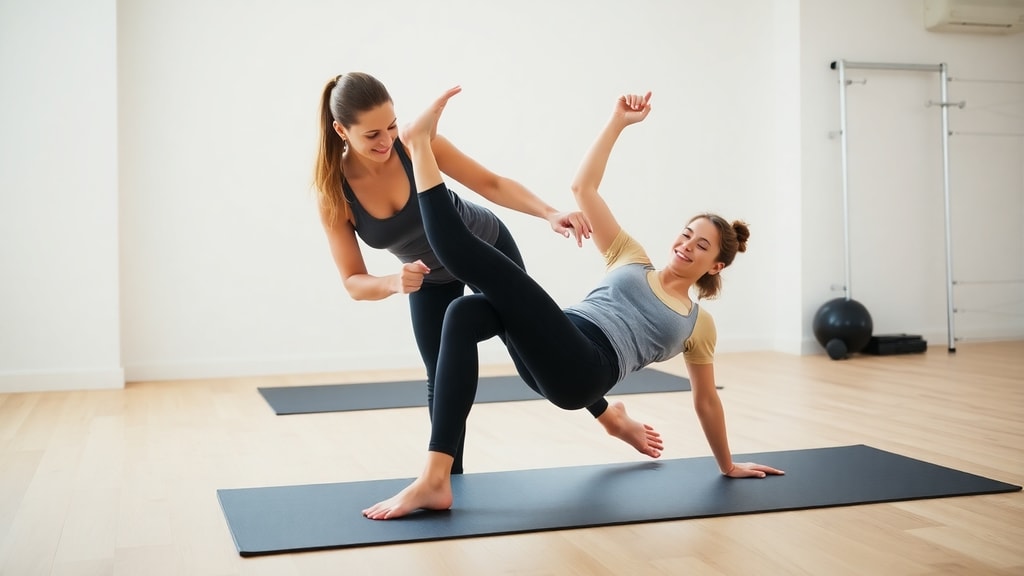
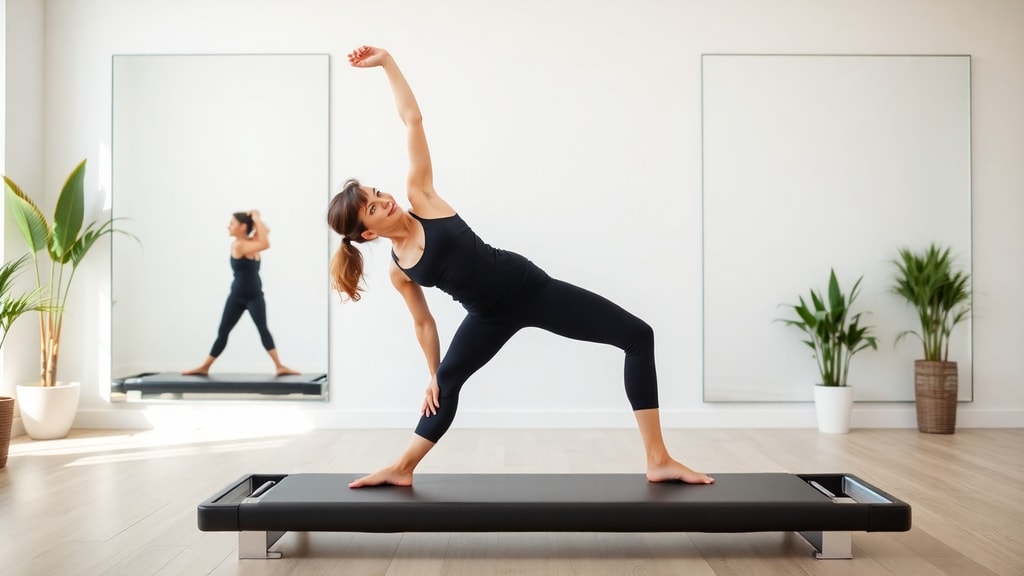
One of the most appealing aspects of Pilates for beginners is that you do not need expensive or bulky equipment to begin. The most common starting point is Mat Pilates, which requires only a comfortable exercise mat. Your own body weight provides sufficient resistance for many foundational exercises. Optional accessories like a small towel, a yoga block, or a resistance band can enhance comfort and variety, but they are not mandatory. More advanced equipment such as the Reformer, Wunda Chair, or Cadillac is typically found in specialized studios and used in later stages of practice. These machines use springs and pulleys to add resistance and support, but they are not necessary for learning the basics. For home practice, a quiet space where you can lie down and extend your arms and legs freely is enough. Investing in a good quality mat with adequate thickness can make floor exercises more comfortable. Wearing fitted clothing that allows you to move freely and does not restrict your range of motion is also recommended. As a beginner, focusing on Mat Pilates helps you build proper form and body awareness before introducing additional equipment. Many instructors recommend starting with mat work to understand the core principles thoroughly. This approach ensures that when you do encounter machines later, you will have a strong foundation to build upon. The simplicity of equipment required makes Pilates an accessible option for anyone wanting to start a fitness routine at home or in a class setting.
How Often Should Beginners Practice Pilates
For those new to Pilates, consistency is more important than intensity. The recommended frequency for beginners is two to three sessions per week. This schedule allows your body to adapt to the new movements while providing enough rest for muscle recovery and growth. Practicing three times a week can help establish a routine without overwhelming your schedule or fatiguing your muscles. Each session can last from thirty to forty-five minutes, which is sufficient to cover essential exercises without causing burnout. As you become more comfortable with the movements, you may choose to increase frequency or duration. However, starting with two sessions per week is perfectly adequate and can still yield noticeable improvements in posture, flexibility, and core strength within a few weeks. It is important to listen to your body and avoid pushing through pain or exhaustion. Rest days are just as valuable as practice days because they allow your muscles to repair and strengthen. Consistency also helps reinforce the mind-body connection that Pilates emphasizes. Over time, you will likely find that your body craves the regular movement and mental focus that these sessions provide. Many beginners report feeling more energetic and less stressed after committing to a consistent practice. Setting a realistic schedule that fits your lifestyle will increase the likelihood of sticking with Pilates long term. Whether you practice at home or attend classes, maintaining a steady rhythm will accelerate your progress and deepen your understanding of the method.
Key Benefits of Pilates for New Practitioners
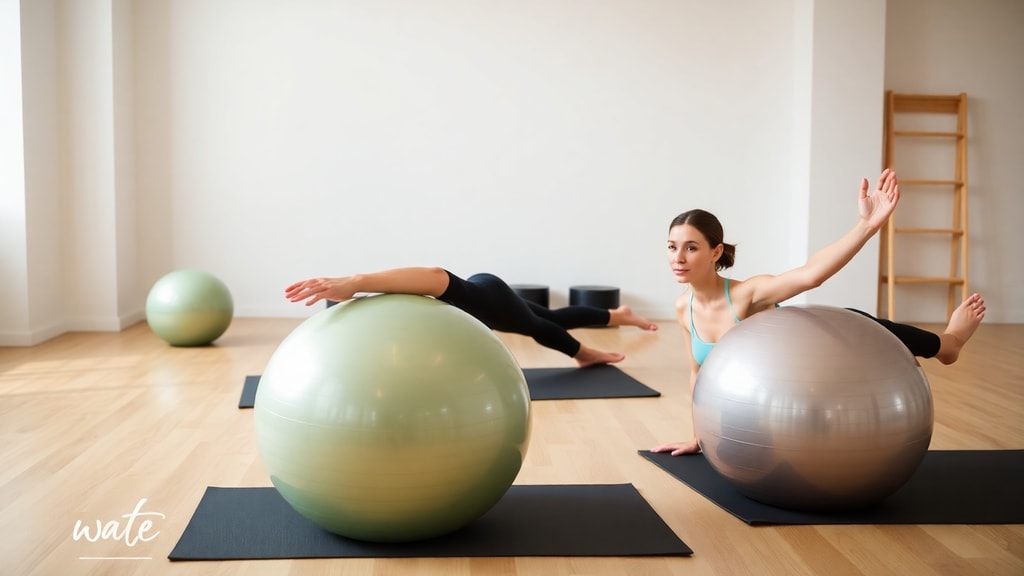
Pilates offers a wide range of benefits that are particularly valuable for beginners. Improved body awareness is one of the first benefits you will notice as you learn to isolate and engage specific muscles. This heightened awareness often leads to better posture in everyday activities, such as sitting at a desk or standing in line. Core strength increases steadily, providing better support for your spine and reducing the risk of back pain. Flexibility also improves as your muscles lengthen through controlled stretches. Many beginners experience reduced stress levels because Pilates encourages focused breathing and mindful movement. The low-impact nature of the exercises means that joints are not subjected to pounding or jarring forces, making it a safe option for people of all ages and fitness levels. Balance and coordination are enhanced through exercises that require stability and control. Toning of the muscles, particularly in the abdomen, hips, and thighs, occurs without adding bulk, creating a leaner appearance. Another significant benefit is injury prevention; by strengthening the stabilizing muscles around joints, you reduce the likelihood of strains and sprains. The mental discipline developed during practice can also improve concentration in other areas of your life. Because Pilates is scalable, beginners can progress at their own pace, celebrating small achievements along the way. The sense of accomplishment from mastering a new movement or improving form can be highly motivating. Overall, Pilates provides a holistic approach to fitness that nurtures both the body and the mind.
Beginner Pilates Exercises to Try at Home
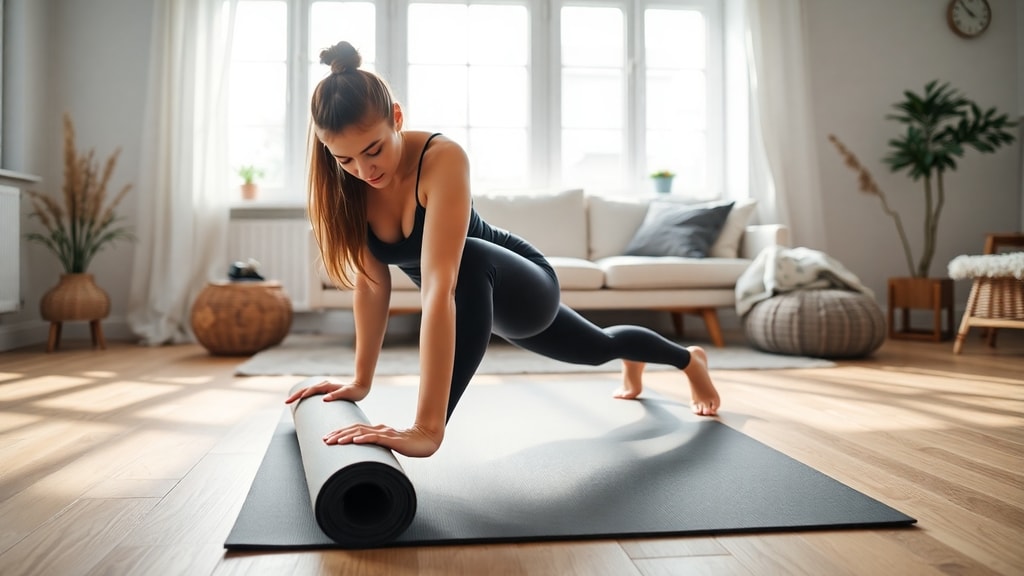
Starting with simple exercises helps build confidence and ensures proper form. Below is a list of foundational Pilates movements that are ideal for beginners:
- The Hundred: Lie on your back with knees bent and feet flat. Lift your head and shoulders off the mat while extending your arms forward. Pump your arms up and down as you inhale for five counts and exhale for five counts, reaching a total of ten cycles.
- Pelvic Curl: Lie on your back with knees bent and feet hip-width apart. Inhale to prepare, then exhale as you slowly peel your spine off the mat, lifting hips toward the ceiling. Inhale at the top, then exhale as you roll back down vertebra by vertebra.
- Leg Slides: Lie on your back with knees bent and feet flat. Keep your spine neutral as you slowly slide one leg along the floor until it is straight, then slide it back to the starting position. Repeat on the other side while maintaining core engagement.
- Cat-Cow Stretch: Start on your hands and knees with a neutral spine. Inhale as you drop your belly and lift your head and tailbone toward the ceiling for the cow position. Exhale as you round your back like an angry cat, tucking your chin and pelvis.
- Knee Folds: Lie on your back with knees bent and feet flat. Place your hands on your hip bones. Exhale as you lift one knee toward your chest without moving your hips. Inhale as you lower the foot back down. Alternate legs with control.
- Side-Lying Leg Lifts: Lie on your side with legs stacked and head resting on your lower arm. Keep your hips stacked as you lift your top leg toward the ceiling with control, then lower it slowly. Repeat on the other side.
Safety Tips and Considerations for Beginners
Safety is paramount when starting any new exercise routine. Beginners with pre-existing conditions or chronic pain should consult a healthcare professional before beginning Pilates. It is also wise to inform your instructor about any injuries or limitations if you attend classes. Always warm up before your session with gentle movements that prepare the muscles and joints. Maintain proper alignment throughout exercises to avoid unnecessary strain on the neck, lower back, or knees. Focus on controlled, smooth movements rather than speed or depth. If you feel sharp pain, stop immediately and evaluate your form. Using a mat that provides adequate padding can prevent discomfort during floor exercises. Stay hydrated and breathe consistently, never holding your breath during movements. For home practice, consider following guided videos from reputable sources or using structured beginner programs. Progress gradually, and do not rush into advanced exercises before mastering the basics. Listening to your body is essential; what feels challenging today may become easier with time. Remember that Pilates is about quality of movement, so prioritize proper form over an impressive range of motion. With patience and consistency, you will build strength and confidence safely.
Comparison of Pilates and Other Exercise Methods
Understanding how Pilates compares to other popular exercise methods can help beginners decide if it is the right fit. The table below highlights key differences between Pilates, yoga, and strength training for beginners.
| Aspect | Pilates | Yoga | Traditional Strength Training |
|---|---|---|---|
| Primary Focus | Core strength, stability, and controlled movement | Flexibility, balance, and mindfulness through poses | Building muscle mass and increasing strength via weights |
| Impact Level | Low impact | Low to moderate impact | Moderate to high impact depending on exercises |
| Equipment Required | Mat, optional small props | Mat, optional blocks or straps | Dumbbells, barbells, machines, weight bench |
| Breathing Technique | Lateral breathing coordinated with movement | Deep diaphragmatic breathing during poses | Generally exhale on exertion, inhale on release |
| Typical Session Length | 30 to 45 minutes | 30 to 60 minutes | 45 to 60 minutes |
How to Begin Your Pilates Journey
Starting Pilates as a beginner is straightforward and can be done in several ways. You can join a local class led by a certified instructor who can provide hands-on corrections and guidance. Many community centers, gyms, and specialized studios offer beginner-friendly sessions. Alternatively, online platforms provide a wealth of resources for home practice, including instructional videos and structured programs. For more information on the origins and benefits of Pilates, you can visit Revista Pilates Brazil for a comprehensive beginner guide. Another helpful source is Saberviver Portugal, which offers practical tips for starting Pilates. When selecting a class or video, look for terms like beginner Pilates, introductory Pilates, or Pilates for new practitioners. Pay attention to the instructor's cues about alignment and breathing. If you practice at home, set up your space with a mat and a towel, and ensure you have enough room to move freely. Start with the exercises listed earlier, focusing on performing them correctly rather than quickly. Over time, you can increase repetitions, hold positions longer, or explore new exercises. Keep a journal of your practice to track progress and note how your body feels. Joining online communities or forums can provide support and motivation. Remember that Pilates is a journey, not a destination, and every session is an opportunity to learn something new about your body.
References
For further reading and to confirm the information presented in this article, the following sources were consulted. Revista Pilates Brazil provides a detailed beginner guide covering the history and fundamentals of Pilates. Saberviver Portugal offers practical advice for starting Pilates practice with a focus on the core principles. Conecta Fitness Portugal includes recommendations for equipment and frequency for beginners. Pilates Anytime Global discusses the benefits of Pilates for newcomers and the importance of body awareness. These resources are reliable and offer additional insights for anyone beginning their Pilates journey.