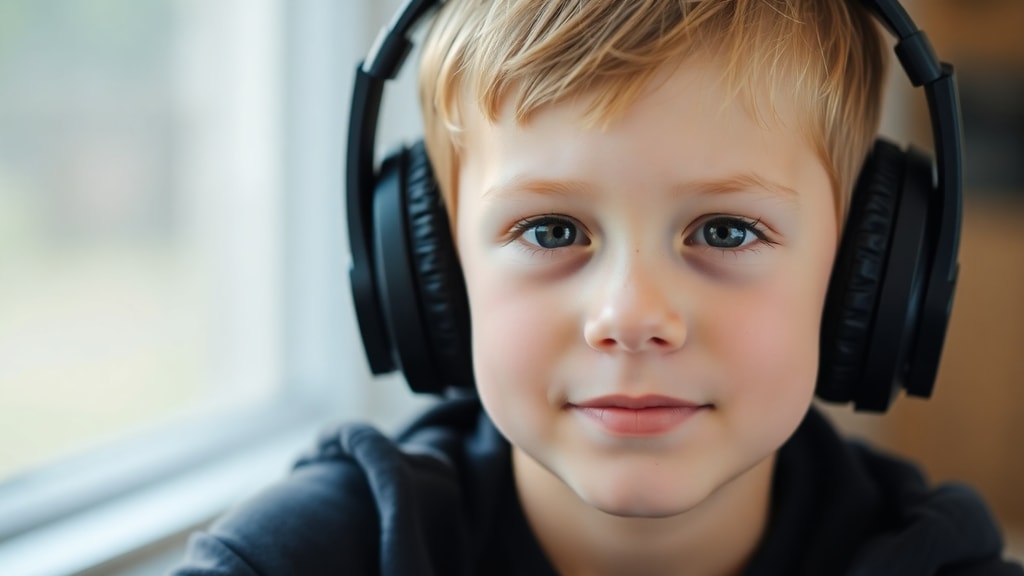
Understanding the Spectrum of Autism Symptoms
Autism spectrum disorder is a neurodevelopmental condition that affects how a person communicates, interacts with others, and experiences the world around them. The term spectrum is used because the symptoms vary widely from one person to another. Some individuals may require significant support in their daily lives, while others live independently and may not even realize they are on the spectrum until adulthood. Recognizing the signs early is crucial because it opens the door to interventions that can improve quality of life. While there is no cure for autism, early diagnosis and tailored support can make a profound difference in developing communication skills, managing sensory issues, and building social connections. This article explores the core symptoms of autism, the early indicators that parents and caregivers should watch for, and the importance of timely evaluation. We will also address how autism presents in adults, as many people are diagnosed later in life after years of feeling different without a clear explanation.
Communication and Social Interaction Deficits
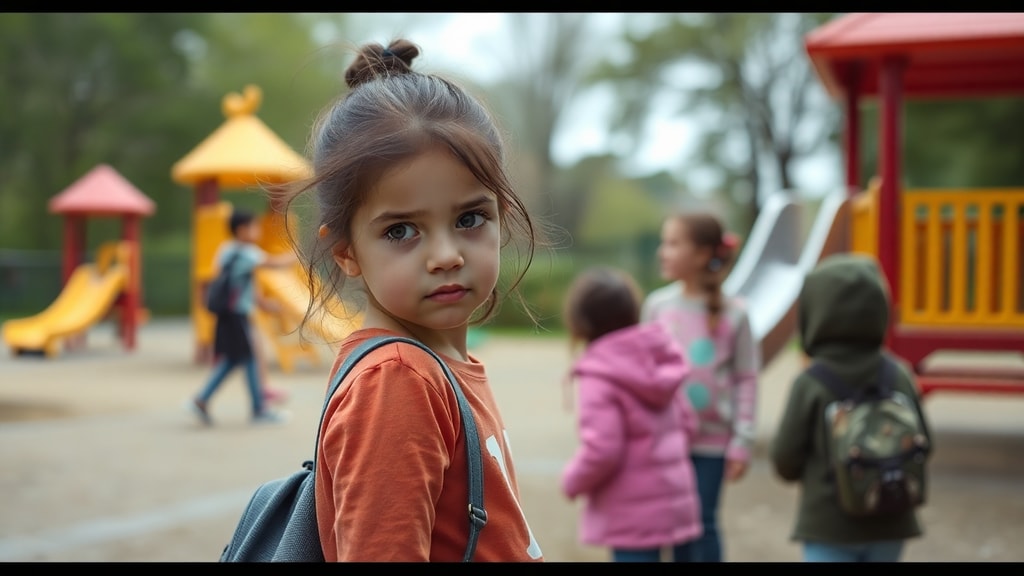
Difficulties with social communication are among the hallmark signs of autism. These challenges often appear early in life and persist into adulthood. Young children with autism may not respond to their name when called, avoid eye contact, or show little interest in playing with other children. They may not engage in what is known as joint attention, which is the ability to share focus on an object or event with another person. For example, a typically developing child might point at an airplane in the sky and then look at their parent to share the experience. A child with autism may not point at all or may point only to request something rather than to share interest. As they grow older, difficulties become more nuanced. They may struggle to understand sarcasm, figurative language, or non-verbal cues such as facial expressions and tone of voice. Conversations can feel one-sided, with the person talking at length about a favorite topic without noticing the listener's disinterest. Social reciprocity, the natural back-and-forth of interaction, is often impaired. This does not mean that individuals with autism do not want to connect with others; many deeply desire friendship and belonging but lack the intuitive skills to navigate social situations smoothly. These deficits can lead to isolation, anxiety, and misunderstandings in relationships. It is important to understand that these behaviors are not signs of rudeness or defiance but are rooted in neurological differences that affect how the brain processes social information.
Repetitive Behaviors and Restricted Interests
Another core area of autism symptoms involves repetitive behaviors and narrowly focused interests. This can manifest in many ways. Some children line up toys or household objects with intense precision and become upset if the order is disrupted. Others engage in repetitive movements such as hand flapping, rocking back and forth, or spinning. These behaviors, often called stimming, serve a self-regulatory function. They can help the person calm down when overwhelmed or express excitement. Changes in routine can cause extreme distress. A simple deviation from a daily schedule, such as taking a different route to school or eating dinner at a different time, may trigger a meltdown. Restricted interests are another common feature. A person with autism may become intensely focused on a specific topic, such as trains, dinosaurs, or a particular video game, and want to learn everything about it. They may talk about it incessantly and have difficulty shifting their attention to other subjects. While having a passionate interest is not inherently negative, the intensity and inflexibility can interfere with social interactions and daily functioning. These behaviors are not just quirks they are fundamental aspects of how the autistic brain processes information and seeks predictability in a world that can feel chaotic. Understanding these patterns is essential for caregivers and educators who can use the person's interests as a bridge for learning and connection.
Here is a list of common repetitive behaviors and restricted interests observed across the autism spectrum:
Alarming objects in precise lines or patterns

Intense distress over minor changes in routine or environment
Repetitive body movements like hand flapping, rocking, or pacing
Highly fixed interests that dominate conversation and free time
Echolalia, or repeating words or phrases without apparent communicative intent
Insistence on sameness, such as eating the same foods or wearing the same clothes

Atypical Sensory Responses
Sensory processing differences are extremely common in autism and can affect any of the senses. An individual may be hypersensitive, meaning they are overly sensitive to stimuli that others barely notice. For instance, a child might cover their ears at the sound of a vacuum cleaner, refuse to wear certain clothing because the fabric feels scratchy, or become overwhelmed in a brightly lit supermarket. On the other hand, some individuals are hyposensitive and seek out intense sensory input. They may crave deep pressure, spin for long periods without getting dizzy, or fail to notice pain or extreme temperatures. These sensory responses can be confusing to observers who do not understand that the person is experiencing the world in a fundamentally different way. Atypical sensory responses can lead to avoidance behaviors or meltdowns in environments that feel overwhelming. They also influence daily activities such as eating, bathing, and sleeping. For example, a child may reject foods based on texture rather than taste, leading to a very limited diet. Sensory sensitivities can persist into adulthood and may contribute to social anxiety and fatigue. Recognizing these patterns is critical for creating supportive environments. Simple adjustments like using noise-canceling headphones, providing weighted blankets, or allowing breaks in a quiet space can make a significant difference. The neurological basis for these sensory differences is still being studied, but they are now recognized as a core feature of autism, not just a secondary issue.
Early Signs in Infants and Toddlers
Many parents begin to notice signs of autism in the first two years of life. Early indicators can be subtle, but they are important to recognize because early intervention has the greatest impact. By six months, some infants show reduced eye contact and limited facial expressions. By twelve months, a child may not respond to their name, avoid pointing or waving, and show little interest in social games like peek-a-boo. By eighteen months, the lack of joint attention becomes more apparent. The child may not look where others are pointing or bring objects to show a parent. Language development may be delayed, or the child may lose words they previously used. Some toddlers line up toys repetitively or become fascinated with spinning objects. They may be unusually sensitive to sounds or textures. It is important to note that not all children with autism show these signs, and some develop typically for the first year or two before regressing. The Centers for Disease Control and Prevention recommends that all children be screened for autism at 18 and 24 months during well-child visits. Parents who have concerns should trust their instincts and seek evaluation. An earlier diagnosis allows families to access therapies that support communication, social skills, and adaptive behavior. Waiting to see if a child outgrows the signs is not recommended, because the window for optimal intervention is narrow. For more detailed information on early developmental milestones and screening tools, you can visit the CDC autism resources page for reliable guidance.
The table below summarizes key developmental differences between typical infant behavior and early signs of autism during the first two years.
Age Range
Typical Development
Possible Autism Signs
0-6 months
Makes eye contact, responds to sound, smiles socially
Limited eye contact, reduced facial expression, little response to sound
6-12 months

Babbles, imitates sounds, responds to name, plays social games
No babbling, does not respond to name, avoids imitation, no interest in peek-a-boo
12-18 months
Points to request or show, says first words, engages in simple pretend play
No pointing, no words or loss of words, unusual toy use like lining objects

18-24 months
Uses two-word phrases, shows joint attention, follows simple instructions
Limited language, no joint attention, repetitive movements, intense distress over change
Adult-Specific Symptoms and Challenges
Many adults receive an autism diagnosis later in life, sometimes after their own child is diagnosed or after years of struggling with social anxiety, employment issues, and relationship difficulties. The symptoms in adults may be more subtle or better masked through learned coping strategies, but the underlying challenges remain. Adults with autism often have difficulty with social reciprocity. They may not know how to initiate or maintain conversations in a way that feels natural to others. They might take language literally and miss irony or sarcasm. Sensory overload is a common problem, and many adults report feeling exhausted after social events due to the effort required to process sensory input and social cues. Rigid adherence to routines can make it difficult to adapt to unexpected changes, whether in the workplace or at home. Many autistic adults have intense, focused interests that they pursue with great depth, sometimes leading to success in specialized careers, but this same intensity can also cause burnout. Anxiety and depression are common co-occurring conditions, partly due to the stress of navigating a world not designed for them. Recognizing autism in adulthood can be life-changing. It provides a framework for understanding one's own experiences and accessing appropriate support. Therapies for adults often focus on social skills training, sensory management, and cognitive behavioral strategies to address anxiety. If you suspect you may be on the spectrum, seeking an evaluation from a professional knowledgeable about adult autism is a valuable step. For more insights into how autism presents in adults, you can read about autism in adults to understand the signs and support options available.
Causes and the Importance of Early Diagnosis
The exact causes of autism are not fully understood, but research points to a combination of genetic and environmental factors. There is no single gene that causes autism; rather, many genes are involved, and their interactions with environmental influences during critical developmental periods likely determine whether a person develops the condition. Advanced parental age, certain prenatal exposures, and birth complications have been associated with increased risk, but these are correlations, not direct causes. What is clear is that autism is not caused by parenting style, vaccines, or diet. Understanding the causes helps reduce stigma and directs research toward better interventions. Early diagnosis remains one of the most powerful tools for improving outcomes. When autism is identified in early childhood, families can access behavior therapy, speech therapy, occupational therapy, and social skills training. These interventions are most effective when the brain is still highly plastic in the first few years of life. Early diagnosis also helps parents understand their child's needs and adjust their expectations and parenting strategies accordingly. For schools, early identification allows for individualized education plans that accommodate the child's learning style. In adulthood, a diagnosis can bring clarity and self-compassion, replacing years of self-blame. The journey to diagnosis is not always easy, but it is a critical step toward building a life that honors the person's strengths and provides the support they need to thrive.
References
Centers for Disease Control and Prevention. Autism Spectrum Disorder. Available at: cdc.gov/autism
National Institute of Child Health and Human Development. Autism Topics. Available at: nichd.nih.gov/salud/temas/autism
Wikipedia contributors. Trastornos del espectro autista. Available at: es.wikipedia.org/wiki/Trastornos_del_espectro_autista
ASM Barcelona. Information on Autism. Available at: asm.edu/autismo
Unobravo. Autism in adults. Available at: unobravo.com/es/blog/autismo-en-adultos