Understanding the Basics of CD Drive Operation
Opening a CD drive drawer from a PC is a task that many users encounter, whether for installing software, playing media, or backing up data. The process is generally straightforward, but it can vary depending on the type of computer you have and the operating system you use. This article will guide you through multiple methods to eject your optical drive tray, covering everything from physical buttons to software commands. Understanding these options ensures you can access your discs even when the standard method fails.
Most modern desktop computers and laptops include an optical disc drive, though many newer models omit this feature to save space. If your PC has one, it is typically a DVD-RW or Blu-ray drive. The drawer, often called a tray, holds the disc and slides out when you need to insert or remove a CD, DVD, or Blu-ray. The primary ways to open this drawer involve using a physical button, software controls, or even command-line tools. In rare cases, you might need to resort to manual methods if the drive is stuck or malfunctioning.
Using the Physical Eject Button
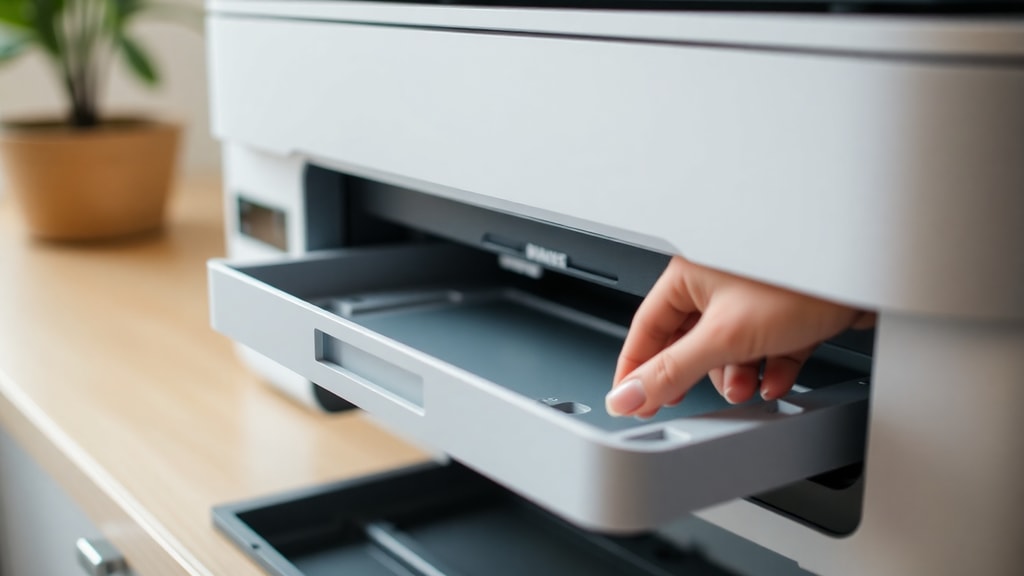
The most direct method to open the CD drive drawer is by pressing the physical eject button located on the drive itself. This button is usually a small, rectangular or circular button situated on the front bezel of the drive, often marked with a triangle or an upward-pointing arrow. On desktop towers, the drive is typically located at the top of the front panel, while on laptops, it is often on the right or left side of the chassis.
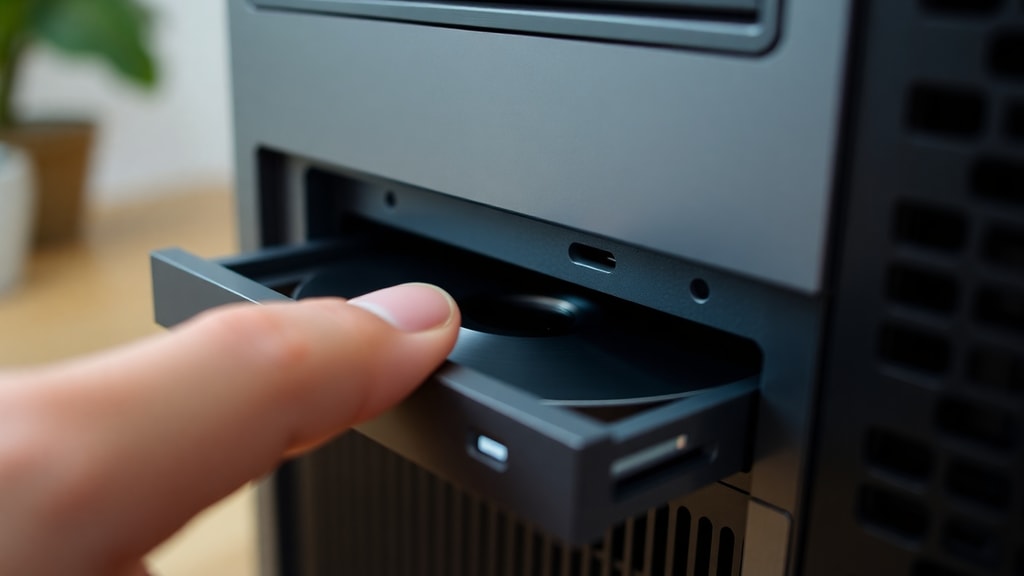
When you press this button, a mechanical switch triggers the drive motor to unlock and push the tray outward. It is a reliable method because it requires no software interaction and works even if your operating system has crashed. However, some users find the button difficult to locate, especially on older or compact drives. If you hear a click but the drawer does not open, the drive might be unpowered or mechanically jammed. In such cases, other methods may be necessary.
Opening the Drive via File Explorer in Windows
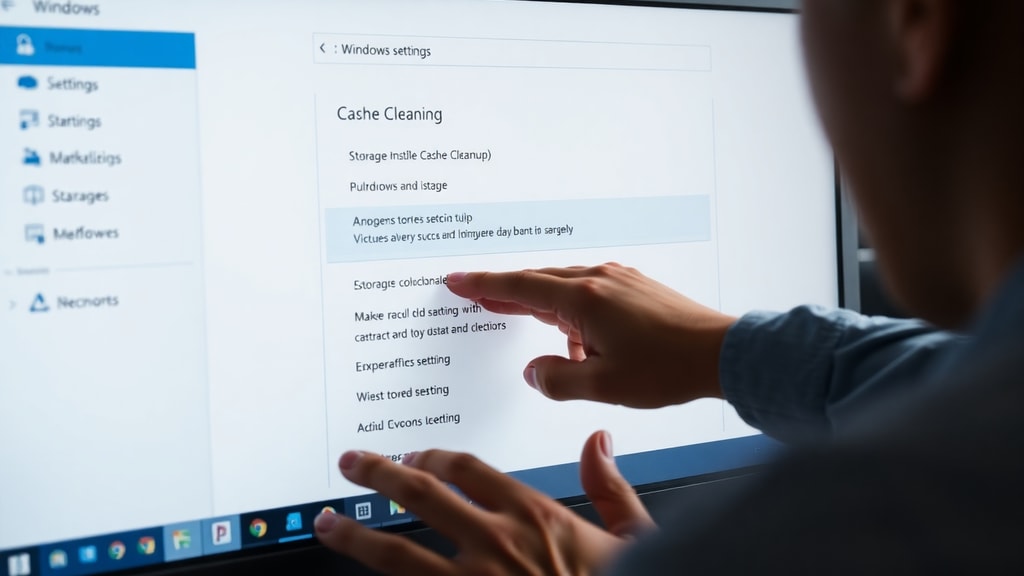
If you prefer a software-based approach, Windows offers a simple way to eject the CD drive using File Explorer. This method is especially useful if your computer is already running and you want to avoid reaching around to press the physical button. To start, open File Explorer by clicking the folder icon on your taskbar or pressing the Windows key plus E on your keyboard.
In the left sidebar or the main window, locate the section called "This PC" or "My Computer." You should see a list of drives under the "Devices and drives" category. Find the entry for your optical drive, which is usually labeled as "DVD Drive" or "CD Drive" and often displays a disc icon. Right-click on this drive icon and select "Eject" from the context menu. The drawer will slide out automatically. This command sends a software signal to the drive controller, mimicking the physical button press. It works on all versions of Windows, including Windows 10 and Windows 11.
Using Keyboard Shortcuts for Quick Access
Some keyboards, particularly on laptops, include a dedicated key for ejecting the optical drive. This key often features an upward-pointing triangle followed by a horizontal line. On many laptops, you may need to press the Fn key in combination with another function key to trigger the eject command. For example, a common combination is Fn plus F12 or Fn plus the E key, depending on the manufacturer.
If your keyboard does not have an explicit eject button, you can create your own shortcut using Windows built-in tools. One workaround involves using the Send To menu or creating a desktop shortcut. Right-click on an empty area of your desktop, select New, then Shortcut. In the location field, type "eject" followed by the drive letter in quotes, such as "eject D:" without quotes. This command will run in the background when you double-click the shortcut. While not a physical key, it provides a similar level of convenience for frequent users.
Command Line Method for Advanced Users
For users comfortable with typing commands, the Command Prompt offers a powerful way to eject the CD drive. This method is useful when the graphical interface is unresponsive or when you need to automate tasks. To begin, open the Command Prompt by typing "cmd" in the Windows search bar and pressing Enter. You can also right-click the Start button and select "Command Prompt" or "Windows Terminal."
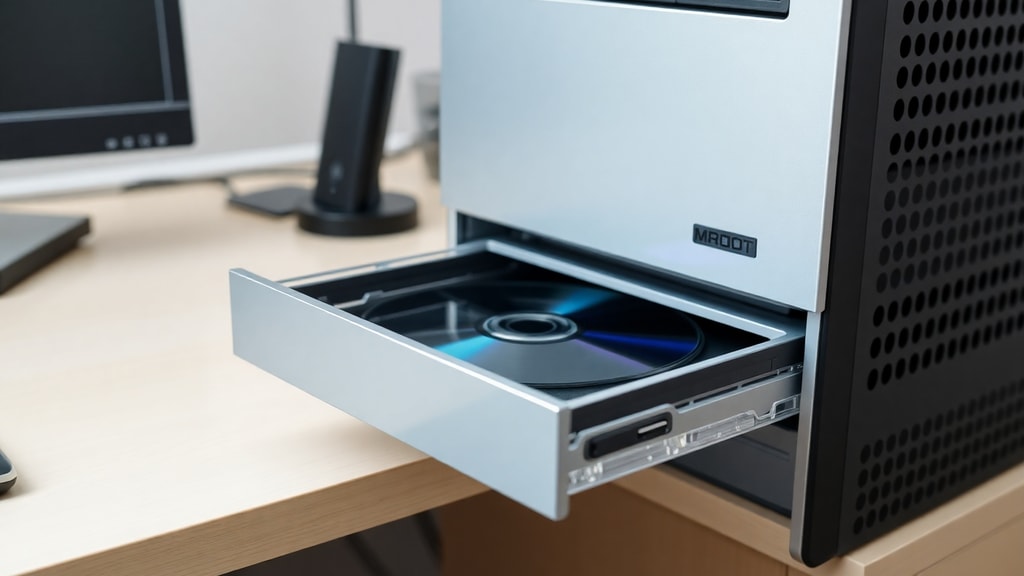
Once the command window is open, type the following command: eject D: (replace D with the actual letter assigned to your optical drive). Press Enter, and the drive should open immediately. If your drive uses a different letter, such as E or F, adjust the command accordingly. You can also use the command eject /d to list all available drives and their letters if you are unsure. This command works because the system interprets it as a request from the operating system to the drive controller. Alternatively, you can use the wmic command for more advanced control: wmic cdrom where drive='D:' call eject. Both commands effectively trigger the same mechanism as a physical button press.
Manual Emergency Eject Method
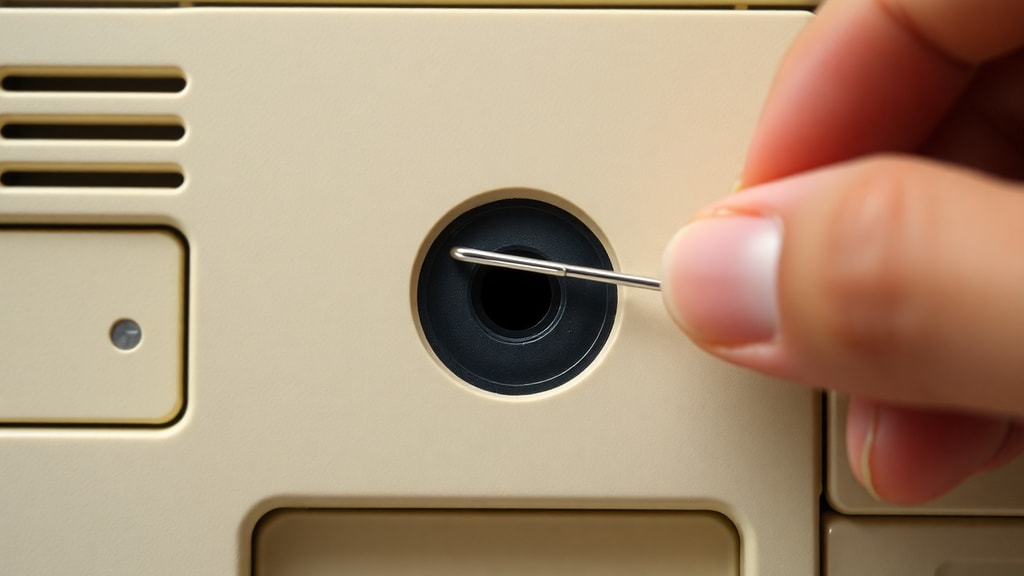
If the drive tray is stuck and none of the software or physical button methods work, you can use a manual emergency eject. Every optical drive includes a small pinhole on the front panel, usually located near the eject button. This hole provides direct mechanical access to the drive's gear mechanism. To use it, straighten a paperclip or use a thin piece of metal. Insert the tip into the pinhole and push gently until you feel resistance. Continue pushing slowly, and the tray will pop open slightly. You can then pull it open manually.
This method is a last resort because it bypasses the normal electronic release and can potentially damage the drive if done incorrectly. However, it is often the only solution when the drive loses power or if the internal mechanism jams. After opening the tray this way, you can remove or insert a disc, but you may need to push the tray closed manually. Some drives will automatically retract when you give them a gentle push, while others require a restart to reset the mechanism.

Troubleshooting Common Drive Opening Issues
Sometimes the CD drive drawer refuses to open despite all attempts. Several factors can cause this: the drive may be unpowered, the driver software may be corrupted, or a mechanical obstruction may be present. If your computer is off, try turning it on. The drive requires power to release the lock. If the drive does not respond to any command, check if the drive appears in Device Manager. Right-click the Start button, select Device Manager, and expand the DVD/CD-ROM drives section. Look for any yellow warning icons indicating driver problems. If you see one, right-click the drive and select Update driver or Uninstall device, then restart your computer to reinstall it automatically.
Another common issue is a stuck disc inside the drive. If the disc is off-center or the tray is partially jammed, even the emergency eject may not work. In such cases, you might need to remove the drive from the computer casing and gently pry it open, though this is not recommended for inexperienced users. For laptop users, the drive might be integrated into the motherboard, making repair difficult. Before seeking professional help, try the software eject method again after a cold boot, which sometimes resets the drive controller.
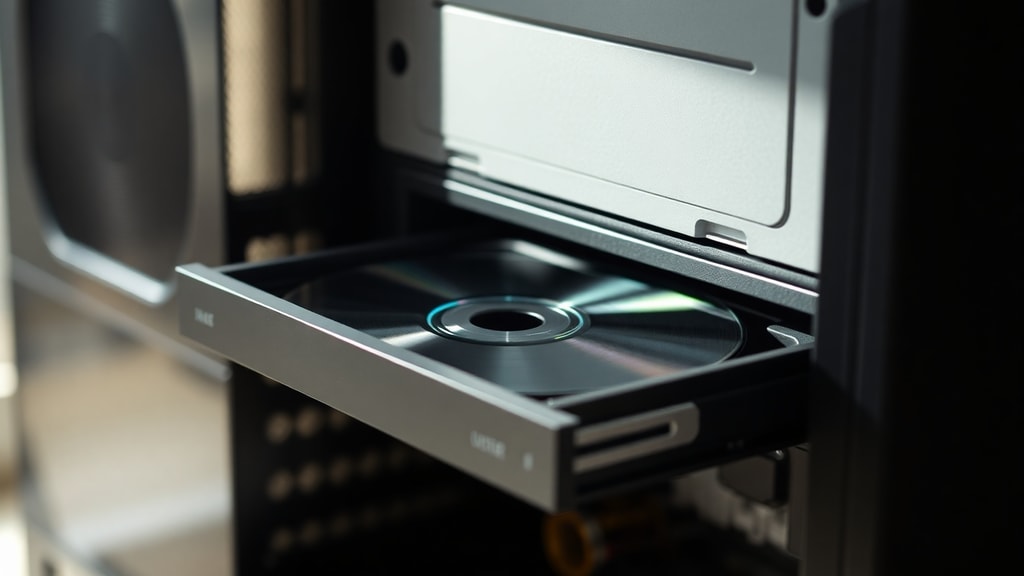
Below is a table summarizing the main methods and their suitability:
| Method | Ease of Use | Best When |
|---|---|---|
| Physical eject button | Very easy | Drive is powered and accessible |
| File Explorer right-click | Easy | Windows is running and responsive |
| Keyboard shortcut | Moderate | Specialized key available or custom shortcut created |
| Command line (eject command) | Moderate | Advanced users or GUI is unavailable |
| Manual emergency eject | Difficult | Power loss or mechanical jam |
List of Additional Tips for Smooth Operation
Here are some practical tips to keep your CD drive functioning well:
- Always verify the drive letter in File Explorer before using commands. The default letter may be D, E, or F depending on your partitions.
- If the physical button feels stiff, do not force it. Use the emergency pinhole method instead to avoid breaking the mechanism.
- Keep the drive clean. Dust or debris around the tray can prevent smooth opening. Use compressed air to clean the front bezel periodically.
- Update your motherboard or chipset drivers if the drive stops responding. Outdated drivers can cause communication errors.
- For laptops, check if the drive is disabled in the BIOS. Some systems allow you to disable the optical drive to save power.
- If the drive opens but does not close, gently push the tray back until you hear a click. If it still fails, the drive belt may be worn and require replacement.
- Use reliable media. Low-quality discs can warp or crack, causing the drive to jam during ejection.
Software Alternatives for Older Systems
On older versions of Windows, such as Windows 7 or Windows XP, the process is nearly identical. You can still use File Explorer, right-click the drive, and select Eject. The command prompt method also works on these systems. However, if your system is very old and does not recognize the eject command, you may need to install additional software. Some third-party utilities like Nero or CDBurnerXP include eject functions. Additionally, many media players like Windows Media Player or VLC have an eject option in their Playback menu when you right-click the player window. These software tools provide an alternative if the native Windows method is not working.
For Linux users, the command line is also effective. Open a terminal and type eject /dev/sr0 (where /dev/sr0 is the device file for your optical drive). This will trigger the tray to open. Linux also allows you to use the eject command with the -T flag to toggle the tray open or closed. This flexibility makes the command line a universal solution across operating systems. If you are using a Mac, the eject key is typically located in the top row of the keyboard, or you can drag the disc icon to the Trash, which becomes an Eject icon.
Understanding Drive Locking Mechanisms
Modern optical drives include a locking mechanism that prevents the tray from opening when the computer is in sleep or hibernation mode. This is a safety feature to protect the disc from accidental ejection. If you attempt to open the tray during these states, the drive might not respond until you wake the computer fully. Similarly, if a program is currently reading the disc, the operating system will block the eject command to avoid data corruption. In such cases, close any media player or file browser that is accessing the disc, then try again.
Another aspect is the drive region code. Some drives are locked to a specific geographic region, and if you insert a disc with a different region code, the drive may refuse to read it or behave erratically. This does not directly prevent the tray from opening, but it can cause confusion if the disc is not recognized. Always ensure that your discs are compatible with your drive region to avoid frustration.
Conclusion and Best Practices
Successfully opening a CD drive drawer from your PC involves understanding multiple methods, from simple button presses to command-line techniques. Each method has its own advantages, and knowing several ensures you can handle any situation. For daily use, the physical button or File Explorer right-click are the fastest. For troubleshooting, the emergency manual eject or command line are invaluable. Regular cleaning and driver updates can prevent many issues. By following the tips and table provided in this article, you can maintain reliable access to your optical media.
Remember that optical drives are becoming less common in modern PCs, but they remain useful for legacy software and media. If your drive fails completely, external USB drives are an affordable replacement. For now, these methods should serve you well for years to come.
References
This article was informed by reputable sources on hardware and software operation. For further reading on ejecting CD drives in Windows 10, Microsoft Learn provides official guidance in Spanish, which can be accessed at Microsoft Learn. Detailed step-by-step instructions also appear on wikiHow, available at wikiHow. Additional technical information was referenced from PCHardwarePro and TechTudo, which cover Windows 10 and troubleshooting for stuck drives respectively.