Why Learning Through Play Matters More Than You Think
The idea of aprender brincando, or learning through play, is not a new concept, but its importance in education has gained significant recognition from researchers and educators worldwide. Play is often seen as a break from serious learning, but the reality is that it is one of the most powerful tools for cognitive, social, and emotional development. When children engage in play, they are not just having fun. They are actively building neural connections that shape how they think, solve problems, and interact with others. Research confirms that play stimulates brain development, particularly in the prefrontal cortex, enhancing problem-solving skills, creativity, and memory. This means that when a child builds a tower with blocks or pretends to be a shopkeeper, they are strengthening the very parts of the brain that control focus, planning, and decision-making.
One of the most compelling reasons to embrace learning through play is its direct link to academic achievement. Studies show that children who engage in free play during recess return to class with renewed attention and demonstrate better performance in reading and mathematics compared to those who do not play. This is because play gives the brain a chance to rest, consolidate information, and reset. It also encourages a mindset where mistakes are not failures but part of the process. In a playful environment, children are more willing to try new things, take risks, and persist through challenges. This is exactly the kind of attitude that leads to deeper learning and long-term success in school and life.
The Social and Emotional Benefits of Play
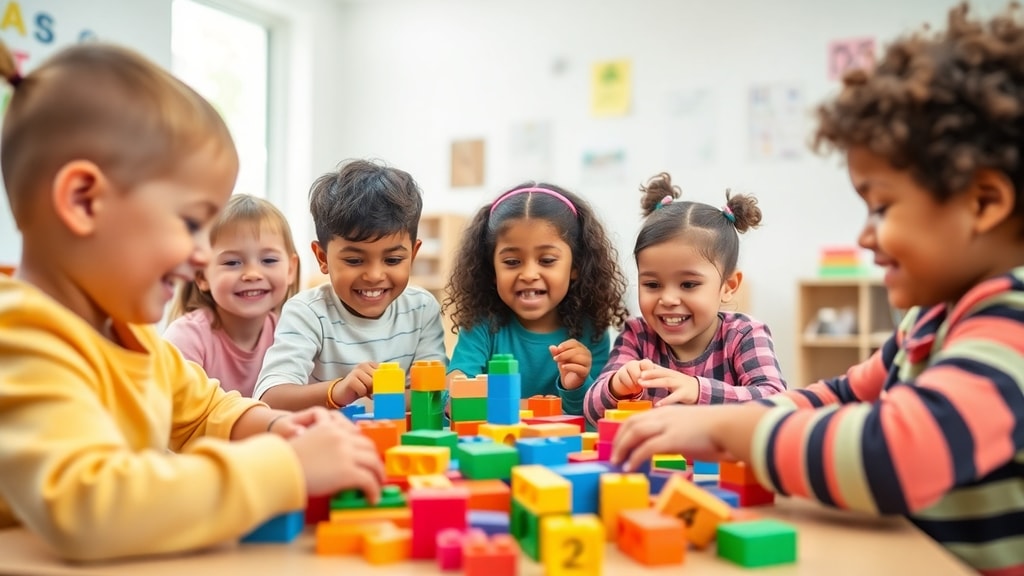
Beyond academics, play is a primary vehicle for developing socio-emotional skills. Through play, children learn conflict resolution, empathy, emotional regulation, and how to navigate social rules. When a child negotiates who gets to be the leader in a game or how to share toys, they are practicing skills that are essential for healthy relationships and future collaboration. These experiences teach children that their actions have consequences and that other people have feelings and perspectives different from their own. According to the Movimento Pela Base, aprendizagem por meio de jogos e brincadeiras is fundamental for building these competencies in early childhood. The ability to manage emotions, work in teams, and show empathy are not just nice-to-have qualities. They are critical for success in any career and for personal well-being.
Play also provides a safe space for children to express themselves and process their experiences. A child who has had a stressful day at school might act out a scene with dolls or action figures, working through their feelings in a way that feels natural and non-threatening. This emotional outlet is crucial for mental health. It allows children to make sense of the world around them, from everyday events to complex social dynamics. When adults understand this, they can better support children by providing opportunities for unstructured play, both at home and in the classroom. Encouraging children to invent their own games, create imaginary worlds, and solve their own problems during play builds confidence and resilience.

Practical Ways to Incorporate Play into Learning
Integrating play into education does not require expensive materials or complicated lesson plans. It is about shifting the mindset from teaching at children to facilitating their exploration. Here are some practical strategies that parents and educators can use to make learning more playful and effective. These methods work for children of different ages, from toddlers to elementary school students. The key is to create an environment where curiosity is welcomed and mistakes are seen as opportunities to learn.
- Use role-playing games to teach real-world concepts. For example, setting up a pretend grocery store allows children to practice counting, money handling, and social interaction. This is sociodramatic play that reflects story narratives and helps develop pre-reading skills.
- Turn math problems into physical activities. Instead of solving equations on paper, have children jump, clap, or move objects to represent numbers. This makes abstract concepts concrete and engaging.
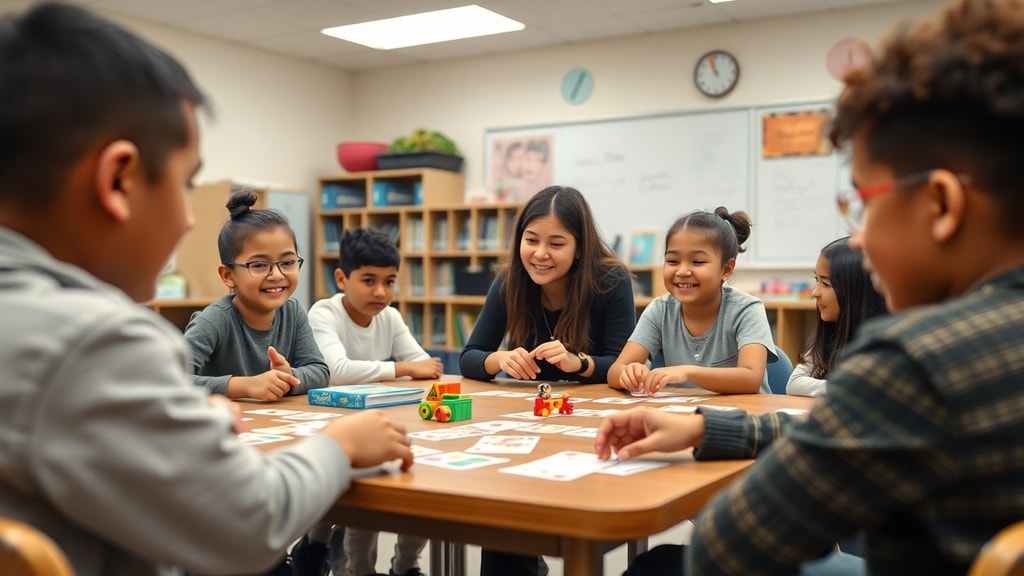
- Incorporate board games that require strategy, counting, or reading. Games like chess, Scrabble, or simple card games teach patience, rule-following, and strategic thinking.
- Encourage outdoor play. Building forts, digging in sand, or playing tag supports gross motor skills, creativity, and social cooperation. Nature itself provides endless opportunities for observation and discovery.
- Read books interactively. Ask questions about what might happen next, act out scenes, or let children draw their own versions of the story. This builds comprehension and imagination.
How Play Supports Different Areas of Development
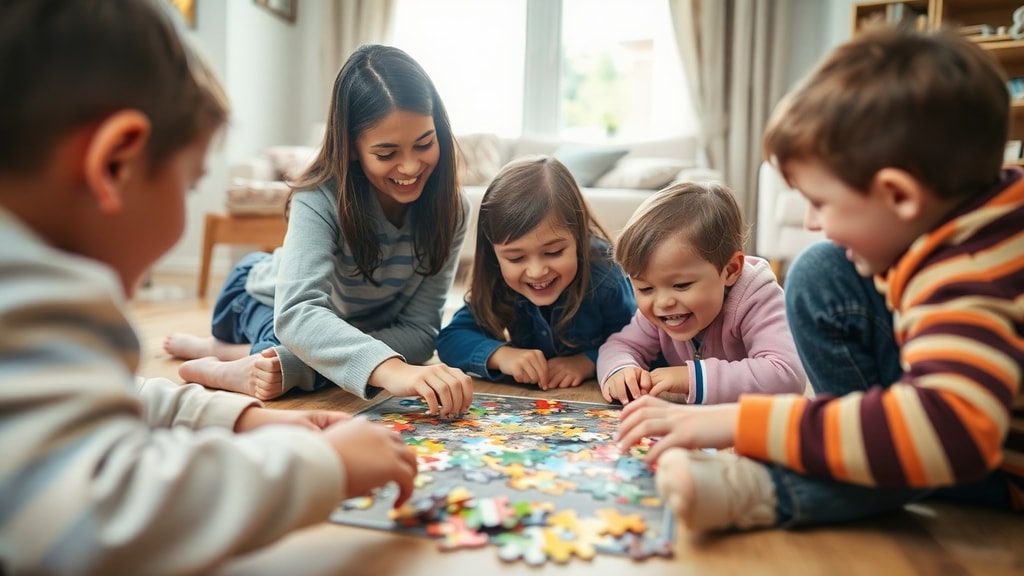
To understand the full impact of aprender brincando, it is helpful to see how play touches every aspect of a child's growth. The following table outlines the main developmental domains and how play specifically contributes to each one. This is not an exhaustive list, but it shows the breadth of benefits that come from something as simple as playing.
| Developmental Domain | How Play Contributes | Examples of Play Activities |
|---|---|---|
| Cognitive | Enhances problem-solving, memory, creativity, and attention span. Play helps children understand cause and effect and develop logical thinking. | Puzzles, building blocks, memory games, and science experiments with water or sand. |
| Social | Teaches cooperation, sharing, negotiation, and understanding of social roles. Children learn to take turns and respect others' ideas. | Group games like tag, pretend play with friends, and team sports. |
| Emotional | Provides a safe outlet for expressing feelings, managing frustration, and building self-confidence. Play allows children to work through fears and anxieties. | Dramatic play with dolls, art activities, and free unstructured play. |
| Physical | Develops fine and gross motor skills, coordination, balance, and body awareness. Active play supports overall health and energy regulation. | Running, climbing, jumping, drawing, cutting with scissors, and playing with clay. |
| Language | Expands vocabulary, improves communication skills, and fosters early literacy. Play encourages storytelling, questioning, and describing. | Reading stories aloud, singing songs, pretending to talk on a phone, and playing word games. |
Overcoming Common Misconceptions About Play
Despite the overwhelming evidence that play is essential for learning, many adults still view it as a distraction from serious academic work. This misconception is reinforced by outdated educational systems that prioritize rote memorization and rigid structure. However, research shows that learning through play is not the opposite of learning. It is a more effective way of learning because it engages the whole child. When children are active participants in their own learning, they retain information longer and understand it more deeply. Play also fosters a lack of fear of failure, which is crucial for innovation and critical thinking. A child who is afraid to make a mistake will not try new things. A child who learns through play understands that errors are just part of the journey.
Another common concern is that play is too chaotic or lacks structure. In reality, well-designed play-based learning includes intentional guidance from adults. Teachers and parents can set up environments that encourage exploration while also aligning with educational goals. For example, a teacher might provide blocks of different shapes and sizes and then ask children to build a structure that can hold a certain weight. This is both playful and educational. The child is learning physics, problem-solving, and cooperation without sitting at a desk. As the Colégio Friburgo points out in their discussion of aprender brincando, this active pedagogical approach allows children to engage directly with the material being taught, fostering autonomy and imagination.
Play as a Foundation for Literacy and Numeracy
One of the most exciting areas of research on play is its role in building foundational skills for reading and math. Sociodramatic play, where children take on roles and act out scenarios, directly supports pre-reading skills. When a child pretends to be a teacher reading to a class or a parent shopping at a market, they are using narrative structures similar to those found in books. This helps them understand story sequences, character development, and cause and effect. As noted by the Enciclopedia Crianca, play helps with letter recognition and understanding how books function. Children who engage in these types of play are more prepared for formal literacy instruction because they already have a mental framework for how stories work.
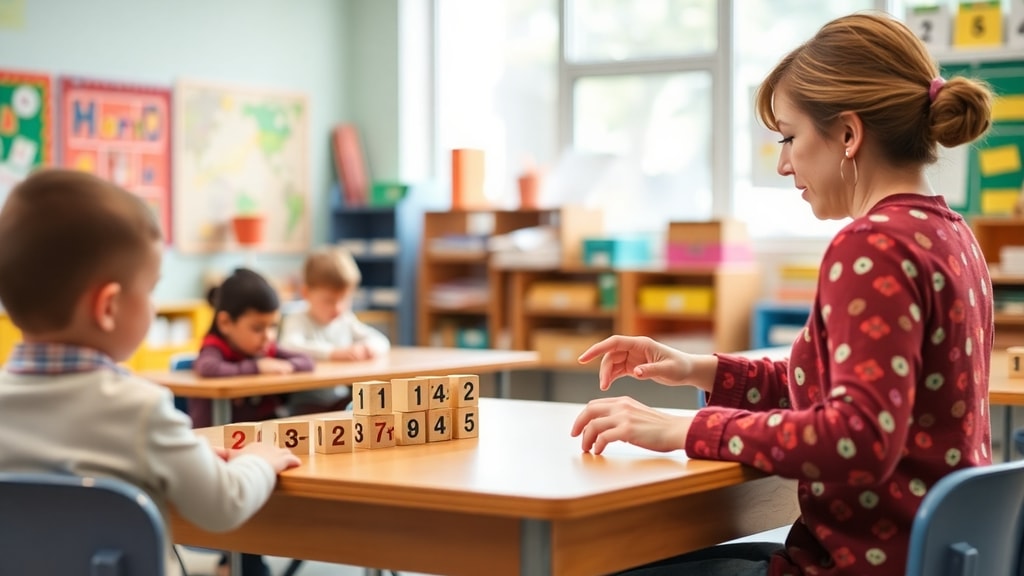
In mathematics, play helps children grasp concepts like quantity, size, shape, and spatial relationships. Building with blocks, sorting objects by color or size, and playing games that involve counting all contribute to number sense. These experiences are much more effective than worksheets because they are hands-on and meaningful. A child who plays store with play money is learning addition and subtraction without feeling pressured. A child who builds a tower and counts the blocks is practicing one-to-one correspondence. These early math skills are the building blocks for future success in more advanced mathematics. Play makes these concepts concrete and relevant, which is how young children learn best.
References
PORVIR. "O brincar como parte fundamental do aprender." Available at: https://porvir.org/o-brincar-como-parte-fundamental-do-aprender/
Movimento Pela Base. "Aprendizagem por meio de jogos e brincadeiras." Available at: https://movimentopelabase.org.br/wp-content/uploads/2021/10/aprendizagem-por-meio-de-jogos-e-brincadeiras.pdf
Enciclopedia Crianca. "Aprender por meio da brincadeira." Available at: https://www.enciclopedia-crianca.com/brincar/segundo-especialistas/aprender-por-meio-da-brincadeira
Colégio Friburgo. "Aprender brincando." Available at: https://colegiofriburgo.com.br/2023/02/24/aprender-brincando/
Alvorada RS. "A importância do Brincar na educação infantil." Available at: https://www.alvorada.rs.gov.br/relatos-e-experiencias-de-educadores-da-rede-publica-m