What Is a QR Code and How Does It Work?
A QR code, short for Quick Response code, is a two-dimensional matrix barcode that stores data in a square grid of black and white pixels. Unlike traditional barcodes that store information only horizontally, QR codes store data both horizontally and vertically, which allows them to hold significantly more information in a smaller space. These codes are designed to be read quickly by imaging devices such as smartphone cameras. When you point your camera at a QR code, the device decodes the pattern of pixels and converts it into usable data, such as a website URL, payment information, or text. The speed and efficiency of this process give the technology its name. QR codes are now common in everyday life, appearing on product packaging, advertisements, restaurant menus, and event tickets.
The Origin of the QR Code
The QR code was invented in 1994 by Masahiro Hara, an engineer at Denso Wave, which is a subsidiary of Toyota. The original purpose was to track automotive parts during manufacturing. Traditional barcodes at the time could only hold about 20 characters, which was far too limited for the complex inventory needs of a car factory. Hara and his team created a code that could be scanned quickly and accurately even when the code was damaged or partially obscured. The design was based on the black-and-white pattern of the board game Go. Denso Wave chose not to enforce their patent rights on the QR code, which allowed the technology to become open and widely adopted across industries worldwide.
Data Capacity of QR Codes
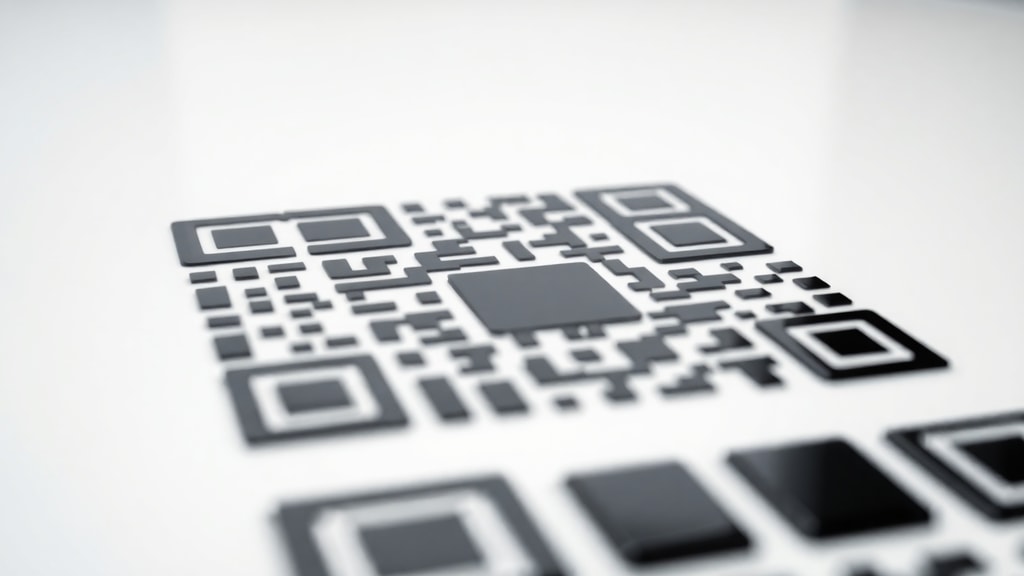
QR codes can store a remarkable amount of data compared to traditional barcodes. A single QR code can hold up to 7,000 characters, including numeric digits, alphanumeric text, byte data, binary data, and even Kanji characters. This is a huge leap from traditional barcodes, which are limited to roughly 20 to 25 characters. There are four different data modes in QR codes, each optimized for a specific type of content. Numeric mode stores up to 7,089 characters, alphanumeric mode holds up to 4,296 characters, byte mode contains up to 2,953 characters, and Kanji mode stores up to 1,817 characters. This flexibility allows businesses to encode not just web addresses but also entire paragraphs of text, contact information, or payment details.
Error Correction Capabilities
One of the most important features of QR codes is their built-in error correction. QR codes use the Reed-Solomon algorithm to recover data even if part of the code is damaged or covered. There are four levels of error correction, which allow the code to remain readable even when up to 30 percent of the code is obstructed. Level L can recover up to 7 percent of lost data, Level M can handle 15 percent, Level Q can handle 25 percent, and Level H can handle 30 percent. This makes QR codes highly reliable for use in harsh environments, such as on factory floors, shipping labels, or outdoor signage. Even if a QR code is scratched, dirty, or partially torn, it can still be scanned and the data restored accurately.
How QR Codes Are Scanned
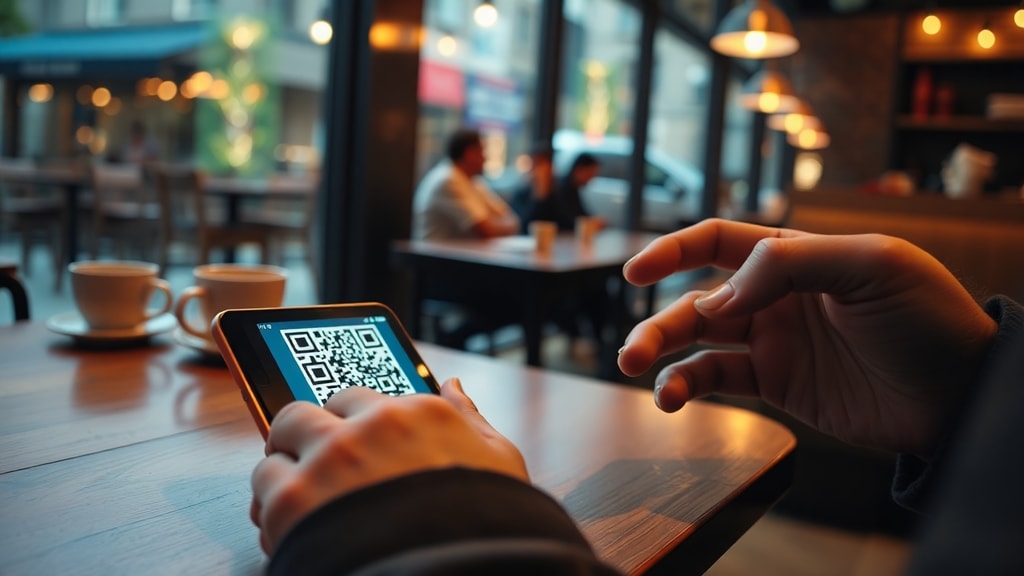
Scanning a QR code is a simple process that takes only seconds. Most modern smartphones have built-in camera software that can detect QR codes automatically. When you open the camera app and point it at a QR code, the device recognizes the pattern, decodes the data, and presents a preview of the content. Tapping the notification triggers the action, such as opening a website or adding a contact. Some older phones may require a dedicated QR code scanning app, but the majority of devices now support scanning natively. The scanning process works because each QR code has three large square markers in the corners that help the camera identify the orientation and position of the code. This makes scanning fast and accurate from any angle.
Different Types of QR Codes
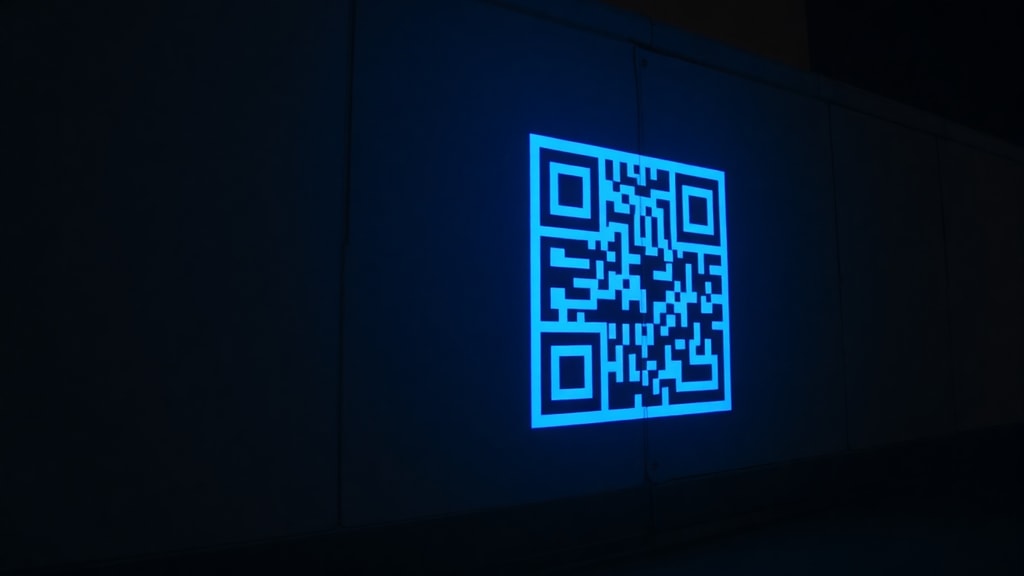
QR codes come in several variations to suit different needs. The standard QR code is the most common, used for general data storage and web links. Micro QR codes are smaller and require less space, making them useful for labeling tiny components. IQR codes can be square or rectangular and can be printed in various colors or even as curved shapes. SQRC stands for Security QR Code, which includes encryption for restricted data access. Frame QR codes have a larger printable area that allows for a small picture or logo in the center, which is often used for branding. The choice of type depends on the amount of data, the available printing space, and whether security is needed.
- Standard QR code: general use, high capacity
- Micro QR code: small size, low data capacity
- IQR code: rectangular or square, customizable shape
- SQRC: encrypted data for security
- Frame QR code: includes space for a logo or image
QR Code Usage Statistics and Market Size
The use of QR codes has expanded dramatically in recent years. In 2025, the global QR code market was valued at 13.04 billion dollars. This number is expected to grow to 33.14 billion dollars by 2030, representing a compound annual growth rate of 20.5 percent. Over one trillion QR codes were scanned worldwide in 2025 alone. In the United States, approximately 102 million people are expected to scan a QR code in 2026, which is roughly one out of every three Americans. These statistics show that QR codes are not a passing trend but a permanent part of digital communication. From marketing to payments to healthcare, the adoption rate is accelerating across every major industry.
Applications Across Industries
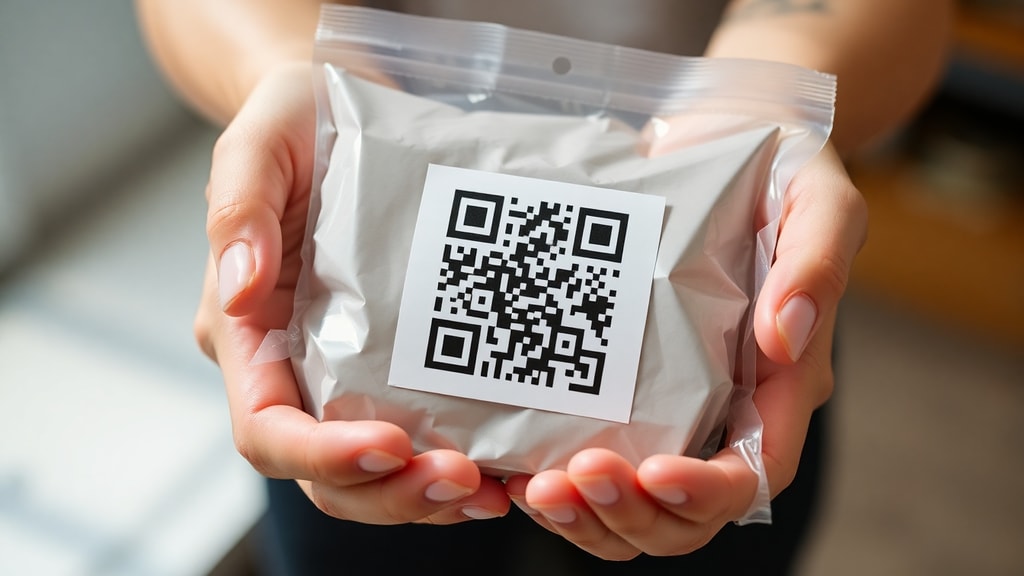
QR codes are used in a wide variety of industries for different purposes. In marketing, they link printed ads to online content, videos, and promotional pages. In the restaurant industry, they replaced physical menus during the COVID-19 pandemic and remain popular for contactless ordering. In logistics, QR codes track packages from the warehouse to the customer's doorstep. Payment systems in China and India rely heavily on QR codes, allowing people to pay at stores, street vendors, and even public transportation with a simple scan. Event management uses QR codes for digital tickets and check-ins, reducing paper waste and speeding up entry. In healthcare, QR codes store patient information, medication data, and link to test results securely.
Advantages of QR Codes Over Traditional Barcodes
QR codes offer several clear advantages over traditional barcodes. Traditional barcodes can only hold about 20 to 25 characters, whereas QR codes can hold several thousand. Barcodes require a laser scanner and must be oriented perfectly to be read. QR codes can be scanned from any direction and do not require a specific alignment. QR codes are also more durable because of their error correction, meaning they can still be read even when damaged. Additionally, QR codes can store different types of data simultaneously, such as a URL and a phone number, while barcodes are limited to a single numeric identifier. These advantages make QR codes the preferred choice for modern data applications.
| Feature | Traditional Barcode | QR Code |
|---|---|---|
| Data capacity | 20-25 characters | Up to 7,089 characters |
| Scanning direction | One direction only | Any direction |
| Error correction | None or limited | Up to 30% damage recovery |
| Data types | Numeric only | Numeric, alphanumeric, binary, Kanji |
| Scanner required | Laser scanner | Smartphone camera |
Security and Privacy Concerns
Although QR codes are convenient, they also carry security risks. Since anyone can generate a QR code, malicious actors sometimes create codes that link to phishing websites, malware downloads, or fraudulent payment pages. This is known as quishing, or QR code phishing. Users should always inspect the URL that appears before tapping to open it. It is also advisable to avoid scanning random QR codes in public places unless they come from a trusted source. Businesses can protect their customers by using dynamic QR codes that can be edited or deactivated if compromised. Many QR code generators now include security features such as password protection and expiration dates to minimize risk.
How to Generate a QR Code
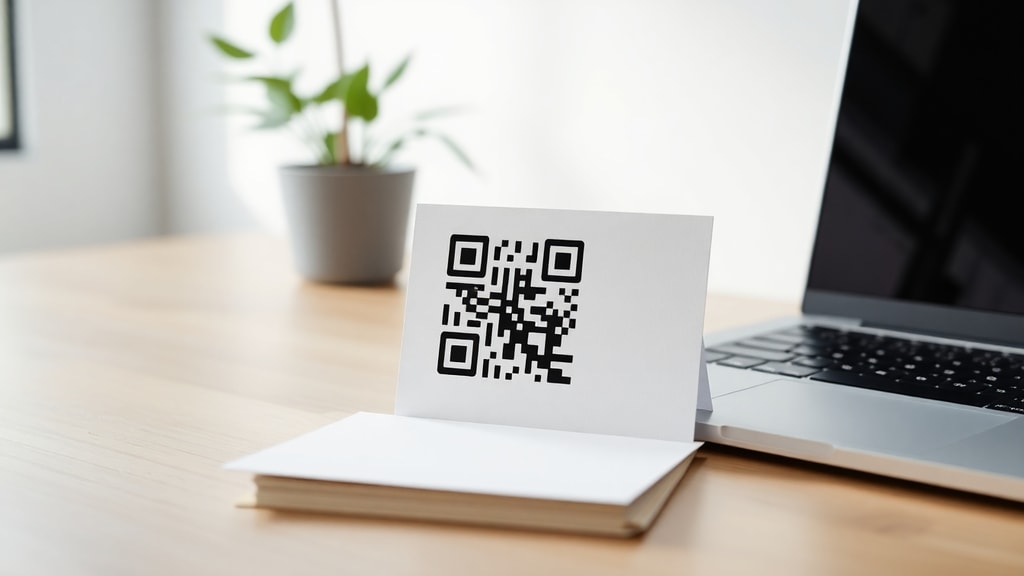
Generating a QR code is simple and often free. There are many online QR code generators that allow you to input a URL, text, phone number, or other data and instantly create a scannable code. Some generators also offer customization options such as changing the color, adding a logo, or adjusting the error correction level. For businesses that need to track scans, dynamic QR codes are available, which report how many times the code was scanned, where, and on what device. Static QR codes are permanent and cannot be edited, while dynamic ones can be updated without changing the printed code. Choosing the right type depends on the intended use and whether the linked content may change over time.
The Future of QR Codes
QR codes are likely to become even more common as technology advances. They are already being integrated into digital wallets, contactless payment systems, and smart home devices. Some companies are experimenting with invisible QR codes that can only be read under certain light conditions or through specific filters. Others are embedding QR codes into augmented reality experiences, where scanning a code triggers a 3D object or immersive environment. With the growing adoption of 5G networks and faster mobile data, QR codes will continue to serve as a bridge between the physical and digital worlds. Their low cost, ease of use, and high reliability ensure they will remain a vital tool for information exchange.
References
Britannica. QR Code | 2D, matrix and scanning. https://www.britannica.com/technology/QR-Code
Wikipedia. QR code. https://en.wikipedia.org/wiki/QR_code
Oppizi Belgium. 27 QR code facts. https://www.oppizi.com/be/en/qr-code-generator/qr-code-facts/
Kaspersky. What is a QR code? https://usa.kaspersky.com/resource-center/definitions/what-is-a-qr-code-how-to-scan
QR Tiger. 15+ fun facts. https://www.qrcode-tiger.com/qr-code-facts
Wave Connect. QR Code Statistics 2026. https://wavecnct.com/blogs/qr-code-statistics