Understanding the Best Time to Drink Hibiscus Tea
Hibiscus tea, made from the dried calyces of the Hibiscus sabdariffa flower, has been cherished for centuries across many cultures for its tart flavor and reputed health benefits. Modern research suggests that the timing of consumption can influence how effectively the tea supports specific health goals, such as lowering blood pressure, improving sleep, aiding digestion, or supporting weight management. Because hibiscus tea is naturally caffeine-free and contains bioactive compounds like anthocyanins, flavonoids, and organic acids, it can be enjoyed at different times of day without the stimulant effects of coffee or black tea. However, the ideal drinking window depends largely on what you hope to achieve. This article explores the best time to drink hibiscus tea based on scientific evidence and practical considerations, helping you tailor your tea habit to your personal wellness needs.
Morning Consumption for Blood Pressure Control
One of the most well-documented benefits of hibiscus tea is its ability to help lower blood pressure. Clinical studies have shown that drinking two to three cups per day can produce modest but significant reductions in both systolic and diastolic blood pressure, especially in people with mild hypertension. Timing plays a role because blood pressure naturally follows a circadian rhythm. It tends to surge in the early morning hours, typically between 6 a.m. and 10 a.m., a phenomenon known as the morning blood pressure surge. Consuming hibiscus tea during this window may help blunt that rise. The National Heart, Lung, and Blood Institute notes that managing the morning surge is important for reducing cardiovascular risk. Drinking a warm cup of hibiscus tea shortly after waking, rather than waiting until midday, may offer the greatest benefit for blood pressure regulation. Consistent daily intake matters more than precise timing, but starting the day with hibiscus tea can be a practical and effective strategy.
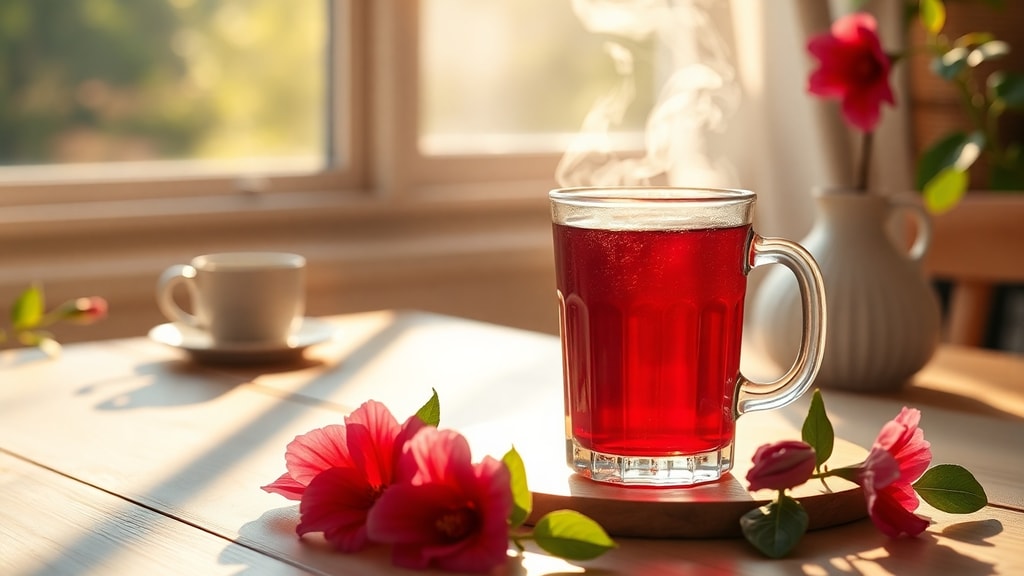
For those who already take antihypertensive medication, hibiscus tea should not replace prescribed treatment but can serve as a complementary beverage. It is advisable to monitor blood pressure regularly and consult a healthcare provider before making significant changes. Some research indicates that the diuretic effect of hibiscus tea may contribute to its blood pressure lowering action, so morning consumption also fits naturally into the body's hydration routine after a night's sleep. To maximize benefits, steep one to two teaspoons of dried hibiscus flowers in hot water for five to ten minutes, and drink without added sugar. For a balanced morning routine, you might combine hibiscus tea with a light breakfast, as the acidity of the tea can be irritating on an empty stomach for some individuals.
Evening Drinking for Relaxation and Sleep Support
Despite its tart and refreshing taste, hibiscus tea is naturally caffeine-free, making it an excellent choice for evening beverages. Many people struggle to find a warm, calming drink that does not interfere with sleep, and hibiscus fits that need. Additionally, hibiscus contains small amounts of melatonin, the hormone that regulates the sleep-wake cycle, as well as compounds like quercetin and anthocyanins that may promote relaxation through antioxidant and anti-inflammatory pathways. Drinking hibiscus tea one to two hours before bedtime can help signal the body to wind down. However, because hibiscus also acts as a mild diuretic, consuming it too close to bedtime may increase the likelihood of waking up to use the bathroom. To avoid sleep disruption, finish your last cup at least two to three hours before you plan to sleep. If you are prone to nocturia, consider limiting your evening intake to a smaller cup or switching to an alternative herbal tea like chamomile.
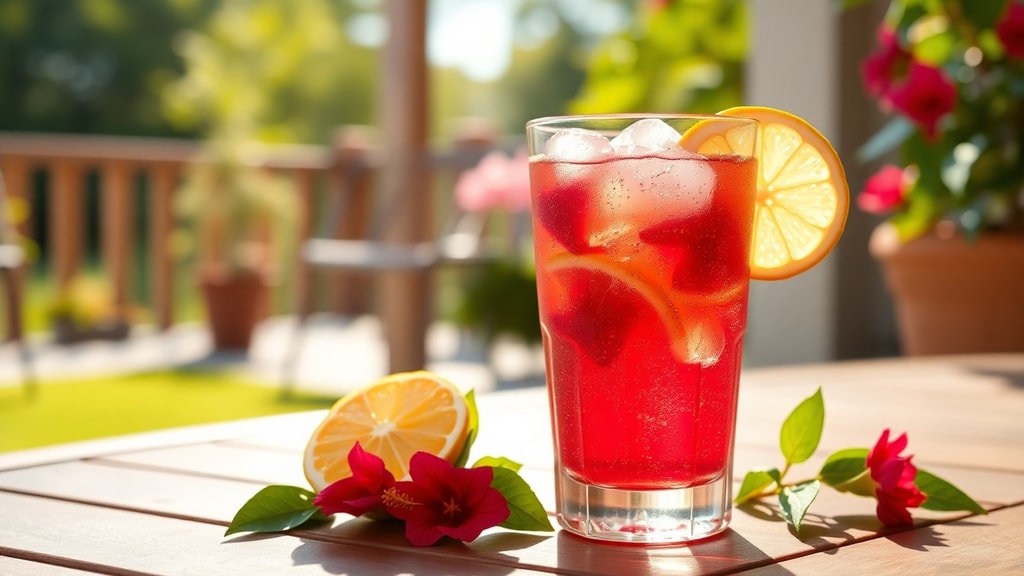
For individuals who experience anxiety or restlessness at night, the ritual of preparing and sipping a warm cup of hibiscus tea can itself be a calming practice. The deep red color and floral aroma contribute to a sensory experience that encourages mindfulness. Pairing hibiscus tea with a relaxing activity such as reading, stretching, or gentle breathing exercises can enhance its sleep-promoting effects. It is worth noting that some people find the tartness of hibiscus too stimulating for their palate at night; in that case, blending hibiscus with more mellow herbs like lemon balm or passionflower can create a soothing nighttime blend. Overall, evening consumption is ideal for those whose primary goal is relaxation and sleep quality, provided they manage the diuretic effect appropriately.
Timing for Digestive Health and Weight Management
Hibiscus tea has been traditionally used to support digestion and metabolism. The organic acids in hibiscus, such as citric acid and malic acid, may stimulate digestive enzymes and bile production, helping to break down food more efficiently. For this reason, drinking hibiscus tea thirty minutes before a meal can promote a feeling of fullness, potentially reducing overall calorie intake. This makes it a helpful tool for weight management when combined with a balanced diet and regular physical activity. Alternatively, consuming hibiscus tea after a heavy or fatty meal may aid in fat digestion and reduce bloating. The tea's mild diuretic properties can also help flush excess water and sodium from the body, supporting a leaner appearance in the short term.
However, caution is advised for individuals with sensitive stomachs. The acidity of hibiscus tea can irritate the stomach lining if consumed on an empty stomach, especially in concentrated form. If you have gastritis, acid reflux, or a history of stomach ulcers, it may be better to drink hibiscus tea with or after food rather than before. For most people, a moderate amount of hibiscus tea daily, timed around meals, can be a pleasant and beneficial addition to their routine. For weight loss goals, consistency is more important than a single perfect time. Incorporating hibiscus tea into your daily hydration pattern, perhaps as a replacement for sugary drinks, can produce gradual results over weeks and months.
General Wellness: Twice Daily Routine
For individuals who wish to enjoy the overall health benefits of hibiscus tea without targeting a specific condition, a routine of two cups per day often works well. One cup in the morning and one cup in the evening provides a steady supply of antioxidants throughout the day. This pattern ensures that you gain the blood pressure support during the morning surge and the relaxation benefits in the evening, while also helping to maintain hydration and digestion. The exact timing is less critical than the habit of regular consumption. Consistency allows the polyphenols and anthocyanins to accumulate in the body, which may support cardiovascular health, immune function, and anti-inflammatory processes.
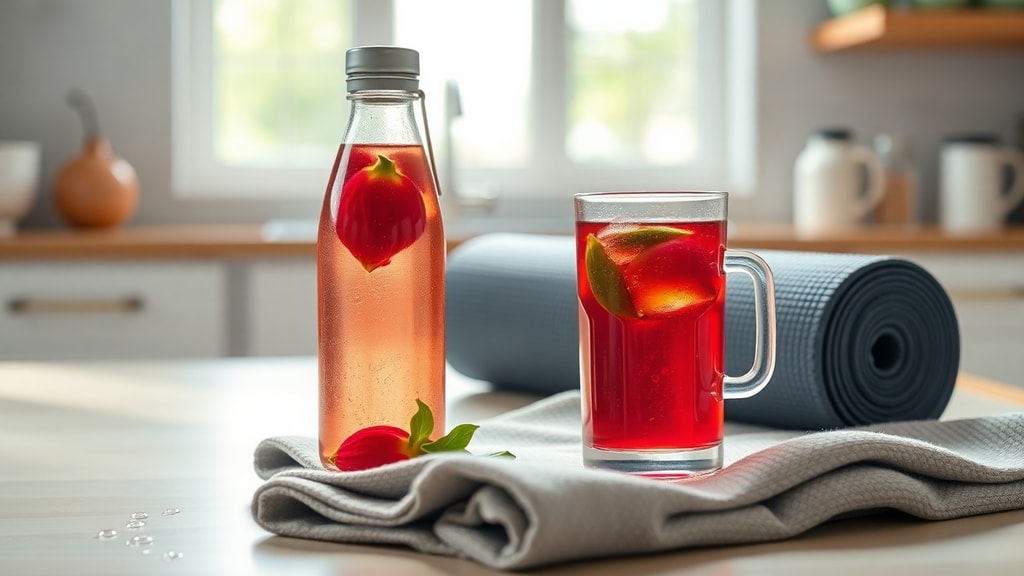
Twice daily drinking can also help you stay hydrated, especially if you replace other caffeinated or sugary beverages. Hibiscus tea is low in calories and rich in vitamin C and minerals like iron and calcium. A morning cup can be served hot or as an iced tea in warmer months, and the evening cup can be enjoyed warm for comfort. To avoid any potential digestive discomfort, you may want to drink the morning cup after breakfast rather than on an empty stomach. Experiment with steeping times and temperatures to find a flavor you enjoy, because taste consistency encourages long-term adherence. For general wellness, there is no strict rule about drinking hibiscus tea exactly at 8 a.m. and 8 p.m.; simply fitting it into your schedule in a way that feels natural and sustainable is key.
The Caffeine-Free Advantage
One of the greatest benefits of hibiscus tea is that it contains no caffeine. This makes it safe to drink at any hour without risking sleep disruption, jitteriness, or an energy crash. Many herbal teas are caffeine-free, but hibiscus stands out for its versatility. It can serve as a morning detox drink, a midday refreshment, or an evening relaxation beverage. Unlike green tea or black tea, which are often recommended only in the morning or early afternoon due to their caffeine content, hibiscus tea can be consumed throughout the day. This is especially valuable for people who are sensitive to caffeine or who wish to reduce their overall caffeine intake. It also makes hibiscus tea an excellent option for pregnant women, though they should consult their healthcare provider because some sources advise caution due to potential uterine stimulation.

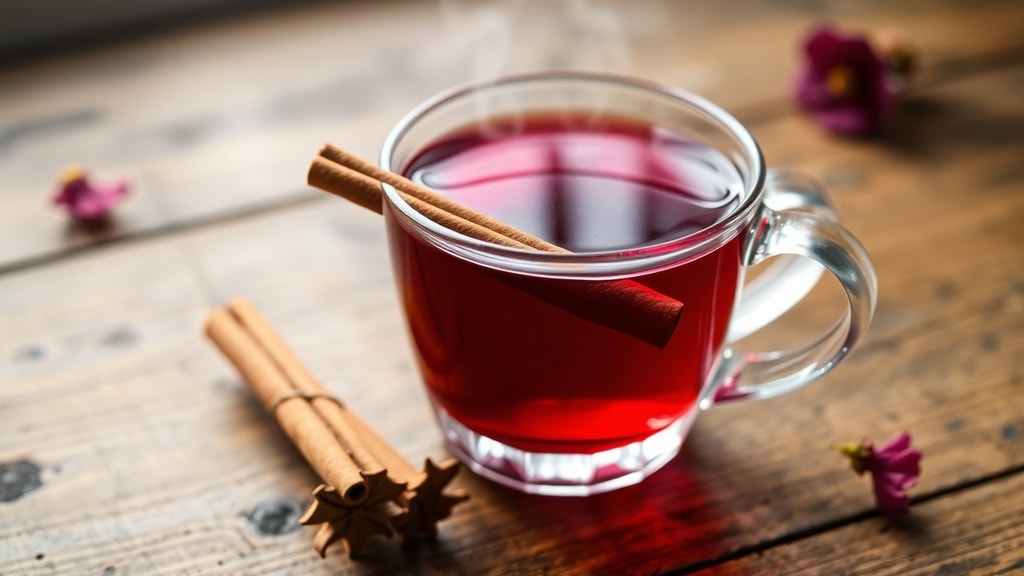
Because hibiscus tea is naturally tart, many people enjoy it with a touch of honey or stevia, but it can also be blended with other herbs like mint, ginger, or cinnamon to create unique flavor profiles. The absence of caffeine means you can drink it right up to the evening if you choose, but as mentioned, the diuretic effect should be considered for late-night consumption. Overall, the caffeine-free advantage simplifies timing decisions and allows you to focus on your health goals without worrying about interfering with your sleep cycle.
Practical Tips for Incorporating Hibiscus Tea
To help you decide when to drink hibiscus tea, consider the following list of practical tips based on different goals:
- For blood pressure: Enjoy 1 cup in the morning between 6 a.m. and 10 a.m., and a second cup in the early afternoon.
- For sleep: Drink 1 cup about 1 to 2 hours before bedtime, but avoid drinking within 3 hours of sleep if you experience frequent nighttime urination.
- For digestion: Drink 1 cup 30 minutes before a meal to support fullness and digestion, or after a heavy meal to aid fat breakdown.
- For weight management: Replace sugary beverages with hibiscus tea; morning and afternoon servings work well.
- For general wellness: Aim for 2 cups daily, one in the morning and one in the evening, to maintain antioxidant intake.
- If you have a sensitive stomach, always drink hibiscus tea with food or after eating to reduce acidity irritation.
- Choose organic dried hibiscus flowers when possible to avoid pesticide residues, and avoid adding excess sugar to preserve health benefits.
Summary Timing Guide Table
The table below provides a quick reference for the best times to drink hibiscus tea according to different health goals.
| Health Goal | Recommended Time | Key Consideration |
|---|---|---|
| Lower blood pressure | Morning (6–10 a.m.) and early afternoon | Counters morning BP surge; consistency more important than exact time |
| Improve sleep / relaxation | 1–2 hours before bedtime | Avoid within 3 hours if prone to nocturia due to diuretic effect |
| Digestion / weight management | 30 minutes before meals or after heavy meals | May cause stomach irritation on empty empty stomach if sensitive to acidity |
| General wellness | Morning and evening (twice daily) | Flexible; consistency over perfect timing |
| Caffeine-free anytime | Any time of day | Safe for all hours; adjust for diuretic effect near bedtime |
Important Considerations and Precautions
While hibiscus tea is generally safe for most people, certain groups should exercise caution. Pregnant and breastfeeding women are often advised to limit consumption because some compounds in hibiscus may stimulate uterine contractions or affect hormone levels. Individuals with low blood pressure should monitor their levels closely because hibiscus tea can further reduce pressure. Those taking diuretics or antihypertensive medications should consult a healthcare professional before adding hibiscus tea to their routine, as it may enhance the effects of these drugs. Additionally, the acidity of hibiscus tea can erode tooth enamel over time; drinking through a straw or rinsing your mouth with plain water afterward can help protect your teeth. For most people, moderate consumption of two to three cups per day is safe and beneficial. Always source hibiscus tea from reputable suppliers to ensure quality and purity.
References
The information in this article draws from multiple health and nutrition sources. For more details on the timing of hibiscus tea for blood pressure, see the article Best Time to Drink Hibiscus Tea to Lower Blood Pressure from Verywell Health. For additional guidance on digestion and general timing, refer to Best Time to Drink Hibiscus Tea by Foods Guy. Other sources include: Verywell Health (2024) on hibiscus tea and blood pressure timing; Incredible Health (2024) on sleep and diuretic effects; SF Herb (2023) on the caffeine-free advantage; and YouTube channel "Best Time to Drink Hibiscus Tea – Morning or Night" (transcript ts:561–ts:570) on general wellness consistency. Always consult a healthcare provider before making significant dietary changes, especially if you have an existing medical condition or are taking medication.