Introduction
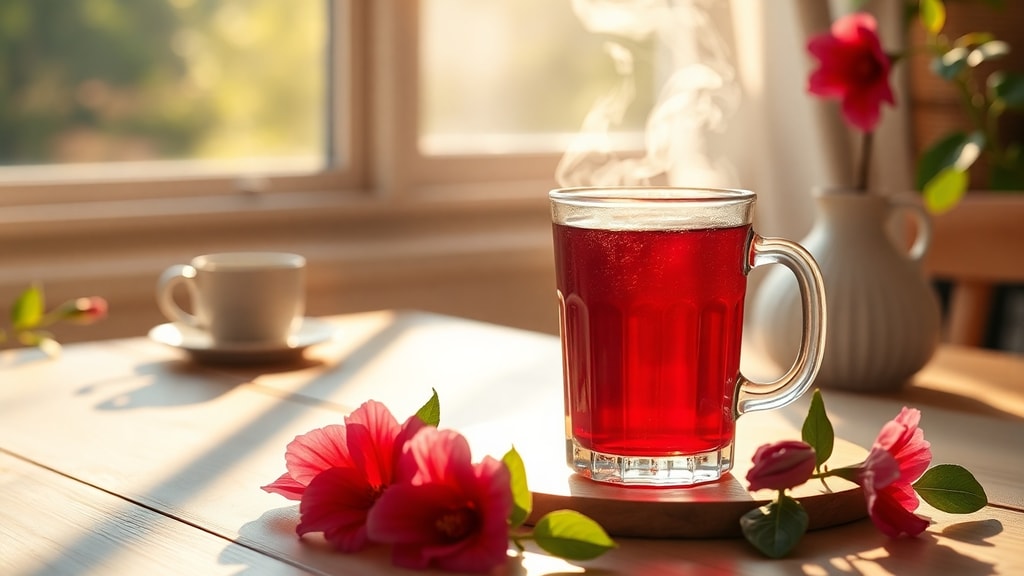
Hibiscus tea with cinnamon is a beverage that has gained attention for its vibrant color, warming flavor, and potential health benefits. This combination brings together the tart, fruity notes of hibiscus flowers with the sweet, spicy undertones of cinnamon, creating a drink that is both refreshing and comforting. Many people turn to this tea for its reported effects on digestion, fluid balance, and metabolic health. While it is commonly associated with weight loss claims, the actual scientific support for such effects is more nuanced. This article explores the benefits, the evidence behind them, a simple recipe, and important considerations for safe consumption. Understanding what this tea can and cannot do will help you make informed decisions about including it in your daily routine.
What is Hibiscus Tea with Cinnamon
Hibiscus tea is made from the dried calyces of the Hibiscus sabdariffa plant. It has a deep red color and a tart, cranberry-like taste. Cinnamon, derived from the inner bark of trees from the genus Cinnamomum, adds sweetness and warmth. When combined, the two ingredients create a balanced drink that is low in calories and free of caffeine. This tea can be served hot or cold and is often sweetened with honey or a natural sweetener. The blend is popular in many cultures, from Latin America to the Middle East, where it is valued not only for its taste but also for its traditional use as a digestive aid and mild diuretic.
Key Health Benefits of Hibiscus Tea with Cinnamon
The health benefits attributed to hibiscus tea with cinnamon are diverse, but it is important to examine them critically. Below is a list of the most commonly cited benefits, along with the level of scientific support for each.
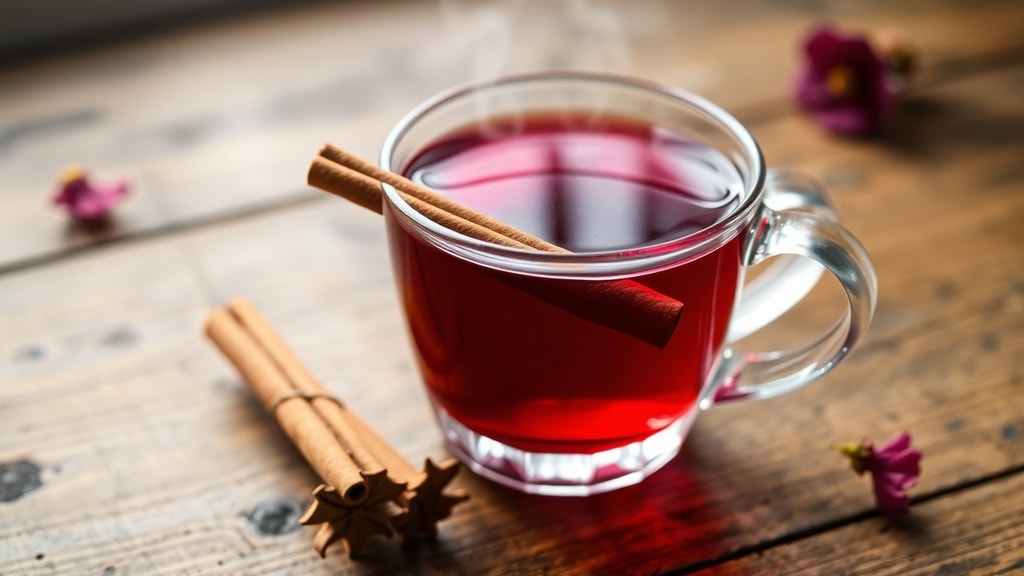
- Diuretic effect and fluid reduction: Both hibiscus and cinnamon have mild diuretic properties. This can help the body eliminate excess fluid, which may reduce bloating and temporary water weight. However, this effect is modest and not a substitute for addressing underlying causes of fluid retention.
- Blood pressure and cholesterol support: Hibiscus contains flavonoids and vitamin C that have been shown in some studies to help lower systolic blood pressure and LDL cholesterol. Cinnamon also contributes to cardiovascular health by improving blood lipid profiles and supporting healthy blood pressure levels.
- Digestive aid and anti-inflammatory action: The tea is often used to soothe the digestive system. It can help reduce gas, cramping, and inflammation in the gut. Cinnamon has natural anti-inflammatory compounds that complement the soothing effects of hibiscus.
- Antioxidant protection: Hibiscus is rich in anthocyanins and other antioxidants that fight oxidative stress. Cinnamon adds polyphenols like cinnamaldehyde, which also combat free radicals. Together, they provide a strong antioxidant boost that supports overall cellular health.
- Blood sugar regulation: Cinnamon is well known for its potential to improve insulin sensitivity and help manage blood sugar levels. This makes the tea a good choice for people looking to stabilize glucose, especially after meals.
- Thermogenic effect and metabolic support: Some compounds in cinnamon may have a mild thermogenic effect, meaning they can slightly increase energy expenditure. Hibiscus also has compounds that may support metabolism. However, the effect on weight loss is small and only meaningful when combined with a balanced diet and regular exercise.
Nutritional Composition and Active Compounds
To understand how hibiscus tea with cinnamon works in the body, it helps to look at the key nutrients and bioactive compounds present in each ingredient. The table below summarizes the main components.
| Component | Hibiscus | Cinnamon |
|---|---|---|
| Major antioxidants | Anthocyanins, flavonoids, hibiscus acid | Polyphenols, cinnamaldehyde, eugenol |
| Vitamins | Vitamin C, small amounts of B vitamins | Small amounts of vitamin K and B vitamins |
| Minerals | Calcium, magnesium, potassium | Manganese, iron, calcium |
| Active compounds | Hibiscus acid, quercetin, luteolin | Cinnamaldehyde, coumarin, cinnamic acid |
| Calories per cup | Minimal (about 2 to 5 calories) | Minimal (about 2 to 4 calories) |
The combination of these compounds creates a beverage that is low in calories but high in bioactive substances. The anthocyanins in hibiscus give it its deep red color and are responsible for many of its antioxidant and anti-inflammatory effects. Cinnamaldehyde in cinnamon provides the characteristic flavor and is linked to improved blood sugar control and antimicrobial activity. When brewed together, these compounds work synergistically to support various aspects of health.
How to Make Hibiscus Tea with Cinnamon
Preparing hibiscus tea with cinnamon at home is simple and requires only a few ingredients. The recipe below yields about four cups and can be adjusted according to taste. You can use whole cinnamon sticks or ground cinnamon, but sticks are easier to strain and provide a milder flavor.
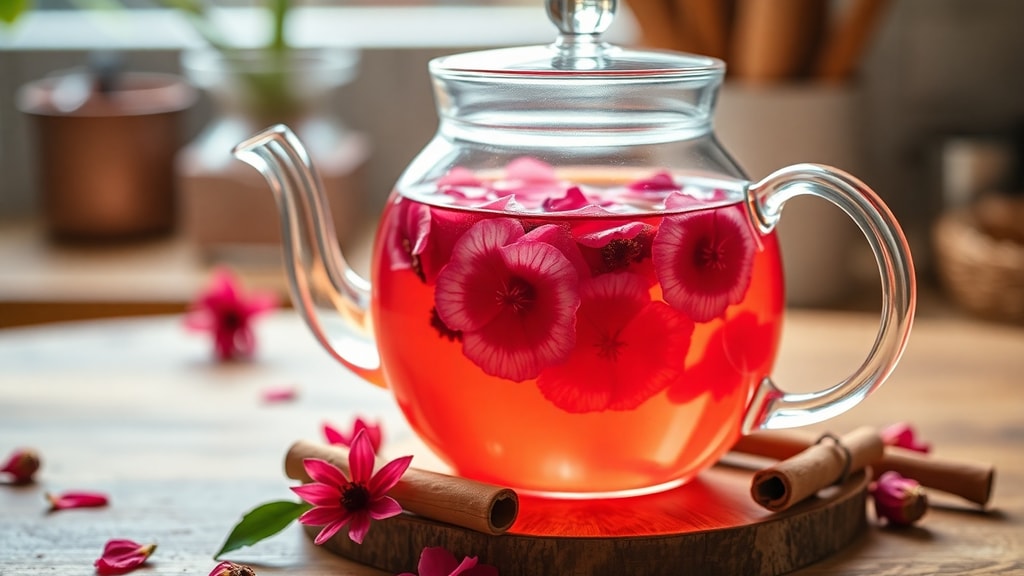
Ingredients: 4 cups of water, 2 tablespoons of dried hibiscus flowers, 1 cinnamon stick (or 1 teaspoon of ground cinnamon), and optional sweetener such as honey, agave syrup, or stevia to taste. You may also add a slice of lemon or orange for extra flavor.
Instructions: Bring the water to a boil in a medium saucepan. Add the dried hibiscus flowers and the cinnamon stick. Reduce the heat to low and let the mixture simmer for 10 to 15 minutes. The longer it simmers, the stronger the flavor and color will be. Remove the saucepan from the heat and let the tea steep for an additional 5 minutes. Strain the tea through a fine mesh strainer or cheesecloth into a teapot or pitcher to remove the flowers and any cinnamon residue. If you used ground cinnamon, you may need to strain through a coffee filter for a clear beverage. Sweeten to taste while the tea is still warm, stirring until the sweetener dissolves. Serve hot, or let it cool and refrigerate for a refreshing iced tea. The tea can be stored in the refrigerator for up to three days.
For a variation, you can add other spices such as ginger, cloves, or cardamom. Each addition will enhance the flavor profile and may add extra health benefits. If you prefer a stronger cinnamon taste, use two cinnamon sticks or let the sticks steep in the tea for up to 20 minutes. Remember that ground cinnamon tends to settle at the bottom, so stir before drinking if you leave it in the tea.
What the Research Says: Scientific Evidence and Limitations
Many of the health claims surrounding hibiscus tea with cinnamon come from traditional use and preliminary studies. Diuretic and metabolic effects: Research confirms that hibiscus has mild diuretic properties, which can help reduce water retention. Cinnamon also has compounds that may slightly increase metabolic rate through thermogenesis. However, studies consistently show that these effects are not strong enough to cause significant weight loss on their own. For meaningful changes, the tea must be part of a comprehensive approach including a calorie-controlled diet and regular physical activity.
Blood pressure and cholesterol: Several human studies have found that drinking hibiscus tea daily can lower systolic blood pressure by a few points in people with mild hypertension. The effect is attributed to the ACE-inhibiting properties of hibiscus flavonoids. Cinnamon has been shown to reduce total cholesterol and LDL cholesterol while raising HDL cholesterol in some trials. The combination of these two ingredients may offer moderate cardiovascular benefits, but results can vary based on individual health status and dosage.
Digestive and antioxidant benefits: The anti-inflammatory and antioxidant properties of both ingredients are well documented in laboratory studies. These effects translate to real-world benefits for digestion and cellular protection. The tea can help reduce inflammation in the gut and may alleviate mild digestive discomfort.
It is important to note that much of the research uses concentrated extracts or higher doses than what is typically consumed as tea. A single cup of hibiscus tea with cinnamon provides beneficial compounds, but the amounts are lower than those used in clinical trials. Therefore, while the tea supports health, it should not be relied upon as a primary treatment for medical conditions. Always consult a healthcare provider before using any herbal remedy for therapeutic purposes.
Who Should Drink It and Important Precautions
Hibiscus tea with cinnamon is generally safe for most adults when consumed in moderate amounts. It is a good choice for people who want a caffeine-free beverage with antioxidant properties. Those who experience mild fluid retention or occasional digestive discomfort may find the tea helpful. People concerned about blood sugar or blood pressure may also benefit from regular consumption as part of a healthy diet.
However, certain groups should exercise caution. Pregnant and breastfeeding women should avoid hibiscus tea because some compounds may stimulate uterine contractions or affect hormone levels. People with low blood pressure should monitor their intake, as hibiscus can further lower pressure. Cinnamon, especially Cassia cinnamon, contains coumarin, which can be harmful to the liver in large doses. Limit consumption to one or two cups per day and use Ceylon cinnamon for a lower coumarin content. Individuals taking medications for blood pressure, diabetes, or blood thinners should consult a doctor before adding this tea to their routine, as interactions may occur. For most people, drinking one to two cups of hibiscus tea with cinnamon daily is safe and can be a pleasant addition to a balanced lifestyle.
For more details on the general benefits of hibiscus tea, you can refer to this resource: Tua Saude article on hibiscus tea benefits. For additional information on the specific combination with cinnamon, this article provides further insights: MDBF article on hibiscus tea with cinnamon. These sources offer evidence-based perspectives that complement the information presented here.
References
Tua Saude. (2024). Cha de hibisco: 8 beneficios. Retrieved from https://www.tuasaude.com/hibisco/
Folhavitoria. (2024). Cha de hibisco com canela emagrece e melhora a digestao. Retrieved from https://www.folhavitoria.com.br/saude/cha-de-hibisco-com-canela-emagrece-e-melhora-a-digestao-veja-beneficios-viral/
MDBF. (2024). Cha de Hibisco com Canela: Beneficios. Retrieved from https://mdbf.com.br/artigo/cha-de-hibisco-com-canela/
Nestle Recipes. (2024). Conheca os beneficios do cha de hibisco. Retrieved from https://www.receitasnestle.com.br/artigos/conheca-os-beneficios-do-cha-de-hibisco
Saude News Blog. (2024). 7 beneficios do cha de hibisco com canela. Retrieved from https://blog.saudenewsblog.com.br/beneficios-do-cha-de-hibisco-com-canela/
Social1. (2024). 8 motivos incriveis para tomar cha de hibisco com canela. Retrieved from https://social1.ne10.uol.com.br/noticias/2024/04/09/8-motivos-incriveis-para-tomar-cha-de-hibisco-com-canela.html