Definition of Physical Abilities
Physical abilities, known in Spanish as capacidades físicas, refer to the innate physiological predispositions that determine an individual's physical condition and enable the execution of motor skills. These abilities are basic or conditional, meaning they are fundamental to all human movement and are observable, measurable, and improvable through systematic training. According to educational and sports science sources such as Inesem, physical abilities form the foundation upon which sport-specific skills are built. They are not fixed traits but rather dynamic qualities that respond to exercise, nutrition, and age. Understanding these capacities is essential for designing effective fitness programs, whether for elite athletes, recreational exercisers, or individuals recovering from injury. The study of physical abilities also helps in identifying strengths and weaknesses, allowing for targeted interventions to improve overall health and performance.
The Four Basic Conditional Capacities
Traditionally, physical abilities are classified into four core pillars that are quantitative in nature and directly influence physical performance. These are known as conditional capacities because they depend on energy processes and the muscular system. They include strength, endurance, speed, and flexibility. Each of these capacities can be developed through specific training methods and has distinct physiological underpinnings. Below is a summary of these basic capacities along with their primary characteristics:
| Capacity | Definition | Key Attribute |
|---|---|---|
| Strength (Fuerza) | Ability to overcome resistance through muscle contraction | Maximum force output |
| Endurance (Resistencia) | Ability to sustain physical effort over prolonged periods | Cardiorespiratory efficiency |
| Speed (Velocidad) | Ability to perform a motor action in the shortest possible time | Reaction and movement velocity |
| Flexibility (Flexibilidad) | Ability to achieve maximum range of motion at a joint | Joint mobility and elasticity |
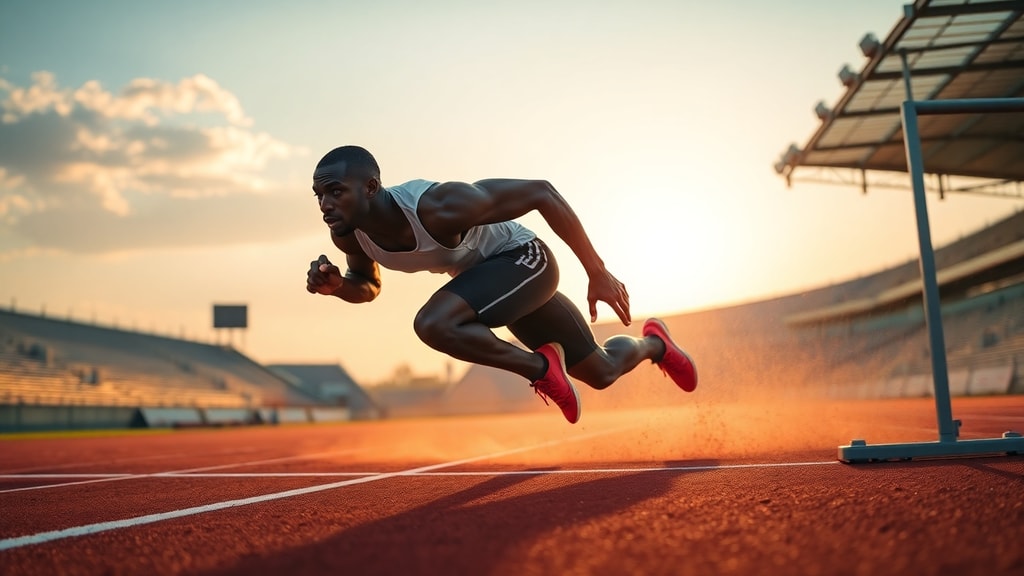
Strength is often considered the most fundamental because it underpins almost every movement, from lifting a heavy object to maintaining posture. Endurance, in contrast, is crucial for activities that last longer than a few seconds, such as distance running or cycling. Speed involves both reaction time and the rate of limb movement, making it vital in sports like sprinting and martial arts. Flexibility, though sometimes undervalued, reduces the risk of injury and improves overall movement quality. These four capacities are interrelated; for instance, explosive strength combines elements of both strength and speed, while muscular endurance merges strength and endurance. Training programs typically aim to develop all four in a balanced manner, though specific goals may emphasize one over the others.
Complementary Coordinative Capacities
Beyond the basic conditional capacities, there exists a set of complementary skills known as coordinative capacities. These depend heavily on the nervous system and are responsible for organizing movement efficiently. According to sources like FEES, coordinative abilities include coordination, balance, and agility. Coordination refers to the harmonious interaction of muscles to produce smooth, controlled movements. It involves both fine and gross motor skills and is essential for activities requiring precision, such as gymnastics or playing a musical instrument. Balance is the ability to maintain the body's center of mass over its base of support, both in static and dynamic situations. It is critical for walking, standing on one leg, and avoiding falls. Agility is often considered a derived capacity because it combines speed, coordination, and balance to allow rapid changes in direction and body position. Sports like basketball, soccer, and tennis rely heavily on agility. While coordinative capacities are not as directly measurable as strength or endurance, they are equally important for functional movement and sports performance.

Classification by Function
Physical abilities can also be categorized by their functional role in physical activity. This classification helps coaches and trainers understand which capacities are most relevant for different sports or everyday tasks. The three functional categories are basic capacities, complementary capacities, and derived capacities. Basic capacities, as outlined earlier, are those that intervene significantly in most sports: strength, endurance, and speed. They are the primary drivers of performance and require the most training attention. Complementary capacities, such as flexibility, coordination, and balance, are present in all movements but do not dominate the outcome of performance. For example, a marathon runner relies primarily on endurance, but flexibility still helps prevent injury. Derived capacities are created by combining basic and coordinative skills. Agility is the most common derived capacity, merging speed and coordination. Another example is explosive strength, which combines strength and speed. The ability to throw a ball far requires both muscular force and rapid limb acceleration. Understanding this classification allows practitioners to design more targeted training programs. For instance, a sprinter focuses on basic capacities of speed and strength, while a dancer emphasizes complementary capacities like flexibility and coordination. Below is a list summarizing these functional categories:
- Basic Capacities: Strength, Endurance, Speed (dominant in most sports)
- Complementary Capacities: Flexibility, Coordination, Balance (supportive but not dominant)
- Derived Capacities: Agility, Explosive Strength, Reaction Time (combination of basic and coordinative)
This classification, as referenced by Merino and Fernandez through Inesem and by Blazquez through Revista Activos, provides a practical framework for analyzing physical performance. It also highlights that no single ability works in isolation; successful movement relies on the integration of multiple capacities.

Trainability and Sensitive Phases
All physical abilities are improvable through systematic, organized exercise. This concept of trainability is central to sport science and physical education. According to research from sources like Revista Activos, the development of each capacity depends on three factors: genetics, age, and training load. Genetics sets an upper limit on potential, but consistent training can push an individual toward that limit. Age is crucial because there are specific windows of opportunity known as sensitive phases when a capacity improves most easily. For example, maximum strength gains are easiest to achieve during puberty, around ages 12 to 15 for boys and slightly earlier for girls. Speed and endurance respond well to training during childhood, between ages 7 and 12, when the nervous system is highly adaptable. Flexibility is most trainable in early childhood, but it can be maintained throughout life with regular stretching. These sensitive phases last three to five years and are tied to growth and hormonal changes. After these windows close, training can still produce improvements but with greater effort and slower progress. Understanding sensitive phases helps parents, coaches, and physical educators design developmentally appropriate programs. For adults, consistent training remains effective, but the focus shifts to maintenance and injury prevention.
Trainability also depends on the type of training load applied. Strength requires high resistance with fewer repetitions; endurance requires moderate resistance with many repetitions; speed requires explosive movements with full recovery; flexibility requires static or dynamic stretching with proper warm-up. A well-rounded physical conditioning program addresses all four basic capacities and integrates coordinative exercises for optimal results. Additionally, recovery and nutrition play supporting roles in the training process. Without adequate rest, the body cannot adapt to the stress of exercise, and without proper fuel, energy systems run inefficiently. Therefore, improving physical abilities is not just about exercise volume but about a holistic approach to health and performance.

References
Inesem. (n.d.). Capacidades físicas básicas: definición y clasificación. Retrieved from https://inesem.es
Revista Activos. (n.d.). Capacidades físicas: concepto y clasificación. Universidad Santo Tomás. Retrieved from https://usatomas.edu.co
FEES. (n.d.). Coordinative capacities in physical education. Retrieved from https://fees.cl
CSIF. (n.d.). Las capacidades físicas y su desarrollo. Retrieved from https://csif.es
Merino, R., & Fernández, M. (2019). Clasificación de las capacidades físicas. Inesem.
Blázquez, D. (2010). La educación física. INDE. Cited in Revista Activos.
YouTube Educational. (2021). Tema 1: Capacidades Físicas. (Referenced for sensitive phases).