Understanding Where Screenshots Are Stored on Your Laptop
Before you can delete a screenshot, you need to know where it lives on your laptop. When you capture an image using tools like the Print Screen key, the Snipping Tool, or Snip & Sketch, the file is typically saved in a dedicated folder. On most Windows laptops, this folder is located at C:Users[Your Username]PicturesScreenshots. The exact path may vary slightly depending on your system language and version, but the Pictures folder is the standard location. If you used the Print Screen key without an additional tool, the image might only be copied to your clipboard, not saved as a file. In that case, you have no file to delete unless you manually paste it into an application like Paint and then save it. Understanding this difference is the first step to managing your screenshots effectively.
Standard Deletion Methods for Saved Screenshots
Once you have located the screenshot file, deletion is straightforward. The most common method is right-clicking the file and selecting Delete from the context menu. Alternatively, you can select the file and press the Delete key on your keyboard. Both actions move the file to your Recycle Bin, which acts as a safety net. This allows you to recover the image if you change your mind later. For many users, this is the preferred approach because it prevents accidental permanent loss. The file remains in the Recycle Bin until you empty it, giving you a second chance to restore important images. You can also drag and drop the file directly into the Recycle Bin icon on your desktop, which achieves the same result.
Permanent Deletion: Bypassing the Recycle Bin
If you are certain you no longer need a screenshot and want to free up disk space immediately, you can bypass the Recycle Bin. Select the file and press Shift + Delete on your keyboard. A confirmation dialog will appear, asking if you are sure you want to permanently delete this file. Confirm by clicking Yes, and the file is erased instantly without moving to the Recycle Bin. This method is useful for sensitive images you do not want lingering on your system, even in temporary storage. Be cautious with this approach because recovery becomes much more difficult. Specialized data recovery software might still retrieve the file until the space is overwritten, but for most users, Shift + Delete provides a clean, permanent removal.

Deleting Screenshots Taken with the Snipping Tool or Snip & Sketch
Modern laptops running Windows often include the Snipping Tool or the newer Snip & Sketch application. These tools usually prompt you to save the captured image after you take it. If you save it, the file goes to your chosen location, often the Screenshots folder. To delete these, you can follow the standard deletion methods described above. However, if you capture a screenshot and close the tool without saving, the image is not stored as a file. It exists only in the clipboard or the tool's temporary memory. In that case, there is nothing to delete from your hard drive. You simply take a new screenshot or ignore the temporary data. The clipboard content is overwritten automatically when you copy something else.
What to Do When the Screenshot Was Only Pasted into an Application
Sometimes you might take a screenshot using the Print Screen key and immediately paste it into a document, email, or image editor. In this scenario, the image resides only within that application. It is not stored as a separate file on your laptop. To remove it, you need to delete it from within the application itself. For example, if you pasted it into Microsoft Word, you can select the image and press the Delete key. If you pasted it into an email draft, you can delete that draft or remove the image from the message. The key point is that there is no file to find in your folders. The memory of the screenshot on your clipboard is automatically cleared when you copy or cut something else, or when you restart your computer.
Managing Multiple Screenshots: Bulk Deletion
If you have accumulated many screenshots, deleting them one by one can be time-consuming. Windows allows you to select multiple files at once. Click on the first file, hold down the Ctrl key, and click on each additional file you want to delete. Alternatively, click on the first file, hold down the Shift key, and click on the last file to select a continuous range. Once all desired files are highlighted, right-click and choose Delete, or press the Delete key. All selected files will be moved to the Recycle Bin. For bulk permanent deletion, select the files and press Shift + Delete. You can also use the Ctrl + A shortcut to select all files in a folder quickly. This is especially helpful if your Screenshots folder has become cluttered over time.

| Deletion Method | Action | Result |
|---|---|---|
| Right-click and Delete | Right-click file, select Delete | File moves to Recycle Bin |
| Keyboard Delete Key | Select file, press Delete | File moves to Recycle Bin |
| Shift + Delete | Select file, press Shift + Delete | File permanently deleted |
| Empty Recycle Bin | Right-click Recycle Bin, select Empty Recycle Bin | All deleted files permanently removed |
Recovering a Deleted Screenshot from the Recycle Bin
If you deleted a screenshot using the standard method and it went to the Recycle Bin, recovery is simple. Double-click the Recycle Bin icon on your desktop to open it. Locate the screenshot file you want to restore. You can sort by date or name to make it easier. Right-click the file and select Restore. The file will be returned to its original location in the PicturesScreenshots folder. You can also restore all deleted files by clicking Restore all items in the toolbar. Keep in mind that files in the Recycle Bin still occupy disk space. If you need to free up space, you should empty the bin, but only after confirming you no longer need any of the deleted screenshots. Windows automatically deletes files from the Recycle Bin after a set period or when the bin reaches its storage limit.
Emptying the Recycle Bin to Finalize Deletion
When you delete a screenshot using standard methods, it is not truly gone until you empty the Recycle Bin. The file remains there, taking up space on your hard drive. To permanently erase all deleted files, right-click the Recycle Bin icon on your desktop and select Empty Recycle Bin. A confirmation dialog will appear. Click Yes to proceed. All files in the bin will be permanently deleted, and the space they used will become available for new data. You can also open the Recycle Bin and select Empty Recycle Bin from the toolbar. If you want to delete individual files permanently without affecting others, open the bin, right-click the specific file, and select Delete. That file will be permanently removed, while the rest remain in the bin.
Deleting Screenshots on macOS Laptops
If you are using a Mac laptop, the process is slightly different. Screenshots are typically saved to the desktop by default, with names like Screen Shot 2025-03-27 at 10.00.00 AM. You can delete them by dragging the file to the Trash or by right-clicking and selecting Move to Trash. You can also select the file and press Command + Delete. To permanently delete, you can use the Finder menu to empty the Trash, or right-click the Trash icon in the dock and select Empty Trash. For a permanent bypass, hold down the Command + Option keys while selecting Empty Trash. Clipboard screenshots on macOS behave similarly to Windows. If you capture an image with Command + Shift + Control + 3, it goes to the clipboard instead of the desktop, and you need to paste it somewhere to use it. There is no file to delete unless you save it manually.
Using File Explorer or Finder to Locate and Delete
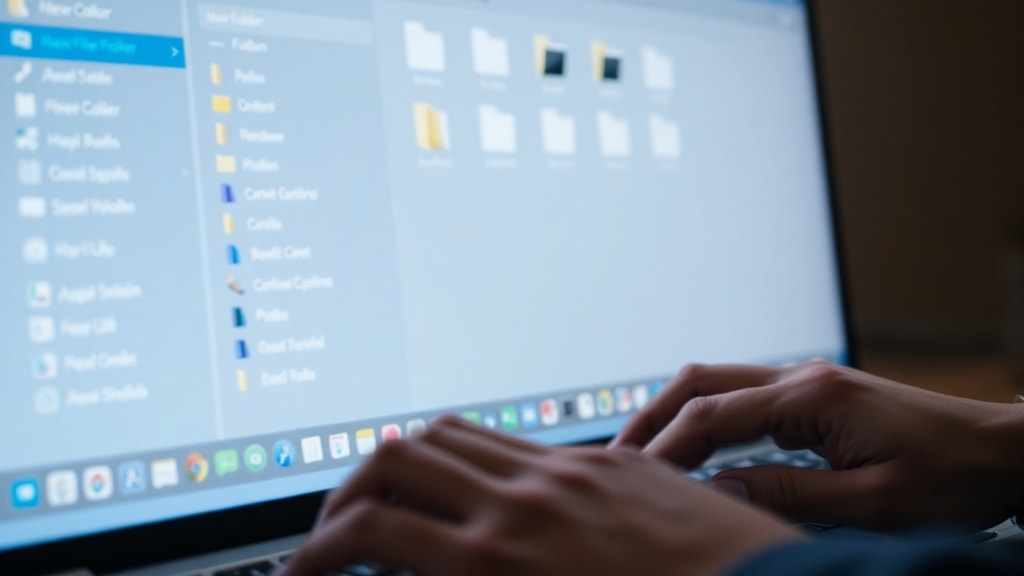
Sometimes you may not remember exactly where your screenshots are saved. On Windows, you can use File Explorer to search for files with screenshot in the name, or filter by file type such as PNG or JPG. Open File Explorer, navigate to your Pictures folder, and type Screenshots in the search box. You can also use the search feature to look for files created on a specific date. Once you have located the files, you can delete them using any of the methods described. On a Mac, use Finder to search for Screen Shot or look in the desktop folder. You can also check the Screenshots folder if you have customized the save location. The key is to be thorough, as screenshots from different tools might be stored in different places.
Common Mistakes and How to Avoid Them
Many users accidentally delete the wrong screenshot or delete a file only to realize it was needed later. To avoid this, take a moment to preview the image before deleting. Most file managers show a thumbnail preview so you can confirm the content. Another common mistake is assuming that screenshots are automatically deleted when you close the capture tool. This is rarely true. You must manually delete the saved file. Also, some users panic when they cannot find a screenshot they just took. Remember that if you used the Print Screen key alone, the image is on your clipboard and not saved anywhere. You must paste it into an application to save it. If you close that application without saving, the screenshot is lost and cannot be recovered. To prevent issues, consider setting your default screenshot tool to always prompt you to save or to save to a specific folder you can easily locate.
Third-Party Software for Screenshot Management
Some users prefer to use third-party screenshot tools, such as Lightshot, Greenshot, or Snagit. These applications often have their own save locations and deletion processes. If you use such software, check its settings to find where files are stored. Many of these tools allow you to delete screenshots directly from their interface or history panel. For example, Greenshot saves captures in a configurable folder, and you can delete files from within the program or through File Explorer. Third-party tools often provide features like automatic cloud upload or temporary storage, which may require you to delete files from the cloud as well. Always review the help documentation for the specific software you use to understand how to manage and delete your screenshots properly.

When Screenshots Are Stored in the Cloud
If you use cloud storage services like OneDrive, Google Drive, or Dropbox, your screenshots might be automatically synced to the cloud. This is common when the Screenshots folder is located within a cloud-synced directory. Deleting the file from your laptop will also delete it from the cloud if the sync is active. However, some services have a recycle bin or trash folder that holds deleted files for a set period. You may need to empty that online trash as well to fully remove the screenshot. To avoid unintended permanent deletion, check your cloud service settings. You can also turn off auto-sync for your Screenshots folder if you prefer to manage images locally. If you want to delete a screenshot from the cloud without affecting the local copy, you can do so through the cloud service's web interface or desktop application by moving the file to its own trash.
Tips for Organizing Your Screenshots to Reduce Clutter
Instead of constantly deleting screenshots, you can adopt habits that reduce clutter. First, regularly review your Screenshots folder and delete images you no longer need. Second, consider using a naming convention that helps you identify screenshots quickly, such as adding dates or project names. Third, create subfolders within the Screenshots folder for different projects or time periods. This makes it easier to delete entire batches of screenshots when a project is complete. Fourth, use the clipboard method for one-time use screenshots that you do not need to save. For example, if you quickly need to show something visually, paste it into an email or chat and delete the message later. These small habits can prevent your Screenshots folder from becoming overwhelming and save you time when deletion is necessary.
Privacy Considerations When Deleting Screenshots
Screenshots often contain sensitive information, such as personal messages, financial details, or login credentials. When deleting such images, it is important to ensure they are permanently removed and cannot be recovered. The Shift + Delete method or emptying the Recycle Bin is a good start. For highly sensitive data, you may want to use file shredding software that overwrites the file's data multiple times. On Windows, you can also use the cipher command to overwrite free space. On macOS, the Secure Empty Trash option was removed in recent versions, so you may need third-party tools for secure deletion. Additionally, if you use cloud services, check if deleted files remain in the trash for 30 days and empty that as well. Being mindful of privacy helps protect your personal information from falling into the wrong hands if your laptop is lost or compromised.

Automating Screenshot Deletion with Scripts or Settings
If you find yourself regularly needing to delete screenshots, you can automate the process. On Windows, you can create a simple batch script that deletes all files in the Screenshots folder older than a certain date. Use the Task Scheduler to run this script daily or weekly. Alternatively, you can use the Storage Sense feature in Windows 10 and 11 to automatically delete files in the Recycle Bin that have been there for a set period. You can also set up a quick action that empties the Screenshots folder with one click. For macOS users, Automator can create a folder action that deletes screenshots after a specified time. These techniques require some technical knowledge but can save significant time if you take many screenshots regularly. Always test such scripts carefully to avoid accidental loss of important files.
References
Microsoft Support. Usar a Ferramenta de Captura para obter capturas de tela. Microsoft Support.
Tecnobits. Como excluir capturas de tela no Windows 10. Tecnobits.
Apple Community. Como eliminar uma captura de ecrã. Apple Communities.
ptcomputador.com. Como excluir fotos do seu computador. ptcomputador.com.
Google Support. Excluir capturas de tela. Google Support.