Introduction to Truffle Recipes
The word truffle can mean two very different things in the culinary world. For many home cooks, a truffle is a rich chocolate confection that melts in your mouth, often dusted in cocoa powder or coated in dark chocolate. For others, a truffle is a rare and earthy fungus that adds a deep umami flavor to pasta, risotto, and oils. Both types have dedicated followers, and both can be made or prepared at home with the right guidance. This article explores easy truffle recipes for delicious homemade treats, covering the classic chocolate version as well as techniques for incorporating culinary truffles into your cooking. Whether you are planning a dessert platter or an elegant dinner, understanding these two distinct categories will expand your kitchen skills. We will look at a standard chocolate truffle base, variations to try, and simple methods for infusing dishes with the aroma of real truffles. By the end, you will be able to create homemade truffles that impress guests and family alike.
What Are Chocolate Truffles?
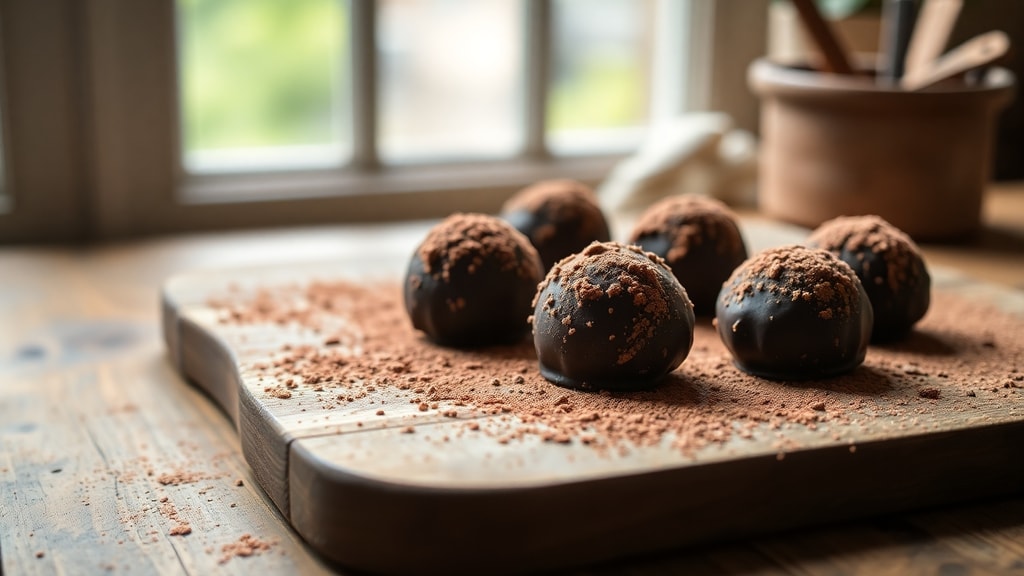
Chocolate truffles are a type of confectionery made from chocolate and cream, formed into small balls and often coated with cocoa powder, nuts, or chocolate. The name comes from their resemblance to the valuable truffle fungus found in nature. Unlike culinary truffles, chocolate truffles are sweet and rich, relying on high-quality chocolate and fresh cream for their texture. The basic process involves heating cream, pouring it over chopped chocolate, and stirring until the mixture becomes a smooth ganache. After chilling, the ganache is shaped into rounds and finished with a coating. This simple method allows for endless variations, from adding extracts to rolling in crushed peppermint or toasted coconut. The beauty of chocolate truffles is that they require no special equipment and can be ready in just a few hours, making them a perfect homemade treat for holidays, gifts, or a personal indulgence.
Easy Chocolate Truffle Recipe
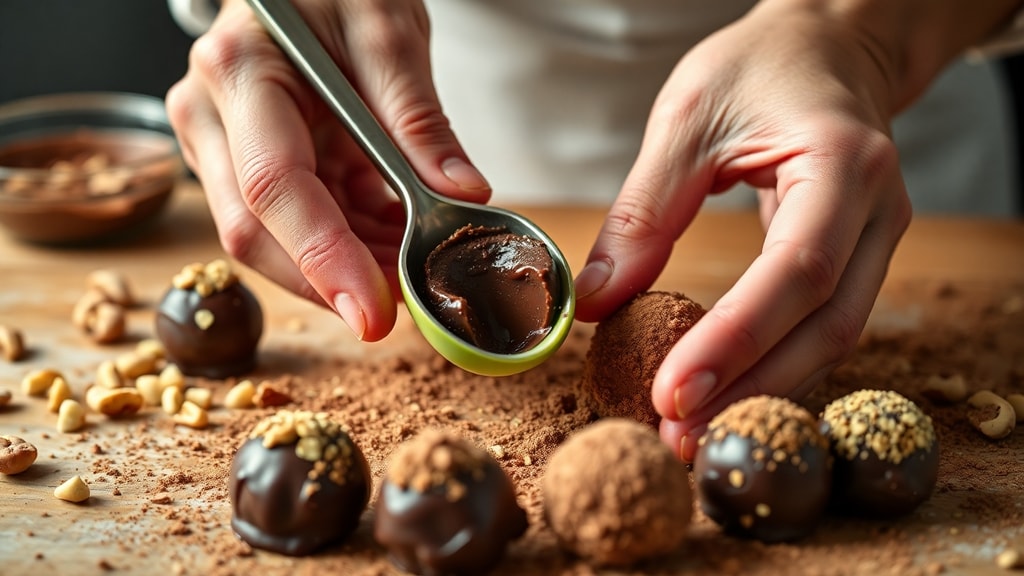
To make classic chocolate truffles at home, you need only a handful of ingredients. The following recipe yields about 24 truffles, depending on size. Start by measuring 200 grams of dark chocolate (at least 60% cocoa), chopped fine. Place it in a heatproof bowl. In a small saucepan, warm 120 milliliters of heavy cream over medium heat until it just begins to simmer. Do not let it boil. Pour the hot cream over the chocolate and let it sit undisturbed for three minutes. Then, gently whisk or stir until the chocolate is completely melted and the mixture is smooth. Add half a teaspoon of vanilla extract and stir to combine. This is your ganache. Cover the bowl and refrigerate for at least two hours, or until firm enough to scoop. Use a small melon baller or two teaspoons to form rounded balls, rolling them between your palms to shape. Roll each truffle in unsweetened cocoa powder, chopped nuts, or melted chocolate for a final coating. Store in an airtight container in the refrigerator for up to two weeks. For a variation, you can add a tablespoon of orange zest or a pinch of sea salt before chilling.
Table: Chocolate Truffle Coating Ideas
The table below lists several coating options for chocolate truffles, along with the texture and flavor contribution each provides.
| Coating | Texture | Flavor Note |
|---|---|---|
| Cocoa powder | Soft and slightly dusty | Bittersweet, intensifies chocolate |
| Finely chopped pistachios | Crunchy | Nutty, mild sweetness |
| Shredded coconut | Chewy | Tropical, sweet |
| Melted white chocolate | Smooth and hard | Creamy, very sweet |
| Crushed freeze-dried raspberries | Light and tart | Fruity, tangy contrast |
Understanding Culinary Truffles
Culinary truffles are a completely different ingredient. These underground fungi are prized for their intense aroma and earthy, umami flavor. The two most common varieties are black winter truffles and white Alba truffles. Black truffles have a robust, musky scent with notes of chocolate and earth, while white truffles are more delicate, with a garlicky, nutty perfume. Because truffles are expensive and highly perishable, they are often used sparingly as a finishing touch rather than cooked extensively. The key to cooking with truffles is to use gentle heat to release their aroma without destroying it. For home cooks, the easiest ways to enjoy truffles are through infused butter or oil. You can also shave fresh truffles directly over hot pasta, risotto, or scrambled eggs. The aroma blooms as the food warms, creating a luxurious experience. When buying truffles, look for firm specimens with strong scent. Store them in a paper bag in the refrigerator and use within a week for best results.
Truffle Infusion Methods
Preparing truffle butter or oil at home is straightforward and allows you to stretch a small amount of truffle across several meals. For truffle butter, soften 100 grams of unsalted butter to room temperature. Finely grate about 10 grams of fresh black truffle and mix it into the butter. Add a pinch of salt if desired. Form the butter into a log using plastic wrap and refrigerate. The truffle butter can be stored for up to one month and used to finish steaks, vegetables, or pasta. For truffle oil, gently warm 120 milliliters of mild olive oil in a pan. Do not let it get hot. Remove from heat and stir in 5 grams of grated truffle. Cover and let infuse overnight at room temperature. The oil should be used within three days because the truffle will lose intensity and may spoil. You can also combine both methods by melting a slice of truffle butter into a finished risotto and then drizzling a little truffle oil on top for an extra layer of flavor.
List: Tips for Working with Culinary Truffles
- Always buy fresh truffles from a reputable source. They should be firm and heavily scented.
- Store truffles in a sealed container with rice or paper towels to absorb moisture. Change the paper daily.
- Grate or shave truffles directly onto hot dishes just before serving to maximize aroma.
- Never boil truffles or cook them at high heat, as the flavor will dissipate.
- Use a dedicated truffle slicer or a very sharp knife for thin, even shavings.
- Try pairing truffles with ingredients like eggs, parmesan cheese, potatoes, or mushrooms for complementary flavors.
Combining Both Worlds: Chocolate and Culinary Truffle Pairings
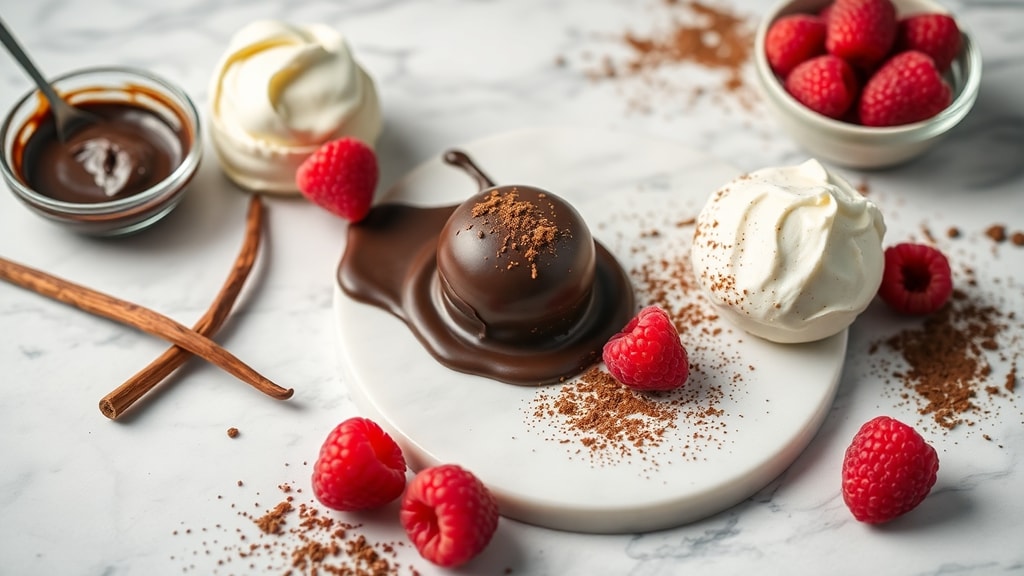
While chocolate truffles and culinary truffles are typically used in separate occasions, adventurous cooks can combine them for unexpected flavor profiles. For example, a dark chocolate truffle can be dusted with cocoa powder that includes a tiny amount of finely grated black truffle. The earthy notes of the truffle can enhance the bitterness of dark chocolate, creating a sophisticated dessert. Alternatively, you can make a savory chocolate sauce by melting dark chocolate with truffle oil and cream, then drizzling it over roasted root vegetables or grilled meats. Such combinations are not traditional but can be a delightful experiment for those who enjoy complex flavors. When doing this, use high-quality chocolate and fresh truffle sparingly, as the truffles flavor should complement rather than overwhelm the chocolate.
Recipe Variations for Chocolate Truffles
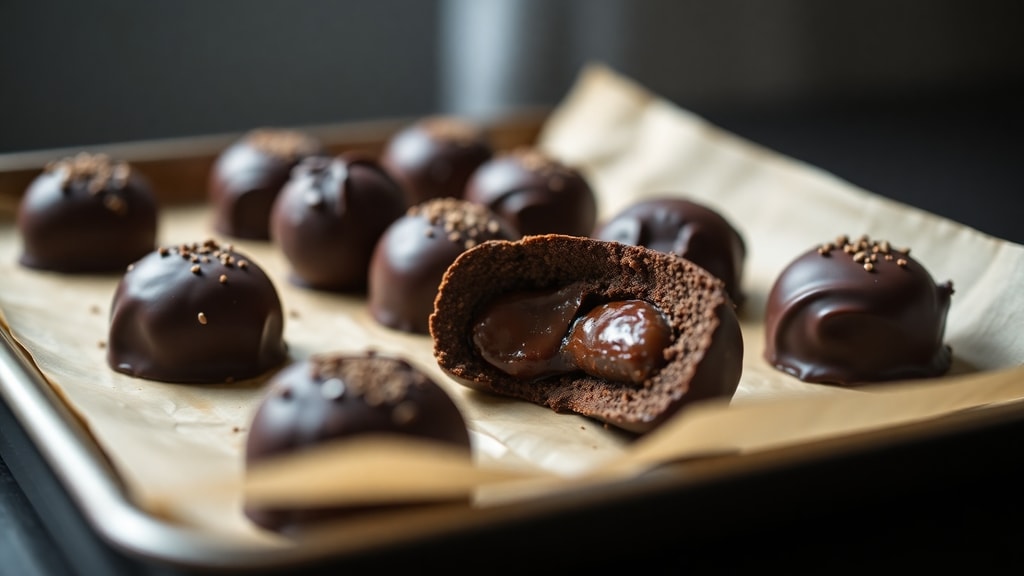
Once you master the basic chocolate truffle recipe, you can customize it in many ways. Swap dark chocolate for milk or white chocolate for a sweeter, creamier ganache. Add a tablespoon of liqueur such as Grand Marnier, Kahlúa, or bourbon to the warm cream before mixing. Stir in a teaspoon of instant espresso powder to deepen the chocolate flavor. For a vegan version, use coconut cream instead of heavy cream and dark chocolate without dairy. Roll the truffles in colorful sprinkles or edible gold dust for festive occasions. You can also inject truffles with a liquid filling like caramel or raspberry coulis using a pastry bag. The possibilities are endless, and each variation yields a unique homemade treat. For detailed step-by-step instructions, you can refer to this AllRecipes guide on making chocolate truffles.
How to Incorporate Culinary Truffles into Everyday Cooking
Not every home cook has access to fresh truffles, but you can still enjoy the flavor by using truffle salt, truffle honey, or truffle sauce from specialty stores. If you do acquire fresh truffles, use them wisely. Shave thin slices over a warm mushroom risotto or scrambled eggs. Mix grated truffle into softened butter and spread it on toast. For a quick appetizer, top crostini with a smear of truffle butter and a slice of Parmesan. You can also make a simple truffle pasta by tossing cooked tagliatelle with butter, cream, Parmesan, and a generous shaving of truffle. The heat from the pasta releases the truffles essential oils, filling your kitchen with a luxurious aroma. For more ideas, this ultimate guide to truffles from Yummy Mummy Kitchen offers practical tips and recipes for using culinary truffles at home.
Storage and Shelf Life
Proper storage is crucial for both types of truffles. Chocolate truffles should be kept in an airtight container in the refrigerator, where they will stay fresh for up to two weeks. If you want to keep them longer, you can freeze the shaped truffles (without coating) for up to three months. Thaw in the refrigerator before coating and serving. Culinary truffles have a much shorter shelf life. Fresh truffles are best used within five to seven days. Wrap them in a paper towel and place in a jar with a lid in the fridge. Change the paper daily to prevent moisture buildup. Truffle butter can last up to one month refrigerated, while truffle oil infused at home should be used within three days to avoid rancidity or bacterial growth. Commercially made truffle oil often contains synthetic flavor and lasts longer, but it lacks the subtlety of fresh infusion.
Final Thoughts on Homemade Truffles
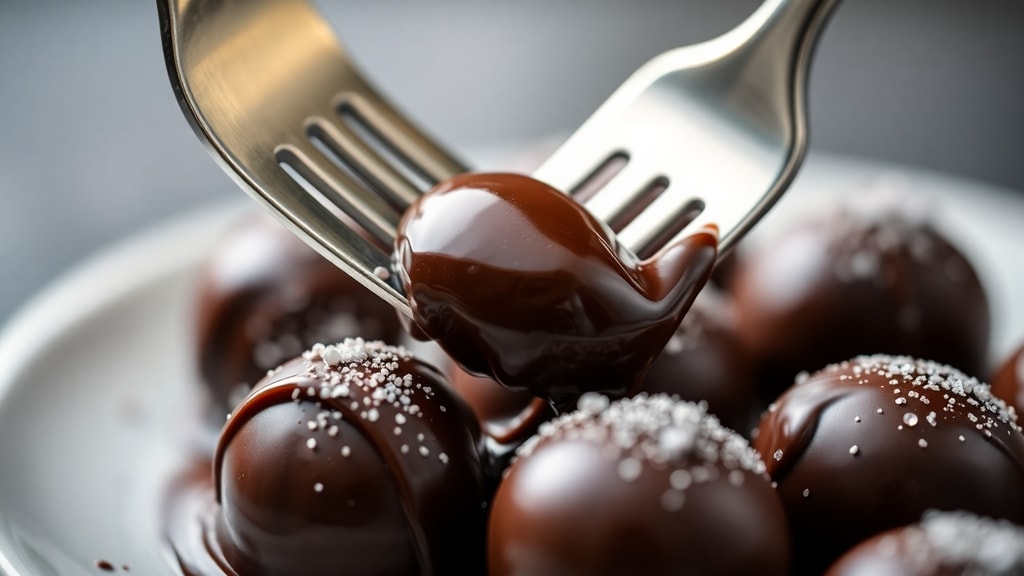
Making truffles at home, whether chocolate or culinary, is a rewarding culinary endeavor. Chocolate truffles are simple enough for a beginner but elegant enough for a dinner party. Culinary truffles allow you to experience one of the worlds most prized ingredients without spending a fortune at a restaurant. By following the easy recipes and tips provided in this article, you can create delicious homemade treats that showcase the best of both worlds. Experiment with different coatings, infusion times, and pairings to find your personal favorites. Remember that the quality of your ingredients matters especially when working with chocolate and truffles. Use good chocolate and fresh truffles whenever possible. With practice, you will gain confidence and develop a deeper appreciation for these versatile ingredients.
References
Safeway Recipes. Chocolate Truffles. Accessed 2025. https://www.safeway.ca/recipes/chocolate-truffles/
AllRecipes. How to Make Chocolate Truffles. Accessed 2025. https://www.allrecipes.com/recipe/277647/how-to-make-chocolate-truffles/
Yummy Mummy Kitchen. The Ultimate Guide to Truffles. Accessed 2025. https://www.yummymummykitchen.com/2021/10/the-ultimate-guide-to-truffles.html
D'Artagnan Foods. Black Truffles Recipes and Uses. Accessed 2025. https://www.dartagnan.com/black-truffles-recipes-and-uses.html
Culinary Crafts. Everything You Want to Know About Truffles. Accessed 2025. https://culinarycrafts.com/everything-you-want-to-know-about-truffles/
Wikipedia. Chocolate truffle. Accessed 2025. https://en.wikipedia.org/wiki/Chocolate_truffle