Introduction
Engaging older adults in structured group activities is more than just a way to pass the time. These moments create opportunities for social connection, mental stimulation, and emotional expression. As people age, maintaining an active social life becomes essential for mental health and cognitive resilience. Fun group activities designed specifically for seniors can help reduce feelings of loneliness, improve memory recall, and encourage physical movement in a safe and supportive environment. The key is to choose exercises that are enjoyable, low-pressure, and adaptable to different physical and cognitive abilities. In this article, we explore a variety of evidence-based dynamics that can be used in senior centers, nursing homes, or even family gatherings. Each activity focuses on different aspects of well-being, from memory and creativity to emotional awareness and social bonding. By incorporating these ideas into regular programming, caregivers and facilitators can create a vibrant, engaging atmosphere that honors the experiences and dignity of every participant.
Benefits of Group Activities for Seniors
Group activities offer multiple advantages for older adults. Social interaction helps combat isolation and depression, which are common concerns in the third age. Cognitive challenges, such as word games and memory exercises, keep the brain active and may slow age-related decline. Physical elements, like gentle dancing or passing a balloon, promote mobility and coordination. Emotional activities, such as sharing stories or expressing feelings through colors, allow seniors to process their experiences and feel understood. Moreover, participating in a group builds a sense of belonging and purpose. When activities are designed to be collaborative rather than competitive, they encourage mutual support and laughter. The following sections describe specific dynamics that can be easily implemented with minimal materials. They are drawn from programs used in care settings and have been adapted for accessibility.
Interactive Memory Games: The Balloon Question Game
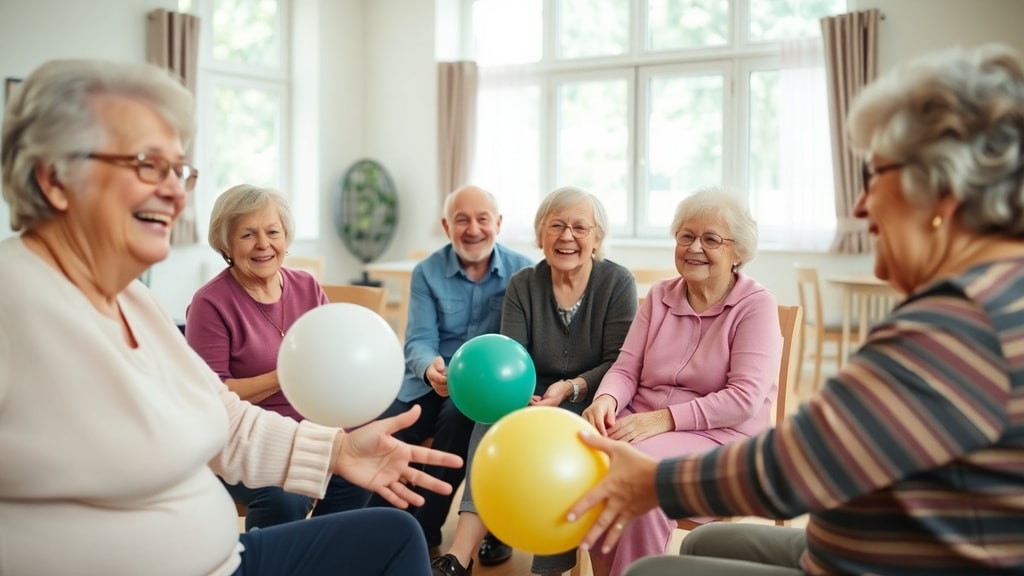
One of the most engaging group dynamics for seniors is the "Balão de Perguntas," or question balloon game. This activity combines music, movement, and memory recall. Participants sit in a circle and pass a balloon while music plays. When the music stops, the person holding the balloon picks a hidden question from inside the balloon or from a bowl nearby. The question might be about a favorite childhood memory, a hobby, or a simple fact like "What is your favorite season?" The person answers, and the game continues. This exercise stimulates long-term memory and encourages storytelling. It also builds social bonding because everyone learns something new about each other. Facilitators can adjust the difficulty of questions based on the group. For more information on how to set up this game, visit My Activities guide on senior dynamics. The balloon game works well in groups of five to twenty people and requires only a balloon and a list of questions.
Emotional Awareness Through Color
Another powerful dynamic focuses on emotional expression using colored paper. Each elder chooses a piece of colored paper that represents their current mood. For example, blue might indicate calmness, yellow happiness, and red energy. Participants then gather by color group and discuss for ten to fifteen minutes why they chose that color. After the discussion, the whole circle shares highlights. This activity reinforces emotional awareness and communication skills. It allows seniors to articulate feelings in a non-verbal way before speaking, which can be easier for those with speech difficulties. The facilitator can guide the conversation by asking open-ended questions. This exercise is especially effective for groups that meet regularly because it helps track emotional trends. To learn more about implementing this color-based dynamic, see the resource from Ultralabor's collection of senior games. The activity requires only colored sheets of paper and a safe space for sharing.
Storytelling with Objects to Spark Creativity
Creativity is a wonderful way to engage seniors, especially through storytelling with objects. In this activity, each participant receives a small object such as a clay shape, a button, a feather, or a wooden block. The facilitator starts a story with a simple sentence, like "Once upon a time, a little key was found in the garden." Then each person, in turn, adds a sentence to the story incorporating their object. This encourages active listening, imagination, and collaborative narrative building. Alternatively, elders can model their own objects using clay and then explain what they created. This version promotes fine motor skills and self-expression. The activity can be repeated with different themes, such as holidays or personal memories. It works well in small groups of six to twelve people. No special skills are required, and the materials are inexpensive. The shared story often becomes a source of laughter and pride.
Expressing Emotions with Balloon Art
Combining art and emotion, the emotion balloon art activity gives seniors a creative outlet. Each person receives a balloon and a set of markers. They are asked to choose a balloon color that matches their current mood, just as in the color paper exercise. Then, they draw facial expressions on the balloon to represent that emotion. For example, a happy balloon might have a big smile, while a worried balloon might have furrowed brows. After drawing, participants explain their choices to the group. This activity promotes self-expression and empathy, as elders see and hear about each other's feelings. It is particularly useful for groups where verbal communication is limited; the visual and tactile elements provide alternative ways to connect. The balloons can be displayed afterward as a gallery, reinforcing a sense of accomplishment. This dynamic is simple, fun, and deeply human.
Rhythm and Word Challenges for Cognitive Stimulation
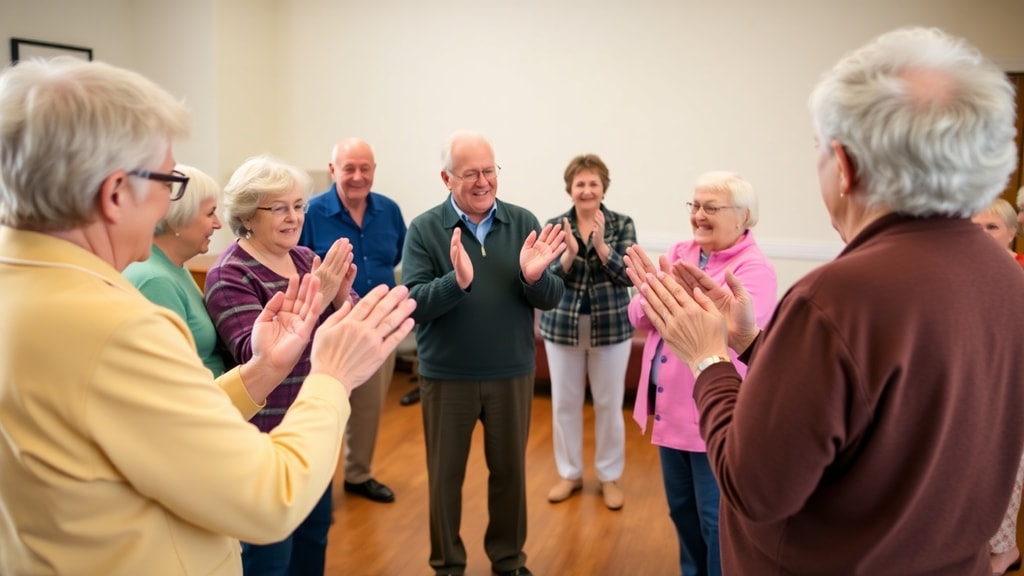
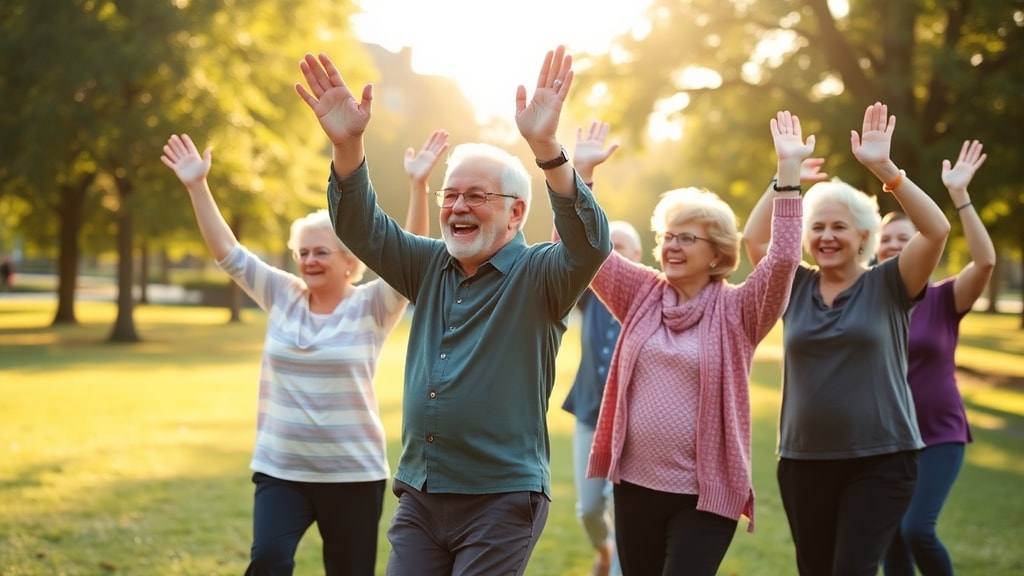
Cognitive agility is vital for seniors, and rhythm-based word games offer an enjoyable workout. In this activity, participants sit in a circle. The leader claps a steady rhythm or uses a drum. The leader calls out a category, such as fruits, animals, or cities. Going around the circle, each person must say a word from that category in rhythm, without repeating what has already been said. If someone repeats or misses the beat, they are not eliminated but simply laugh and continue. The game enhances attention, word retrieval, and auditory processing. It also encourages quick thinking in a low-stakes setting. Variations include using alliteration or rhyming words. This exercise can be adapted for people with dementia by allowing extra time or using visual cues. The rhythmic aspect also provides mild physical activity if participants clap along. It is a favorite in many senior groups because it is both challenging and hilarious.
Building Connections Through Dance and Conversation
Social connection is a cornerstone of well-being, and a simple partner-swapping dance activity fosters it beautifully. Elders form pairs and dance gently to calm music while conversing about a prompt, such as "Tell your partner about a favorite vacation." After a few minutes, a signal (like a bell or music pause) indicates that everyone should swap partners. This continues for several rounds, allowing each person to interact with many others. The dance can be as simple as swaying or stepping side to side. The conversation element ensures that even those who cannot dance still participate fully. This activity reduces isolation and builds a sense of community. It is especially effective in groups where some members are shy; the structured rotation removes the pressure of initiating conversation. Facilitators should ensure the music tempo is slow and the floor is safe. It is a joyful way to spend fifteen to twenty minutes.
Memory Challenges with Personal Images
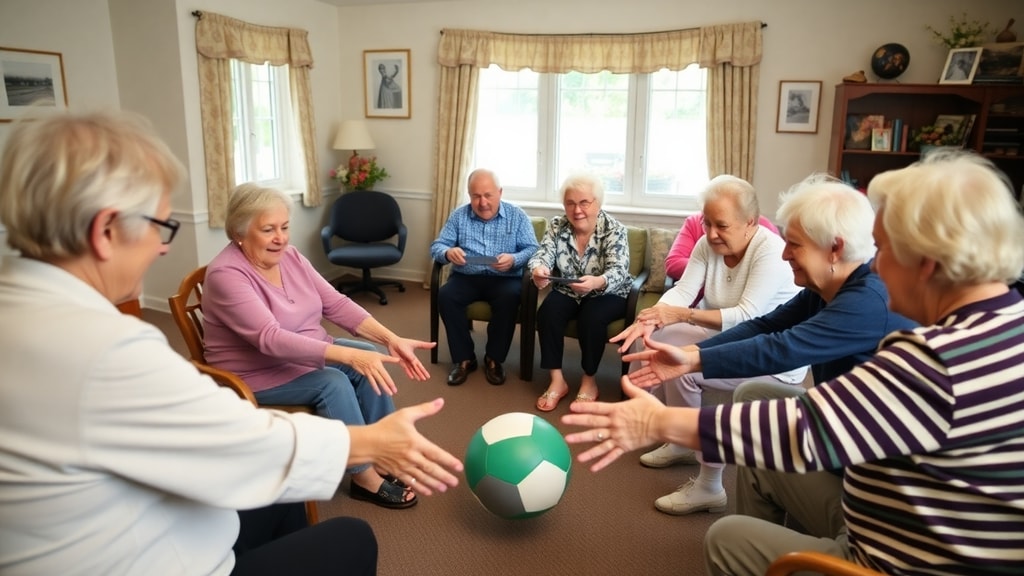
Personal memories are powerful tools for engagement. In this activity, the facilitator collects magazines or printed images related to common life events: professions, hobbies, holidays, family scenes, or nature. Each elder selects an image that reminds them of a personal experience. For example, a picture of a sewing machine might remind someone of their career as a tailor. Then, each person shares why they chose that image and tells a short story connected to it. This exercise reinforces autobiographical memory and identity. It also allows others to learn about each other's lives, building mutual respect. Variations include matching images to a list of life milestones or creating a group collage. This activity requires minimal preparation and can be repeated with different theme sets. It works well for all cognitive levels because participants can choose images that resonate with them.
A Simple List of Quick Group Activities for Seniors
For facilitators looking for easy-to-implement ideas, here is a list of activities that require few materials and little setup:
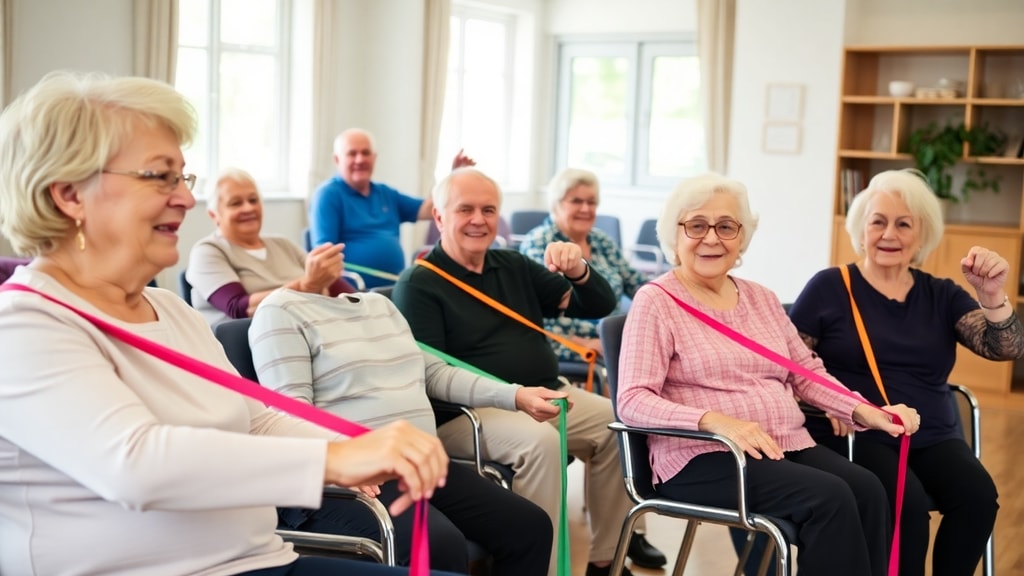
- Pass the Balloon with Questions: A memory and social bonding game.
- Color Your Emotion: Using colored paper to discuss feelings.
- Object Storytelling: Collaborative story creation with small objects.
- Emotion Balloon Art: Drawing faces on balloons to express mood.
- Rhythm Word Game: Clapping and naming words by category.
- Partner Dancing with Conversation: Swapping partners to build social ties.
- Image Memory Match: Choosing pictures connected to personal stories.
- Name That Tune: Playing short song clips and guessing titles.
- Chair Yoga with Breathing: Gentle movement and relaxation.
- Group Puzzle: Completing a large jigsaw puzzle together.
Comparison of Activities by Benefits
The following table summarizes key activities and their primary benefits, making it easier for facilitators to choose based on group needs.
| Activity | Primary Benefit | Materials Needed |
|---|---|---|
| Balloon Question Game | Memory recall, social bonding | Balloon, question slips, music |
| Color Paper Discussion | Emotional awareness, communication | Colored paper sheets |
| Storytelling with Objects | Creativity, active listening | Small objects or clay |
| Emotion Balloon Art | Self-expression, empathy | Balloons, markers |
| Rhythm Word Game | Cognitive agility, attention | Drum or hands for clapping |
| Dance & Partner Swap | Social connection, gentle movement | Music, safe floor space |
| Personal Image Memory | Autobiographical memory, identity | Magazines or printed images |
Key Considerations for Facilitating Senior Activities
When leading group activities for seniors, it is important to prioritize comfort and inclusion. Always choose a room with good lighting, accessible seating, and minimal background noise. Be mindful of physical limitations: offer seated options for movement games, and use large-print materials for reading tasks. Keep instructions simple and demonstrate each step. Allow extra time for responses, especially in activities that require memory or speech. Encourage participation without pressure; some seniors may prefer to watch initially. Use positive reinforcement and celebrate every effort. It is also helpful to repeat favorite activities regularly, as familiarity builds confidence. Finally, observe group dynamics and adapt as needed. The goal is not perfection but connection and enjoyment.
References
The activities and ideas described in this article are based on evidence-based practices and resources from organizations focused on senior care and cognitive stimulation. The following sources were consulted for the dynamics and their descriptions:
Lucid Group Activities. "Dinâmicas para Idosos: Balão de Perguntas." My Activities. Available at: https://myactivities.com/dinamicas-para-idosos
Memory & Creativity Drill. "Brincadeiras para Fazer com Idosos." Ultralabor. Available at: https://ultralabor.com.br/brincadeiras-para-fazer-com-idosos
Storytelling with Objects. "Dinâmicas para Idosos: Criatividade e Escuta Ativa." Ivens Educacional. Available at: https://ivenseducacional.com.br/blog/dinamicas-para-idosos
Emotion Balloon Art. "Dinâmicas para Idosos: Expressão e Empatia." Psiqueasy. Available at: https://psiqueasy.com.br/Din%C3%A2micas-para-Idosos
Rhythm & Word Game. "Dinâmicas para Idosos: Estimulação Cognitiva." Blog Psiqueasy. Available at: https://blog.psiqueasy.com.br/Din%C3%A2micas-para-Idosos
Group Acclimation Dance. "Dinâmicas de Grupo para Idosos." SPS CE. Available at: https://sps.ce.gov.br/Din%C3%A2micas-de-Grupo
Pinterest Memory Challenge. "Atividades de Memória com Imagens." YouTube. Available at: https://youtube.com/watch?v=RasdWYQ9-ZA