The Meaning of Indigenous Culture
Indigenous culture refers to the social norms, traditions, beliefs, and lifestyles of the original inhabitants of a given region. These communities have lived in connection with their ancestral lands for thousands of years, long before colonial powers arrived. Indigenous cultures are among the most diverse in the world, encompassing unique languages, spiritual practices, art forms, and governance systems. Understanding indigenous culture is not just about studying the past; it is about recognizing living traditions that continue to shape communities today. The term indigenous itself covers a vast and varied group, including First Nations, Inuit, and Métis in Canada, Aboriginal and Torres Strait Islander peoples in Australia, and hundreds of other distinct groups across the globe.
The Deep History of Indigenous Peoples
Indigenous cultures represent some of the oldest continuous living civilizations on Earth. For example, Aboriginal Australians have maintained a continuous presence on the continent for at least 60,000 years. This makes them the oldest surviving culture in the world. Their history is not recorded in written texts but is preserved through oral traditions, songs, and ceremonial practices passed down from generation to generation. Similarly, indigenous groups in the Americas, from the Navajo to the Maya, have histories that span thousands of years, with complex societies, advanced agriculture, and profound astronomical knowledge. This deep history is fundamental to understanding the resilience and richness of indigenous heritage.
Language and Knowledge Systems
Language is a cornerstone of indigenous culture. Each language carries unique ways of understanding the world, including ecological knowledge, spiritual concepts, and social relationships. However, indigenous languages are disappearing at an alarming rate. According to the United Nations, one language dies approximately every two weeks, taking with it irreplaceable knowledge about medicine, biodiversity, and sustainable living. When a language disappears, so does a unique worldview. For instance, many indigenous languages have no word for ownership of land but instead describe relationships of care and reciprocity with nature. Efforts to revitalize indigenous languages are underway globally, from immersion schools in Hawaii to digital archives for Australian Aboriginal languages.
Spirituality and Connection to Land
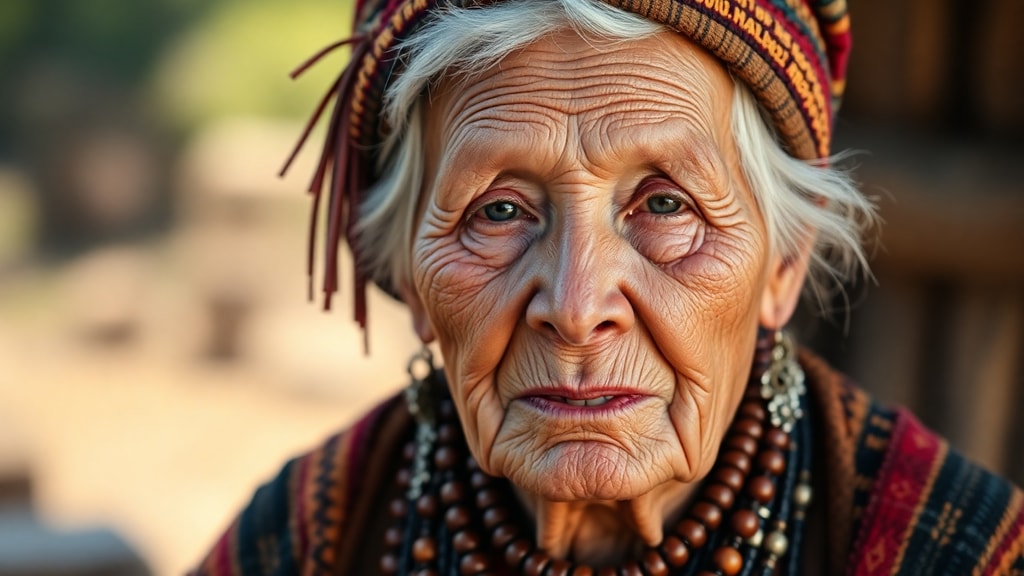
Central to most indigenous cultures is a profound spiritual relationship with the land. Land is not seen as property to be bought or sold but as a living relative, a source of identity and belonging. Many indigenous belief systems emphasize balance, respect, and the interconnectedness of all living things. Rituals, ceremonies, and seasonal migrations are often tied to natural cycles. For example, many First Nations in Canada hold ceremonies to honor the first salmon run or the ripening of wild berries. This spirituality is not separate from daily life but woven into how people hunt, gather, farm, and build communities. The land provides not only physical sustenance but also cultural and spiritual nourishment.
Protectors of Biodiversity
Indigenous peoples are the most effective guardians of the world's remaining biodiversity. Although they represent only about 5% of the global population, indigenous communities protect an estimated 80% of the world's biodiversity. This is not accidental. Traditional land management practices, such as controlled burning in Australia and rotational farming in the Amazon, have maintained healthy ecosystems for millennia. Modern conservation increasingly recognizes the value of indigenous knowledge, known as Traditional Ecological Knowledge (TEK). This knowledge includes sustainable harvesting, fire management, animal tracking, and plant use. Protecting indigenous cultures is therefore directly tied to protecting the planet's biodiversity.
Key Facts About Indigenous Cultures
To better understand the scale and importance of indigenous cultures, consider the following key points drawn from global data:
- The oldest continuous living cultures date back at least 60,000 years, with Aboriginal Australians as a prime example.
- There are approximately 476 million indigenous people in the world, spread across 90 countries.
- Indigenous peoples protect 80% of the world's remaining biodiversity through traditional stewardship.
- One indigenous language disappears every two weeks, representing the loss of vast cultural and ecological knowledge.
- Indigenous art, such as Australian rock art, dates back 30,000 to 33,000 years and serves as a vital record of history and spirituality.
- Sustainable practices are deeply embedded, such as using every part of a hunted animal or fish and never taking more than what is needed.
Art, Music, and Storytelling
Indigenous art is one of the most visible and celebrated aspects of these cultures. From the intricate dot paintings of Aboriginal Australians to the totem poles of the Pacific Northwest, indigenous art is loaded with meaning. It is often not purely decorative but serves as a map, a historical record, and a spiritual artifact. Australian Aboriginal rock art, for example, has been found to be at least 30,000 years old, making it one of the oldest art traditions on the planet. Music and storytelling are also central. Oral traditions are used to pass down knowledge of the land, laws, and creation stories. These narratives are not just stories but are living guides for how to live responsibly within a community and with nature.
Despite Colonial Erasure, Cultures Persist
The history of indigenous cultures is also a history of colonization, forced assimilation, and cultural erasure. Policies such as the Indian Residential School system in Canada and the Stolen Generations in Australia deliberately sought to destroy indigenous languages, spiritual practices, and family structures. Despite these atrocities, indigenous cultures have not disappeared. Instead, they have shown incredible resilience, adapting while maintaining core traditions. Today, there is a powerful cultural resurgence. Indigenous communities are reclaiming languages, reviving ceremonies, and asserting their rights to self-governance and land. This resilience is a testament to the strength and vitality of indigenous cultures.
Traditional Practices and Sustainability
Indigenous cultures provide valuable lessons in sustainability. For centuries, these communities have practiced ways of living that do not deplete resources but rather maintain ecological balance. The principle of taking only what is needed is fundamental. For example, traditional hunting and fishing practices ensure that animal populations remain healthy for future generations. Some communities also practice companion planting, such as the "Three Sisters" method of growing corn, beans, and squash together, which enhances soil fertility and crop yield. Learning from these traditional practices is increasingly important as the world faces climate change and environmental degradation. For more on how traditional ecological knowledge informs modern conservation, you can explore resources from the United Nations on indigenous culture.
Diverse Groups Under One Term
It is important to recognize that the term "indigenous" encompasses a vast diversity of peoples, each with distinct cultures, languages, and histories. In Canada, the term includes First Nations, Inuit, and Métis. In Australia, it includes Aboriginal and Torres Strait Islander peoples. In the Amazon, there are hundreds of distinct tribes, some with no contact with the outside world. Each group has its own unique traditions, governance structures, and spiritual beliefs. This diversity means that there is no single indigenous culture but rather a rich tapestry of cultures. Respecting this diversity is key to understanding and supporting indigenous rights.
Indigenous Culture Today: Resilience and Revival
In the contemporary world, indigenous culture is not static. It is living and evolving. Indigenous artists, filmmakers, writers, and activists are using modern media to tell their own stories and challenge stereotypes. There is a growing movement to incorporate indigenous knowledge into education, science, and governance. Many countries now have Indigenous Peoples' Day to honor these cultures. However, challenges remain, including poverty, discrimination, and continued land dispossession. Supporting indigenous culture means supporting indigenous sovereignty, respecting treaty rights, and amplifying indigenous voices. To learn more about the specific facts and global context, you can read this detailed resource on facts about Aboriginal culture in Australia.
Table: Examples of Indigenous Cultural Groups and Their Heritage
The following table highlights just a few of the many indigenous groups around the world and key aspects of their culture.
| Region | Indigenous Group | Key Cultural Feature | Estimated Population |
|---|---|---|---|
| Australia | Aboriginal and Torres Strait Islander | World's oldest continuous culture, Dreamtime stories, dot painting | 984,000 |
| Canada | First Nations, Inuit, Métis | Potlatch ceremonies, totem poles, Inuit throat singing | 1.8 million |
| United States | Navajo Nation | Diné language, weaving, code talkers in WWII | 300,000 |
| Amazon Basin | Yanomami | Shamanism, horticulture, deep forest knowledge | 35,000 |
| Scandinavia | Sami | Reindeer herding, joik (traditional singing), handcrafts | 80,000 |
References
Evolve Communities. "Facts About Aboriginal Culture in Australia." Accessed October 2023. https://www.evolves.com.au/facts-aboriginal-culture-australia/
United Nations. "Who are indigenous peoples?" Factsheet. https://www.un.org/esa/socdev/unpfii/documents/5session_factsheet1.pdf
United Nations. "Culture | United Nations For Indigenous Peoples." Accessed October 2023. https://www.un.org/development/desa/indigenouspeoples/mandated-areas1/culture.html
HCOS. "5 Fun Facts about Indigenous Cultures of Canada." Accessed October 2023. https://onlineschool.ca/5-fun-facts-indigenous-cultures-student-council/
National Geographic Kids. "Aboriginal Arts and Culture facts for kids." Accessed October 2023. https://www.natgeokids.com/uk/discover/history/general-history/aboriginal-arts-and-culture/
Indigenous and Northern Affairs Canada. "Indigenous peoples and communities." https://www.rcaanc-cirnac.gc.ca/eng/