The Prehistoric Roots of Physical Activity
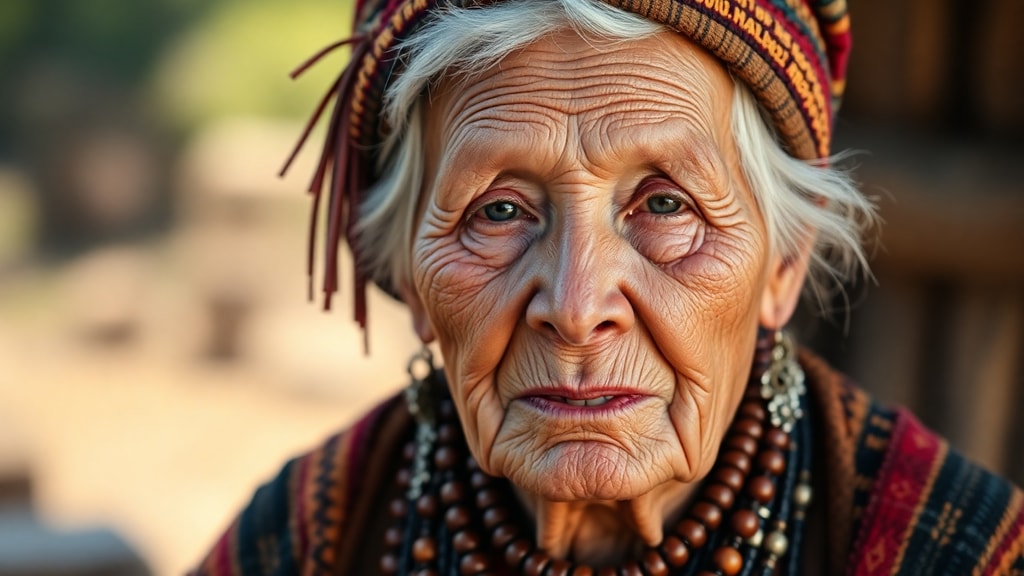
Physical education has a history that stretches back far before modern civilization. In prehistoric times, physical activities were not organized for sport or leisure but were essential for survival. Early humans relied on running, jumping, climbing, throwing, and swimming to hunt for food, escape predators, and navigate challenging environments. These movements were instinctual and practical, forming the basis of what we now recognize as physical fitness. Children learned these skills through play and imitation, which was the earliest form of physical education. While there were no formal teachers or gymnasiums, the daily demands of life ensured that physical activity was a constant part of human existence. This period highlights the fundamental link between movement and survival.
Physical Education in Ancient Civilizations
As societies evolved, physical activities took on new meanings beyond mere survival. In ancient China, India, and Egypt, physical training was often linked to military preparation, religious rituals, or health practices. However, it was in Ancient Greece that the body gained a new philosophical dimension. The Greeks moved beyond viewing physical strength as only useful for warfare. They began to see the body as an instrument for human development and a cornerstone of a strong and healthy society. Physical education, known as gymnastics, was integrated into education systems as a way to cultivate discipline, beauty, and moral character. The Olympic Games, which started in 776 BCE, celebrated athletic excellence and showcased the Greek ideal of a balanced mind and body. This period gave rise to the concept of using physical activity for holistic development.
The Middle Ages and the Renaissance
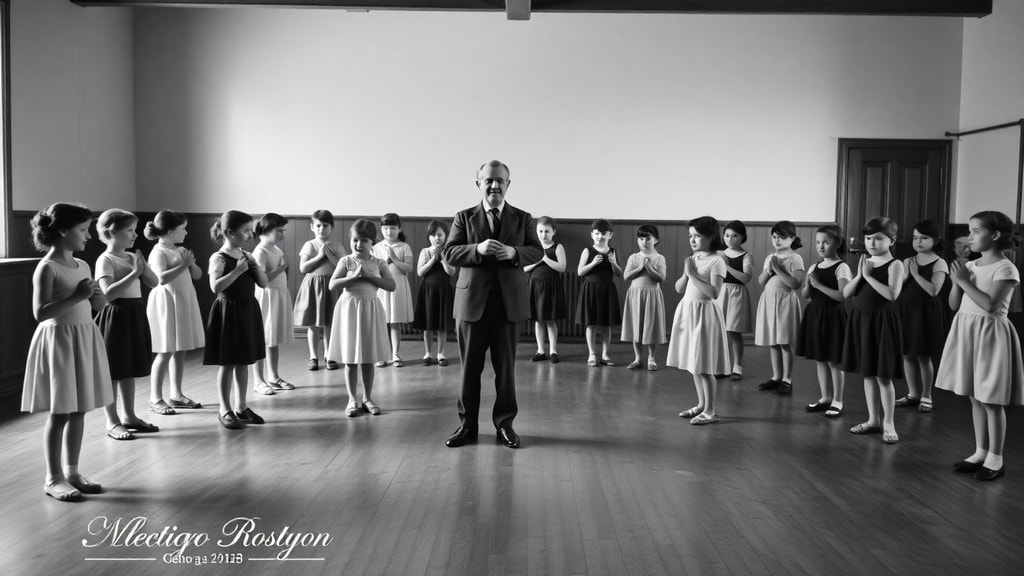
The Middle Ages brought a significant shift in attitudes toward the body. With the rise of Christianity, physical culture faced criticism. The focus turned toward spiritual salvation, and the body was sometimes viewed as sinful or inferior. Physical activities were largely limited to military training for knights, such as jousting, archery, and sword fighting. Common people engaged in folk games and dances, but formal physical education declined sharply. This suppression of body culture lasted for centuries. The Renaissance, which began in the 14th century, revived interest in the human body and classical ideals. Scholars and educators rediscovered Greek and Roman texts that promoted the integration of physical exercise into education. The concept of a sound mind in a sound body reappeared, leading to a gradual reintroduction of exercise in schools. This revival set the stage for modern physical education.
The 18th Century and the Birth of Systematic Physical Education
The 18th century was a turning point for physical education as formal systems began to emerge. During the Enlightenment, thinkers like John Locke and Jean-Jacques Rousseau emphasized the importance of physical health for intellectual development. In Europe, pioneers developed pedagogical principles based on biological sciences, anatomy, and physiology. Gymnastics became more structured, with schools incorporating regular exercise into their curricula. Germany, Sweden, and Denmark were at the forefront of this movement. Philanthropists and educators created training methods that focused on improving strength, flexibility, and overall fitness. These early systems were designed to be taught to groups of students, marking the beginning of organized physical education. The groundwork laid during this period influenced modern teaching approaches.
The 19th Century and the English Sports Movement
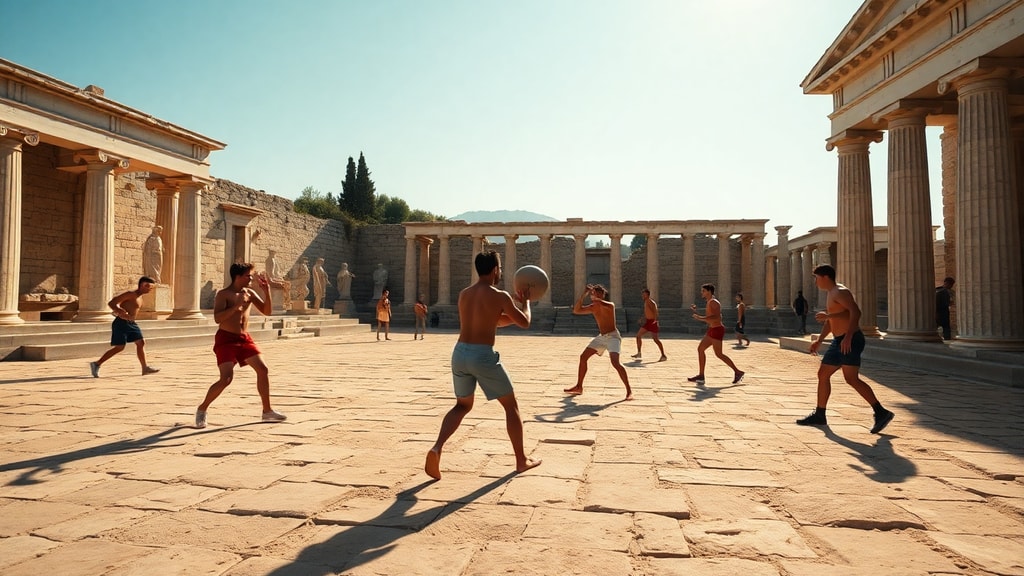
The 19th century witnessed a major transformation with the English Sports Movement, which emerged during the Industrial Revolution. As people moved to cities and factory work became dominant, there was a growing need for physical activity to counteract sedentary lifestyles. In England, sports such as football, cricket, rugby, and rowing became popular in schools and universities. These games emphasized competition, teamwork, and fair play. The movement spread across Europe and eventually to other parts of the world. It shaped modern physical education by introducing team sports as a core component. Unlike earlier gymnastics-based systems, the English approach was more recreational and social. This period also saw the creation of national governing bodies for sports and the first international competitions.
Physical Education in Brazil: The Couto Ferraz Reform
In Brazil, the formal inclusion of physical education in schools happened later. A key milestone was the Couto Ferraz Reform in 1851, which made physical education mandatory in schools of the capital, the Corte. This reform was part of a broader effort to modernize Brazilian education. The decree required that gymnastics be taught to boys in primary and secondary schools. Although implementation was slow and faced challenges, it was the first official recognition of physical education as part of the school curriculum in Brazil. Over time, the influence of European gymnastics systems and later sports became more prominent. The reform laid the foundation for the development of physical education in the country.
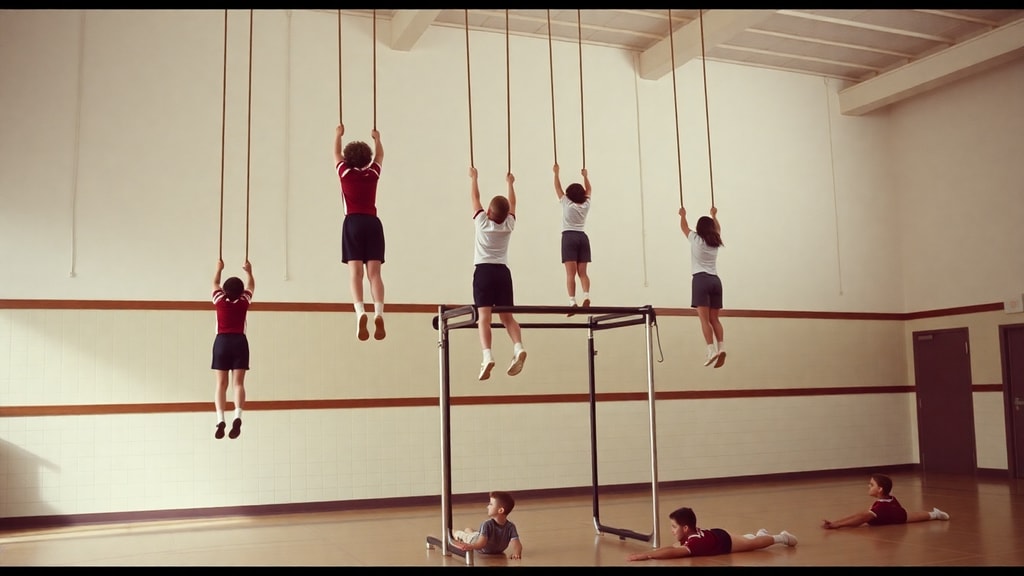
Key Historical Developments Timeline
Below is a list of key developments that shaped physical education from its origins to the modern era:
- Prehistoric period: Physical activities are essential for survival and are learned through daily life and play.
- Ancient Greece (c. 8th century BCE to 2nd century BCE): Physical education is used for holistic development, and the Olympic Games begin.
- Middle Ages (c. 5th to 15th century): Physical culture is suppressed by religious views; activities are mainly military.
- Renaissance (14th to 17th century): Revival of classical ideals leads to renewed interest in physical exercise in education.
- 18th century: Systematic physical education emerges with pedagogical principles based on science.
- 19th century: The English Sports Movement popularizes team sports; the Couto Ferraz Reform in Brazil mandates physical education in schools.
- 20th century: Physical education becomes a standard part of school curricula worldwide, with growing emphasis on health and fitness.
Summary of Major Systems and Their Contributions
The following table provides a comparative overview of major historical systems and their impact on physical education.
| Period or System | Key Characteristics | Impact on Physical Education |
|---|---|---|
| Prehistoric | Survival-based movements such as running, climbing, and swimming. | Established the fundamental link between physical activity and human life. |
| Ancient Greek Gymnastics | Integration of physical training with moral and intellectual education. | Introduced the concept of using exercise for overall human development. |
| Medieval Military Training | Focus on combat skills for knights; common folk engaged in folk games. | Limited formal physical education but preserved certain physical traditions. |
| Renaissance Humanism | Rediscovery of classical ideals; advocacy for a sound mind in a sound body. | Led to the revival of physical exercise in education after centuries of neglect. |
| 18th Century Systems | Systematic gymnastics programs based on science, especially in Germany and Sweden. | Provided the first structured methods for teaching physical education in schools. |
| 19th Century English Sports | Team sports competition and fair play; emphasis on recreation. | Made sports a central part of physical education programs worldwide. |
| 19th Century Brazil | Couto Ferraz Reform made gymnastics mandatory in capital schools. | Marked the formal start of school-based physical education in Brazil. |
The 20th Century and Global Expansion
The 20th century saw physical education become a universal component of school systems. The rise of physical education as an academic discipline led to the development of degree programs and professional organizations. Governments around the world recognized the importance of physical activity for public health, fitness, and social skills. Sports like basketball, volleyball, and soccer were incorporated into curricula. Two world wars also highlighted the need for physical fitness among the general population. In the second half of the century, the focus shifted toward lifelong fitness and the prevention of chronic diseases. Physical education began to include dance, aerobics, and other forms of exercise for all ages. Today, it is an integral part of education from kindergarten through high school.
The Role of Ancient Greece in Modern Practice
The influence of Ancient Greece cannot be overstated when examining the history of physical education. The Greeks were the first to give the body value beyond strength, seeing physical excellence as a path to virtue and societal well-being. This philosophy directly influences modern approaches that emphasize character development, teamwork, and personal growth through sport. The Greek concept of arete, or striving for excellence, is still a guiding principle in physical education. Additionally, the link between physical health and mental health, which the Greeks promoted, is now supported by extensive scientific research. For more information on the Greek contribution, you can explore this resource on physical education history. This ancient heritage reminds us that physical education is not just about exercise but about cultivating a complete person.
Challenges and Transformations in the Modern Era
Physical education faced challenges in the late 20th and early 21st centuries. Budget cuts in schools sometimes led to reduced time for physical activity. The rise of technology and sedentary lifestyles also created a need for new approaches. In response, physical educators have adapted curricula to include health-related fitness, social-emotional learning, and inclusive practices. Programs now address issues like obesity, mental health, and diversity. The English Sports Movement legacy is still present, but the focus has expanded to include a wider range of activities such as yoga, martial arts, and outdoor adventure. The goal is to engage all students, regardless of their skill level. For a broader understanding of the evolution of physical education, you can read additional details at this link.
Conclusion
The history of physical education is a journey from prehistoric survival skills to modern, science-based programs that promote lifelong health. Each period contributed unique ideas and practices. Ancient Greece gave us the ideal of balanced development. The Renaissance revived the body after medieval suppression. The 18th century created systematic methods. The English Sports Movement made play and competition central. And Brazil's Couto Ferraz Reform brought physical education into its schools. Understanding this history helps us appreciate the value of physical education in shaping healthy individuals and societies. As we move forward, the lessons from the past continue to inform how we teach movement and encourage active living.
References
This article was informed by historical research compiled from the Portuguese Wikipedia entry on physical education. Sources include: Wikipedia contributors. (2024). Educação física. In Wikipédia, a enciclopédia livre. Retrieved from https://pt.wikipedia.org/wiki/Educa%C3%A7%C3%A3o_f%C3%ADsica. Additional information on the English Sports Movement and the Couto Ferraz Reform was cross-referenced with standard historical texts on physical education and Brazilian educational history.