Introduction to Chá: The Universal Beverage
Tea, known as chá in many languages from the Mandarin word for the drink, is one of the most ancient and widely consumed beverages in human history. At its core, chá is a simple infusion made by steeping dried leaves of the Camellia sinensis plant in hot water. Yet this seemingly modest preparation has shaped cultures, economies, and health practices across the globe. In Western contexts, the term chá often refers specifically to Masala Chai, the spiced Indian tea brewed with milk and sugar, but the full world of chá encompasses black, green, white, oolong, and pu-erh varieties. Tea is the second most consumed beverage on Earth after water, with over three billion cups drunk daily. The four largest producers are China, India, Kenya, and Sri Lanka, reflecting the plant's native origins in East Asia and the Indian subcontinent. Understanding chá means exploring its origins, its many forms, its health effects, and the art of brewing it perfectly.
The Legend and History of Tea
The discovery of tea is steeped in legend. According to popular Chinese tradition, Emperor Shen Nung, a mythical ruler and herbalist, was resting under a wild tea tree around 2737 BCE when a few leaves drifted into his pot of boiling water. He tasted the resulting infusion and found it refreshing and invigorating. While this story may be apocryphal, archaeological evidence confirms that tea drinking in China dates back approximately five thousand years. The first written records of tea consumption appear in the 10th century BCE, during the Zhou dynasty. Over the centuries, tea evolved from a medicinal tonic into an everyday beverage, spreading first through East Asia and later across the world via trade routes. By the 17th century, tea had become a staple in Europe, and British colonialism further cemented its global popularity. Today, chá is enjoyed in countless forms, from the delicate green teas of Japan to the robust black teas of Assam and the spiced masala chai of India.
Types of Tea: A Table Overview
All major tea varieties come from the same plant: Camellia sinensis, an evergreen shrub native to East Asia and the Indian subcontinent. The differences in color, flavor, and caffeine content arise from how the leaves are processed after harvesting. The table below summarizes the main types, their processing methods, and typical characteristics.

| Type | Processing | Flavor Profile | Caffeine (per 8 oz) |
|---|---|---|---|
| Green Tea | Steamed or pan-fired to prevent oxidation | Grassy, vegetal, light | 20–45 mg |
| Black Tea | Fully oxidized | Bold, malty, sometimes astringent | 40–70 mg |
| White Tea | Minimally processed, young leaves and buds | Delicate, subtle, slightly sweet | 15–30 mg |
| Oolong Tea | Partially oxidized | Ranges from floral to toasty | 30–50 mg |
| Pu-erh Tea | Fermented and aged | Earthy, smooth, complex | 30–70 mg |
Black tea, which serves as the base for most masala chai blends, contains the highest caffeine range. Notably, about half of the caffeine in black tea is released within the first 30 seconds of steeping, which is why short infusions can yield a milder cup.
Health Benefits of Drinking Tea
Tea has been valued for its medicinal properties for millennia, and modern scientific research supports many of its traditional uses. Drinking tea regularly, defined as three or more times per week, is associated with a lower risk of cardiovascular disease and may contribute to a longer, healthier lifespan. The antioxidants in tea, particularly catechins in green tea and theaflavins in black tea, help combat oxidative stress and inflammation. Other documented benefits include improved mental alertness due to caffeine and L-theanine, better digestion, and potential support for weight management. The following list outlines key health advantages linked to consistent tea consumption.
- Reduced risk of heart disease and stroke
- Lowered blood pressure and improved cholesterol profiles
- Enhanced cognitive function and focus
- Antioxidant protection against cellular damage
- Improved gut health and digestion
- Possible lower risk of certain cancers
- Support for bone density and oral health
It is important to note that these benefits are most pronounced when tea is consumed without excessive sugar or milk, though masala chai with modest amounts of milk and spices can still be part of a healthy diet. The key is moderation and quality.
Brewing Guide for Perfect Chá
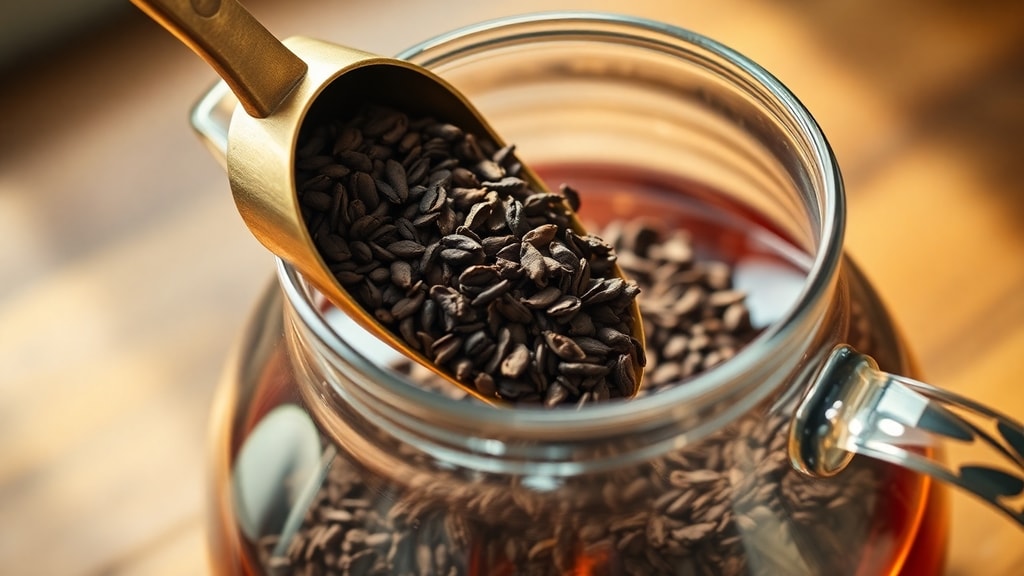
Brewing tea is both an art and a science. The ideal water temperature, steeping time, and leaf-to-water ratio vary by type. For black tea, which is the base of masala chai, use water just off the boil at around 200–212°F (93–100°C). Steep for 3 to 5 minutes. For green tea, cooler water around 160–180°F (70–80°C) and a shorter steep of 2 to 3 minutes prevent bitterness. White tea requires even lower temperatures, about 160–175°F (70–80°C), and a longer steep of 4 to 5 minutes. Oolong teas fall in between, typically at 185–205°F (85–96°C) for 3 to 5 minutes. Pu-erh can be steeped multiple times using boiling water, starting with a quick rinse. When preparing masala chai, many traditions simmer black tea with milk, sugar, and spices like cardamom, cinnamon, ginger, and cloves for a rich, aromatic brew. The caffeine content can be adjusted by controlling the steeping time: a shorter infusion yields less caffeine. For the best flavor, use fresh, cold water and high-quality loose leaf tea rather than prebagged products.
The Special Case of Masala Chai
Though the word chá simply means tea in many languages, in the English-speaking world it has become strongly associated with the spiced milk tea of India, known as masala chai. This beverage typically uses a strong black tea base, often from Assam or Darjeeling, boiled with milk, water, sugar, and a blend of spices. The result is a creamy, sweet, and pungent drink that has gained immense popularity globally. The health benefits of masala chai extend beyond those of plain black tea because of the spices. Ginger aids digestion, cinnamon may help regulate blood sugar, and cardamom contains antioxidants. Traditional chai wallahs in India prepare it by boiling the mixture vigorously, then straining it into small clay cups. Modern variations include green tea chai or even rooibos chai for those avoiding caffeine. For a comprehensive overview of chá’s cultural role, including the etymology and regional variations, refer to the Wikipedia entry on chá.
Tea and Caffeine: What You Need to Know
Caffeine is one of the primary compounds in tea that makes it a popular morning beverage. An 8-ounce cup of black tea contains approximately 40 to 70 milligrams of caffeine, about half the amount in a typical cup of coffee. However, the release rate matters: roughly half of that caffeine is extracted within the first 30 seconds of steeping. This means that a very short brew can produce a lower-caffeine cup, while a longer steep yields a stronger caffeine effect. Green and white teas contain less caffeine, while matcha, which is powdered green tea, can contain more because the whole leaf is consumed. Pu-erh and oolong fall in between. For those sensitive to caffeine, decaffeinated teas are available, though the process may reduce some antioxidants. Because tea also contains L-theanine, an amino acid that promotes relaxation, the caffeine in tea often produces a calmer state of alertness compared to coffee. This synergy is one reason tea has been consumed for thousands of years for both focus and tranquility.
Global Production and Cultural Significance
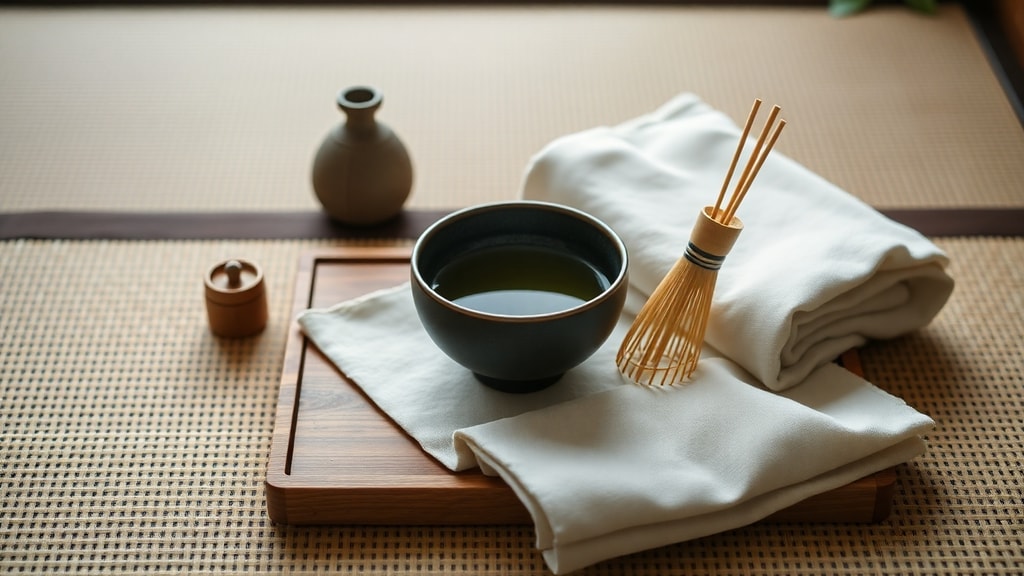
Tea production is a major agricultural industry. China leads the world in output, followed by India, Kenya, and Sri Lanka. Each region produces teas with distinct characteristics. Darjeeling from India is prized for its muscatel flavor, while Chinese oolongs can be floral and creamy. In Kenya, black tea is grown at high altitudes and yields a bright, brisk cup ideal for blends. The cultural rituals surrounding tea are equally diverse. Japan has its chanoyu tea ceremony, centered on matcha. In Britain, afternoon tea with scones and finger sandwiches remains a tradition. In Morocco, mint tea is poured from a height to create foam. In India and Pakistan, chai is offered to guests as a gesture of hospitality. The simple act of brewing and sharing tea connects people across continents. For more fascinating data points, such as how many cups are consumed daily or which countries drink the most, you can explore the detailed facts about tea on Amazing Food and Drink.
How to Choose Quality Tea Leaves
Quality matters when it comes to flavor and health benefits. Loose leaf tea generally offers a better experience than bagged tea because it contains whole or broken leaves rather than fannings and dust. Look for leaves that are uniform in shape and color, with a fresh, pleasant aroma. For black tea, whole leaf grades like FTGFOP (Finest Tippy Golden Flowery Orange Pekoe) indicate high quality. Green tea should have vibrant green leaves, not brown or dull. White tea buds should be silvery and fuzzy. Pu-erh cakes should be free of mold and have a clean earthy scent. When buying chai spices, choose whole spices and grind them just before brewing for maximum flavor. Storage is also crucial: keep tea in an airtight container away from light, heat, and moisture. Properly stored, most teas remain fresh for six months to a year. Older tea may taste flat but is still safe to drink. Investing in good tea enhances every aspect of the experience, from the aroma to the taste.
Common Mistakes in Brewing Tea
Even experienced tea drinkers sometimes make errors. Using water that is too hot for green or white tea can scorch the leaves, producing bitterness. Conversely, water that is too cool for black tea may not extract enough flavor and caffeine. Oversteeping is another frequent issue; a five-minute steep is usually enough for black tea, while ten minutes can make it harsh and astringent. Using low-quality water with high mineral content can alter the taste. Many people also reuse tea bags too many times; most bagged teas lose their flavor after one or two infusions, while premium loose leaf teas can be steeped multiple times. For masala chai, a common mistake is not simmering the mixture long enough to allow the spices to infuse fully. Another is adding milk to a tea that has already been strained, rather than boiling the milk with the tea leaves. Finally, storing tea near strong-smelling foods like coffee or spices can cause the leaves to absorb those odors, ruining their delicate flavor.
Conclusion: Embrace the World of Chá
Whether you call it tea or chá, this beverage offers a remarkable blend of history, variety, health benefits, and sensory pleasure. From the ancient legend of Emperor Shen Nung to the bustling chai stalls of Mumbai, tea has traveled across centuries and continents. Its core—the leaves of Camellia sinensis—remains the same, yet the possibilities are endless: a light green sencha, a bold Assam, an earthy pu-erh, or a sweet, creamy masala chai. By understanding the different types, mastering basic brewing techniques, and appreciating the cultural contexts, you can deepen your enjoyment of this second most popular drink on the planet. Experiment with loose leaf teas, adjust steeping times, try new spice combinations, and share a cup with others. The journey into chá is both simple and profound, much like the beverage itself.
References
Wikipedia – Chá. Available at: https://pt.wikipedia.org/wiki/Ch%C3%A1
Fact Bud – 25 Interesting Facts about Chai. Available at: https://factbud.com/25-interesting-facts-about-chai/

Amazing Food and Drink – Facts About Tea. Available at: https://amazingfoodanddrink.com/facts-about-tea/
Adalbert's Tea – 9 Interesting Facts About Tea. Available at: https://adalbertstea.com/en-as/blogs/blog/9-interesting-facts-about-tea
Ciência Viva – Chá. Available at: https://www.cienciaviva.pt/projectos/pulsar/cha.asp