How Cell Phone Tracking Works at a Fundamental Level
Every modern cell phone operates as a persistent location broadcasting device. When your phone is powered on, it constantly communicates with nearby cell towers to maintain network connectivity. This communication includes a unique identifier for your device, often called an IMSI number, along with signal strength data that allows the network to estimate your distance from each tower. By triangulating signals from multiple towers, a provider can determine your approximate location, often within a few hundred feet in urban areas. This is the foundational mechanism of cell phone tracking.
Wi-Fi and Bluetooth connections add another layer of location data. Your phone automatically scans for nearby Wi-Fi networks and Bluetooth beacons, using their known locations to refine GPS accuracy. Even if you disable location services for apps, your device still broadcasts these signals. Many smartphone operating system features, such as emergency location services, rely on this continuous broadcasting. The Electronic Frontier Foundation has documented how these signals make cell phones function as pervasive tracking devices, enabling network providers and law enforcement to pinpoint users within feet.
App-level location leaks represent another major tracking vector. Applications frequently request access to your location for legitimate purposes like navigation or weather updates. However, many apps collect this data far beyond what is necessary for their core function, then sell it to third-party data brokers. Your phone number has become a primary identifier in the modern online profiling ecosystem, linking your real identity to a vast web of location history, browsing habits, and personal preferences. This commercial tracking layer operates with far less transparency than government surveillance, yet it can be equally invasive.

How Service Providers Store and Share Location Data
Cell service providers, including Verizon, T-Mobile, and AT&T, store both historical and prospective location data for their customers. Historical data refers to records of where your phone has connected to towers in the past. Prospective data means the ability to track your phone in real time or near real time going forward. The retention periods for this data are surprisingly long. According to documents obtained by the American Civil Liberties Union, AT&T has retained location data since at least 2008, often without clearly disclosing these retention periods in their privacy policies.
The scale of this data collection is enormous. Providers log every time your phone registers with a tower, every call and text made, and every data session initiated. For a typical smartphone user, this creates thousands of location records each month. These records are stored in corporate databases and can be accessed by internal employees, law enforcement with proper legal authority, and sometimes by private companies through data-sharing agreements. The lack of clear public disclosure about these practices means most consumers remain unaware of just how much location history their provider maintains.
Legal requirements for accessing this data vary across jurisdictions. The majority of U.S. courts and legal experts hold that the government must obtain a warrant based on probable cause before accessing cell site location information (CSLI) or tracking a phone in real time. This position is grounded in the Fourth Amendment, which protects against unreasonable searches and seizures. Epic.org has argued in amicus briefs that warrantless access to CSLI violates fundamental privacy rights. However, enforcement of these standards is inconsistent, and many agencies continue to access location data through less rigorous legal processes.
Law Enforcement Use of Cell Phone Tracking
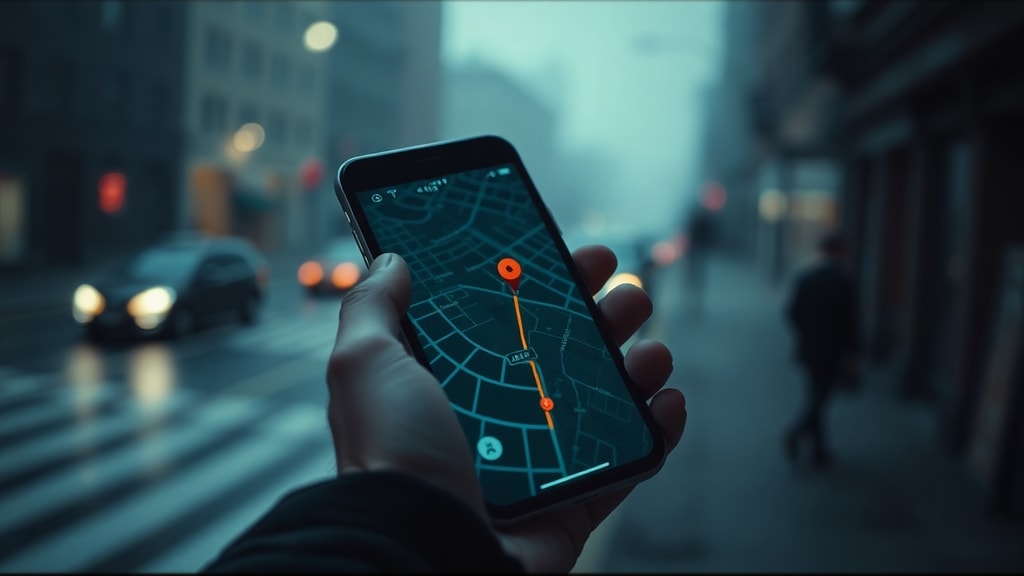
Law enforcement agencies routinely use cell phone tracking for investigative purposes. Common scenarios include correlating a suspect's phone location to crime scenes, tracking fugitives, and locating missing persons. The technology allows investigators to build detailed timelines of where a phone has been, often spanning weeks or months. In many cases, this evidence is crucial for solving serious crimes and securing convictions. However, the widespread use of cell phone tracking has raised significant constitutional concerns.
Despite legal guidance requiring warrants, many law enforcement agencies frequently access cell phone location data without judicial approval. Public records requests from the ACLU have revealed that agencies across the country use practices like exigency requests and administrative subpoenas to bypass warrant requirements. An exigency request is a claim that an emergency situation exists, allowing immediate access to location data without a warrant. Critics argue that these claims are often overstated or used as a routine workaround, undermining Fourth Amendment protections.
Emerging technologies have further complicated the legal landscape. Cell site simulators, commonly known by the brand name Stingray, impersonate legitimate cell towers to force nearby phones to connect and reveal their locations. These devices can intercept communications and track multiple phones simultaneously. Another technique called pinging involves sending a signal to a phone to force it to reveal its GPS coordinates or connected tower information. ProPublica has reported that these technologies often operate without transparency or meaningful judicial oversight, raising questions about accountability and due process.

Legal Frameworks and Current Uncertainties
The legal framework for cell phone tracking in the United States remains unsettled in several key areas. The Supreme Court addressed the issue of historical CSLI in Carpenter v. United States, ruling that accessing long-term location data generally requires a warrant. However, the decision specifically left open questions about real-time tracking, tracking of visitors rather than phone owners, and the use of cell site simulators. Lower courts have reached inconsistent conclusions on these questions, creating a patchwork of legal standards across different jurisdictions.
The Federal Law Enforcement Training Center provides guidance that best practice recommends a Rule 41 warrant based on probable cause to avoid Fourth Amendment violations. Rule 41 outlines the procedures for obtaining warrants in federal criminal investigations. Despite this guidance, real-time and prospective tracking of individuals via cell phones remains legally uncertain nationally. Some courts apply the same warrant standard to real-time tracking, while others accept lower standards based on administrative subpoenas or court orders under the Stored Communications Act.
Commercial Data Brokers and Big Tech Profiling
Beyond government surveillance, cell phone tracking data is increasingly collected and sold by commercial entities. Data brokers aggregate location information from countless apps, advertising networks, and data analytics firms. This data is then packaged and sold to marketers, insurance companies, and even government agencies. The scale of this market is enormous, with billions of location records being bought and sold daily. Your phone number has become a key identifier that data brokers use to connect your location history to your name, address, and other personal details.
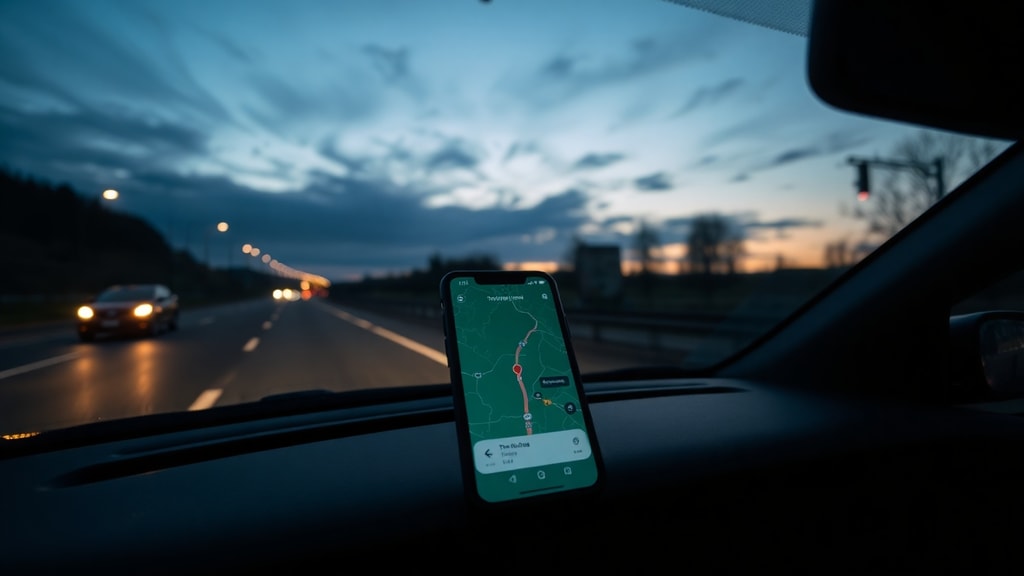
Big Tech companies also play a major role in location tracking. Companies like Google, Apple, and Facebook collect location data through their operating systems and applications. While these companies offer varying degrees of user control over location settings, the default configurations often enable extensive data collection. The commercial tracking ecosystem operates with far less regulatory oversight than government surveillance, leading to widespread concerns about privacy and consent. Consumers frequently click accept on location permission requests without understanding that they are authorizing persistent, long-term tracking of their movements.
Protecting Yourself from Unwanted Tracking
While complete elimination of cell phone tracking is difficult, several practical steps can reduce your exposure. Below is a list of effective strategies you can implement today.
- Disable location services for all apps that do not require it for core functionality, such as games, retail apps, and social media platforms.
- Review app permissions regularly and revoke location access from any app that does not need it.
- Turn off Wi-Fi and Bluetooth when not in use, as these signals can be used to triangulate your location even without GPS.
- Consider using a VPN to encrypt your internet traffic, making it harder for ISPs and data brokers to correlate your online activity with your location.
- Use your device's privacy settings to limit ad tracking and opt out of personalized advertising where possible.
- For high-sensitivity situations, remove the battery from your phone or place it in a radio frequency shielding pouch to prevent any signal transmission.
It is also important to understand that simply turning off your phone may not stop all location logging. Many phones still transmit signals to cell towers when powered off, particularly if they support features like emergency location services that activate on shutdown. For complete disconnection from the network, removal of the battery or use of a Faraday cage is necessary.
Comparison of Tracking Methods
The table below summarizes the main cell phone tracking methods, their typical precision, and the legal access standards commonly applied to each.
| Tracking Method | Typical Precision | Legal Access Standard |
|---|---|---|
| Cell tower triangulation | 100-500 meters in urban areas | Warrant required for long-term data |
| GPS data from phone | 5-10 meters | Warrant required for real-time access |
| Cell site simulator (Stingray) | 10-50 meters | Warrant recommended, inconsistent application |
| Wi-Fi positioning | 20-50 meters in dense areas | Unregulated for commercial use |
| Bluetooth beacons | 1-10 meters | No legal standard for retail analytics |
| App-based location sharing | Varies by app | Consumer consent assumed via terms |
Each method has different implications for privacy and legal oversight. GPS data provides the most precise location but typically requires judicial authorization for law enforcement access. In contrast, Wi-Fi and Bluetooth tracking are largely unregulated when used for commercial purposes, allowing data brokers to build extensive profiles without meaningful transparency.
References
Electronic Frontier Foundation. Mobile Phones: Location Tracking. Surveillance Self-Defense. Available at: https://ssd.eff.org/module/mobile-phones-location-tracking
American Civil Liberties Union. Cell Phone Tracking Documents. Available at: https://www.aclu.org/sites/default/files/field_document/cell_phone_tracking_documents_-_final.pdf
Epic.org. Amicus Brief on Cell Phone Tracking. Available at: https://epic.org/wp-content/uploads/amicus/location/cell-phone-tracking/cellamicus11411.pdf
American Civil Liberties Union. Cell Phone Location Tracking Public Records Request. Available at: https://www.aclu.org/cases/cell-phone-location-tracking-public-records-request
ProPublica. That's No Phone. That's My Tracker. Available at: https://www.propublica.org/article/thats-no-phone-thats-my-tracker
Federal Law Enforcement Training Center. Tracking Individuals via Cellular Phones. Available at: https://www.fletc.gov/sites/default/files/imported_files/training/programs/legal-division/downloads-articles-and-faqs/research-by-subject/miscellaneous/TrackingIndividualsviaTheirCellularPhones.pdf