Understanding the Bluetooth Stereo Headphone Re-pairing Window
When a pair of Bluetooth headphones or true wireless earbuds fail to connect in stereo, or when one side stops working, the usual solution is to initiate a re-pairing process. This process, often referred to as the re-pairing window, is a specific time frame during which the headphones broadcast their pairing signal and wait for a new device. The re-pairing window is not always obvious to the user. In many cases, simply toggling Bluetooth on your phone is not enough. The headphones must be forced into a fresh pairing mode that erases old connections and re-establishes stereo audio linking. Understanding this window is essential for anyone who uses wireless stereo audio equipment regularly.
The re-pairing window is triggered by a specific sequence of actions. For most true wireless earbuds, such as those from Samsung, JBL, or generic brands, the procedure involves placing both earbuds into the charging case, closing the lid, and then pressing and holding a button on the case or touching the sensors on the earbuds for a prolonged period. According to common support documentation, holding the button for 10 to 13 seconds causes the LED to flash red and blue alternately, indicating that the earbuds have entered pairing mode. This step erases all previously paired devices from the earbuds' memory. It is a reset that wipes the slate clean. Without this full erasure, the earbuds might attempt to connect to a previous device automatically, preventing a new stereo pairing.
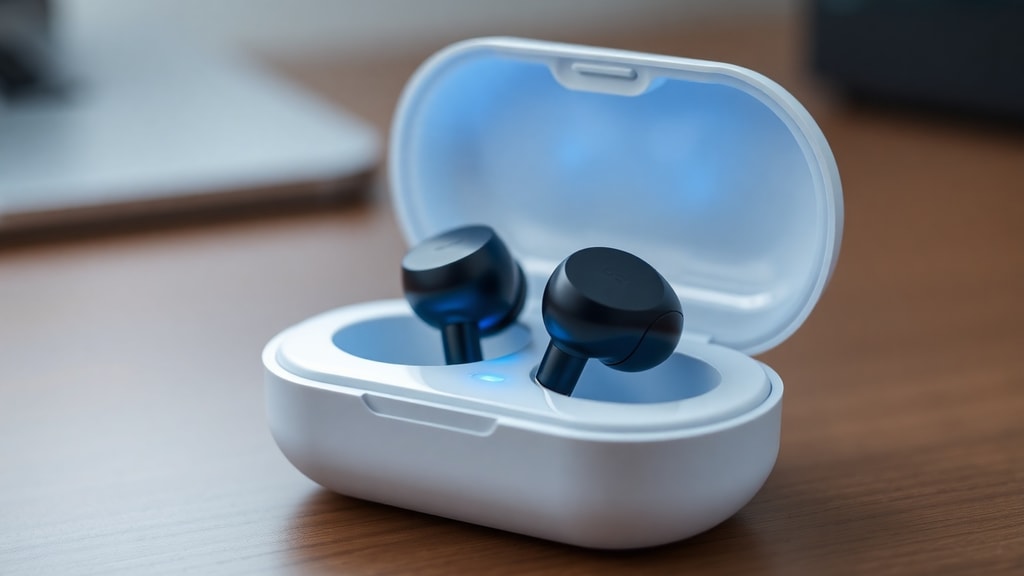
Stereo audio requires that both earbuds are recognized as a single device by the source. If only one earbud enters pairing mode, the connection will be mono. Therefore, the re-pairing window must be opened with both units active simultaneously. After the reset, you should remove both earbuds from the case at the same time. They will then begin searching for each other and for the source device. If they are not removed together, the internal logic may treat them as separate devices, and stereo synchronization fails. This is a critical nuance that many users overlook.
Step-by-Step Guide to Re-pairing Stereo Bluetooth Headphones
To enter the re-pairing window successfully, follow these steps carefully. First, ensure both earbuds are charged and placed properly inside the charging case. Close the lid. Locate the button on the case or the touch area on the earbuds. In many models, the button is on the front or bottom of the case. Press and hold it for about 10 to 13 seconds. Watch the LED indicator. Initially, it may blink a static color, but after a few seconds it should start flashing red and blue in alternating sequence. This is the universal signal that the device has entered pairing mode and that the re-pairing window is open.
Next, open your Bluetooth settings on the source device (smartphone, tablet, or computer). If the earbuds still appear in the paired devices list, you must remove them first. Look for an option labeled "Forget This Device" or "Remove Device". This step is crucial because leftover pairing data can interfere with the fresh connection. After removing the old entry, close the settings. Now, take both earbuds out of the case simultaneously. They should automatically power on and begin searching for the source device. If they do not appear in the list of available devices within 10 seconds, repeat the reset process. Sometimes the re-pairing window closes too quickly, and you need to start over.
Once the earbuds appear in the Bluetooth list, tap on them to pair. You should hear a confirmation tone, and the LED may change to a solid color. Now test for stereo audio. Play a track that clearly separates left and right channels. If you hear sound from both sides, the re-pairing was successful. If not, you may need to check the audio balance settings on your device or consult the table below for common issues.
| Issue | Probable Cause | Solution |
|---|---|---|
| Only one earbud makes sound | Earbuds not removed simultaneously; mono pairing | Reset both earbuds and remove together |
| No sound in left side | Bluetooth channel imbalance or dirty contact | Check audio balance settings; clean charging contacts |
| Headphones not discoverable | Re-pairing window expired; previous connections still active | Enter pairing mode again; forget device on source |
| Audio cuts out frequently | Interference or outdated Bluetooth driver | Update driver; move closer to source |
| Earbuds connect but no stereo separation | Firmware bug or incorrect pairing sequence | Check manufacturer app for firmware update |
This table summarizes typical stumbling blocks. For instance, if you have previously connected the earbuds to a laptop and then try to pair with a phone, the earbuds might skip the re-pairing window altogether because they still remember the laptop. That is why the erasure step with the 10-second hold is necessary. Additionally, after a factory reset, the headphones expect a clean start. If the source device still has an old profile, confusion occurs.
Advanced Tips for Reliable Stereo Audio Repairs
Beyond the basic steps, there are several advanced techniques to ensure the re-pairing window opens correctly and stereo audio is restored. First, always update your headphones' firmware if possible. Many brands like Samsung and JBL provide companion apps that check for updates. Firmware bugs can cause the re-pairing logic to malfunction, resulting in mono output or failed connections. Second, check the driver status on your computer. If you are pairing with a Windows laptop, open the Device Manager, expand Bluetooth, and ensure the adapter driver is the latest version. An outdated driver may not support the stereo profile (A2DP) correctly.
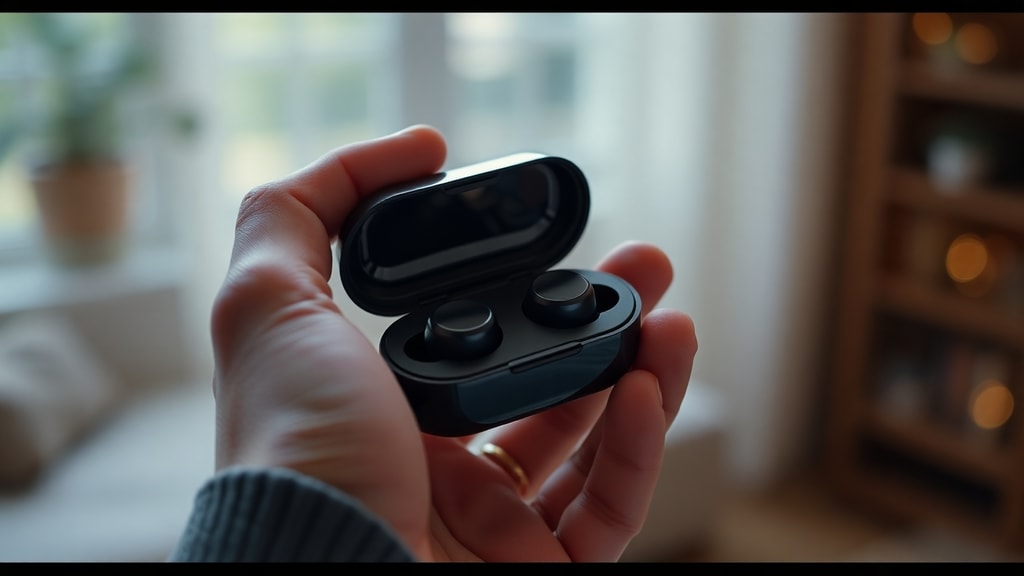
Another key point is the default audio output. After re-pairing, the headphones should be set as the default playback device. On Windows, right-click the speaker icon and select "Open Sound settings". Under "Choose your output device", select your headphones. On Android, go to Settings > Connected devices > Bluetooth and tap the gear icon next to your headphones to ensure they are set for media audio. On iOS, the system usually switches automatically, but you can check in Control Center by pressing and holding the audio card.
If you experience issues where the re-pairing window seems to close before you can select the device, try keeping the source device's Bluetooth settings open while you put the headphones into pairing mode. The window typically lasts 30 to 60 seconds. Having the settings screen ready speeds up the process. Also, some headphones require that you hold the button longer than 13 seconds. Refer to your product manual for exact timings. The 10-13 second rule is a general standard.
Common Misconceptions About the Re-pairing Window
Many users believe that simply turning Bluetooth off and on will fix stereo issues. This is rarely effective because the headphones still retain the old pairing data. The re-pairing window is not just about connecting; it is about resetting the internal memory. Another misconception is that only one earbud needs to be reset. In reality, both must undergo the reset together to maintain the stereo synchronization. Separating them can lead to one earbud becoming the master and the other a slave, which may not work correctly.
Some people also think that the re-pairing window is the same as the initial pairing out of the box. It is similar, but a factory reset via the 10-second hold is more thorough. New earbuds come with no stored connections, so they go directly into pairing mode. Used earbuds need to forget all previous devices. That is why the process is called re-pairing. The window is effectively a fresh start.
List of Essential Checks Before Re-pairing
- Charge both earbuds fully inside the case.
- Clear the source device's Bluetooth cache by forgetting the headphone entry.
- Keep the source device within one meter of the earbuds during pairing.
- Disable Bluetooth on other nearby devices that might interfere.
- Remove any case or screen protector that might block the charging contacts.
- Ensure the earbuds are not in any other mode (e.g., gaming mode, low latency) that could affect pairing.
- If using a computer, restart the Bluetooth service or reboot the computer entirely.
Following this list can save time and frustration. A common reason for repeated failure is a low battery on one earbud. Even if the LED blinks, the battery might be too low to maintain a stereo connection. Always start with a full charge. Also, some third-party Bluetooth adapters require a manual pairing process involving a dedicated button. For example, an Amazon Bluetooth transmitter used for streaming audio from a TV to headphones often has a specific reset procedure. The re-pairing window in those devices is initiated by a long press on the power button.
References
For further reading and official instructions, consult these resources. Google Support provides general guidance on Bluetooth stereo audio on Android devices: Google Support - Android Bluetooth Stereo. JBL offers detailed pairing and reset instructions for their headphone models: JBL Official Support - Pairing Mode. Samsung also has a video guide for resetting Galaxy Buds: https://www.youtube.com/watch?v=nhQBWtZ_3iA. Additional documentation can be found on Amazon product guides and Diotronic's transmitter manuals. These sources confirm the re-pairing window procedure described in this article. Properly executing the re-pairing window ensures stable stereo audio and extends the lifespan of your wireless headphones.