Understanding Vehicle Registration: A Complete Guide
Vehicle registration is a legal requirement in virtually every country that allows motor vehicles to operate on public roads. It establishes an official link between a specific vehicle and its owner or user, creating a system of accountability for traffic violations, accidents, theft, and tax collection. Without registration, a vehicle is considered unregistered and cannot lawfully be driven on public streets, highways, or any area open to public traffic. This guide covers everything you need to know about vehicle registration: why it matters, what documents you need, the step-by-step process, how registration validity works, how to handle transfers between states or countries, common reasons for denial, and typical costs involved.
The Purpose of Vehicle Registration
Governments mandate vehicle registration for several critical reasons. First and foremost, it creates a clear chain of ownership and responsibility. When a vehicle is involved in a traffic violation, accident, or criminal activity, law enforcement can identify the registered owner using the license plate or registration certificate. This deters hit-and-run incidents and helps insurance claims proceed smoothly. Registration also enables efficient tax collection, such as road taxes or registration fees, which fund infrastructure maintenance and improvements. Additionally, it ensures that vehicles meet minimum safety and emissions standards before they are allowed on public roads. For the vehicle owner, registration provides proof of legal ownership, which is essential when selling the vehicle, transferring it to another person, or filing a theft report.
In most jurisdictions, registration is mandatory for any vehicle driven on public roads. The distinction between a registered vehicle and an unregistered vehicle is clear: registered vehicles receive a license plate with a unique identification number and a registration certificate (sometimes called a title or registration document). Unregistered vehicles may only be driven on private property. Driving an unregistered vehicle on public roads can result in fines, impoundment, or even criminal charges, depending on local laws.
Key Documents Required for Registration
When you purchase a new or used vehicle, you must register it with the appropriate government agency. In the United States, this is typically the Department of Motor Vehicles (DMV) in your state. In India, the Regional Transport Office (RTO) handles registration. In the United Kingdom, the Driver and Vehicle Licensing Agency (DVLA) processes registrations. Regardless of location, the required documents are similar. You will generally need:
- Proof of identity (valid driver's license, passport, or national ID card).
- Proof of vehicle ownership (manufacturer's certificate of origin for new cars, or the previous owner's signed title for used cars).
- Proof of insurance that meets minimum liability coverage requirements.
- Payment for registration fees, which vary by vehicle type, weight, age, or value.
- For used vehicles, a bill of sale showing the purchase price and date.
- In some states or countries, a vehicle inspection certificate proving the vehicle meets safety and emission standards.
- Application form (available online or at the registration office).
For leased vehicles, the leasing company is usually listed as the legal owner, and the lessee must provide a copy of the lease agreement. For vehicles purchased from out of state or imported, additional paperwork such as a title transfer or customs clearance may be required.
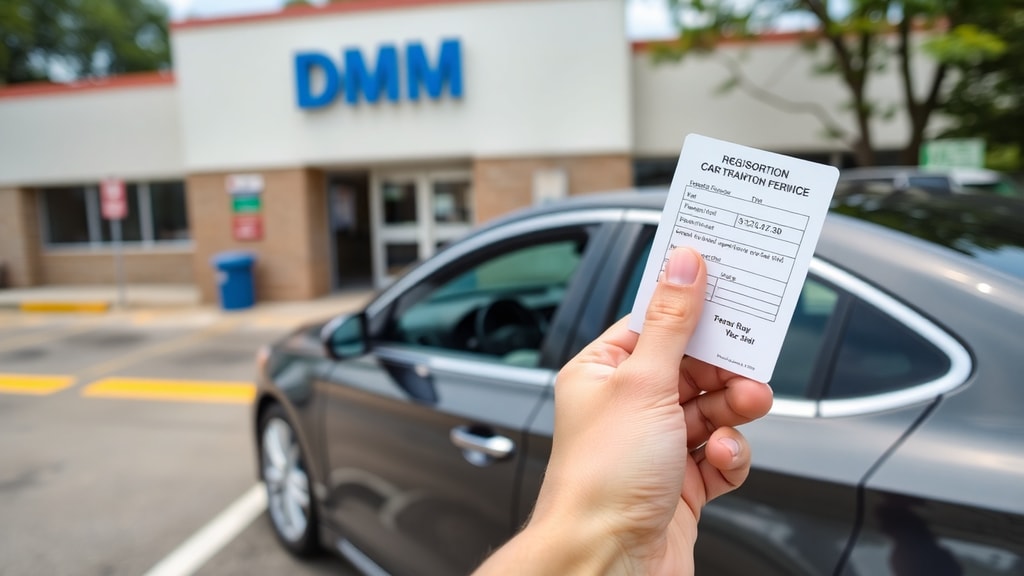
The Registration Process Step by Step
While exact procedures differ, the general process for registering a vehicle follows these steps. First, gather all required documents as listed above. If you purchased a vehicle from a dealer, they often handle the initial registration on your behalf, providing you with temporary plates and registration until the permanent documents arrive by mail. Private sales require you to complete the process yourself. You will need to take the vehicle (if an inspection is required) and the documents to your local registration office, or submit everything online if your jurisdiction permits digital registration.
Second, pay the applicable fees. Fees are calculated based on various factors: the vehicle's taxable horsepower, weight, age, or manufacturer's suggested retail price (MSRP). Many states also charge a sales tax or use tax on the purchase price at the time of registration. Third, receive your registration certificate and license plates. Most jurisdictions issue a registration certificate valid for one year, two years, or a longer period, and you must renew it before expiration. License plates are either issued at the time of registration or mailed to you within a few weeks. Some states require you to keep the same plates if you move within the state, while others assign new numbers.
If you have recently moved to a new state, you must re-register your vehicle within a certain period. In India, for example, if a vehicle stays in a new state for more than 12 months, re-registration is required. This process involves obtaining a No Objection Certificate (NOC) from the original state's registration authority, then applying for registration in the new state with updated documents.
Registration Validity and Renewal
Registration is not permanent. Most registration certificates are valid for a fixed period. In India, standard registration is valid for 15 years from the date of first registration. After that, it can be renewed for five-year periods upon passing a vehicle inspection. Temporary registration, often used for newly purchased vehicles waiting for permanent plates, is valid for only one month. In the United States, registration validity varies by state. Many states require annual renewal, while others offer two-year renewals. Renewal fees are usually lower than initial registration fees, but additional costs may apply for late renewals or emissions testing.
The table below summarizes key differences in registration validity between selected jurisdictions:

| Jurisdiction | Initial Registration Validity | Renewal Period | Special Notes |
|---|---|---|---|
| India | 15 years | 5 years (after inspection) | Temporary registration valid 1 month |
| United States (typical) | 1-2 years | Annual or biennial | Fees based on weight, age, or MSRP |
| United Kingdom | Annual (tax disc) | Annual or monthly direct debit | Vehicle excise duty (road tax) included |
| Germany | Indefinite (with valid inspection) | Sticker renewal every 2-3 years | Must pass TÜV inspection every 2 years |
Renewal is usually a simpler process than initial registration, often requiring only proof of insurance, payment of fees, and confirmation that the vehicle has passed any required emissions or safety tests. Many jurisdictions now offer online renewal portals, making it convenient to keep your registration current.
Transferring Registration When Moving or Selling
If you move to a different state or country, you must transfer your vehicle registration. In the United States, most states require you to register your vehicle within 30 to 90 days of establishing residency. You will need to surrender your old registration and plates, provide proof of insurance, the vehicle title, and a valid driver's license from your new state. Some states also require a vehicle inspection before issuing new plates. In India, if you move to a new state and plan to stay for more than 12 months, you must obtain a No Objection Certificate (NOC) from your original state's RTO, then apply for re-registration in the new state. Failure to do so can result in fines or legal complications.
When selling a vehicle, you must transfer ownership to the buyer. This usually involves signing over the title, notifying the registration authority, and removing your license plates (in many states, plates stay with the seller, not the vehicle). The buyer then registers the vehicle in their name. Without proper transfer, the seller may remain liable for parking tickets, toll violations, or accidents involving the vehicle after the sale. Always keep a copy of the signed bill of sale and any transfer forms for your records.
Common Reasons for Registration Denial
Not every application for registration is approved. Authorities can deny registration for several reasons. If the vehicle is reported stolen, registration will be blocked immediately. If the vehicle fails mechanical fitness or emissions standards during an inspection, registration may be denied until repairs are made and the vehicle passes a retest. Missing or incorrect documentation is another common reason: the applicant must provide a valid title, proof of insurance, and proper identification. If the applicant has outstanding fines, unpaid child support, or a suspended driver's license, registration may be denied until those issues are resolved. Some jurisdictions also deny registration if the vehicle has been salvaged and rebuilt without proper certification.
To avoid denial, always double-check that all documents are current and accurate. Ensure your vehicle has passed any required inspections, and that your insurance policy meets the minimum liability limits for your state. If you are registering a used vehicle from a private sale, verify that the seller has signed the title correctly and that there are no liens against the vehicle.

Costs and Fees Associated with Registration
The cost of vehicle registration varies widely depending on where you live and the type of vehicle. In the United States, registration fees are typically calculated based on the vehicle's curb weight, its age, or its MSRP. States like Colorado charge a base registration fee plus additional fees for weight, road safety, and emissions. In Maryland, fees are based on the vehicle's weight and include a title fee, lien recording fee, and registration plate fee. Total initial registration can range from about $50 to over $300 for a standard passenger car. Luxury or heavy vehicles may cost more. Annual renewal fees are generally lower, often between $20 and $100.
In India, registration fees are set by the central government and vary by engine capacity, vehicle type, and state. For a standard petrol car with engine up to 1000cc, the one-time registration fee is approximately Rs. 1,000 to Rs. 2,000, plus road tax which can be 4% to 10% of the vehicle's value, depending on the state. For commercial vehicles, fees are higher. Temporary registration costs a nominal amount, usually a few hundred rupees. In the United Kingdom, vehicle excise duty (road tax) is based on CO2 emissions and fuel type, ranging from zero for electric cars to over £500 annually for high-emission vehicles.
It is also important to factor in costs for license plates if you need custom plates or replacement plates. Some states charge an extra annual fee for personalized plates. Additionally, if you fail to renew on time, late fees can add up quickly. Budget for these costs when planning to purchase a vehicle or renew your registration.
Special Cases: Commercial Vehicles, Trailers, and Motorcycles
Registration requirements differ for commercial vehicles, trailers, motorcycles, and other special types. Commercial vehicles, such as trucks used for freight, often require additional documentation, such as proof of commercial insurance, a commercial driver's license, and in some cases, a USDOT number for interstate operations. Registration fees for commercial vehicles are typically higher due to the increased wear and tear on roads. Trailers, whether utility trailers or camping trailers, must be registered separately in most jurisdictions, though the process is simpler: they usually get their own license plates and registration certificates, and the fees are lower than for motor vehicles.
Motorcycles follow similar registration procedures as cars but may have lower fees and different inspection requirements. In many states, motorcycles do not need emissions testing, but they must meet safety standards for lights, brakes, and horns. All-terrain vehicles (ATVs), motorized scooters, and mopeds may have their own registration categories, often with reduced fees and simplified renewal processes. Electric vehicles are increasingly receiving incentives such as reduced registration fees or exemptions from certain taxes, encouraging adoption. Always check your local DMV or RTO for specific rules regarding non-standard vehicles.

Online Registration and Modern Trends
Many governments now offer online portals for vehicle registration and renewal, saving time and reducing paperwork. In the United States, almost all states allow you to renew your registration online by entering your license plate number, driver's license information, and payment details. Some states also allow initial registration for vehicles purchased from dealers, with the dealer submitting documents electronically. In India, the VAHAN portal provides online services for registration, renewal, and transfer of ownership. Temporary registration can sometimes be obtained online, though permanent registration still requires a physical visit to the RTO in many areas. The UK's DVLA offers online vehicle tax renewal and registration for new vehicles. These digital services have become especially popular since the COVID-19 pandemic, as they reduce in-person contact and processing delays.
However, not all aspects of registration can be handled online. Physical inspections, especially for used vehicles or those moving between states, often require an in-person appointment. Additionally, if you lose your registration certificate or license plates, you may need to apply in person for duplicates. Technology is improving, with some jurisdictions experimenting with digital license plates and blockchain-based registration records to enhance security and efficiency. But for now, the traditional combination of paper certificates, metal plates, and periodic in-person visits remains the norm in most places.
Conclusion: Staying Compliant with Vehicle Registration
Vehicle registration is a fundamental responsibility of every vehicle owner. It ensures legal operation on public roads, provides proof of ownership, and supports public safety and infrastructure funding. Whether you are registering a new car, renewing an existing registration, or transferring a vehicle after a move, understanding the requirements in your jurisdiction will save you time, money, and legal trouble. Keep your registration certificate and proof of insurance in your vehicle at all times, as law enforcement may request them during traffic stops. Set reminders for renewal deadlines, and take care of any required inspections before they expire.
For more detailed information specific to your country or state, consult the official websites of your local vehicle registration authority. The following references provide authoritative data and explainers on vehicle registration processes and policies.
References
For further reading, please consult the following sources:

Motor Vehicles Act, 1988 (India) – Official text available at India Code.
UK Government – Vehicle registration guidance at GOV.UK.
Wikipedia – Overview of motor vehicle registration: https://en.wikipedia.org/wiki/Motor_vehicle_registration.
US Department of Transportation – Highway statistics and registration data: FHWA Policy Information.
Allstate Insurance – Consumer guide on vehicle registration: Allstate Resources.
Maryland MVA – Title and registration procedures: Maryland MVA.
Colorado DMV – Registration information: Colorado DMV.
The Drive – Article explaining what vehicle registration is and how it works: The Drive.