Understanding the Preschool Report Template for Early Childhood Education
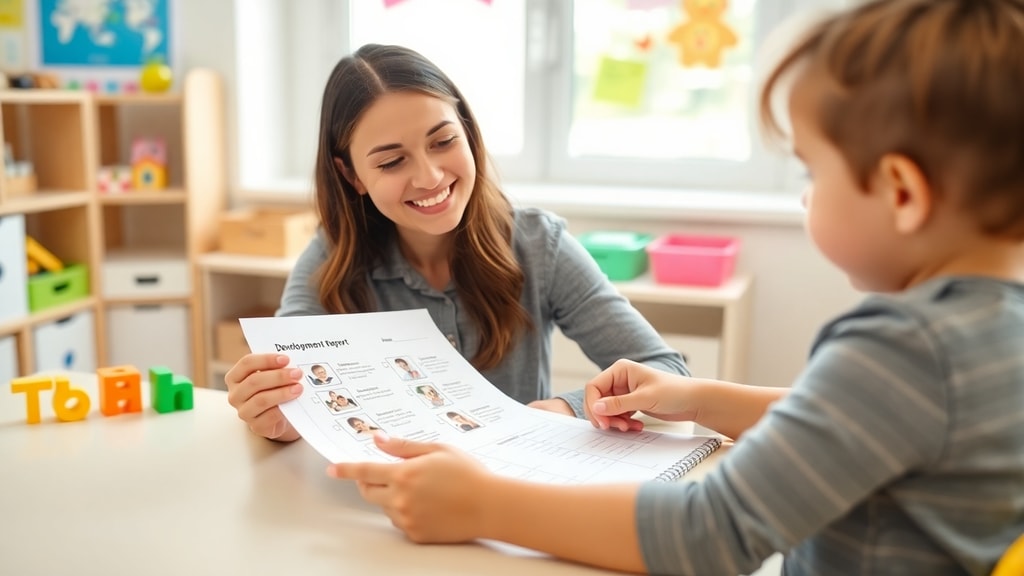
Creating a comprehensive report for early childhood education is a fundamental task for educators who aim to document the growth and learning of young children. A well-structured preschool report template serves as a bridge between the classroom and the family, offering a clear, positive, and informative snapshot of a child's development. In the Brazilian educational context, these reports must align with the Base Nacional Comum Curricular (BNCC), which outlines essential fields of experience for children up to five years old. The goal is to produce a document that is both professional and accessible, highlighting achievements, social interactions, and areas for continued support without using technical jargon or negative language.
The core structure of an effective report includes basic identification details such as the child's full name, the school name, class or group, the teacher's name, and the evaluation period. Following this, the narrative should focus on the child's behavior, social interactions, and personal preferences. It is crucial to begin with positive observations, noting what the child does well, before gently addressing any challenges with constructive suggestions. This approach ensures that the report remains encouraging and useful for parents who are eager to understand their child's progress in a holistic manner.
Key Components of a BNCC-Aligned Report
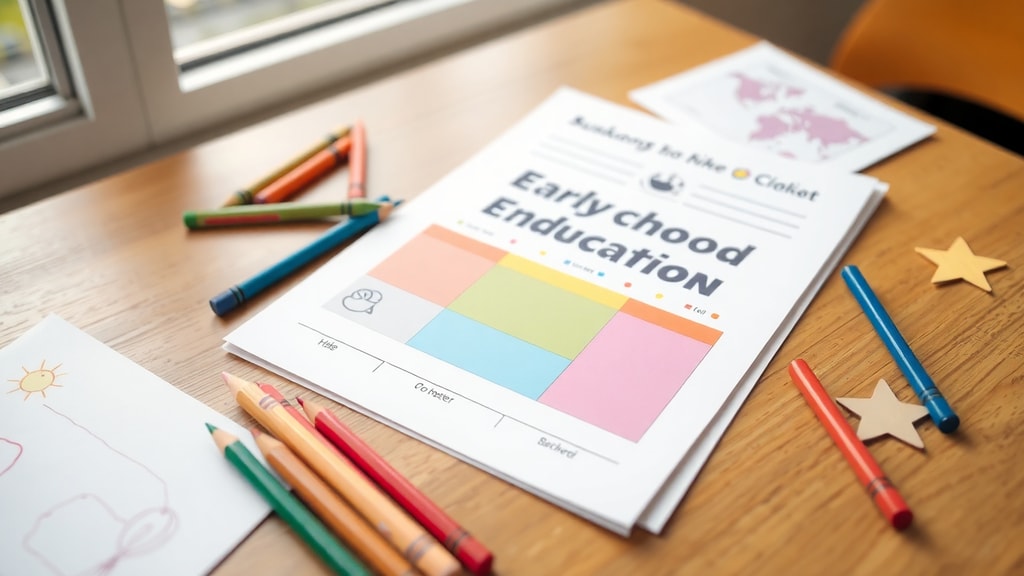
Aligning the report with the BNCC fields of experience is essential for compliance and for providing a comprehensive view of the child's learning journey. These fields include "The Self, the Other, and Us," which covers identity, relationships, and social awareness; "Body, Gestures, and Movements," focusing on motor development and non-verbal communication; "Traces, Sounds, Colors, and Shapes," related to art, music, and visual expression; "Listening, Speaking, Thinking, and Imagining," which addresses language and cognitive skills; and "Spaces, Times, Quantities, Relations, and Transformations," covering science, math, and environmental understanding. Each section of the report should reflect observations tied to these areas, using clear, non-technical language that parents can easily grasp.
For instance, when describing a child's progress in communication, you might note how they participate in group conversations or express their needs. In the area of movement, you can comment on their coordination during play or fine motor skills like drawing. The key is to avoid abstract educational terms and instead paint a vivid picture of the child's daily experiences. A template that includes these fields helps educators maintain consistency and ensures that no critical area of development is overlooked. Additionally, the report should always highlight achievements first, then offer gentle suggestions for improvement, and finally propose activities that families can do at home to reinforce learning.
Practical Example of a Report Structure
To illustrate how a report might be organized, consider the following list of essential sections that a preschool report template should include:
- Child's basic information: name, age, class, teacher, and evaluation period.
- Overview of social and emotional development, including interactions with peers and adults.
- Observations on communication and language skills, such as vocabulary growth and storytelling.
- Notes on motor development, including both gross motor activities like running and fine motor tasks like using scissors.
- Describing engagement in creative activities, such as drawing, music, and pretend play.
- Comments on cognitive development, like problem-solving and understanding of numbers or shapes.
- Constructive suggestions for supporting the child at home and in the classroom.
- Space for teacher signature and date, along with a section for parent acknowledgment if needed.
Using this structure ensures that the report covers all relevant aspects of early childhood development in a logical order. For a deeper understanding of how to apply the BNCC fields in your reports, you can refer to the comprehensive guidelines provided by iEducacao, which offers detailed examples for each age group. This resource is particularly helpful for teachers who are new to creating individualized reports that meet official standards.
Sample Table for Documenting Progress
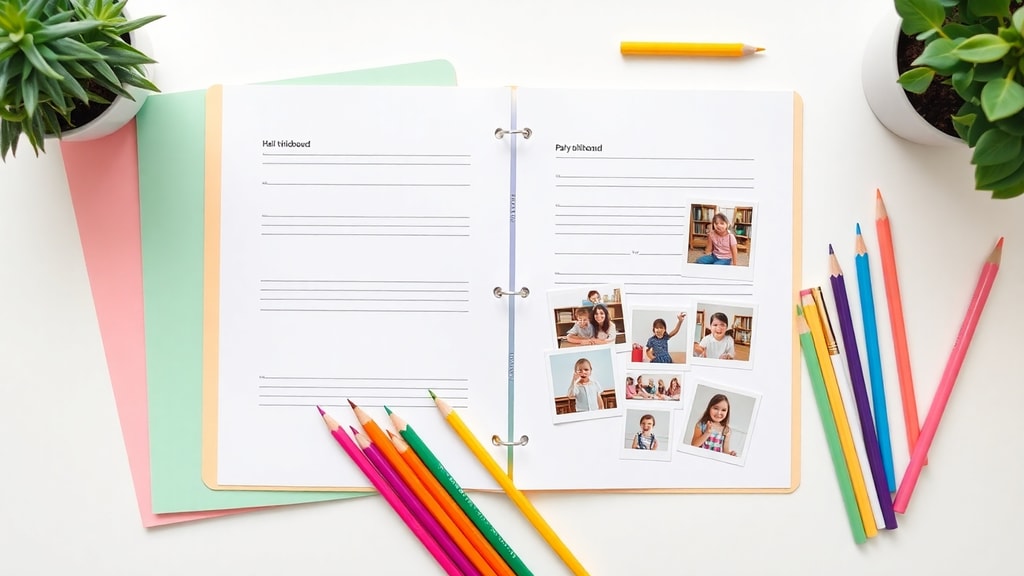
In addition to narrative sections, incorporating a table can help organize observations in a clear and comparative way. The table below provides a sample format for tracking a child's development across key areas. Each row represents a field of experience, with columns for achievements, areas for support, and suggestions for families.
| Field of Experience | Achievements | Areas for Support | Suggestions for Home |
|---|---|---|---|
| The Self, the Other, and Us | Interacts positively with peers during group play. | Sometimes has difficulty sharing toys. | Encourage turn-taking games at home. |
| Body, Gestures, and Movements | Runs and climbs with confidence. | Needs practice cutting with scissors. | Provide child-safe scissors for cutting paper. |
| Traces, Sounds, Colors, and Shapes | Enjoys painting and can name primary colors. | Struggles to draw recognizable shapes. | Practice drawing circles and squares together. |
| Listening, Speaking, Thinking, and Imagining | Speaks in short sentences and asks questions. | Has difficulty retelling a story in sequence. | Read books daily and ask your child to recall events. |
| Spaces, Times, Quantities, Relations, and Transformations | Can count to ten and sorts objects by color. | Confuses numbers after ten. | Count objects around the house, like toys or fruits. |
This table format allows parents to quickly see where their child excels and where additional support might be beneficial. It also provides actionable suggestions that align with the BNCC fields, making the report a practical tool for family engagement. When using such a table, be sure to customize the content for each child, focusing on specific observations rather than generic statements. The goal is to make every report unique and meaningful.
Tips for Writing a Positive and Constructive Report
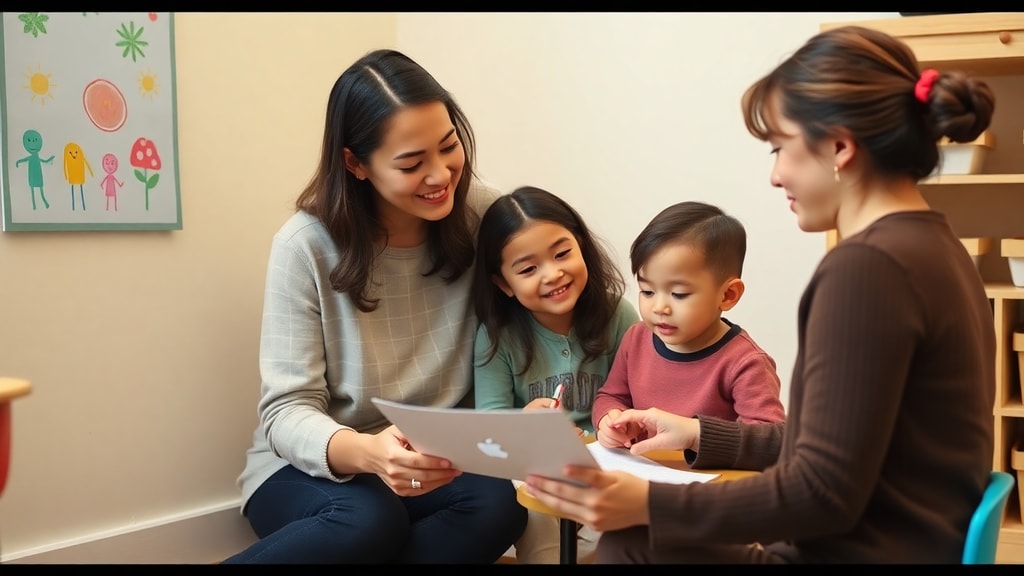
One of the most important aspects of creating a preschool report is maintaining a positive tone throughout. Even when discussing challenges, it is essential to frame them as opportunities for growth rather than deficits. For example, instead of saying "the child cannot sit still during circle time," you might say "the child is very energetic and may benefit from movement breaks before group activities." This subtle shift in language emphasizes the child's strengths while acknowledging areas where they need guidance. The BNCC encourages educators to focus on the process of learning, not just outcomes, which aligns perfectly with this constructive approach.
Furthermore, avoid using terms that could be interpreted as negative or judgmental. Words like "shy," "aggressive," or "lazy" should be replaced with more descriptive language that explains the behavior in context. For instance, "the child is quiet in large groups but participates actively in one-on-one interactions" is more informative and less stigmatizing. The report should also include specific examples from the classroom, such as a time the child helped a friend or completed a challenging puzzle. These anecdotes make the report personal and credible, showing that the teacher pays close attention to each child's individual journey. For more inspiration on report writing techniques, you can explore the ready-to-use templates available on Canva, which offer visually appealing designs that can be customized with your observations.
Final Steps: Review and Submission
Once the report is drafted, it is crucial to review it for clarity and accuracy. Read through the entire document to ensure that the language is easy to understand and free of educational jargon. Check that all sections are complete, including the child's basic information, the evaluation period, and the teacher's signature and date. The report should also be checked for any spelling or grammatical errors, as these can detract from its professionalism. In many schools, the report becomes part of the child's official academic record, so it must be handled with care and attention to detail.
After the teacher signs and dates the report, it is typically shared with parents during a parent-teacher conference or sent home as a formal document. Some schools also include a section for parent comments or signatures to acknowledge receipt. Regardless of the method, the report serves as a key communication tool that strengthens the partnership between educators and families. By following a structured template that is aligned with the BNCC and focused on positive development, teachers can create reports that are not only compliant but also deeply meaningful for each child and their family.
References
iEducacao. "Modelo de Relatório Individual para Educação Infantil." Accessed 2025. https://ieducacao.com/modelo-de-relatorio-individual-para-educacao-infantil/
Educação e Transformação. "Modelo de Relatório para Educação Infantil." Accessed 2025. https://www.educacaoetransformacao.com.br/modelo-de-relatorio-para-educacao-infantil/
Scribd. "Modelo de Relatório Individual para Educação Infantil 3 anos." Accessed 2025. https://pt.scribd.com/document/813177001/Modelo-de-Relatorio-Individual-para-Educacao-Infantil-3-anos
Canva. "Modelos de Relatório Educação Infantil." Accessed 2025. https://www.canva.com/pt_br/modelos/s/relatorio-educacao-infantil/