Understanding Real Estate Agent Commission Percentages: A Complete Guide
If you are buying or selling a home, one of the most important financial details to understand is the real estate agent commission. In many markets, including Brazil, the commission is a percentage of the final sale price. This percentage can vary based on property type, location, and the agreement between the client and the broker. Knowing how these percentages work helps you plan your budget and negotiate effectively. This guide explains the standard commission ranges for different property types, how brokers split the fee, and what factors influence the final rate you pay.
Standard Commission Percentages by Property Type
Real estate commissions in Brazil are not fixed by federal law. Instead, they are guided by indicative fee tables published by each state's Regional Council of Real Estate Brokers (CRECI). These tables suggest a standard range, and the actual percentage is negotiated between the client and the broker. The most common commission for selling a standard urban residential property, such as a house or apartment in a city, is between 6% and 8% of the sale price. This range applies to most resale transactions. For rural properties, the commission is typically higher, ranging from 8% to 10%. The higher percentage reflects the additional complexity of rural land sales, which often involve more documentation and due diligence. Properties sold by court order, known as judicial sales, usually have a fixed or capped commission of 5%. New developments and large residential compounds, often called lancamentos, may offer lower commissions, typically 4% to 6%, due to the high volume of sales and lower marketing effort required per unit.

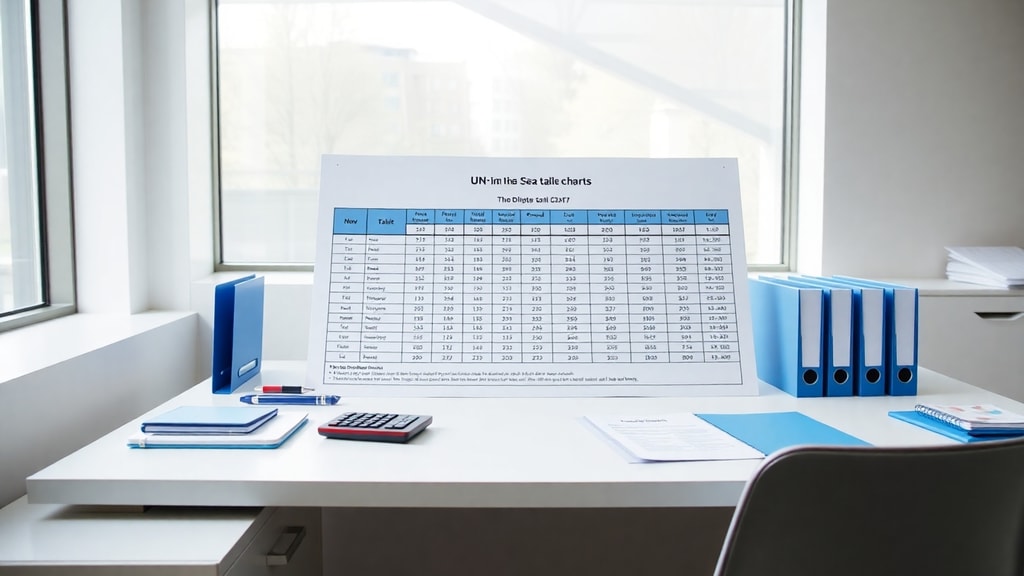
Below is a table summarizing these typical commission ranges for different property types in the Brazilian market.
| Property Type | Typical Commission Range |
|---|---|
| Urban Resale (House, Apartment) | 6% to 8% |
| Rural Land / Property | 8% to 10% |
| Judicial / Court-Ordered Sales | 5% (fixed or capped) |
| New Developments (Lançamentos) | 4% to 6% |
It is important to note that these percentages represent the total commission paid by the seller. The buyer typically does not pay a commission directly, though the cost is often factored into the final sale price. Always confirm the exact percentage with your broker before signing a listing agreement, as the negotiated rate can differ from the indicative table.
How the Commission is Split: Autonomous Brokers vs. Agencies
Understanding how the commission is split between the real estate agent and the brokerage is crucial for both buyers and sellers. The total commission paid by the seller is not always the amount that the individual agent takes home. In many cases, the commission is divided between the listing broker and the buyer's broker, and further split with their respective agencies. An autonomous broker, who works independently and is not affiliated with a large agency, may receive the full 6% to 8% commission. However, many brokers work under a real estate agency. In that scenario, the agency takes a portion of the fee. A common split is 50% for the broker and 50% for the agency. If a broker represents both the buyer and the seller in the same transaction (a dual agency), they may receive a larger share of the total commission. For example, if the total commission is 6%, an agency broker might receive 4% after splitting, while an independent broker might keep the full 6%. This split structure directly affects how much the agent earns and can influence their motivation to close the deal.
Here is a list of the key factors that influence how commissions are shared between brokers and agencies:

- The broker's experience and track record.
- Whether the broker is an independent agent or part of a franchise network.
- The specific contract terms between the agency and the individual broker.
- Whether the broker represents the buyer, the seller, or both parties.
- Regional and state-level practices that may suggest standard split percentages.
When you work with a real estate agent, it is wise to ask about the commission split structure. This transparency helps you understand the agent's financial incentive and ensures that both parties are clear on the fee arrangement. For more insights on how regional councils regulate these practices, you can refer to the CRECI-RS fee table, which provides detailed guidelines on standard commissions and split rules.
Factors That Influence the Commission Percentage
While the indicative tables provide a baseline, the actual commission percentage for a specific transaction can vary based on several factors. One of the most significant factors is the property type. As shown in the table, rural properties and judicial sales often have different ranges. The location also matters; properties in high-demand urban areas may command a standard 6% to 8%, while properties in less active markets might be negotiated lower. The volume of the sale can also affect the percentage. For example, selling multiple properties in a new development may result in a lower per-unit commission. Additionally, the level of service provided by the broker can justify a higher or lower rate. A full-service broker who handles marketing, open houses, and negotiations may charge the full indicative rate, while a discount broker who offers limited services might charge a lower fee. Finally, the negotiation between the client and the broker is the ultimate determinant. Sellers with a strong position or those who are repeat clients may be able to negotiate a reduced percentage.

How to Negotiate a Lower Commission Percentage
If you are a seller looking to reduce the commission, there are strategies that can help. One common approach is to negotiate the percentage based on the expected sale price. For higher-value properties, a broker may agree to a lower percentage because the absolute dollar amount is still attractive. Another strategy is to offer a sliding scale commission. For example, you might agree to a 7% commission if the property sells within the first 90 days, and a 5% commission if it takes longer. This structure incentivizes the broker to work harder and sell faster. You can also ask the broker to reduce the commission in exchange for handling some of the marketing efforts yourself. Finally, it is always a good idea to interview multiple brokers and compare their fee structures. Some brokers may be willing to match a lower offer from a competitor. Remember that the commission is negotiable, and many brokers are open to a discussion, especially if you present a clear case for a lower rate.
Legal and Regulatory Context (Brazil)
It is important to note that there is no federal law that mandates a specific commission percentage for real estate transactions in Brazil. The Civil Code and regulations from the Regional Councils of Real Estate Brokers (CRECI) establish that the commission is determined by agreement between the parties, using the indicative fee tables as a guideline. Each state's CRECI publishes its own table, which can vary slightly. For instance, the indicative table for Sao Paulo might suggest a different range than the one for Rio Grande do Sul. This means that the commission is not a fixed cost but a negotiated one. Brokers are expected to be transparent about the fee structure and must provide a written contract that clearly states the percentage and any split arrangements. For a deeper understanding of the legal framework, you can review the CRECI-RS fee table, which outlines the standard percentages and rules for autonomous brokers and agency splits.

Practical Tips for Buyers and Sellers
For buyers, understanding the commission is less direct because you typically do not pay it. However, the commission is built into the sale price, so a higher commission may mean a higher asking price. For sellers, the commission directly reduces your net proceeds. Therefore, it is essential to shop around and compare brokers. Ask for a written estimate of the commission and any other fees. Check the broker's track record and ask for references. Also, consider whether you need a full-service broker or if a limited-service model might work for your situation. Remember that the lowest commission is not always the best value. A good broker can help you sell your property faster and at a higher price, which can offset the commission cost. Always read the listing agreement carefully and ask questions about the commission split, especially if the broker is part of an agency. Being informed allows you to make the best financial decision for your situation.
References
CRECI-SP (Conselho Regional de Corretores de Imóveis de São Paulo). "Indicative Fee Table." Provides standard commission ranges for urban resales, rural properties, judicial sales, and new developments.
CRECI-RS (Conselho Regional de Corretores de Imóveis do Rio Grande do Sul). "Fee Table and Commission Split Rules." Outlines the standard percentages and split guidelines for brokers and agencies in the state.
Imovelguide.com.br. "Brazilian Real Estate Commission Laws." An analysis of the Civil Code and CRECI regulations regarding broker commissions.
Ibresp.com.br. "Real Estate Commission Standards for Rural and Judicial Sales." Discusses the higher percentage ranges for specialized property types.