Understanding the Meaning of Dreaming About Macumba
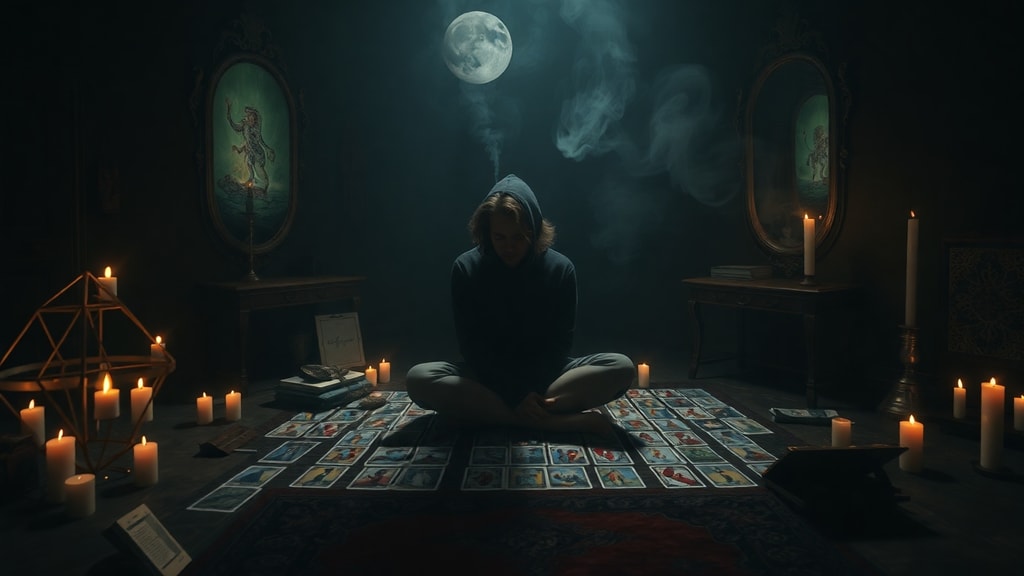
Dreams often serve as a window into the subconscious, bringing forward images, symbols, and scenarios that might feel strange or unsettling. One such dream theme that can provoke curiosity or even concern involves macumba. Many people wake up from a dream featuring macumba rituals, objects, or figures and immediately wonder if the dream carries a warning or a negative omen. However, the meaning of dreaming about macumba is rarely straightforward. In fact, most interpretations emphasize that these dreams are not inherently negative. Instead, they often reflect personal growth, a need for change, or hidden emotional concerns bubbling up from the subconscious mind. Understanding these dreams requires looking beyond surface-level fears and considering the broader spiritual and psychological contexts in which they arise.
Macumba itself is a colloquial term that refers to a range of Afro-Brazilian spiritual traditions, including Candomblé, Umbanda, and Quimbanda. These practices involve rituals, offerings, music, dance, and the veneration of spirits known as orixás or entidades. Unfortunately, the word macumba has often been misused in popular culture to imply something dark or sinister, which in turn colors how people interpret dreams that feature it. In reality, these traditions are rich, complex, and deeply meaningful for millions of practitioners. When macumba appears in a dream, it may not be about the religion itself but about what the dreamer associates with it—whether that be mystery, fear, reverence, or curiosity. By exploring the dream from multiple angles, including spiritual, psychological, and cultural viewpoints, it becomes possible to uncover insights that are far more nuanced and personally relevant than any simple doomsday prediction.
What Is Macumba? A Brief Background
Before diving deeper into dream interpretations, it is helpful to clarify what macumba actually refers to in real-world practice. As noted, macumba is a broad term used to describe various Afro-Brazilian religious traditions. These traditions emerged from the blending of African spiritual beliefs brought to Brazil by enslaved people, with elements of Indigenous American traditions and, in some cases, European Catholicism. Candomblé, for example, is a well-structured religion centered on the worship of orixás, which are deities associated with natural forces such as water, thunder, forests, and iron. Umbanda, which developed later, incorporates elements of Spiritism and Catholicism along with African roots. Quimbanda is sometimes characterized as focusing more on the left-hand path or working with spirits often considered more fiery or transgressive, but even within this tradition, there is a wide range of practices and ethical frameworks.
Because macumba has often been stigmatized and misunderstood, many people carry unconscious biases about it. These biases can surface in dreams. For instance, a person who has only heard negative portrayals of macumba in movies or conversations might dream about it as a symbol of danger, manipulation, or evil. Conversely, someone with a more open or informed perspective might dream about macumba as a symbol of spiritual connection, healing, or ancestral wisdom. This means that the dreamer's personal background, knowledge, and emotional state play a crucial role in shaping what the dream signifies. No single interpretation fits everyone. To truly understand the meaning of dreaming about macumba, one must consider the dreamer's unique relationship with the symbol and the emotions that arise within the dream itself.
Common Interpretations of Macumba Dreams
While each dream is personal, certain themes recur across many people's experiences with macumba in dreams. Below is a list of common interpretations that draw from both spiritual traditions and psychological frameworks. These points are not exhaustive but serve as a starting point for reflection.
- Personal transformation and inner change: Dreaming of macumba rituals or offerings can indicate that the dreamer is undergoing a period of transition. The dream may be urging the person to let go of old habits, beliefs, or relationships that no longer serve them.
- Repressed fears and anxieties: Macumba in a dream can symbolize hidden worries, especially about being manipulated, deceived, or harmed by others. The dream might be giving voice to anxieties that the dreamer has not consciously acknowledged.
- Spiritual curiosity or calling: For some, such dreams arise from a genuine fascination with spiritual practices or a sense that one needs to explore their own beliefs more deeply. This is not necessarily about joining a specific religion but about opening up to spiritual growth.
- Guilt or shame: Dreams involving offerings for macumba, particularly if the dreamer feels they are participating in something forbidden or wrong, can reflect feelings of guilt or shame about past actions or secret desires.
- Warnings about deception: In certain contexts, the dream may serve as a subconscious alert that someone in the dreamer's life is not being honest or has hidden motives. However, this interpretation should not be taken as a literal prediction but as a prompt to examine relationships with care.
- Reflection of media or cultural exposure: Sometimes dreams are simply recycling images the dreamer has seen in movies, books, or conversations. If the person has recently encountered macumba in media, the dream may have no deeper symbolic meaning.
These interpretations show that the meaning of dreaming about macumba is rarely about external spiritual attacks. Instead, the dream is almost always a mirror of the dreamer's inner world, reflecting emotions, conflicts, and desires that are already present. By paying attention to the specific details of the dream, such as who was present, what objects appeared, and how the dreamer felt, it becomes easier to identify which interpretation resonates most.
Spiritual Perspectives on Macumba Dreams
From a spiritual standpoint, dreams involving macumba can be understood in several ways depending on the tradition or belief system one consults. In Afro-Brazilian traditions themselves, dreams are often seen as a means of communication between the human world and the spirit world. Orixás, ancestors, or other spiritual entities may use dreams to send messages, offer guidance, or issue warnings. In this context, dreaming about macumba is not automatically negative. It could be an invitation to learn more about one's spiritual heritage, to perform a ritual of gratitude, or to seek balance in one's life. For example, dreaming of making an offering with positive intentions, such as flowers or fruits, might indicate a need to cultivate gratitude or to connect more deeply with nature and community.
On the other hand, some spiritual interpretations focus on the potential for negative energies or manipulation. If in the dream the macumba ritual feels coercive, frightening, or associated with harm, it may reflect the dreamer's fear of being spiritually attacked or deceived. However, experts note that even in such cases, the dream is more likely to be a reflection of the dreamer's emotional state than an actual occurrence. For instance, if a person is feeling paranoid or vulnerable in their waking life, these feelings might take the form of a macumba dream because the symbol carries cultural associations with secrecy, power, and danger. The dream becomes a metaphor for the dreamer's sense of helplessness or suspicion rather than a literal warning about someone else's actions.
Another spiritual perspective comes from the idea that macumba in dreams can represent a call to spiritual growth. When a person dreams of participating in a ritual, especially one that involves offerings or prayers, it may indicate that they are being called to examine their own moral compass or to seek healing from past traumas. The Wemystic source explains that offering rituals in dreams can represent calls for spiritual growth, warnings about deception, or reflections of guilt and shame. This multifaceted view reminds us that the same dream symbol can carry different meanings depending on the dreamer's circumstances and intentions. It is not the symbol itself that is good or bad, but the context and the emotional tone of the dream that determine its significance.
The Psychological Viewpoint
Psychology offers a complementary lens for understanding macumba dreams, one that strips away supernatural explanations and focuses on the mind's inner workings. According to this view, dreams are products of the subconscious mind, processing memories, emotions, and unresolved conflicts. Macumba in a dream, like any other symbol, is a representation of something the dreamer has encountered, feared, or thought about. It is not a message from external spirits but a message from the dreamer's own psyche. This perspective is supported by the Eu Sem Fronteiras source, which notes that such dreams may mirror repressed fears, anxiety about the unknown, or insecurity, rather than prophetic messages.
From a psychological standpoint, dreaming about macumba can indicate that the dreamer is grappling with feelings of powerlessness or fear of being controlled. The rituals and objects associated with macumba, such as candles, statues, or offerings, can symbolize the dreamer's attempt to exert influence over a situation or to seek protection from perceived threats. If the dream involves being the target of a macumba spell, it might reflect a fear of being manipulated by others in waking life, whether in relationships, work, or social dynamics. Alternatively, if the dreamer is the one performing the ritual, it could signify a desire to take control, to heal, or to make amends for past mistakes. The emotional tone of the dream is key: feelings of fear, guilt, or shame point to unresolved issues, while feelings of peace, curiosity, or empowerment suggest that the dream is helping the dreamer process positive changes.
Another psychological interpretation involves cultural conditioning. Many people grow up hearing that macumba is dangerous or evil, even if they have no direct experience with it. These learned associations can create unconscious fears that surface in dreams. The dream might then serve as an opportunity to confront and examine those fears. For instance, a person who dreams of macumba and feels terrified might be experiencing anxiety about things they do not understand or have been taught to fear. By exploring the dream in therapy or through self-reflection, the dreamer can begin to separate fact from fiction and reduce the power of those irrational fears. This process can lead to personal growth and a more nuanced worldview.
Specific Dream Scenarios and Their Meanings
To provide a clearer picture, the table below outlines several common scenarios involving macumba in dreams and their possible interpretations. These interpretations are drawn from a combination of spiritual, psychological, and cultural perspectives. Keep in mind that the dreamer's personal context always takes precedence; these are general guidelines, not rigid rules.
| Dream Scenario | Possible Meanings |
|---|---|
| Dreaming of macumba objects like candles, statues, or offerings | Symbolizes a need for spiritual connection, protection, or healing. May also reflect curiosity about the unknown or a desire to understand one's roots. |
| Dreaming of being the target of a macumba ritual or spell | Often reflects feelings of vulnerability, paranoia, or fear of betrayal in waking life. The dreamer may feel that someone is working against them or that they are being manipulated. |
| Dreaming of performing a macumba ritual yourself | Indicates a desire for control, change, or atonement. The dreamer may be trying to resolve guilt or to take active steps toward personal transformation. |
| Dreaming of macumba music or dancing | Can represent joy, community, and emotional release. Alternatively, if the atmosphere feels threatening, it may point to anxiety about losing control or being swept up in forces beyond one's understanding. |
| Dreaming of a macumba priest or priestess | May symbolize a guide, mentor, or authority figure in the dreamer's life. It can also represent the dreamer's own inner wisdom or spiritual intuition trying to emerge. |
| Dreaming of macumba associated with death or cemeteries | Often linked to endings, grief, or transition. The dream may be helping the dreamer process a loss or prepare for a significant life change. |
This table shows that the same symbol, macumba, can take on widely different meanings depending on the dream's narrative and emotional context. A dream involving macumba that leaves the dreamer feeling peaceful or curious is likely pointing toward growth and self-discovery. A dream that feels menacing or oppressive, on the other hand, is more likely to be highlighting fears or unresolved trauma. Rather than jumping to conclusions, it is better to sit with the dream, journal about it, and consider how it relates to current life circumstances. Many people find that discussing the dream with a trusted friend, therapist, or spiritual counselor helps illuminate aspects they had not considered.
How to Respond to Dreams About Macumba
If you have dreamed about macumba and are seeking clarity, there are several constructive steps you can take. First, resist the urge to label the dream as good or bad based solely on the symbol. Instead, focus on how the dream made you feel and what specific details stood out. Write down everything you remember, including colors, sounds, people, and emotions. This record will help you identify patterns and connections to your waking life. For example, if the dream involved a candle, ask yourself what candles mean to you personally. Do they represent hope, prayer, danger, or something else? The more you personalize the dream, the clearer its message becomes.
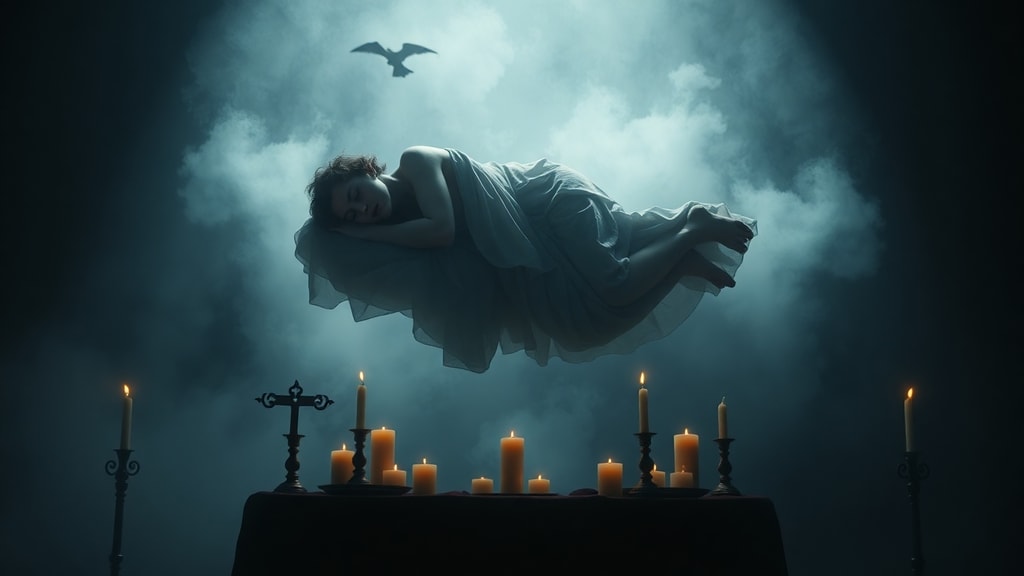
Second, consider whether the dream is highlighting an area of your life that needs attention. Are you feeling anxious about a relationship or a decision? Are you hiding something from yourself or from others? Is there a part of your spiritual or cultural identity that you have been neglecting or avoiding? Dreams about macumba often arise when the subconscious is trying to push these issues to the surface. By addressing them directly in your waking life, you may find that the dreams lose their intensity or change in character. This is a sign that the inner work is progressing.
Third, if the dream feels particularly disturbing or recurrent, it may be helpful to speak with a professional. A therapist can help you explore the underlying emotions and experiences that the dream is bringing up. If you are interested in the spiritual angle, consider seeking out a knowledgeable practitioner of an Afro-Brazilian tradition who can offer respectful and accurate insight. Avoid jumping to conclusions based on fear or misinformation. The goal is not to find a single definitive meaning but to use the dream as a tool for self-understanding and growth. Ultimately, the meaning of dreaming about macumba is as unique as the dreamer themselves, and the most valuable interpretation is the one that helps you live more authentically and peacefully.
References
Astrocentro. "Sonhar com macumba: significado, interpretação e mais." Accessed 2025. https://www.astrocentro.com.br/blog/sonhos/significado-sonhar-com-macumba/
Eu Sem Fronteiras. "Sonhar com macumba: o que significa?" Accessed 2025. https://www.eusemfronteiras.com.br/sonhar-com-macumba/
Minha Fofoca. "Sonhar com macumba significados." Accessed 2025. https://minhafofoca.com.br/significados/son