Understanding the Concept of Past Lives
The idea that we have lived before, in different bodies and different eras, is an ancient one. It appears in religions like Hinduism and Buddhism, and it has found a place in modern Western thought through practices like hypnotherapy and spiritual exploration. People who believe in past lives often say that our current personality, our fears, and even our unexplainable talents come from experiences we had in previous existences. If you are curious about whether you have lived before, you are not alone. Many individuals seek to understand their past lives as a way to explain present-day mysteries or to find deeper meaning in their current path. While there is no scientific proof for past lives, many people find comfort and insight in exploring the possibility. This article will guide you through common signs, methods, and steps to help you explore what you might have been in a past life.
Common Signs You May Have Had a Past Life
Before you try to remember a past life, it helps to recognize the clues that are already present in your daily life. People who have past-life memories often experience certain patterns that seem unusual or hard to explain. Below is a list of common signs that may indicate you have lived before.
List of common signs of past-life recall:
Recurring, vivid dreams that feel like real events from a different time or place. You might dream of being in a specific historical period, interacting with people you have never met, or experiencing emotions that seem too intense for a normal dream.
Intense, unexplained phobias or fears that have no basis in your current life. For example, fear of drowning even though you have never had a near-drowning experience, or fear of fire without any related trauma.
Strong déjà vu experiences when visiting certain places. You might feel that you have been to a city or a building before, even though you have never traveled there in this life. This feeling is often described as soul resonance.
Unexplained skills or talents that develop very quickly. You may pick up a musical instrument, a foreign language, or a craft with unusual ease, as if you are remembering something rather than learning it new.
Physical marks or persistent pain that do not have a medical cause. Some people report having birthmarks or chronic pain in areas that correspond to injuries from a supposed past life.
Strong attractions or aversions to certain cultures, eras, or time periods. You might feel a deep connection to ancient Egypt, the Victorian era, or medieval Japan, and you cannot explain why.
Feelings of being out of place in your own time. You might think you were born in the wrong century or that you miss a lifestyle you have never personally experienced.
Using Past-Life Regression Therapy
One of the most structured ways to explore past lives is through past-life regression therapy, often referred to as PLRT. This method involves working with a licensed hypnotherapist who guides you into a relaxed, focused state. In that state, the therapist asks you to recall memories that might come from a previous life. The process is not like stage hypnosis; it is a calm, therapeutic session where you remain aware and in control. The therapist helps you access parts of your subconscious that may hold information about past experiences. Many people who go through PLRT report feeling a sense of clarity and release, especially if they needed to heal from a past-life trauma. It is important to approach this method with an open mind but also with caution. Always choose a qualified professional who has experience in past-life regression, as this is not a regulated field everywhere. You can learn more about the practice from Brian Weisse books like Many Lives, Many Masters, which popularized the concept in the 1980s.
Exploring Recurring, Vivid Dreams
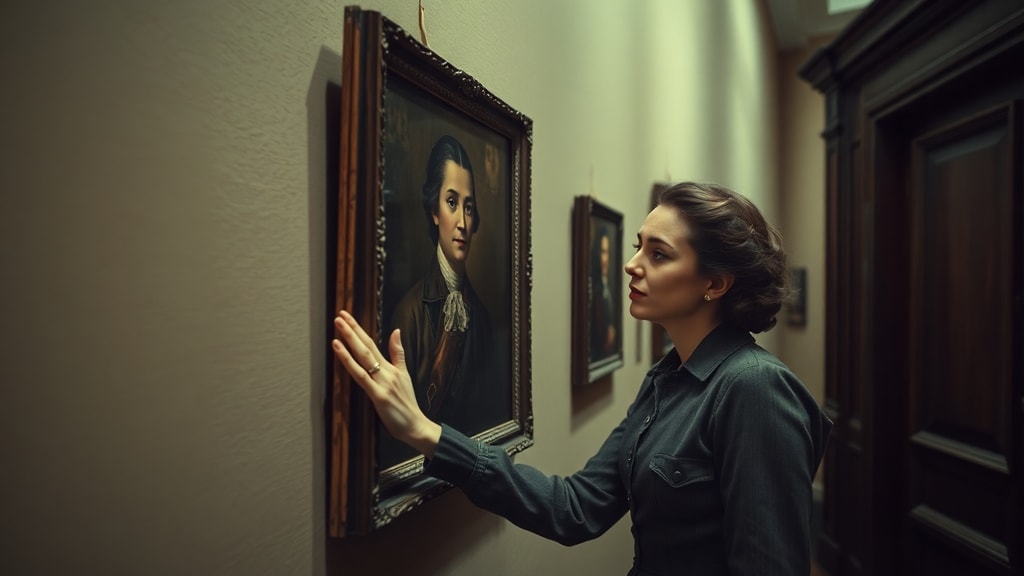
Your dreams can be a window into your subconscious, and for some people, these dreams feel like real events from another time. If you have recurring dreams where you are a different person, in a different place, or in a different historical era, it is worth taking them seriously. Keep a dream journal by your bed and write down every detail as soon as you wake up. Note the clothes, the language, the landscapes, and the emotions you felt. Over time, patterns may emerge. For example, you might dream repeatedly of being a soldier in a particular war, or a peasant in a medieval village. Therese authors, like Carol Bowman in Her book Childrens Past Lives, have documented cases where children describe dreams that later match historical facts. By journaling your dreams and comparing them to historical records, you can start to see if there is a believable connection. This method does not require a therapist, but it does require patience and a willingness to reflect on your inner world.
Analyzing Unexplained Phobias and Physical Marks
Sometimes the strongest clues about a past life come from the things we fear the most or the physical sensations we cannot explain. If you have an irrational phobia that has no obvious cause in your current life, it might be linked to a past-life trauma. For instance, a fear of heights might connect to a fall in a previous life, or a fear of closed spaces might relate to a past life in a prison or a cave. Physical marks, such as birthmarks or chronic pains, are also cited by some researchers as possible evidence. In traditional Indian texts like Samudra Shastra, it is believed that marks on the body can indicate past-life experiences. Of course, you should always rule out medical or psychological causes first. But if doctors and therapists find no explanation, exploring a past-life origin might offer a new perspective. Write down your fears and pains, and research historical events that could match them. For example, a fear of fire might lead you to look into great fires of the past, such as the Great Chicago Fire, and see if that resonates with you.
Noticing Unexplained Skills and Affinities
Another sign of a possible past life is having skills or talents that come to you without much effort. You might find yourself able to play a piano piece you have never learned, or speak a phrase in a language you have never studied. This phenomenon is sometimes called inherited past-life abilities. People who have a strong affinity for a specific culture or time period often report feeling a pull toward that eras music, art, or fashion. For example, you might feel an intense attraction to the 1920s and know details about that decade that you never consciously learned. To explore this, take note of any skill that seems to appear from nowhere. Try to learn something related to that skill and see if it comes naturally. You can also research historical figures or events that match your interests and see if they feel familiar. Remember that this is not about claiming to be a famous person from history; it is about recognizing the threads that connect your current self to a possible past life.
To help you organize your findings, here is a table that compares the main methods for exploring past lives.
Table of methods for exploring past lives:
Method: Past-Life Regression Therapy. What it involves: Guided hypnosis session with a professional. Best for: Deep recall and emotional healing. Time needed: 1-3 sessions. Tools needed: Therapist, comfortable setting. Scientific status: Not proven, widely practiced.
Method: Dream Journaling. What it involves: Writing down vivid, recurring dreams. Best for: Those who have frequent dreams. Time needed: Weeks to months. Tools needed: Notebook, patience. Scientific status: Subject to interpretation.
Method: Self-Analysis of phobias and marks. What it involves: Reflecting on fears and physical clues. Best for: Identifying possible trauma connections. Time needed: Ongoing. Tools needed: Personal history, medical records. Scientific status: Anecdotal evidence only.
Method: Skill exploration. What it involves: Testing unexplained talents. Best for: Confirming innate abilities. Time needed: Variable. Tools needed: Practice, research materials. Scientific status: Not scientifically based.
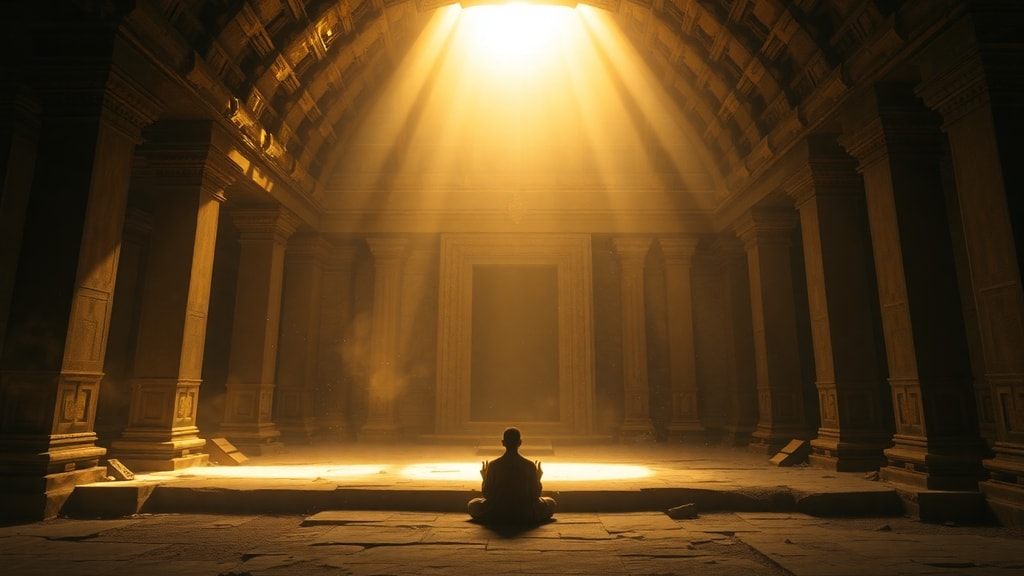
Method: Meditation and visualization. What it involves: Relaxing and asking for past-life images. Best for: Those with strong intuition. Time needed: Regular practice. Tools needed: Quiet space, focus. Scientific status: Subjective experience.
Verifying Your Past-Life Discoveries
Once you have gathered clues from dreams, fears, skills, or therapy sessions, the next step is to verify what you have found. Verification is critical because the human mind can create false memories or mix imagination with real information. Start by writing down all the details you have collected. This includes names, places, dates, physical descriptions, events, and emotions. Then, cross-reference these details with historical records. Use libraries, online archives, or academic resources to see if your memories match real history. For example, if you remember being a sailor in the 18th century, look up ship records, naval battles, or port cities from that time. You might find that your memory is accurate in small but specific ways. There are also online communities where people share and discuss past-life experiences, but be cautious about taking everything at face value. Remember that past-life memories are not considered scientific evidence, and many experiences remain unverifiable. Still, the process of checking your memories can be rewarding in itself, as it deepens your understanding of history and of your own mind.
Seeking Professional Guidance
If you decide to explore past lives seriously, it is wise to seek professional guidance. Licensed hypnotherapists who specialize in past-life regression can provide a safe and structured environment. They can help you avoid the risk of creating false memories or becoming distressed by what you uncover. Also, if you have any mental health concerns, talk to a therapist or psychologist before diving into past-life work. Some people use past-life exploration to avoid dealing with current-life issues, so it is important to stay grounded. You can find professionals through directories or by reading books from experts in the field. Remember that this is a personal journey, and there is no right or wrong way to do it. The goal is not to prove anything to others but to gain insight that helps you live a fuller life today.
References
The following sources were consulted for this article. They represent a range of perspectives from clinical practice, case studies, and spiritual traditions.
Brian Weiss, Many Lives, Many Masters (1988) - A foundational text on past-life regression therapy. Available at https://pastliferegression.in.
Carol Bowman, Childrens Past Lives (1997) - A study of past-life memories in children. Available at https://www.carolbowman.com.
Michael Newton, Journey of Souls (1994) - A guide to understanding the soul journey between lives. Available at https://www.michaelnewtoninstitute.com.
Samudra Shastra - Traditional Indian texts on body marks and past lives. Available at https://www.hindutexts.org.
Ranker, "How to Discover Your Past Lives" - A popular article compiling methods and signs. Available at https://www.ranker.com/list/how-to-discover-your-past-lives/jacob-shelton.
Times of India, "Signs you have had a past life" - A web story listing common indicators. Available at https://timesofindia.indiatimes.com/life-style/relationships/web-stories/signs-you-have-had-a-past-life/photostory/98332782.cms.
Note that past-life experiences are not scientifically proven. The approaches described in this article are based on psychological theory, case studies, and spiritual traditions. Always consult licensed professionals for mental health concerns.