Understanding the Challenge of Chinese Clothing Sizes
When you order clothing directly from China, one of the most common frustrations is receiving a garment that does not fit as expected. The sizing systems used by Chinese manufacturers differ significantly from those in Brazil, the United States, Europe, and other regions. Many Brazilian consumers find that a size that should fit according to the label ends up being too tight, too short, or simply uncomfortable. This happens because Chinese sizing standards are based on average body measurements of the Chinese population, which tend to be smaller and more slender than Brazilian standards. As a general rule, Chinese sizes are typically one to two sizes smaller than Brazilian standards. A practical rule is to order two sizes larger than your usual Brazilian size for a proper fit. However, this rule is not universal and depends heavily on the brand, the type of clothing, and the specific garment. To avoid disappointment, it is essential to understand how Chinese sizing works and how to interpret size charts correctly.
Why Chinese Sizing Is Different
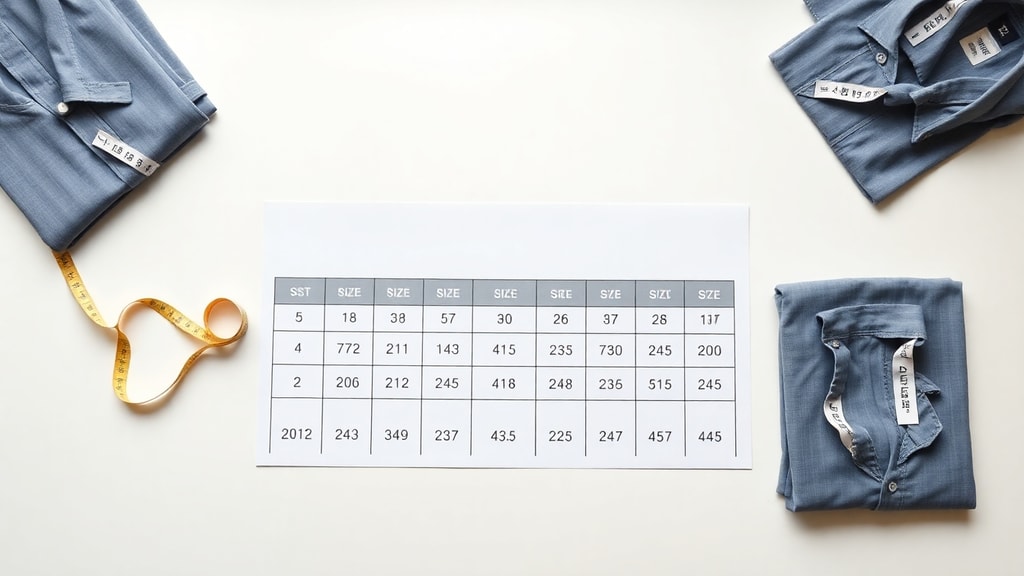
The main reason for the difference lies in the population averages used to create size standards. In China, the average height, weight, and body proportions are different from those in Brazil. Chinese manufacturers design their clothes to fit the local market first, and only later adapt them for international customers, if at all. Additionally, many Chinese brands, especially those selling on platforms like Shein, AliExpress, Shopee, and Taobao, use their own sizing systems that may not follow any international standard. Even when they use letters like S, M, L, XL, XXL, and XXXL, the actual measurements behind those letters vary from brand to brand. This means that a size L from one Chinese brand may fit like a size M from another, or like a size P or PP in Brazil. The lack of regulation and the wide variety of manufacturers make it necessary to check each product individually rather than relying on label sizes.
Key Measurements You Need to Know
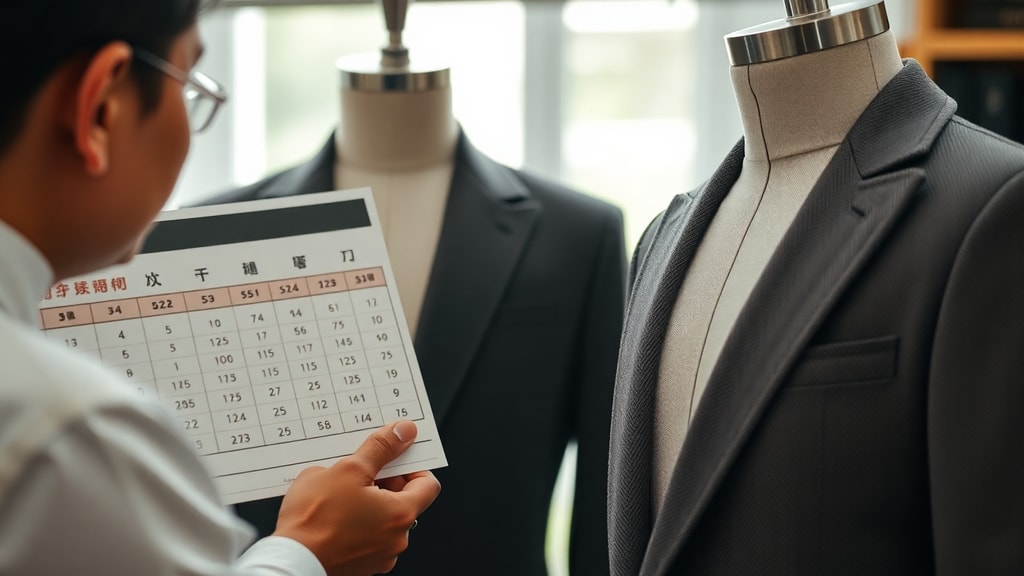
To successfully buy clothes from China, you need to move away from thinking in terms of letter sizes and start thinking in terms of body measurements. The most important measurements to compare are bust, waist, hip, and height. Bust is measured around the fullest part of the chest. Waist is measured at the narrowest part of the torso, usually around the belly button area. Hip is measured at the widest part of the hips. Height is especially important for items like dresses, coats, and pants, because Asian sizing often assumes a shorter torso and leg length. Chinese size charts usually provide these measurements in centimeters, so you should know your own measurements in centimeters as well. If you only know your measurements in inches, convert them using a reliable online tool. Many Chinese product pages include a size table that lists the garment measurements, not your body measurements. You need to compare those numbers with the measurements of a similar garment that fits you well at home. Measuring a piece of clothing that already fits you is the most reliable way to determine which Chinese size to order.
Basic Conversion Rules for Women
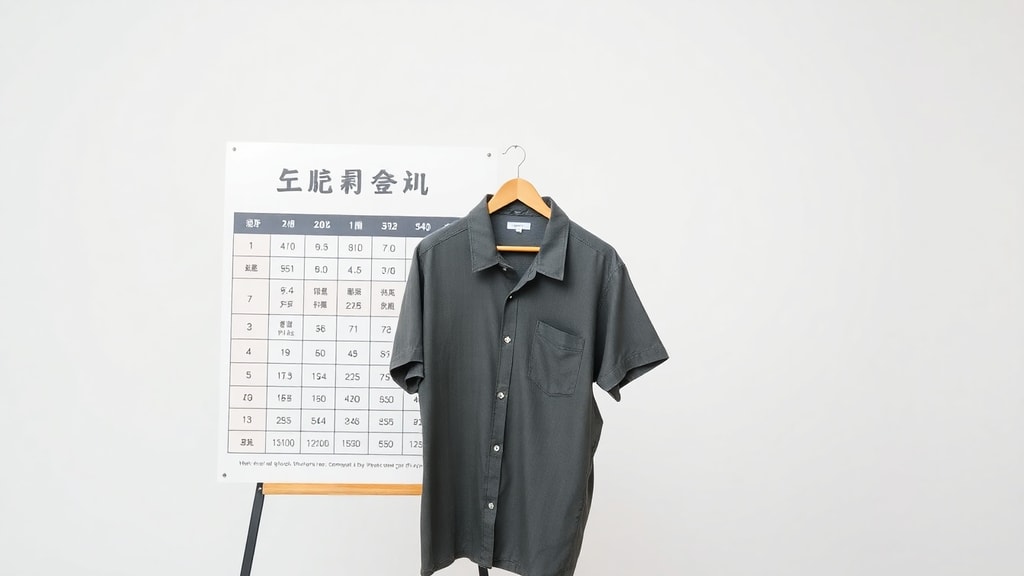
Although every brand is different, some general conversion guidelines exist for women's clothing. The table below shows a commonly recommended translation between Brazilian sizes and Chinese sizes. Remember that these are only starting points. You should always verify the actual measurements before purchasing.
| Brazilian Size | Chinese Size Label | Recommended Size to Order |
|---|---|---|
| P (small) | S | L |
| M (medium) | M | XL |
| G (large) | L | XXL |
| GG (extra large) | XL | XXXL |
As you can see, the recommendation is to order about two sizes above your usual Brazilian size. For example, if you wear size M in Brazil, you should consider size XL from China. However, this table is not absolute. Some brands may have more generous sizing, while others may be even smaller. The safest approach is to look at the specific size chart for the item you want to buy and compare the numbers with your own measurements.
Practical Tips for Ordering Clothes from China
Here is a list of practical tips that will help you choose the right size when shopping from Chinese sellers. Following these steps can save you the trouble of returns and exchanges.
- Always measure yourself in centimeters before you start shopping. Write down your bust, waist, hip, and height measurements and keep them handy.
- Read the product description carefully. Many sellers include a size chart in the images or in the text. If the chart is in Chinese, use a translation tool or app to understand the labels.
- Compare the garment measurements from the size chart with a similar item you already own. Lay the item flat on a table and measure it with a tape measure. Choose the Chinese size that matches those numbers.
- Look for reviews with photos. Customers often post pictures of themselves wearing the item, along with their height and weight. This gives you a realistic idea of how the garment fits.
- Order one size up if you are between sizes or if you prefer a looser fit. It is easier to have a garment taken in than to let it out.
- Avoid relying solely on letter sizes. Two different brands may use the same letter for completely different measurements.
- Check the return policy before buying. Some Chinese sellers offer free returns, while others do not. Knowing the policy helps you decide whether to take a risk.
Men s Clothing Size Considerations
Men also face sizing challenges when ordering from China, though the rules are similar. Chinese men s clothing tends to run smaller in the chest, shoulder width, and sleeve length. For tops such as shirts, jackets, and sweaters, Brazilian men should typically order two sizes larger than usual. For example, if you wear size G in Brazil, consider size XXL from China. For pants, the inseam is often shorter, so men with longer legs should look for tall versions or size up and expect to hem. The same principle applies: measure your chest, waist, hip, and inseam in centimeters, and compare them to the size chart. Do not assume that a size L from China will fit the same as a size L from a Brazilian store. Men s clothing from China also frequently uses numerical sizes, such as 44, 46, 48, 50, and 52. These numbers usually correspond to chest or waist measurements in centimeters, but the fit is still tighter than Brazilian standards. A Brazilian size 44 often matches a Chinese size 44, but the Chinese version feels tighter. If you are between sizes, go up to the next number.
How to Use the Product Size Chart Correctly
The most important step in buying clothes from China is learning how to read the product size chart. Every product page should have a table with measurements for each size offered. These measurements are usually listed in centimeters and refer to the garment itself, not your body. Common columns include bust, waist, hip, shoulder width, sleeve length, and total length. To use the chart effectively, take a piece of clothing that fits you well and measure it in the same way. For example, to check the bust measurement of a shirt, lay it flat and measure across the chest from armpit to armpit. Double that number to get the full bust circumference. Compare that number to the chart. Choose a size where the garment measurements are slightly larger than your body measurements to allow for comfort and movement. Many Chinese sellers also include a height recommendation on the chart. For example, a dress may say it fits heights from 155 cm to 165 cm. If you are taller than that, you should size up or look for a longer version. A useful resource for understanding these differences is the article Como acertar o tamanho das roupas da China from TecMundo, which explains the general rules of Chinese sizing in a practical way.
Common Mistakes and How to Avoid Them
One of the most common mistakes Brazilian shoppers make is ordering their usual Brazilian size without checking the chart. Another frequent error is assuming that a larger letter size, such as XL, will automatically fit a larger body. In Chinese sizing, XL may still be too small for a Brazilian person who wears size G or GG. A third mistake is ignoring the height recommendation. Many Chinese garments are cut shorter, especially in the sleeves and torso. If you are taller than average, you may need to order two or even three sizes up to get enough length. Finally, some people forget to account for fabric type. Stretchy fabrics like cotton blends may fit more loosely, while woven fabrics with no stretch require more precise measurements. To avoid these pitfalls, always cross-reference multiple sources of information. Consult the size chart, read customer reviews, and look for videos or photos of real people wearing the item. If you are still unsure, contact the seller directly. Many Chinese sellers on platforms like AliExpress and Shopee respond quickly and can advise on sizing. For a deeper understanding of the numerical correspondences between Brazil and China, the guide at Tabela de Tamanhos de Roupa da China offers updated information for 2025 and beyond.
References
TecMundo. Como acertar o tamanho das roupas da China. Available at: https://www.tecmundo.com.br/produto/147721-acertar-tamanho-roupas-china.htm. Accessed March 2025. Accio. Tabela de Tamanhos de Roupa da China 2025. Available at: https://pt.accio.com/business/tabela-de-tamanhos-de-roupa-da-china-tendencia. Accessed March 2025. Guia das Roupas. Tamanhos de roupas na Shein. Available at: https://guiadasroupas.com/tamanhos-de-roupas-na-shein/. Accessed March 2025. CID SCP. Tabela de Tamanhos de Roupas da China para o Brasil. Available at: https://cid.scp.com.br/blog/tabela-de-tamanhos-de-roupas-da-china-para-o-brasil. Accessed March 2025. Sky Nerd. Quais s?o os tamanhos da China no Brasil. Available at: https://skynerd.com.br/quais-sao-os-tamanhos-da-china-no-brasil/. Accessed March 2025. CSSBUY. How to choose clothing size on CSSBUY. YouTube. Available at: https://www.youtube.com/watch?v=FbKGWFmIj9Q. Accessed March 2025.