The Dawn of Currency
Before coins became a standard part of daily life, people relied on barter systems to exchange goods. A farmer might trade grain for a tool, or a herder might swap animal hides for pottery. This system worked on a small scale but had serious limitations. Both parties needed to want what the other offered, and determining fair value was often subjective. The invention of standardized metal coins changed everything. These small, durable objects carried intrinsic worth and could be used across different communities without debate. The transition from barter to coinage marks one of the most significant turning points in human economic history. It allowed trade to expand beyond local networks and laid the foundation for the global economies we know today. Understanding where ancient coins came from, what they were made of, and how they were used helps us appreciate not only their historical importance but also their modern value as collectible artifacts.
The Birth of Coinage: Lydia and the Lydian Lion
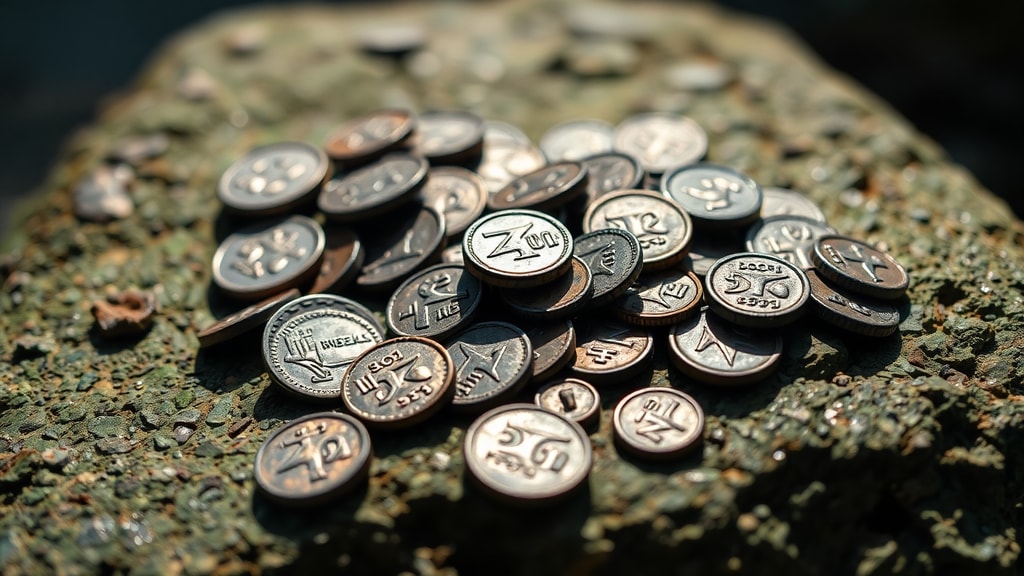
Around 600 BCE, in the region of Lydia, located in what is now modern-day Turkey, the first standardized metal coins were minted. This innovation is credited to King Gyges or possibly King Alyattes, depending on the historical source. The coins were known as the Lydian Lion, named for the lion motif stamped on their surface. These early coins were not made of pure gold or silver. Instead, they were crafted from a natural alloy of gold and silver called electrum. The Lydians had access to electrum from rivers in the region, and they used this material to create coins that were uniform in weight and purity. This standardization was revolutionary because it gave people confidence in the coin's value. A merchant could accept a Lydian Lion coin knowing that it contained a specific amount of electrum, which could be exchanged for goods anywhere within the kingdom and beyond. The government guaranteed the coin's weight and metal content, a practice that is still at the core of modern currency. You can explore more about the history of early coinage, including the Lydian Lion, from resources like the Jafet Numismática archive on the history of money.
The Spread of Coinage Across the Ancient World
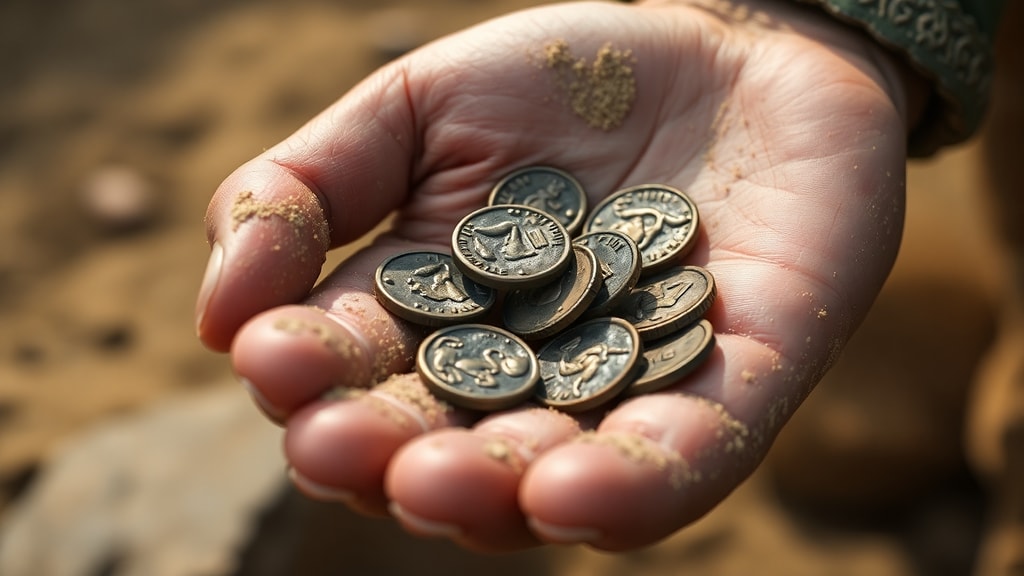
Once the Lydians demonstrated the effectiveness of coins, the idea spread quickly to neighboring civilizations. The ancient Greeks adopted coinage in the 7th century BCE and expanded its use dramatically. Greek city-states began minting their own coins, often featuring images of gods, animals, and plants. These designs were not arbitrary; they communicated identity, religious devotion, and political authority. A coin from Athens might display an owl, symbolizing wisdom and the goddess Athena, while a coin from Corinth might show Pegasus, the winged horse. Greek coins became a medium of exchange across the Mediterranean and into Asia, facilitating trade between diverse cultures. Meanwhile, in China, a different tradition emerged. The Chinese began using metal currency in the form of bronze spades and knives, but it was not until the 9th century CE that they introduced the first paper money, a development far ahead of its time. The Roman Empire also recognized the power of coinage. Roman coins were used as tools of political propaganda. Emperors placed their portraits and titles on coins, spreading their image and messages throughout the empire. Coins became a way to announce victories, celebrate building projects, and reinforce loyalty to the state. The ease of transporting and exchanging coins made them indispensable for the administration of the vast Roman territories.
Materials and Minting Techniques of Ancient Coins
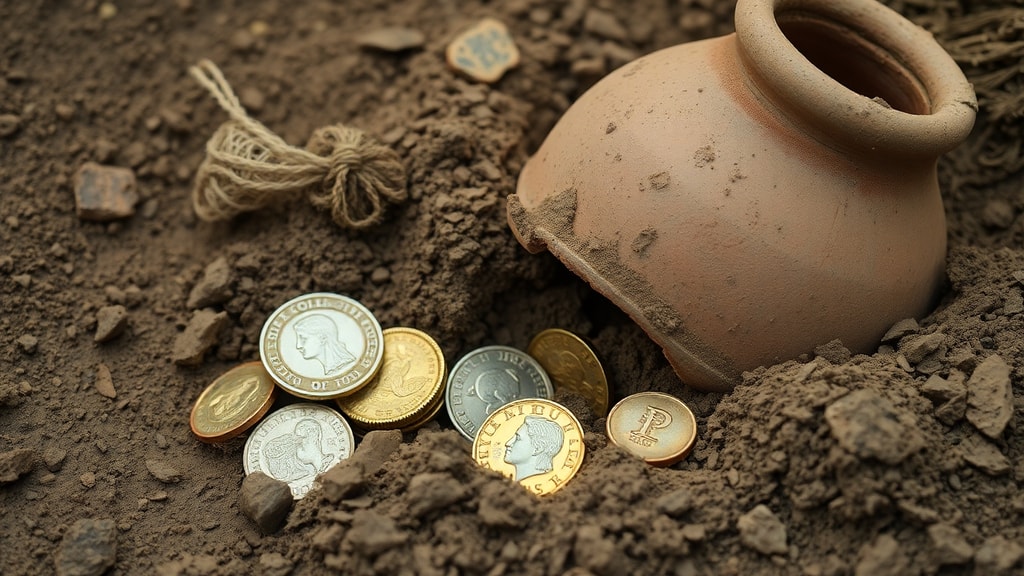
The materials used for ancient coins varied depending on what was available in a region and the stage of technological development. Early Lydian coins were made of electrum, as mentioned, but later coins shifted to silver and gold as refining techniques improved. Silver became the standard for many Greek city-states and later for the Roman denarius. Gold was reserved for high-value transactions and for commemorative issues. Copper and bronze were also used, especially for smaller denominations. The minting process began with a blank metal disc, called a planchet, which was heated and then struck with a hammer and die. The die, made of hardened metal, had the design carved in reverse. When struck, the design was impressed onto the coin. This method produced coins with raised images and text. Over time, minting techniques became more sophisticated. Some mints used multiple dies for different denominations, and others developed methods to produce coins more quickly. The quality of the striking, the purity of the metal, and the consistency of weight were all factors that determined a coin's acceptance. Poorly made coins were often rejected or discounted in trade, so mints had strong incentives to maintain high standards. The materials and techniques of ancient coins directly influence their modern collectible value, as collectors seek well-preserved examples with clear details and original metal surfaces.
The Oldest Coin Still in Circulation
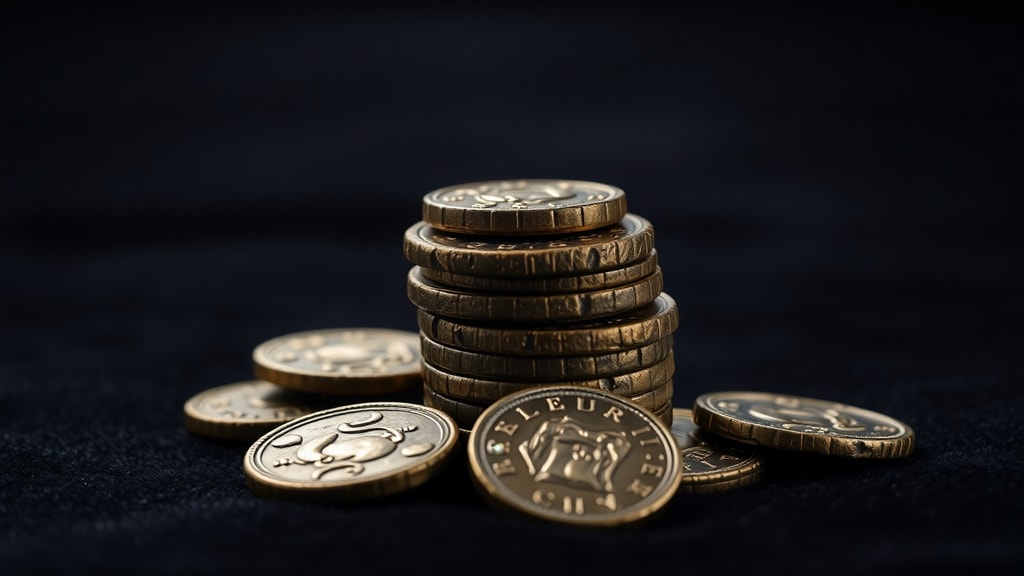
Among all the currencies used through history, one stands out as the oldest still in active use today: the shekel. The shekel has origins that go back over 3,000 years, long before the Lydian Lion. In ancient Mesopotamia and the Levant, the shekel was originally a unit of weight, used for measuring barley and silver. It was adopted as a coin in later periods, particularly in the region that is now Israel. The modern Israeli shekel, introduced in 1985 as the new shekel, is the direct descendant of this ancient currency. This means that the shekel has a continuous history of use that spans millennia, making it a living link to the ancient world. While the design and materials of the modern shekel are entirely different from its ancient predecessor, the name and the fundamental concept of a standardized unit of value have survived. You can learn more about the connection between ancient and modern currencies from studies like those featured on Lucidarium, which traces the evolution of money from its earliest forms.
The Purpose and Impact of Ancient Currency
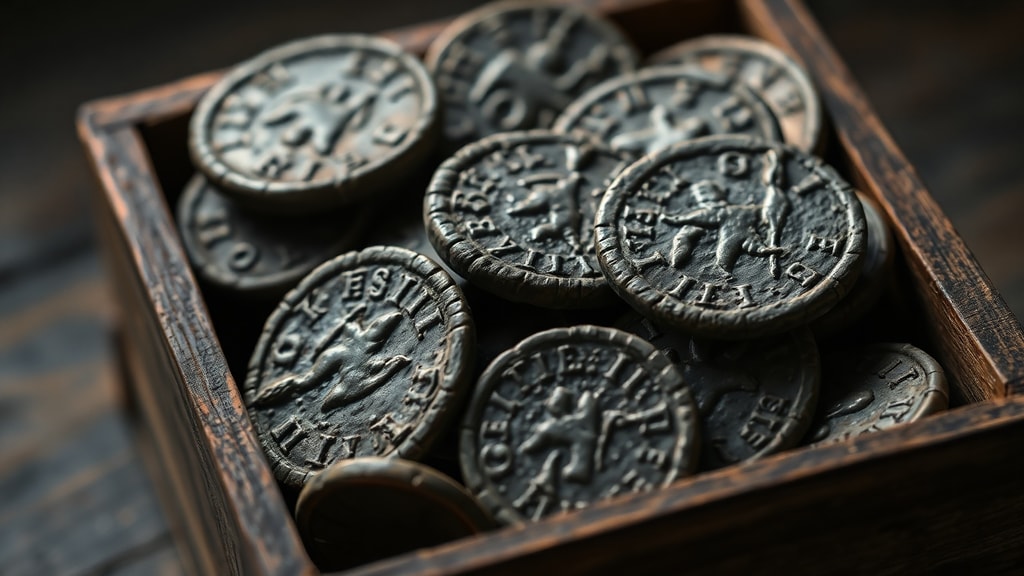
The primary purpose of ancient coins was to replace the barter system with a more efficient and reliable method of exchange. Coins made trade faster and easier because they had a recognized value that did not require negotiation for every transaction. They also served as a store of value, allowing people to save their wealth in a compact and durable form. Beyond these economic functions, coins played important social and political roles. They were used to pay soldiers, collect taxes, and fund public works. Governments could control the money supply and influence the economy by minting more coins or by debasing the metal content during times of financial strain. Coins also functioned as portable propaganda. A ruler's image on a coin reinforced their authority and reminded people of their allegiance. In Rome, emperors used coins to announce military victories, the construction of roads and aqueducts, and the promotion of certain religious cults. For ordinary people, coins were a daily encounter with the state and its power. The spread of coinage also encouraged the growth of markets, trade routes, and banking practices. Over time, the convenience and versatility of coins made them the standard form of money for most of the world, a status they held for nearly 2,500 years until the rise of digital payments.
Modern Value and Collecting Tips
Today, ancient coins are valued not only as historical artifacts but also as collectible items with significant market worth. Collectors around the world seek coins from Lydia, Greece, Rome, China, and other ancient civilizations. The value of an ancient coin depends on several factors: its rarity, condition, historical significance, metal content, and aesthetic appeal. Coins in excellent condition, with clear designs and minimal wear, command higher prices. Coins from well-known rulers or featuring important events also tend to be more valuable. For those interested in starting a collection, understanding these factors is essential. Below is a list of practical tips for new collectors, along with a table that summarizes key coin types and their approximate historical periods.
Collecting Tips for Beginners
- Start with a focus on a specific civilization or time period, such as Roman denarii or Greek drachms, to build a coherent collection.
- Purchase from reputable dealers or auction houses that provide certificates of authenticity and guarantee the coin's provenance.
- Learn to recognize common forgeries by studying the weight, metal, and design details of genuine examples.
- Store coins in protective holders or albums to prevent damage from handling, moisture, and air exposure.
- Keep a detailed inventory of your collection, including photographs, purchase dates, and historical context for each coin.
- Join a local or online numismatic society to connect with experienced collectors and access educational resources.
- Start with lower-cost coins to build experience before investing in more expensive pieces.
| Coin Type | Civilization | Approximate Period | Common Metal |
|---|---|---|---|
| Lydian Lion | Lydia | 600 BCE | Electrum |
| Athenian Owl Tetradrachm | Ancient Greece | 5th-4th century BCE | Silver |
| Roman Denarius | Roman Republic/Empire | 3rd century BCE-3rd century CE | Silver |
| Ancient Chinese Spade Money | China (Zhou dynasty) | 7th-3rd century BCE | Bronze |
| Shekel (ancient form) | Phoenicia/Israel | From 2nd millennium BCE onward | Silver |
| Indian Punch-marked Coins | Ancient India | 6th-2nd century BCE | Silver |
The Enduring Appeal of Ancient Coins
The fascination with ancient coins goes beyond their monetary value. Each coin is a tangible piece of history, a direct connection to someone who lived thousands of years ago. Holding a Roman denarius that was once used to buy food in a Roman market or a Greek silver drachm that paid a merchant in Athens brings the past to life in a way that reading about it cannot. Ancient coins are also works of art, with intricate designs that reflect the aesthetic sensibilities of their time. For collectors, the hunt for coins adds another layer of excitement. Searching through dealer inventories, attending auctions, and uncovering the story behind each coin is a rewarding pursuit. As with any hobby, knowledge is power. The more you learn about the history, minting techniques, and cultural context of ancient coins, the more you will appreciate them. Whether you collect for investment, for historical interest, or simply for the joy of owning a piece of the ancient world, ancient coins offer a rich and enduring experience. By following the tips in this article and using reliable sources for research, you can start your own journey into the fascinating world of ancient numismatics.
References
The information in this article draws on the following sources: Wikilivrospt on the history of money dating to the 7th century BCE; Jafet Numismatica for material composition and Lydian coin details; Lucidarium for the origins of the shekel and its continued use; Unicentro ebook and the British Museum via Get Penny Wise for the first standardized coins by King Gyges or Alyattes; National Geographic Portugal for the purpose of replacing barter systems; and Monografias Brasil Escola for developments in Greece, China, and Rome. Additional references include Lucidarium for modern collectible value and broader economic context. Readers are encouraged to consult these materials for further study on the history and collection of ancient coins.