The Art of Caricature: From Satirical Origins to Custom Online Portraits
Caricature art is a fascinating and enduring form of visual expression. At its core, it is a satirical drawing or work of art that deliberately exaggerates, distorts, or deforms the facial features and physical appearance of a person. The goal is not to create a realistic portrait but to produce a humorous, critical, or even grotesque effect. In recent years, the tradition of hand-drawn caricatures has found a vibrant new home online. Custom funny portraits are now widely available through digital platforms, allowing anyone to commission a personalized caricature for gifts, events, or social media. Understanding the roots and techniques of this art form enriches the experience of ordering or creating one.
Definition and Etymology of Caricature
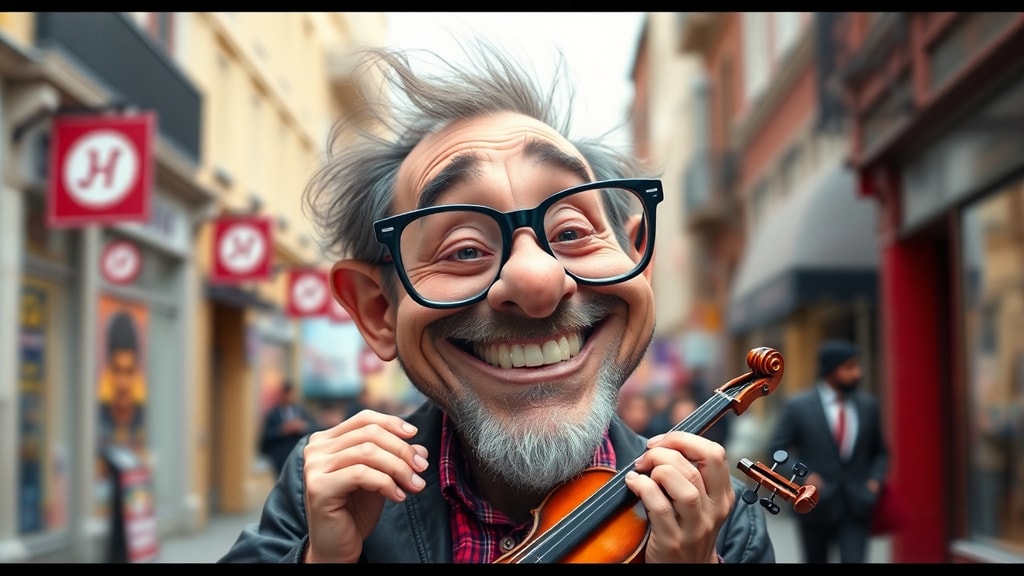
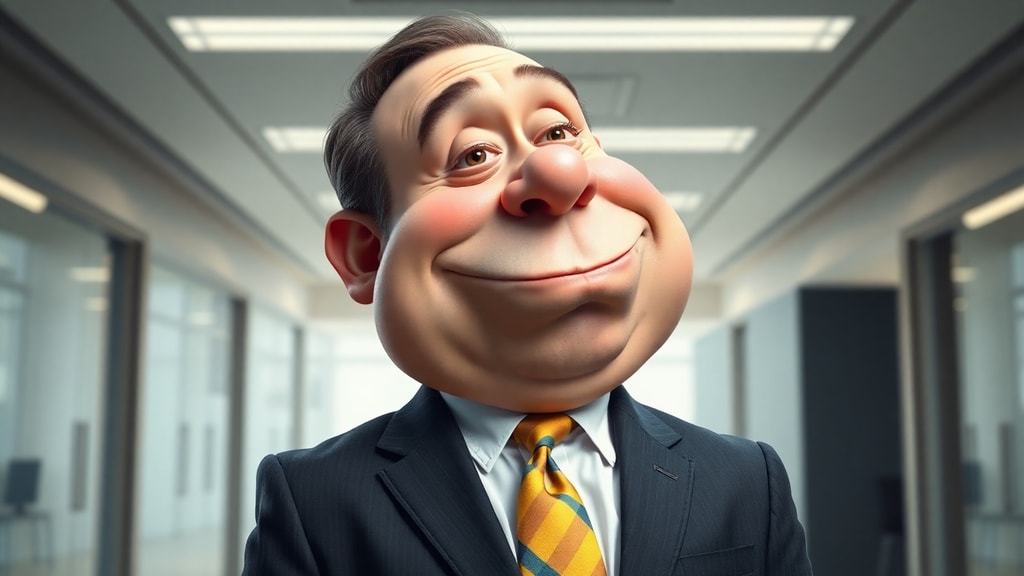
The term "caricature" comes directly from the Italian verb caricare, which means "to load," "to exaggerate," or "to charge." This origin perfectly describes the artistic process: the artist loads the subject's features with exaggerated traits. The Real Academia Española (RAE) defines a caricature as a satirical drawing that exaggerates or deforms the appearance of a person. This definition highlights two key elements: the act of exaggeration and the satirical intention. The etymology reminds us that caricature is not about accuracy but about emphasis. An artist selects certain characteristics—a prominent nose, a wide smile, a distinctive jawline—and amplifies them far beyond reality. The result is a visual metaphor that often reveals something deeper about the subject's personality or role in society.
The word entered English usage in the 18th century, but the practice is much older. Ancient Roman murals and medieval manuscript illustrations contain early examples of exaggerated faces. However, the formal development of caricature as a distinct genre occurred during the 16th century in Italy. Artists like Annibale Carracci began creating humorous portrait sketches for private amusement. These early caricatures were often gentle and playful, meant to amuse friends rather than to criticize public figures. Over time, the technique spread across Europe and became a powerful tool for political and social commentary.
Techniques and Purpose in Caricature Art
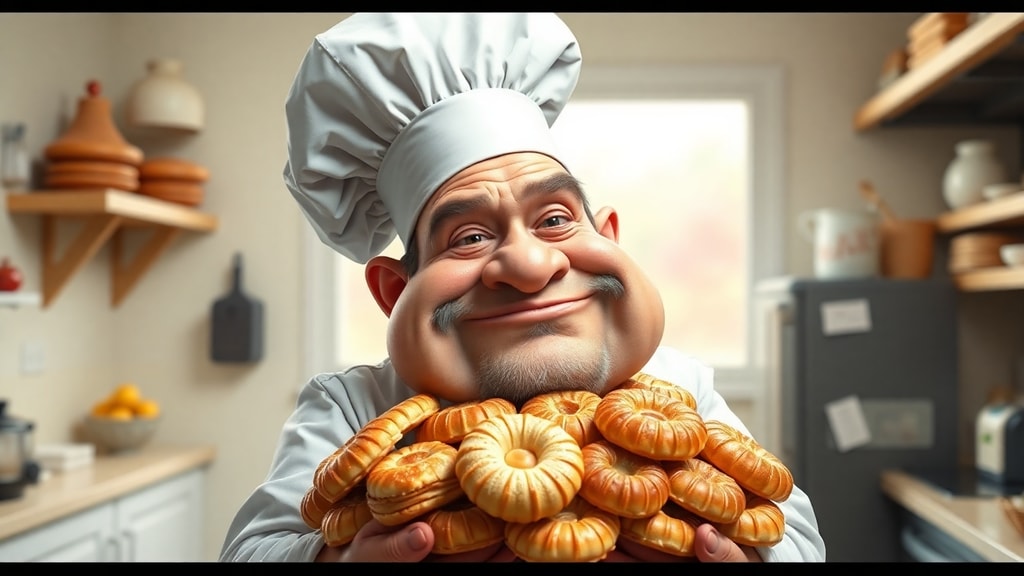
The primary purpose of caricature is to function as a "visual metaphor." It conveys social criticism, political satire, or irony by exposing the faults or absurdities of public figures and institutions through humor. The technique involves simplifying the subject's recognizable traits while exaggerating specific characteristics such as the lips, nose, posture, or hair. A successful caricature must maintain a recognizable likeness; otherwise, it becomes a generic cartoon. The artist carefully chooses which features to distort and by how much. This requires both observational skill and a sense of comedic timing.
Key elements of caricature technique include:
- Exaggeration of the most prominent facial features beyond realistic proportions.
- Simplification of less important details to focus attention on the exaggerated traits.
- Use of line quality and shading to enhance the comedic or grotesque effect.
- Incorporation of symbolic objects or settings that relate to the subject's profession or personality.
- Application of perspective distortions, such as enlarging the head relative to the body.
These techniques allow the caricaturist to create a humorous yet recognizable portrait. Whether drawn with a pencil, digitally, or painted in watercolor, the essence remains the same: a deliberate manipulation of reality for comic or critical effect. The best caricatures reveal an inner truth about the subject, making them laugh at themselves or think differently about a public figure.
Historical Context and Evolution
Caricature developed significantly in the 16th century and became a dominant force in mass media during the 19th and 20th centuries. Newspapers and magazines used caricatures extensively as a tool for political satire and social commentary. Publications like Punch in Britain and Le Charivari in France featured regular caricatures of politicians, monarchs, and celebrities. Artists such as Honoré Daumier, Thomas Nast, and George Cruikshank elevated the form to high art while wielding immense influence over public opinion. Daumier's caricatures of King Louis-Philippe, for example, famously depicted the monarch as a pear-shaped figure, reducing his authority to absurdity.
In the 20th century, caricature expanded beyond print into animation, television, and eventually the internet. The tradition of live caricature drawing at events, fairs, and theme parks became popular, with artists producing instant, entertaining portraits for crowds. Meanwhile, editorial cartoonists continued to use caricature to comment on current events. The digital age has transformed how caricatures are created and distributed. Today, anyone with an internet connection can commission a custom caricature from a professional artist, receive it as a high-resolution digital file, and share it instantly on social media. This accessibility has opened new markets for personalized funny portraits, from birthday gifts to corporate team-building activities.
Distinction Between Caricature and Cartoon
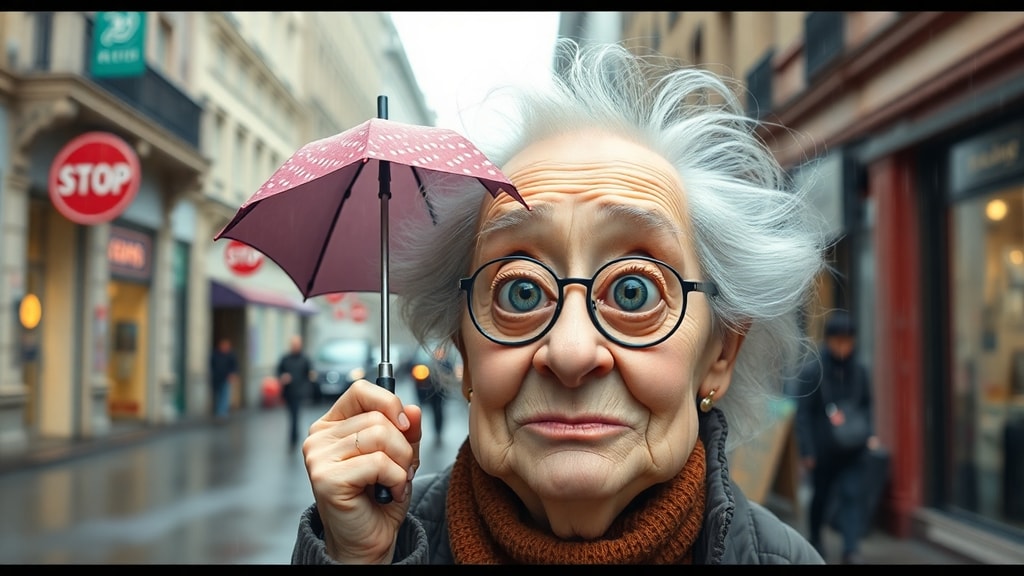
Although the terms are often used interchangeably, there is a meaningful distinction. A strict caricature focuses on one specific person's exaggerated likeness. It requires a real-life target whose features are distorted for effect. A cartoon, on the other hand, may depict generic characters, satirical scenes, or animated stories without targeting a specific real-life individual. Cartoons can feature imaginary characters, animals with human traits, or entire fictional worlds. Caricatures are always anchored to a particular person, even if the exaggeration makes them look ridiculous. This distinction matters for artists and clients: ordering a caricature means commissioning a portrait that references a specific face, while a cartoon might be a general humorous illustration.
In Latin American Spanish, the term caricatura also has a secondary meaning. In Mexico and parts of Central America, it is colloquially used to refer to animated cartoons or movies. A child may say "me gusta ver caricaturas" to mean they enjoy watching cartoons. This usage reflects the broader semantic range of the word in Spanish-speaking cultures. However, in the context of art and custom portraits, the primary definition remains the satirical, exaggerated likeness of a real person.
Modern Online Custom Caricatures: A Growing Trend
The internet has revolutionized the market for caricature art. Custom funny portraits are now ordered through websites, freelance platforms, and social media. Clients provide a photograph, select a style (digital, hand-drawn sketch, full color), and receive a personalized caricature within days. This convenience has made caricatures popular for gifts, wedding favors, profile pictures, and business branding. Artists can work from anywhere in the world, offering diverse styles ranging from gentle humor to sharp satire. Many online services provide instant digital delivery, allowing customers to print the caricature at home or use it online.
To help you understand what to expect from an online caricature service, here is a comparison of common features:
| Feature | Basic Service | Premium Service |
|---|---|---|
| Number of revisions | 1 to 2 | Unlimited until satisfaction |
| Delivery format | Low-res JPEG only | High-res JPEG, PNG, and vector |
| Background | Simple solid color | Detailed custom background with props |
| Turnaround time | 5 to 7 business days | 24 to 48 hours rush available |
| Art style options | One digital style | Multiple styles (pencil, watercolor, digital painting) |
| Commercial use rights | Personal use only | Included in price |
When choosing an online caricature artist, consider the level of customization and the intended use. A gift for a friend may only require a basic service, while a corporate logo or a gift for a public figure might need a premium package with commercial rights. The key is to communicate your preferences clearly, especially regarding the degree of exaggeration. Some clients want a gentle caricature that barely distorts the subject, while others desire a comical or even grotesque treatment. Professional caricaturists are skilled at balancing likeness with humor.
Why People Order Custom Caricatures
People commission custom caricatures for many reasons. Birthdays, weddings, anniversaries, and retirement parties are common occasions. A caricature of the guest of honor adds a personal and memorable touch. Businesses use caricatures for team photos, marketing materials, and social media profiles. Politicians and public figures sometimes order caricatures of themselves to promote events or to show they have a sense of humor. The internet has also popularized caricature avatars for online gaming and virtual communities. Because the art is inherently funny and flattering in its exaggeration, it tends to make people smile. A well-executed caricature can become a treasured keepsake that captures the subject's personality in a way a standard photograph cannot.
Additionally, custom caricatures serve as icebreakers at events. Live caricature artists are often hired for parties, corporate gatherings, and trade shows. Guests enjoy watching their likenesses emerge on paper in just a few minutes. The resulting portrait is a fun souvenir that sparks conversation. With online platforms, the same experience can be replicated virtually: customers send a photo and receive a digital drawing that they can share with friends and family across the globe.
Conclusion: The Enduring Appeal of Caricature
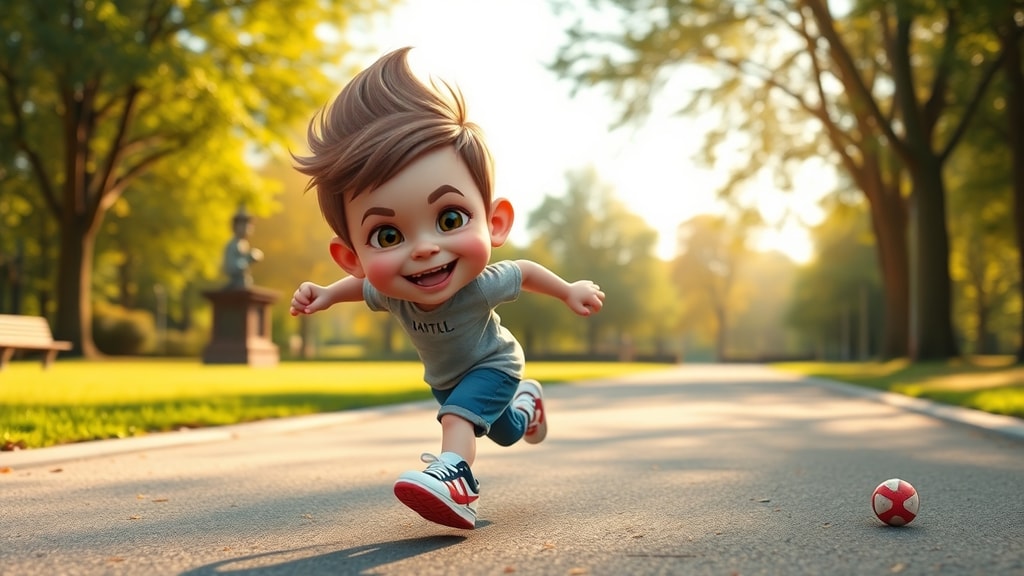
Caricature art remains a vibrant and relevant form of expression in the digital age. From its origins in 16th-century Italian studios to its current incarnation as an online service, the core idea remains the same: to make people laugh by cleverly exaggerating their features. The technique requires artistic skill, psychological insight, and a sense of humor. Whether you are ordering a custom funny portrait for a loved one or simply appreciating the work of a master caricaturist, you are participating in a tradition that spans centuries. The internet has made it easier than ever to access this art form, but the timeless appeal of seeing yourself or someone you know transformed into a playful, exaggerated image continues to delight audiences worldwide.
References
Real Academia Española. "Caricatura." Diccionario de la lengua española. Accessed 2025. https://diccionario.rae.es/drae/?q=caricatura
Wikipedia. "Caricature." Accessed 2025. https://en.wikipedia.org/wiki/Caricature
UNAM. "La caricatura como texto icónico." Portal Académico CCH. Accessed 2025. https://portalacademico.cch.unam.mx/alumno/tlriid3/unidad1/textoIconico/caricatura
Significados. "Caricatura." Google Arts & Culture / Significados. Accessed 2025. https://www.significados.com/caricatura/
WordReference. "Caricatura." WordReference.com. Accessed 2025. https://www.wordreference.com/definicion/caricatur%C4%83
Encyclopædia Britannica. "Caricature." Accessed 2025. https://www.britannica.com/art/caricature