Introduction: The Gateway to Global Travel
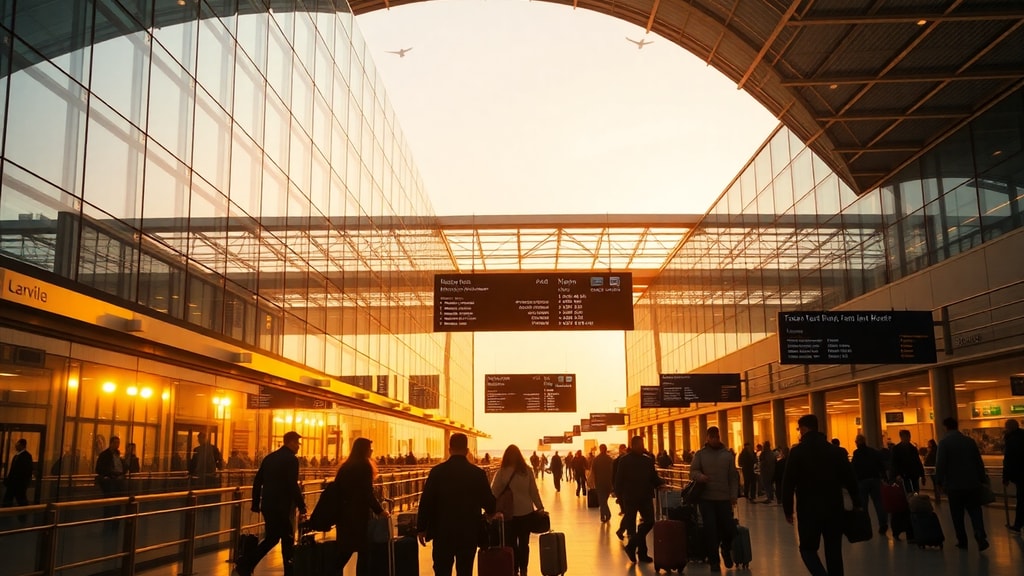
Airports are much more than places where planes take off and land. They are complex ecosystems that connect people, cultures, and economies across the world. From the moment you step into a terminal, you enter a carefully designed environment meant to move millions of passengers efficiently and safely. Whether you are a frequent flyer or someone who travels only occasionally, understanding how airports work can make your journey smoother and less stressful. This guide covers everything from the history of airports to the latest statistics and future trends, helping you navigate the world of air travel with confidence.
The History and Evolution of Airports
The concept of the airport has changed dramatically since the early days of aviation. In the beginning, any flat field could serve as a landing strip. The first dedicated airports appeared in the 1920s and 1930s, with simple grass runways and basic terminals. As aviation technology advanced and passenger numbers grew, airports evolved into the massive, multi-functional hubs we see today. The post-World War II era saw a boom in commercial air travel, leading to larger runways, control towers, and passenger amenities. By the 1970s, airports had become major economic engines for cities and countries. Today, they are often compared to small cities themselves, with their own transportation systems, security protocols, retail spaces, and even hotels.
Types of Airports and Their Functions