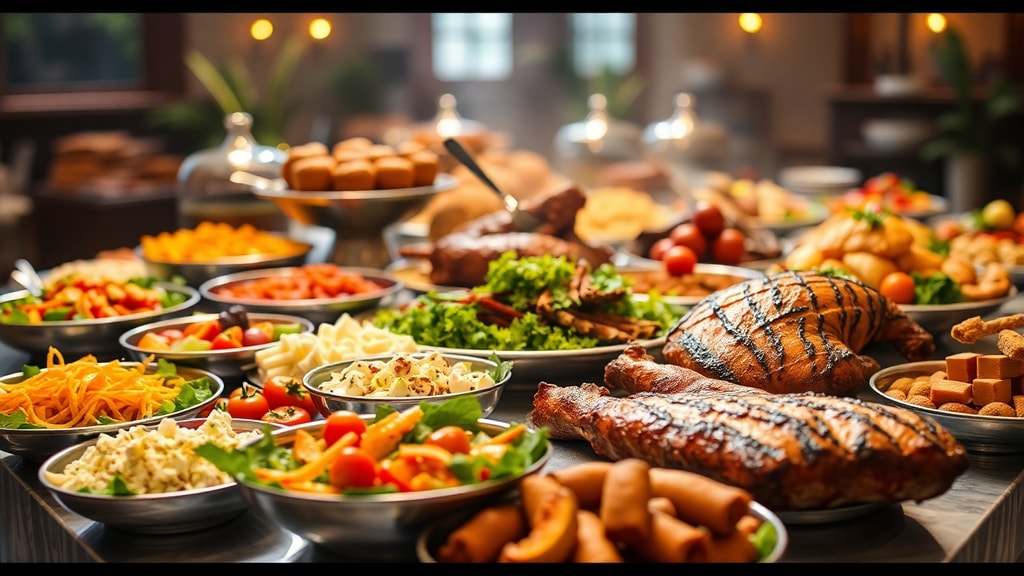
Introduction: The Art of Menu Planning for Every Palate
Planning a menu can feel like a daunting task, whether you are hosting a dinner party, packing lunches for the week, or simply trying to bring variety to everyday family meals. The word menu itself carries a sense of anticipation and choice. A well-thought-out menu does more than list dishes; it sets the tone for an occasion, accommodates dietary needs, and can even help you manage your budget and nutrition. This article explores menu ideas for every occasion and taste, from quick weekday breakfasts to festive holiday spreads. Along the way, we will incorporate practical resources such as the FDA Menu Labeling Law, free nutrition databases, and trusted menu finders to help you make informed choices.
Breakfast for Busy Mornings
Breakfast menus often get overlooked when time is tight, but a little planning can transform rushed mornings. For a weekday breakfast that suits both adults and children, consider a rotation of simple yet satisfying options. Overnight oats are a versatile base; mix rolled oats with milk or yogurt, add chia seeds, and top with fresh fruit. You can prepare several jars at once to have grab-and-go meals ready. Another idea is a build-your-own yogurt parfait bar with granola, berries, and nuts. For those who prefer savory breakfasts, egg muffins baked with spinach and cheese can be made ahead and reheated. These menus are not only quick but also easy to adjust for taste preferences. For more balanced breakfast ideas, you can consult Nutrition.gov for official guidance on nutrient-dense morning meals.
Quick Lunch Ideas for Work or School
Lunch menus should be portable, satisfying, and easy to assemble. A lunchbox or work bag can hold a variety of components that don’t require reheating. Consider a grain bowl with quinoa, roasted vegetables, canned beans, and a simple vinaigrette. Wraps are another flexible option: use whole wheat tortillas filled with hummus, turkey, lettuce, and shredded carrots. For hot lunches, a thermos can hold soups, stews, or chili made over the weekend. To keep lunches interesting, rotate themes such as Mediterranean Monday, Taco Tuesday, or Asian-inspired bowls. Incorporating leftovers from dinner is a smart way to reduce waste and save time. Whether packing for yourself or for children, a weekly lunch menu helps maintain variety without daily stress.
Dinner Parties Made Easy
Hosting a dinner party calls for a menu that impresses guests without keeping you stuck in the kitchen all night. Choose dishes that can be partially prepared ahead, such as a slow-cooked braise or a roasted vegetable platter. A three-course menu might start with a simple appetizer like bruschetta with tomato and basil, followed by a main course of herb-crusted salmon with roasted potatoes and green beans, and finish with a dessert like panna cotta or a fruit tart. For casual gatherings, a taco bar or a pasta station lets guests customize their plates. When planning, consider dietary restrictions and offer at least one vegetarian option. Remember that the ambiance matters as much as the food; a well-set table and thoughtful music complete the experience. For inspiration on actual menu items from restaurants, you can browse Menupedia to see real menus and pricing trends across the U.S.
Healthy Menu Options for Family Meals
Creating healthy menus for the whole family involves balancing nutrients while keeping flavors appealing. Aim to include a lean protein, whole grains, and a generous serving of vegetables at each meal. For example, a dinner menu could feature grilled chicken breast, quinoa pilaf, and steamed broccoli with lemon. Another evening might include lentil soup, a whole wheat roll, and a side salad. Breakfast could be scrambled eggs with whole grain toast and sliced avocado. Snacks can be built into the menu with yogurt, nuts, or fruit. If you are dining out or ordering takeaway, the FDA Menu Labeling Law requires chain restaurants with 20 or more locations to disclose calorie information on menus. This regulation helps families make informed choices when eating away from home. You can also use the free database MenuStat to search nutrition data from thousands of chain restaurant items, making it easier to compare options before you order.
Budget-Friendly Menu Planning
A tight budget does not mean you have to sacrifice flavor or variety. Smart menu planning focuses on seasonal produce, bulk grains, and affordable proteins like eggs, beans, and chicken thighs. Build a weekly menu around sales at your local grocery store. For example, if pork shoulder is on sale, plan a pulled pork dinner one night and use leftovers for tacos or sandwiches later in the week. Staples like rice, pasta, and potatoes can stretch more expensive ingredients. Incorporating meatless meals a few times per week also cuts costs. Breakfast menus can rely on oatmeal or eggs; lunch can feature hearty soups made from vegetable scraps and beans. By planning menus in advance, you reduce impulse purchases and food waste.
Special Occasion Menus: Holidays and Celebrations
Holiday menus often carry traditions but can also be updated for modern tastes. For Thanksgiving, a classic menu includes roast turkey, stuffing, mashed potatoes, cranberry sauce, and pumpkin pie. But you can add a twist with roasted Brussels sprouts with balsamic glaze or a vegetarian main like stuffed acorn squash. For a birthday party, consider a themed menu such as a barbecue with grilled meats, coleslaw, corn on the cob, and a cake. For brunch celebrations, serve a mix of quiche, fresh fruit, pastries, and mimosas. When entertaining, it helps to create a timeline for preparation so that everything comes together at the same time. Keep in mind that the FDA Menu Labeling Rule applies to chain restaurants, but for homemade menus, you can still track nutrition using apps or the MenuStat database for reference on portion sizes and calories.
Tips for Creating Your Own Menu
Designing a menu from scratch can be rewarding if you follow a few guidelines. Below is a list of practical tips that apply to any occasion.

- Start with a theme or cuisine to unify the dishes, such as Italian, Mexican, or comfort food.
- Balance textures and flavors: include something crunchy, creamy, savory, and sweet if possible.
- Consider the season: use fresh produce that is at its peak for better taste and lower cost.
- Account for dietary restrictions: ask guests ahead of time about allergies or preferences.
- Plan for make-ahead steps: decide which items can be prepped the day before to reduce stress.
- Keep portions realistic: avoid overserving to prevent waste and overeating.
- Test new recipes on a small scale before serving them at a large gathering.
- Use reliable resources like Nutrition.gov for official dietary advice and Menupedia for restaurant menu inspiration.
These tips can be applied to any menu, whether for a casual weeknight or a formal dinner.
Sample Menu Table for a Weeknight Dinner
The following table shows a simple but balanced weeknight dinner menu for four people, including estimated calorie ranges based on standard portions. This can serve as a template you can adjust to your taste and dietary goals.
| Course | Dish | Main Ingredients | Approx. Calories per Serving |
|---|---|---|---|
| Appetizer | Mixed green salad with vinaigrette | Spinach, arugula, cherry tomatoes, cucumber, olive oil, vinegar | 80–120 |
| Main | Baked salmon with lemon and dill | Salmon fillets, lemon juice, fresh dill, garlic, olive oil | 350–400 |
| Side | Roasted sweet potatoes and broccoli | Sweet potatoes, broccoli, olive oil, salt, pepper | 200–250 |
| Dessert | Greek yogurt with honey and berries | Plain Greek yogurt, honey, mixed berries | 150–200 |
| Beverage | Sparkling water with lemon | Sparkling water, lemon slice | 0 |
This menu is flexible; you can swap salmon for chicken or tofu, and adjust sides based on what is in season. For more detailed nutrition data, use MenuStat to find comparable restaurant dishes and see how they align with your homemade versions.
Using Nutrition Databases and Menu Resources
In today’s food landscape, having access to reliable nutrition and menu information is essential. The U.S. FDA Menu Labeling Final Rule, which took effect in May 2018, requires chain restaurants with 20 or more locations to display calorie counts on menus and menu boards. They must also provide written nutrition information upon request, including fat, sodium, carbs, and protein. Additionally, two statements must appear: one explaining that additional nutrition info is available, and another noting that a 2,000-calorie diet is used as a baseline for daily intake. This rule empowers consumers to make more informed choices when dining out. Beyond regulation, two free resources stand out. MenuStat, developed by the New York City Department of Health, aggregates nutrition data from major U.S. chain restaurants since 2012, allowing you to search and compare items. Menupedia offers up-to-date, independent restaurant menus from across the country, with regional pricing and dietary insights. Using these tools alongside Nutrition.gov official guidance helps you plan menus that are both delicious and aligned with your health goals.
Conclusion
Menus are more than just lists of food; they are blueprints for memorable experiences, whether for a quiet breakfast or a grand celebration. By considering the occasion, the tastes of your guests, and the nutritional impact, you can craft menus that satisfy and nourish. The resources highlighted throughout this article, from FDA labeling laws to free databases like MenuStat and Menupedia, offer practical support for anyone looking to improve their menu planning. Remember that flexibility and creativity are your best tools. Use the tips, lists, and example tables provided as starting points, and adapt them to your own kitchen and lifestyle. With a little planning, every meal can feel intentional and enjoyable.
References
FDA Menu Labeling Requirements. U.S. Food and Drug Administration. Retrieved from https://www.fda.gov/food/nutrition-food-labeling-and-critical-foods/menu-labeling-requirements
MenuStat – NYC Department of Health and Mental Hygiene. Retrieved from https://www.menustat.org
Menupedia – Independent Restaurant Menus and Pricing. Retrieved from https://menupedia.us
Nutrition.gov – Official Nutrition Information from the U.S. Government. Retrieved from https://www.nutrition.gov