Understanding Evolution: A Foundational Concept in Biology
Evolution is the process by which species of living organisms change over time through alterations in their genetic material. At its core, evolution explains the diversity of life on Earth, showing how simple ancestral forms gave rise to the complex array of plants, animals, and microorganisms we see today. In biological terms, evolution is defined as the change in the heritable characteristics of populations across successive generations. From a genetic perspective, this is more precisely the change in allele frequencies within a gene pool over time. The concept of evolution is not merely a theory in the colloquial sense but a well-supported scientific framework that underpins all of modern biology. It provides the lens through which we understand everything from antibiotic resistance in bacteria to the fossilized remains of dinosaurs.
Evolution operates on populations, not individuals. An individual organism does not evolve during its lifetime; rather, the genetic makeup of a group shifts as certain traits become more or less common due to various mechanisms. This fundamental principle distinguishes evolution from other forms of change, such as development or learning. The modern understanding of evolution, known as Neo-Darwinism or the Modern Synthesis, integrates Charles Darwin's theory of natural selection with Gregor Mendel's principles of genetics and subsequent discoveries in molecular biology. This synthesis explains how variation arises, how it is inherited, and how it is selected upon in natural environments.
The Primary Mechanisms Driving Evolution
Evolution is driven by four main forces, each playing a distinct role in shaping the genetic landscape of populations. These mechanisms work together to produce the observable patterns of change in the living world.
Natural Selection
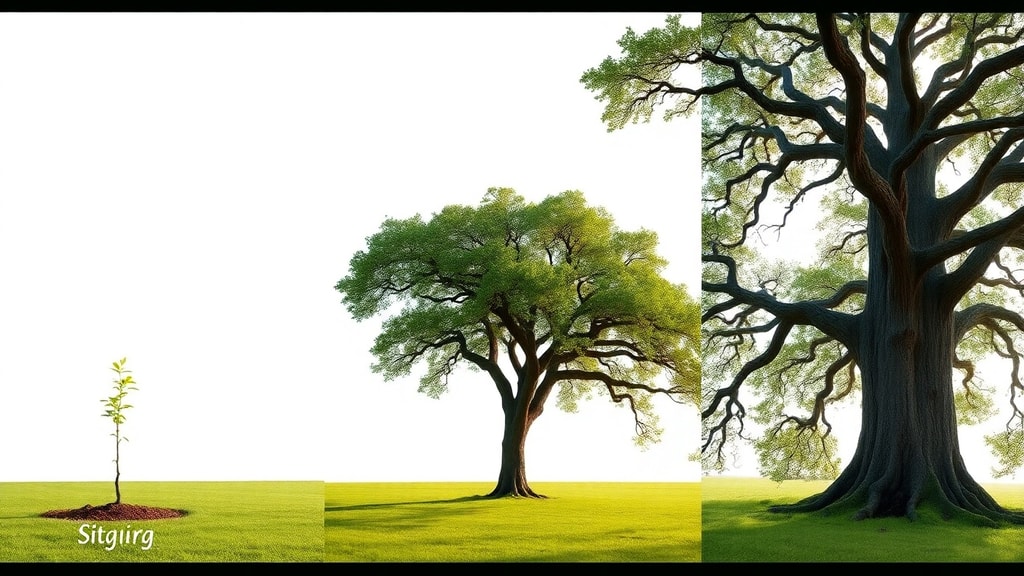
Natural selection is perhaps the most famous mechanism, often summarized as survival of the fittest. However, fitness in evolutionary terms refers to an organism's ability to survive and reproduce in its specific environment. Individuals with traits that offer a reproductive advantage are more likely to pass those traits to the next generation. Over time, this process leads to the accumulation of favorable adaptations. For example, in a population of beetles, those with a green coloration might be better camouflaged against predators than brown ones. The green beetles survive longer and reproduce more, causing the proportion of green beetles to increase in subsequent generations. This is adaptive evolution, where populations become better suited to their surroundings.
Genetic Drift
Unlike natural selection, genetic drift is a random process that causes allele frequencies to fluctuate unpredictably over time. This mechanism is most powerful in small populations. Imagine a small group of plants where only a few individuals happen to have a particular flower color. If those few individuals fail to reproduce due to random events, such as a landslide or a drought, that flower color may disappear entirely, regardless of its usefulness. A classic example is the bottleneck effect, where a population's size is drastically reduced by a disaster, leaving behind a random subset of the original gene pool. The resulting population may have very different genetic diversity than the original.
Gene Flow
Gene flow, also known as migration, involves the transfer of genetic material between populations. When individuals move from one population to another and breed, they introduce new alleles or change the frequency of existing ones. This process can increase genetic diversity within a population and reduce differences between populations. For instance, if a flock of birds from a mainland flies to an island and interbreeds with the local population, the island's gene pool will be altered. Gene flow can also act as a homogenizing force, preventing speciation from occurring too quickly by keeping populations genetically similar.

Mutation
Mutation is the ultimate source of all new genetic variation. These are changes in the DNA sequence of an organism's genome. Most mutations are neutral or harmful, but a very small number can be beneficial, providing raw material for natural selection to act upon. Without mutation, evolution would eventually stop because there would be no new traits for selection to favor or reject. For example, a mutation in a bacterium might confer resistance to an antibiotic, a trait that becomes highly advantageous in the presence of that drug.
Evidence Supporting Evolutionary Theory
The evidence for evolution is vast, multidisciplinary, and compelling. It draws from various scientific fields, each providing pieces of the same puzzle.
| Type of Evidence | Description | Example |
|---|---|---|
| Fossil Record | Preserved remains or traces of ancient organisms showing change over time. | Transitional fossils like Tiktaalik, which has features of both fish and tetrapods. |
| Comparative Anatomy | Study of similarities and differences in the body structures of different species. | Homologous structures like the forelimbs of humans, whales, bats, and cats share a common bone structure. |
| Comparative Embryology | Comparison of embryonic development across species. | Vertebrate embryos, such as fish, chickens, and humans, show similar early stages like pharyngeal pouches. |
| Molecular Biology | Comparison of DNA and protein sequences between organisms. | Humans share about 98-99% of their DNA with chimpanzees, indicating a recent common ancestor. |
| Biogeography | The geographic distribution of species on Earth. | Island species, like Darwin's finches in the Galapagos, show unique adaptations linked to local environments. |
This table summarizes key lines of evidence that collectively paint a clear picture of how evolution unfolds. The fossil record provides a timeline, while molecular biology offers a precise measure of relatedness. Comparative anatomy and embryology reveal deep structural similarities pointing to shared ancestry.
Stages of Evolution in a Population
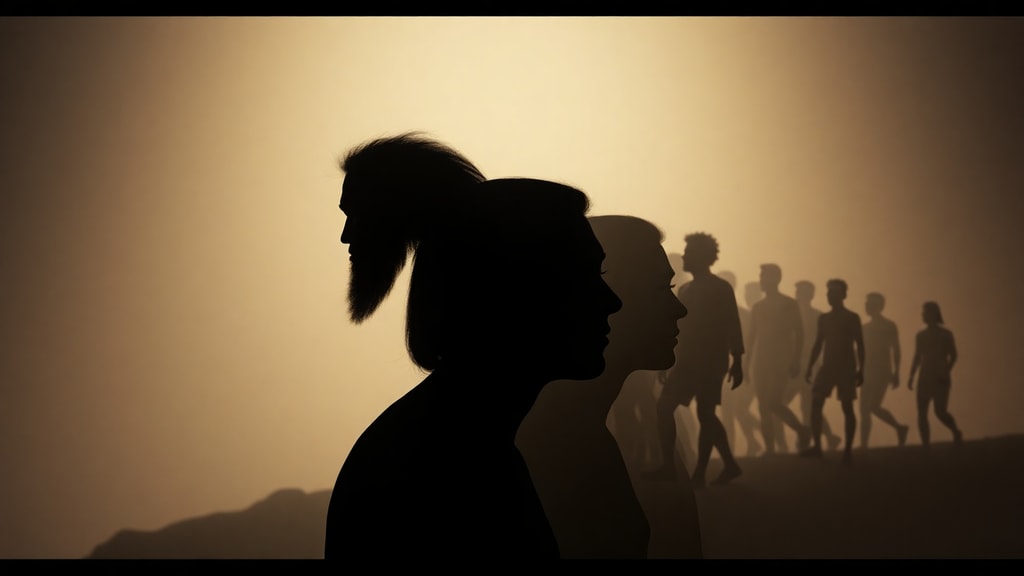
Evolution does not happen overnight. It occurs through a series of stages within populations. A simplified model includes the following steps:
- Variation arises: Mutations create genetic differences within a population. Some individuals may have slightly different coloration, metabolism, or behavior.
- Selection pressures act: Environmental factors such as predators, climate, food availability, or diseases create challenges. These pressures determine which traits are advantageous.
- Differential reproduction occurs: Individuals with traits that improve survival and reproduction contribute more offspring to the next generation. Those with less favorable traits contribute fewer.
- Allele frequencies shift: Over multiple generations, the proportion of genes coding for advantageous traits increases in the population, while others decrease or disappear.
- Speciation may occur: If populations become isolated and experience different selection pressures for long enough, they may diverge to the point where they can no longer interbreed, forming new species.
Real-world examples of evolution are abundant. The development of antibiotic resistance in bacteria is a rapid and observable instance. When a patient takes antibiotics, most bacteria die, but any that carry a mutation conferring resistance survive and reproduce. Over time, the entire bacterial population becomes resistant. Another example is the evolution of pesticide resistance in insects like mosquitoes. These examples demonstrate evolution in action within living memory.
Real-World Examples of Evolution in Action
One clear real-world example is the evolution of the peppered moth (Biston betularia) during the Industrial Revolution in England. Before industrial pollution darkened tree trunks with soot, light-colored moths were well-camouflaged and common. As trees became darker, dark-colored moths had a survival advantage because they were harder for birds to see. Within a few decades, the dark form became dominant. After pollution controls were implemented and trees lightened again, the light-colored moths made a comeback. This illustrates natural selection directly tied to environmental change.
A more recent example involves the evolution of Anolis lizards on Caribbean islands. Researchers have found that lizards on different islands with similar habitats have evolved remarkably similar body shapes, even when they are not closely related. This process, known as convergent evolution, occurs because similar environmental demands favor similar adaptations. For instance, lizards that live on tree trunks have longer legs for running, while those living on narrow twigs have shorter legs for gripping. This example shows how natural selection can repeatedly produce similar outcomes in different locations.
Another powerful case is the evolution of the E. coli bacterium in Richard Lenski's long-term evolution experiment, which started in 1988. Over tens of thousands of generations, the bacteria have evolved a variety of traits, including the ability to utilize citrate as a food source under aerobic conditions, something the ancestral strain could not do. This experiment provides direct observation of evolutionary processes, including the role of mutation and natural selection, in a controlled setting.
Common Misconceptions About Evolution
Despite its scientific foundation, evolution is often misunderstood. A common misconception is that evolution is a linear progression toward perfection or that humans evolved from modern apes. In reality, evolution is a branching process, and all species, including humans, share a common ancestor with modern apes, not a direct descendant of them. Another error is thinking that individuals evolve during their lifetimes. As mentioned, evolution occurs at the population level over generations. A third misconception is that evolution has a goal or purpose. Evolution is not directed; it responds to current environmental conditions without foresight.

The Scope and Significance of Evolutionary Biology
Evolutionary biology has immense practical applications. In medicine, understanding evolution helps track the spread of pathogens, develop vaccines, and manage antibiotic resistance. In agriculture, it guides breeding programs and pest control strategies. In conservation biology, evolutionary principles inform efforts to preserve genetic diversity and manage endangered species. For example, when designing a nature reserve, knowledge of gene flow and population genetics helps maintain healthy populations that can adapt to future changes. The study of evolution is therefore not just an academic exercise but a tool for solving real-world problems.
For further reading on the definition and mechanisms, you can consult the detailed entry on Brasil Escola's page on evolution. Another valuable resource is the article from Questão de Ciência discussing what evolution really means.
References
This article was informed by a variety of reputable sources in evolutionary biology. Key references include the Wikipedia article on evolution for general definitions and mechanisms, Toda Matéria and Brasil Escola for summaries and educational explanations, the Revista Questão de Ciência for in-depth analysis, the European Society for Evolutionary Biology for academic overviews, and the Michaelis online dictionary for lexical definitions. These sources provide a solid foundation for understanding the meaning, stages, and examples of evolution.