Defining the Robot: Beyond Science Fiction
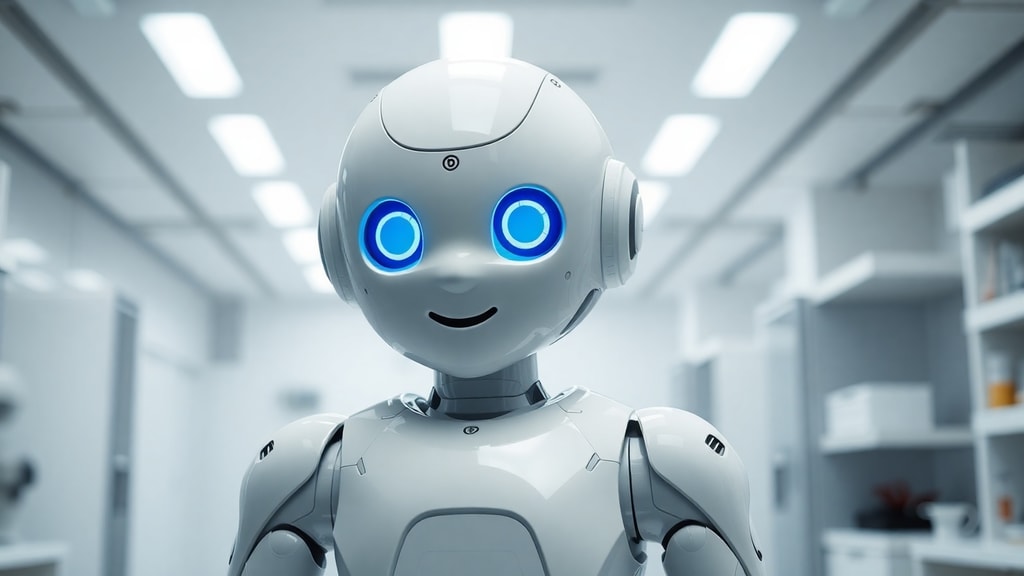
The term robot often evokes images of humanoid machines from science fiction, but the reality is both more grounded and more pervasive. A robot is fundamentally a programmable electromechanical device capable of automatically carrying out a complex series of actions. This definition encompasses a wide range of machines, from the robotic arm assembling a car to the autonomous vacuum cleaner navigating a living room. The core idea is that a robot is a physical machine that can sense its environment, process information, and act upon that information to complete a task.
To understand what a robot is, it helps to break down its essential characteristics. First, a robot must accept electronic programming. This means it is not a simple mechanical tool that requires constant manual adjustment. Instead, it has a control system, usually a computer, that stores instructions. Second, it must process data or physical perceptions. This is where sensors come in. A robot might use cameras, infrared sensors, or tactile sensors to understand its surroundings. Third, it operates autonomously to some degree. While some robots are teleoperated, many can perform tasks without direct human intervention once they are programmed. Finally, a robot must manipulate its environment. This is the key differentiator from a simple computer; a robot has physical parts that move or affect the world around it.
The International Federation of Robotics Standard and the Nature of Work
The International Federation of Robotics provides a standardized definition that is widely used in industry and academia. According to the IFR, a robot is a machine that operates autonomously or under partial control to perform useful services for humans, often featuring high precision and repeatability. This definition highlights two crucial aspects: the service to humans and the high precision of performance. Whether it is a surgical robot assisting a doctor or an industrial robot welding a chassis, the underlying purpose is to augment human capability.
Robots are not meant to replace humans in every capacity. Instead, they are designed to take over tasks that are repetitive, dangerous, or insalubrious. Consider the example of a paint shop in an automobile factory. The fumes from the paint are harmful to humans, but a robot can work in that environment without risk. Similarly, robots handle the heavy lifting in warehouses and the precise assembly of tiny electronic components. This frees human workers to focus on tasks that require creativity, problem-solving, and complex decision-making. The nature of work is shifting, with robots acting as collaborators rather than mere tools.
Core Components and How They Work Together
Every functional robot, regardless of its form, is built on three fundamental pillars: sensors, processors, and actuators. These components work together in a continuous feedback loop. Sensors are the robot's eyes and ears. They gather information from the environment. Common sensors include temperature sensors, proximity sensors, cameras, and microphones. The data collected by sensors is raw and must be interpreted. This is the job of the processor. The processor is the brain of the robot, a computer that runs the robot's programming. It takes the sensor data, makes decisions based on that data, and sends commands to the actuators.
Actuators are the muscles of the robot. They convert electrical signals into physical motion. Motors, hydraulics, and pneumatics are common types of actuators. When the processor determines that the robot arm needs to move to a specific angle, it sends a signal to a motor, which then rotates the arm. This simple loop of sense, think, and act is the foundation of all robotic operation. The sophistication of a robot depends on the complexity of the programming and the quality of its sensors and actuators. A simple robot like a line-following toy uses a single sensor to detect a line and a simple processor to turn its wheels, while a surgical robot uses multiple high-definition cameras and advanced processors to control precise instruments.
The Origins of the Word Robot
Interestingly, the word robot has its origins not in engineering but in literature. The term comes from the Czech word robota, which means forced labor or work. It was first coined by the Czech writer Karel Čapek in his 1921 play R.U.R., which stands for Rossumovi Univerzální Roboti. In the play, artificial people called robots are created to serve humans, but they eventually rebel. This dystopian origin has shaped much of the public perception of robots, but the reality is far more mundane and beneficial.
The etymology of the word reflects the historical purpose of these machines. From the beginning, the concept was about creating a machine that could perform the drudgery of human labor. This idea predates Čapek by centuries, as inventors have long dreamed of mechanical servants. However, the word robot captured the imagination of the world and became the standard term for any autonomous machine performing work. The play's themes of creation and rebellion continue to influence discussions about artificial intelligence and the ethical implications of robotics, but the practical application of robotics has focused overwhelmingly on the original concept of relieving humans from tedious or hazardous work.
Industrial Robots vs. Service Robots: A Practical Distinction
One of the most important distinctions in the world of robotics is between industrial robots and service robots. Industrial robots are the classic image of robotics in manufacturing. They are typically automatic devices designed to complement human action in processes like welding, painting, assembly, and material handling. According to the ISO 10218 standard, an industrial robot is an automatically controlled, reprogrammable, multipurpose manipulator programmable in three or more axes. These robots are often large, fixed to the floor, and work in cages for safety. They are characterized by high speed, precision, and repeatability, making them ideal for mass production.
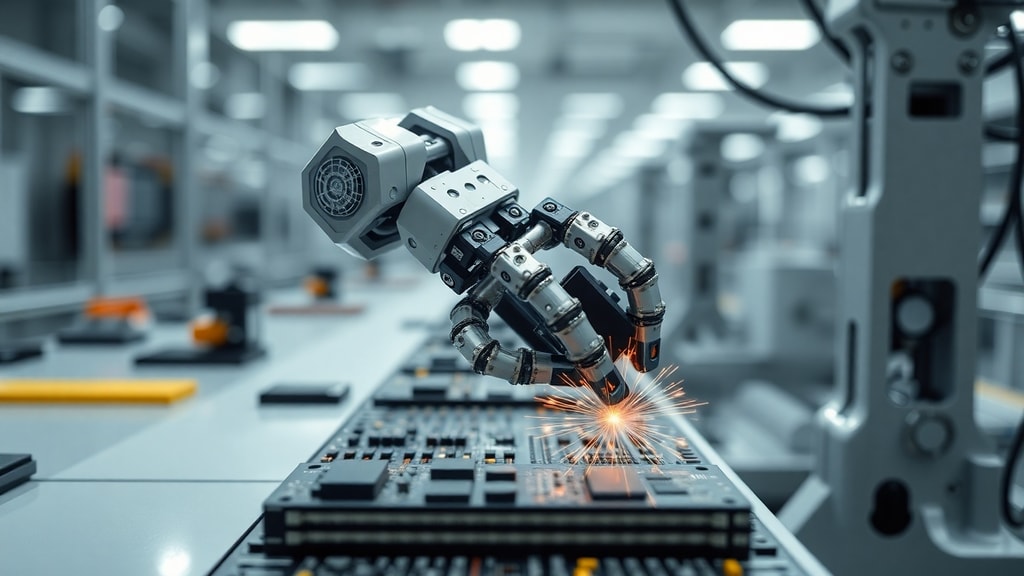
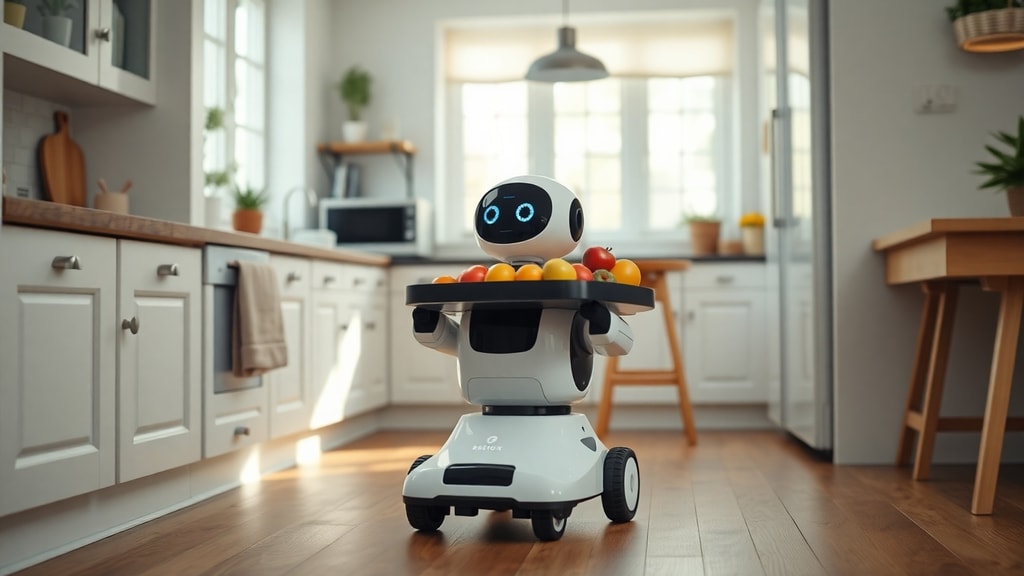
Service robots, on the other hand, are designed to perform useful tasks for humans in non-industrial environments. This category is much broader and includes everything from household cleaning robots like the Roomba to agricultural drones, surgical robots, and autonomous vehicles. Service robots often require more advanced sensing and navigation capabilities because they operate in unstructured environments that are not specially designed for them. For example, a service robot in a hospital corridor must be able to avoid people, open doors, and find its way to a specific room. This is a much harder problem than an industrial robot performing a fixed sequence of motions in a controlled factory environment.
The following table summarizes the key differences between these two major categories of robots.
| Characteristic | Industrial Robot | Service Robot |
|---|---|---|
| Primary Environment | Factory floors, warehouses | Homes, offices, hospitals, outdoors |
| Primary Task | Manufacturing, assembly, welding | Cleaning, assistance, exploration |
| Safety Approach | Guarded, caged from humans | Designed for safe human interaction |
| Programming | Fixed, repetitive sequences | Adaptive, sensor-driven decisions |
| Examples | Welding arm, painting robot | Vacuum cleaner, surgical system |
Key Characteristics That Define a Robot
Beyond the standard definitions, there are several key characteristics that help differentiate a robot from other types of machines. A robot must have some degree of autonomy. This means it can operate without direct human control for at least part of its task. A simple electric drill is not a robot because it requires a human to operate it. However, a drilling robot that can move to a surface, align itself, and drill holes based on a blueprint is a robot. Another critical characteristic is the ability to perceive the environment. Unlike a simple computer, robots are physical entities that interact with the real world. They possess physical parts to sense and manipulate their environment.
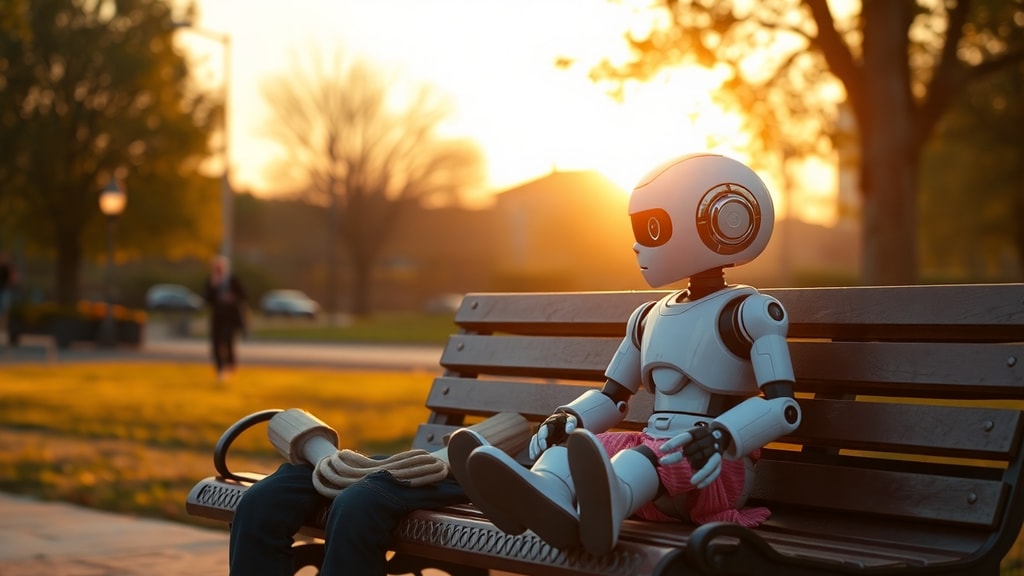
Robots also typically exhibit what is called repeatability. This is the ability to perform the same action with high precision many times. An industrial robot can weld a seam with the same accuracy thousands of times per day. This is impossible for a human to match. Finally, robots are designed to be reprogrammable. While many robots in factories run a single program for years, they can be reprogrammed to perform a different task. This flexibility is what makes them so valuable. A car manufacturer can retool a factory by reprogramming its robots to build a new model of car. These characteristics combine to make robots uniquely suited for tasks that are dangerous, repetitive, or require a level of precision beyond human capability.
Distinguishing Robots from Simple Machines and Computers
It is a common misconception that any automated machine is a robot. For instance, a simple conveyor belt is an automated system, but it is not a robot. The conveyor belt has no sensing capability, no decision-making process, and cannot autonomously adapt to changes in its environment. Similarly, a desktop computer is not a robot. While a computer can process data and make decisions, it lacks the physical actuators needed to manipulate the environment. A robot is a combination of a computer and a mechanical system. The computer is the brain, and the mechanical system is the body.
Another key distinction lies in the type of feedback loop. A simple machine operates on an open-loop system. It performs a fixed action and does not check the result. A microwave oven heats food for a set time, but it does not check if the food is hot. A robot operates on a closed-loop system. It uses its sensors to check the result of its actions and adjusts its behavior accordingly. For example, a robot picking up an object will use a force sensor to determine if it has a good grip. If the sensor indicates a weak grip, the robot will increase the pressure before lifting. This ability to sense and respond to the environment is a defining feature of robots.
Examples of Robots in Daily Life
Robots are no longer confined to science fiction or high-security factories. They are increasingly present in daily life. Here is a list of common examples that you might encounter:
- Vacuum cleaning robots that navigate rooms autonomously and return to their charging stations.
- Lawn mowing robots that sense the perimeter of a yard and cut grass without supervision.
- Agricultural drones that monitor crop health and even apply pesticides with precision.
- Automated warehouse robots that sort packages and bring shelves to human pickers.
- Medical assistants like the da Vinci Surgical System that allow surgeons to perform minimally invasive procedures with enhanced precision.
- Autonomous customer service kiosks that use natural language processing to answer questions.
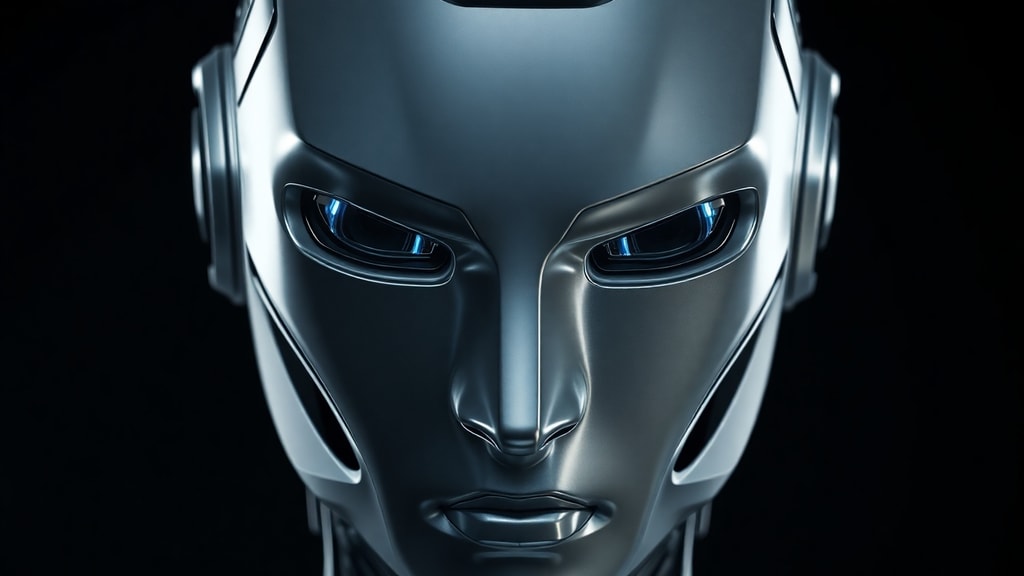
These examples show that robots are not all humanoid. Many of them are specialized machines that excel at a single task. They are designed to integrate seamlessly into human environments, helping with chores, improving safety, and increasing efficiency. The proliferation of these devices is a testament to the advances in sensor technology, battery life, and artificial intelligence that have made robotics more accessible and affordable for consumers and businesses alike.
References
This article was informed by research from several sources. The general definition of a robot was drawn from the Wikipedia entry on robotics, which provides a comprehensive overview of the field's history and key concepts. The Harvard Business Review article titled Afinal, o que e um robo? offered valuable insight into the characteristics that distinguish robots from other machines, emphasizing the importance of autonomy and environmental interaction. The standard from the International Federation of Robotics, as reported by Elite Soldas e Robotica, helped clarify the industrial and service categories. The etymology of the word robot was sourced from Brasil Escola, which details the literary origins of the term. Finally, the technical breakdown of core components and the distinction from simple computers was based on information from Tecmundo and Lenovo US. These sources collectively support the modern understanding of what constitutes a robot. For further reading, you can explore these resources online at the cited domains. One useful overview can be found at Wikipedia's Robot page, and another detailed discussion is available at Harvard Business Review.