Overview of Keyboard Keys
The computer keyboard remains the primary input device for most users, enabling text entry, system commands, and shortcut execution. Its keys combine mechanical or membrane switches, responsive electrical contacts, and carefully arranged labels to translate finger presses into digital signals. Understanding the types of keys, their functions, and the standard layout helps users type faster, navigate more efficiently, and maintain their hardware. Modern keyboards typically contain between 80 and 110 keys, with the PC keyboard standard set at 104 alphanumeric keys. This configuration has evolved over decades, but the core categories and layout conventions remain remarkably consistent.
Types of Keyboard Keys
Keyboard keys fall into five main categories, each serving a distinct purpose. Recognizing these groups makes it easier to locate commands and adapt to different software environments.
- Typing or Alphanumeric Keys: These include the twenty-six letters (A–Z), ten digits (0–9), and symbol keys such as the period, comma, and semicolon. They form the core of text input and occupy the largest area of the keyboard.
- Navigation Keys: A cluster of four arrow keys (Up, Down, Left, Right) plus Home, End, Page Up, and Page Down. These keys move the cursor or viewport through documents, spreadsheets, and web pages.
- Function Keys: The row labeled F1 through F12, located at the top of the keyboard. These keys perform software-specific actions, such as opening help menus (F1), refreshing a page (F5 in most browsers), or toggling airplane mode.
- Modifier Keys: Shift, Ctrl, Alt, Caps Lock, and the Windows or Command key. They alter the output of other keys when held simultaneously, enabling uppercase letters, shortcuts like Ctrl+C, or system commands.
- System Keys: Esc, Enter, Backspace, Print Screen, Pause/Break, and the numeric keypad’s operations. These keys control core functions such as canceling operations, confirming entries, deleting characters, or capturing screen content.
Each category has specialized sub-variants on some keyboards, such as additional media control keys or a Copilot key on newer Windows laptops. However, the five groups above cover the vast majority of key functions across all standard keyboards.

Common Keyboard Layouts
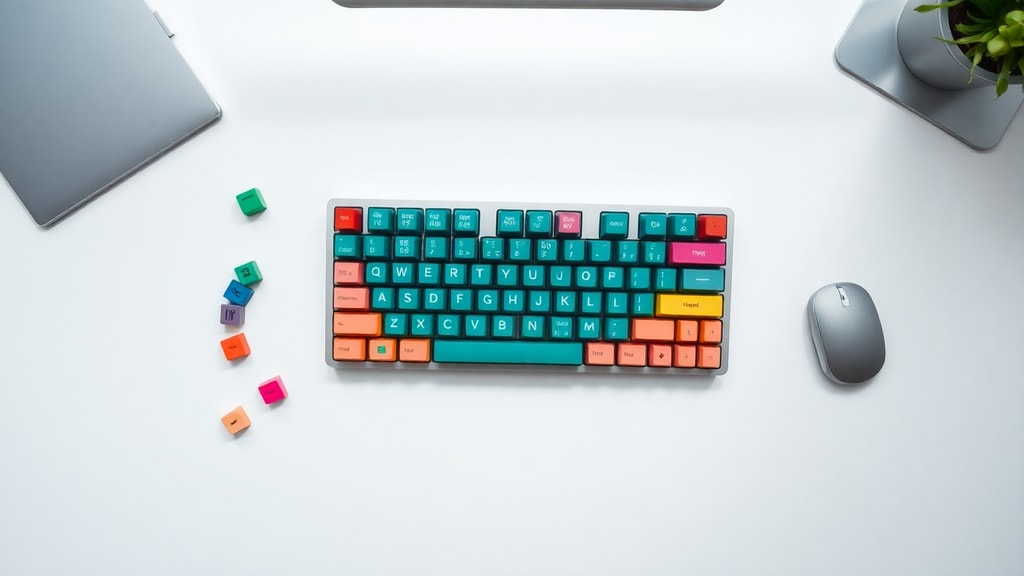
The most prevalent layout for English-language keyboards is QWERTY, named after the first six letters on the upper-left row. This arrangement dates to the 1870s and was designed to prevent mechanical typewriter arms from jamming. Despite the lack of mechanical constraints in modern digital keyboards, QWERTY remains dominant due to user familiarity and the high cost of retraining. Alternative layouts such as AZERTY (used in French-speaking regions) and QWERTZ (used in Central Europe) rearrange key positions to better suit their respective languages. Dvorak and Colemak are efficiency-focused layouts that claim to reduce finger movement, but they have not gained widespread adoption. Regardless of layout, all keyboards share the same basic key categories and functional logic, making it straightforward to switch between them with a little practice.
For a detailed history of keyboard arrangements, see the Wikipedia article on keyboard layouts.
Key Functions and Their Uses
Each key on a keyboard has a primary function and often secondary roles when combined with modifier keys. The table below lists common keys and their typical uses across operating systems.
| Key | Primary Function | Common Examples of Use |
|---|---|---|
| Enter | Execute command or move to next line | Submit a form, start a new paragraph |
| Spacebar | Insert a space character | Separate words; accounts for 10–18% of all keystrokes |
| Backspace | Delete character to the left of cursor | Correct typing mistakes |
| Delete | Delete character to the right of cursor | Remove text forward |
| Shift | Modifier for uppercase and symbols | Hold Shift + a to produce A; Shift + 1 to produce ! |
| Ctrl | Modifier for shortcuts | Ctrl+C (copy), Ctrl+V (paste), Ctrl+Z (undo) |
| Alt | Modifier for alternate commands | Alt+Tab (switch window), Alt+F4 (close) |
| Esc | Cancel current operation | Exit full screen, dismiss dialog box |
| F1 | Open help menu | Launch help viewer in most applications |
| F5 | Refresh page or file list | Browser refresh, folder update in file explorer |
| Print Screen | Capture screen image to clipboard | Pressing alone saves screenshot; Alt+Print Screen captures active window |
| Arrow keys | Move cursor one character or row | Navigate text, move selection in menus |
This table covers only a subset. Many keys, especially function keys, have task-specific roles in software like word processors, spreadsheets, and games. Modifier keys multiply the utility of every other key, enabling hundreds of shortcut combinations.
Ergonomics and Design Features
Keyboards incorporate tactile indicators to help users keep their hands properly positioned without looking. The most notable are the raised bumps on the F and J keys. These bumps mark the home row, where the index fingers rest during touch typing. Placing the left index finger on F and the right on J allows typists to reach all other keys with minimal hand movement. This design dates to early typewriters and remains universal on modern keyboards.
Another ergonomic consideration is key switch durability. High-quality mechanical switches, often found in gaming and enthusiast keyboards, are rated for 50 to 100 million keystrokes per key. In contrast, standard membrane keyboards last about 5 to 10 million keystrokes. The difference in longevity reflects the construction: mechanical switches use individual spring-loaded contacts, while membrane keyboards rely on a single flexible sheet that can degrade faster. Users who type extensively or desire a consistent tactile feel often prefer mechanical keyboards.

The spacebar, as the most frequently used key, receives notable design attention. Manufacturers often equip it with a stabilizer bar and a wider shape to accommodate both thumbs. Its high usage rate—around 10 to 18 percent of all English keystrokes—means it is often the first key to show wear on membrane keyboards.
For a deeper dive into keyboard mechanics, see the HowStuffWorks guide on keyboard basics.
Maintenance and Hygiene
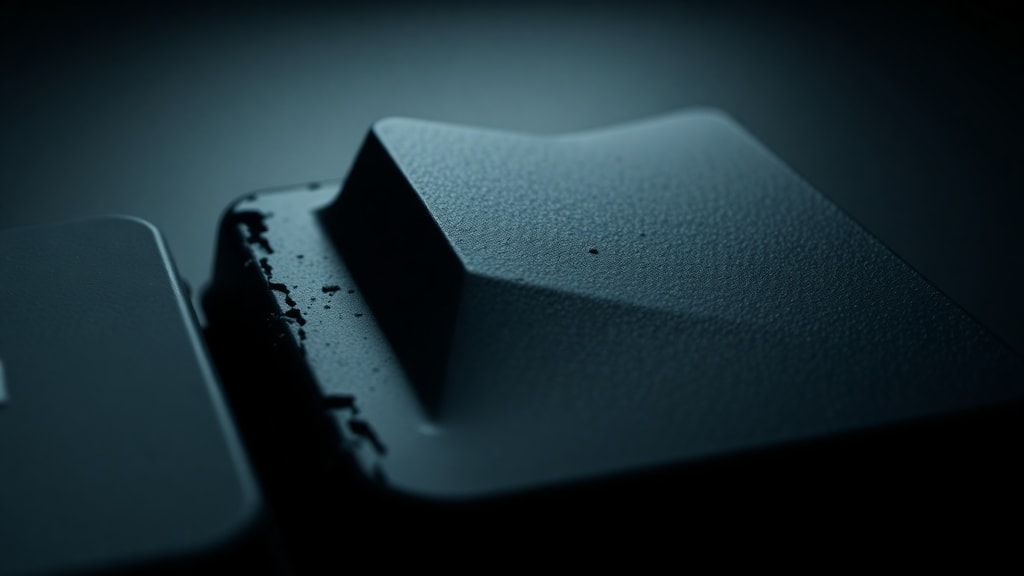
Keyboards can accumulate significant amounts of dirt, skin oils, and bacteria. Studies have found that a typical keyboard may harbor approximately 400 times more bacteria than a toilet seat. This is largely due to infrequent cleaning and the habit of eating or snacking while typing. Crumbs and dust can also become trapped beneath keys, leading to sticky or unresponsive switches. To maintain hygiene, users should turn the keyboard upside down and gently shake out debris, use compressed air to clear gaps, and wipe surfaces with a disinfectant wipe that is safe for electronics. For mechanical keyboards, keycaps can often be removed and soaked in warm soapy water. Regular cleaning not only reduces bacterial buildup but also extends the lifespan of the keys by preventing debris from interfering with switch mechanisms.
Conclusion
Keyboard keys, while simple in appearance, represent a sophisticated system of categories, layout conventions, and design features that have been refined over more than a century. From the alphanumeric typing keys to the modifier and system keys, each component plays a specific role in enabling efficient input and control. Understanding these elements helps users select the right keyboard for their needs, improve their typing technique, and care for the device properly. Whether you are a professional writer, a programmer, or a casual user, knowing the functions and layout of your keyboard allows you to work faster and with fewer errors.
References
Wikipedia. "Computer keyboard." Accessed June 2025. https://en.wikipedia.org/wiki/Computer_keyboard
Wikipedia. "Keyboard layout." Accessed June 2025. https://en.wikipedia.org/wiki/Keyboard_layout

HowStuffWorks. "Keyboard Basics." Accessed June 2025. https://computer.howstuffworks.com/keyboard1.htm
Pitman Training. "9 Fun Typing and Keyboard Facts." Accessed June 2025. https://pitman-training.com/advice-hub/pitman-blog/fun-typing-facts-qwerty-keyboard-history-typing-speed/
Computer Hope. "How Many Keys Are on a Computer Keyboard?" Accessed June 2025. https://www.computerhope.com/issues/ch001598.htm
Uomi Blog. "12 Incredible Facts About Keyboards." Accessed June 2025. https://www.uomi.blog/12-incredible-f