Introduction to the Keyboard
The keyboard, known in Spanish as teclado, remains the most fundamental input device for interacting with computers. Whether you are typing a document, playing a game, or controlling a software application, your fingers rely on this set of keys to send commands to the machine. Despite the rise of touchscreens and voice control, the physical keyboard endures because it offers speed, precision, and tactile feedback that no other input method fully replicates. Understanding its types, internal workings, and how to choose the right one can significantly improve your daily computing experience.
Definition and Functionality of the Keyboard
According to Concepto DE, a keyboard is defined as a primary input peripheral consisting of a set of buttons or keys that act as mechanical levers or electronic switches. When you press a key, it generates a unique scan code, or código de escaneo, that identifies the physical key independently of the active keyboard layout. This scan code is then translated by the operating system into the corresponding character or command. The ability to produce the same output regardless of language layout makes the keyboard a remarkably versatile tool. For a deeper discussion of how scan codes work, the Microsoft Learn documentation explains the process in detail.
The functionality extends beyond simple character entry. Modern keyboards can send multiple simultaneous key presses, known as N-key rollover, which is essential for fast typing and gaming. The signal travels from the key switch through a matrix of circuits, and the keyboard’s microcontroller processes the electrical changes to determine which keys are pressed. This scan–process–transmit cycle occurs in milliseconds, giving the user immediate feedback. Understanding this basic operation helps when troubleshooting unresponsive keys or when evaluating different keyboard technologies.
Key Components and Layout
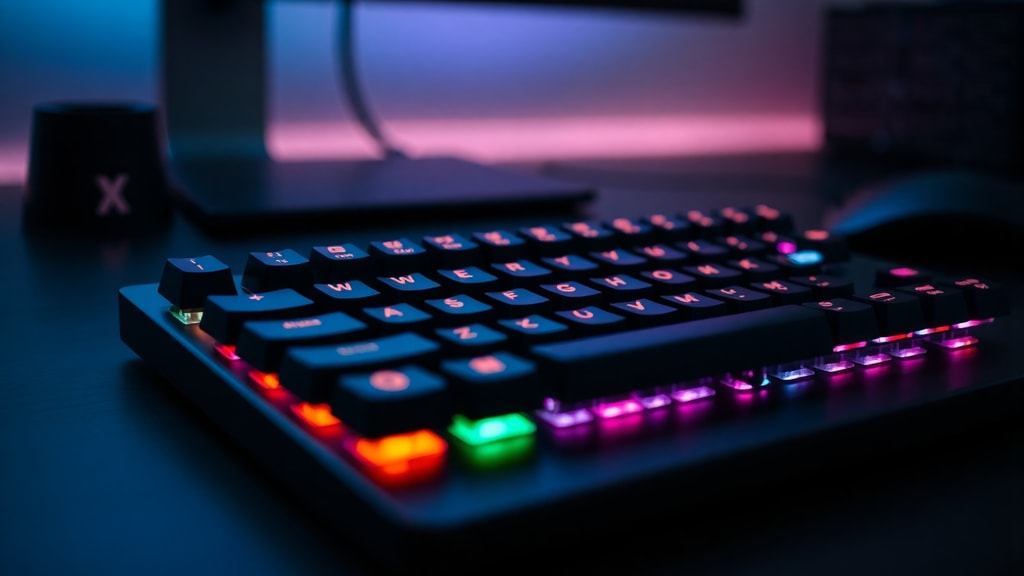
Standard keyboards commonly feature between 101 and 108 keys, arranged in a layout inherited from the typewriter but adapted for digital control. These keys are organized into four main blocks, each serving a distinct purpose.
- Function Keys (F1–F12): Located along the top row, these keys provide shortcuts for common actions such as opening help menus, refreshing a page, or adjusting screen brightness.
- Alphanumeric Keys: The central block includes letters A to Z, numbers 0 to 9, and punctuation marks. This is the core area for text input.
- Special Keys: Modifier keys like Ctrl, Alt, and Shift, along with navigation keys such as Enter, Backspace, and Delete, allow users to execute commands and control the cursor.
- Numeric Keypad: Situated on the right side of most full-size keyboards, this separate grid of numbers and arithmetic operators speeds up data entry for accountants and data analysts.
These components are ubiquitous across almost all keyboard models, though some compact designs omit the numeric keypad to save space. The layout standard ensures that users can transition between different keyboards with minimal relearning. The Orange Blog offers a clear breakdown of these blocks and their historical origins.
Membrane vs. Mechanical Keyboards
The two dominant keyboard technologies on the market are membrane and mechanical. Each offers a different feel, durability, and price point. The following table summarizes their main differences to help you choose which type suits your needs best.

| Feature | Membrane Keyboards | Mechanical Keyboards |
|---|---|---|
| Key Mechanism | Silicone rubber dome that collapses to complete a circuit | Individual spring-loaded mechanical switch under each key |
| Tactile Feedback | Soft, mushy feel; often lacking distinct feedback | Clear tactile bump or audible click, depending on switch type |
| Durability | Typically rated for 1–5 million keystrokes per key | Rated for 10–50 million keystrokes per switch |
| Noise | Quiet during normal typing | Can be quiet or loud depending on switch (e.g., Cherry MX Blue are clicky, Red are linear and quiet) |
| Price | Generally cheaper, often under $50 | More expensive, usually $60 to over $200 |
| Best for | Casual typing, office work, budget builds | Gamers, writers, and anyone who types many hours per day |
Membrane keyboards use silicone membranes to close circuits when a key is pressed. They are inexpensive and common in bundled office setups. Mechanical keyboards, on the other hand, employ individual physical switches for each key, offering higher durability and tactile feedback. The Blog de Orange provides a thorough comparison of these two types and explains why enthusiasts often prefer mechanical switches for their consistency and longevity.
How Keyboards Work Internally
Underneath the keycaps, every keyboard contains a small computer of its own: a microcontroller. This chip continuously performs matrix scanning, or exploraciones de matrices, to detect which key is pressed. The keys are arranged in a grid of rows and columns. When a key is pressed, it connects a specific row and column, creating an electrical path. The microcontroller sends a signal to the computer processor via USB or Bluetooth, and the operating system interprets the signal according to the chosen keyboard layout. Concepto DE explains that this internal mechanism is remarkably efficient, allowing hundreds of keystrokes to be registered every second without conflict.
The matrix scanning process is essential for preventing ghosting, where pressing multiple keys simultaneously confuses the controller. Modern keyboards add diodes to each switch to ensure that each key press is registered independently. This is why gaming keyboards often advertise true N-key rollover, meaning every key press is recognized even when many are pressed at once. Understanding these internal processes helps users appreciate why some keyboards feel more responsive than others, and why a cheap membrane board might miss a keystroke during rapid gaming.
A Brief History of the Keyboard
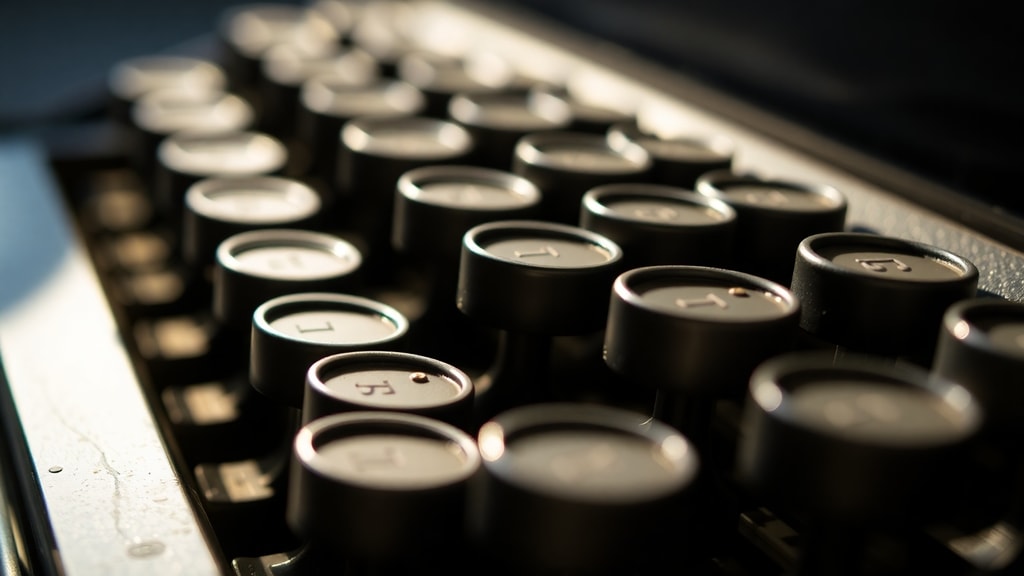
The keyboard we use today is a direct evolution of the mechanical typewriter. The first typewriters from the late 1800s used a set of typebars that struck an inked ribbon to print characters on paper. The layout of the keys was inherited from these early machines. As computers emerged in the mid-20th century, engineers realized that the familiar typewriter arrangement could be adapted for digital data entry. Early computer terminals used teletype machines, which combined a typewriter with a punch card reader. The concept of key switches remained, but they were soon replaced by electronic circuits and later by rubber dome and mechanical switches. El Profe Alegría outlines this historical transition and notes that the basic layout of keys has changed very little, even as the underlying technology has transformed.
In the 1980s, the IBM Model M keyboard introduced the buckling spring mechanism, which became legendary for its crisp feel and durability. That design influenced modern mechanical keyboards, and many enthusiasts still seek out vintage models. The keyboard’s physical form factor has also evolved, giving rise to tenkeyless and 60% layouts that remove the numeric pad or the function row. Despite these changes, the essential idea of pressing a key to produce a character remains unchanged since the typewriter era.
Essential Keyboard Shortcuts for Enhanced Productivity
Learning a handful of keyboard shortcuts can dramatically speed up your workflow. These combinations use the special keys to perform actions without reaching for the mouse. The most universal shortcuts include:
- Ctrl + C (or Cmd + C on Mac): Copy selected text or item.
- Ctrl + V: Paste the copied content.
- Ctrl + X: Cut selected content.
- Ctrl + Z: Undo the last action.
- Ctrl + Y: Redo an undone action.
- Ctrl + F: Open find/search function within a document or webpage.
- Ctrl + S: Save the current file.
- Ctrl + A: Select all content in the current field.
- Alt + Tab: Switch between open applications.
- Windows Key + D: Show desktop (or minimize all windows).
These shortcuts, as highlighted by Areatecnologia, are essential for efficient text manipulation and navigation. Mastering them reduces reliance on mouse clicks and can save hours of cumulative time. For advanced users, customizing shortcuts through software or keyboard firmware can further streamline repetitive tasks.
Choosing the Right Keyboard: Buying Tips
When you decide to purchase a new keyboard, consider several factors to match your specific needs. First, determine whether you prefer membrane or mechanical switches based on your discussion above. Mechanical keyboards are generally recommended for heavy daily typing and gaming due to their durability and tactile feedback, but they come at a higher cost. Second, think about the layout. If you work with numbers frequently, a full-size keyboard with a numeric keypad is beneficial. If desk space is limited, a tenkeyless or 60% layout might be a better fit.
Third, connectivity matters. Wired USB keyboards offer zero latency and no battery concerns, while wireless models (Bluetooth or 2.4 GHz) provide a cleaner desk and portability. For gaming, a wired connection is still preferred by many competitive players. Fourth, consider ergonomics. Keyboards with a split design, wrist rests, or adjustable tilt angles can reduce strain during prolonged use. Backlighting is another feature: single‑color backlighting is usually sufficient, but RGB can add personalization and help locate keys in dim environments.
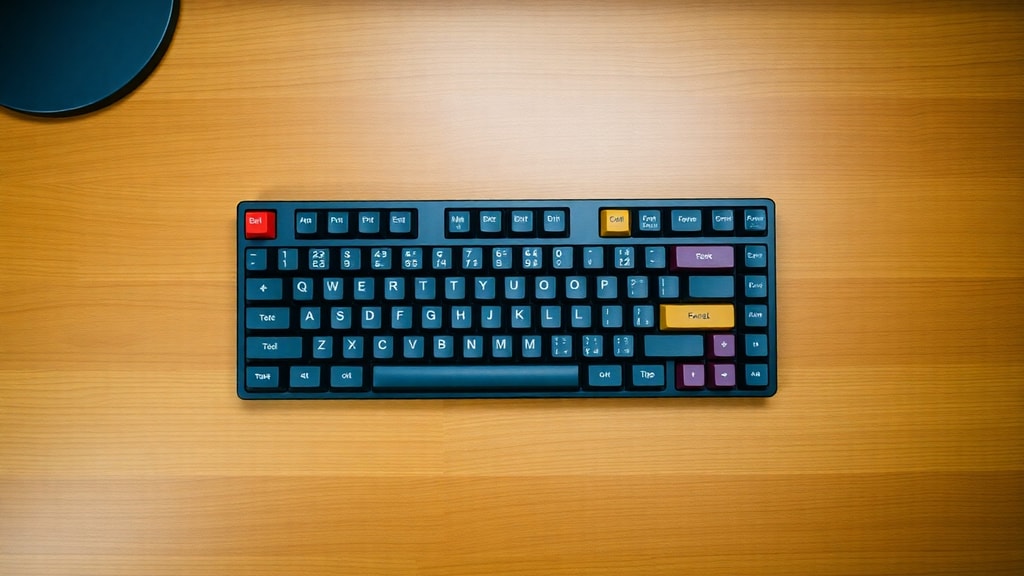
Finally, read reviews and check the switch type if you go mechanical. Different switch colors (Cherry MX Red, Blue, Brown, etc.) offer different actuation forces and sounds. Many online retailers offer switch testers so you can feel the difference before buying. Brands like Logitech, Corsair, Razer, Ducky, and Keychron are well‑regarded, but many excellent options exist at various price points. By evaluating these criteria, you can select a keyboard that enhances both comfort and efficiency for years to come.
References
Concepto DE. "Teclado de Informática." https://concepto.de/teclado-informatica/
Microsoft Learn. "About Keyboard Input (Win32)." https://learn.microsoft.com/es-es/windows/win32/inputdev/about-keyboard-input
Blog de Orange. "Qué es el teclado." https://blog.orange.es/archivo/que-es-el-teclado/
El Profe Alegría. "14. Teclado." https://elprofealegria.com/14-teclado/
Areatecnologia. "El Teclado y sus partes." https://www.areatecnologia.com/informatica/teclado.html