What is an Electrical Project?
An electrical project, known in Portuguese as projeto eletrico, is a comprehensive technical document that defines the safe and efficient installation of electrical systems in residential, commercial, or industrial buildings. It includes detailed calculations, diagrams, layouts, and specifications that guide the construction and maintenance of electrical infrastructure. In Brazil, this document is a legal requirement under regulations such as NR-10 and NBR-5410, and it must be signed by a licensed engineer registered with CREA. This ensures that the project meets safety standards and is approved by local authorities and insurance companies before any work begins.
Key Components of an Electrical Project
A complete electrical project contains several essential components that work together to ensure a safe and functional system. These components are critical for both the design and construction phases, ensuring that the installation is accurate and compliant with standards.

- Architectural integration: The electrical layout must be coordinated with the building architecture to ensure proper placement of outlets, switches, and light fixtures.
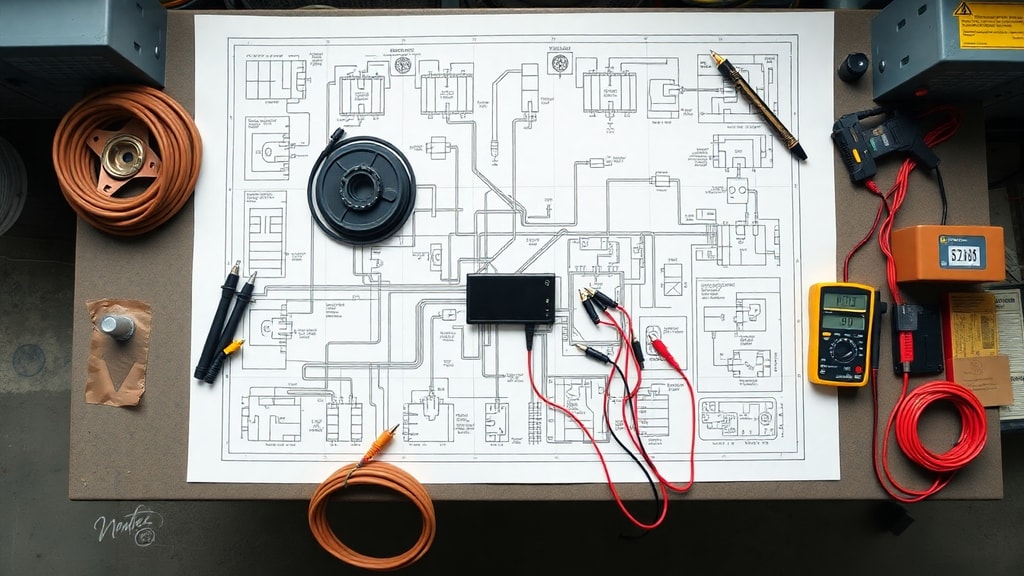
- Single-line diagram: This simplified diagram shows the electrical distribution from the main panel to all circuits, including protection devices and conductor sizes.
- Load forecast: An estimation of the total electrical demand based on the expected use of appliances and lighting.
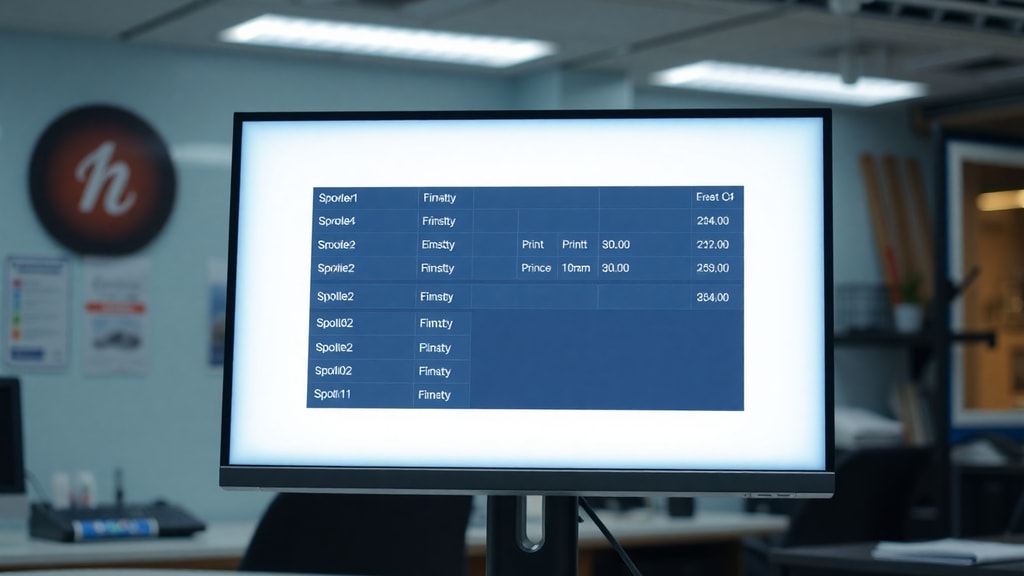
- Load table: A detailed table listing all circuits with their respective loads, protective devices, and conductor specifications.
- Material list: A comprehensive list of all materials needed, including wires, cables, conduits, and panels.
Each of these elements plays a vital role in the overall design, helping to avoid errors and ensure that the installation operates as intended.
The Design Process and Standards
The design process of an electrical project begins with a thorough analysis of the building architecture and the client's needs. Engineers then calculate the expected load, determine the number of circuits, and size the conductors based on voltage drop and current-carrying capacity. The main standard governing low-voltage electrical installations in Brazil is NBR-5410, which applies to systems up to 1,000V AC. This standard covers cable sizing, protection devices, grounding, and other safety aspects. Additionally, NR-10 provides guidelines for safety in electrical services, emphasizing risk prevention during installation and maintenance. Professionals can refer to resources like Mundo da Eletrica for detailed guides on these standards and best practices.
Safety Measures in Electrical Projects
Safety is a paramount concern in any electrical project. Designers must incorporate residual differential current protection (DR) to prevent electric shocks, dedicated grounding systems, and exclusive circuits for high-power loads such as air conditioners and electric showers. The use of proper protective devices like circuit breakers and fuses is essential to avoid overloads and short circuits. Compliance with NBR-5410 ensures that these safety measures are integrated into the design. For official standards and updates, you can visit the ABNT website for more information on NBR-5410 and related norms.
Circuit Types and Protection Devices
Electrical projects categorize circuits based on their function and load characteristics to ensure proper protection and operation. The following table summarizes common circuit types and their typical protection devices.

| Circuit Type | Typical Loads | Protection Device |
|---|---|---|
| Lighting circuit | LED bulbs, fluorescent lights | Miniature circuit breaker (MCB) |
| General power outlets | Electronics, small appliances | MCB with residual current device (RCD) |
| Dedicated circuits | Air conditioners, electric showers | MCB or RCBO |
This table shows how different circuits require specific protective devices to ensure safety and performance. Proper selection of these devices is a key part of the design process.
Load Forecasting and Energy Efficiency
Load forecasting is a critical step in electrical project design. It involves calculating the total electrical demand of a building to ensure that the power supply and distribution system can handle it. Engineers consider all potential loads, including lighting, outlets, HVAC systems, and special equipment. Accurate load forecasting prevents circuit overloads and ensures that the main power supply has sufficient capacity. It also contributes to energy efficiency by allowing designers to recommend energy-saving measures such as LED lighting and efficient appliances. The load table provides a detailed breakdown of each circuit and its expected demand, helping to balance the load across the system and optimize performance.
Grounding and Bonding Systems
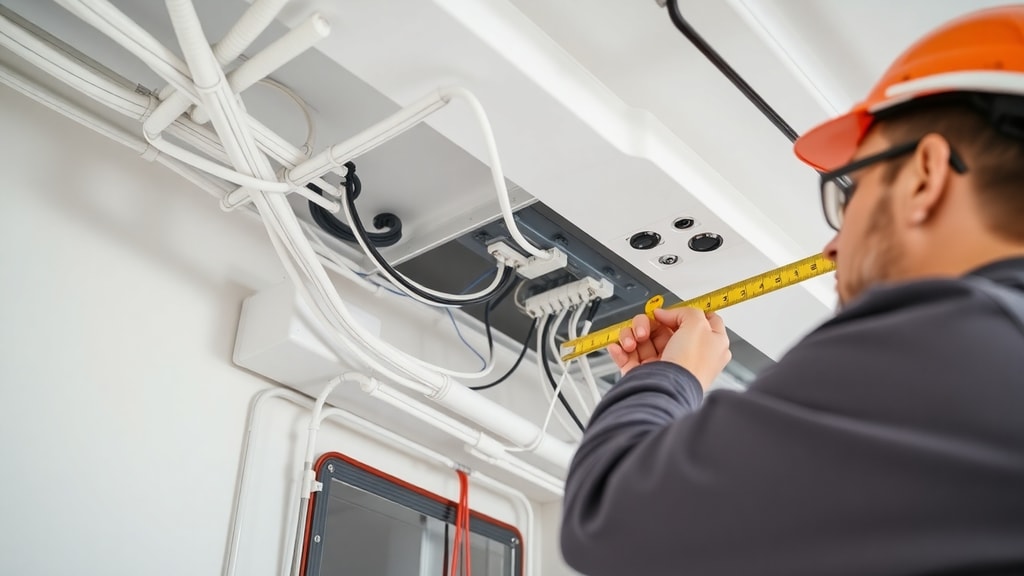
Grounding is an essential safety feature in any electrical installation. It provides a path for fault currents to flow to the earth, protecting people and equipment from electric shocks. In accordance with NBR-5410, grounding systems must be designed with proper conductors and electrodes. Bonding ensures that all metallic parts of the building are at the same potential, reducing the risk of sparking and fire. The electrical project specifies the grounding method, conductor sizes, and connection points to ensure compliance and safety. A well-designed grounding system is crucial for the overall reliability of the electrical infrastructure.
Material Selection and Specification
The material list in an electrical project details all components needed for the installation. This includes wires, cables, conduits, switchboards, protective devices, and accessories. Engineers specify materials based on their suitability for the environment, such as moisture-resistant cables for outdoor areas or fire-resistant cables for emergency systems. The selection must comply with NBR-5410 requirements for insulation type, current rating, and mechanical protection. Proper material specification ensures durability and reduces the need for future repairs. It also helps in cost management by avoiding overspecification or underspecification of components.
Documentation and Compliance
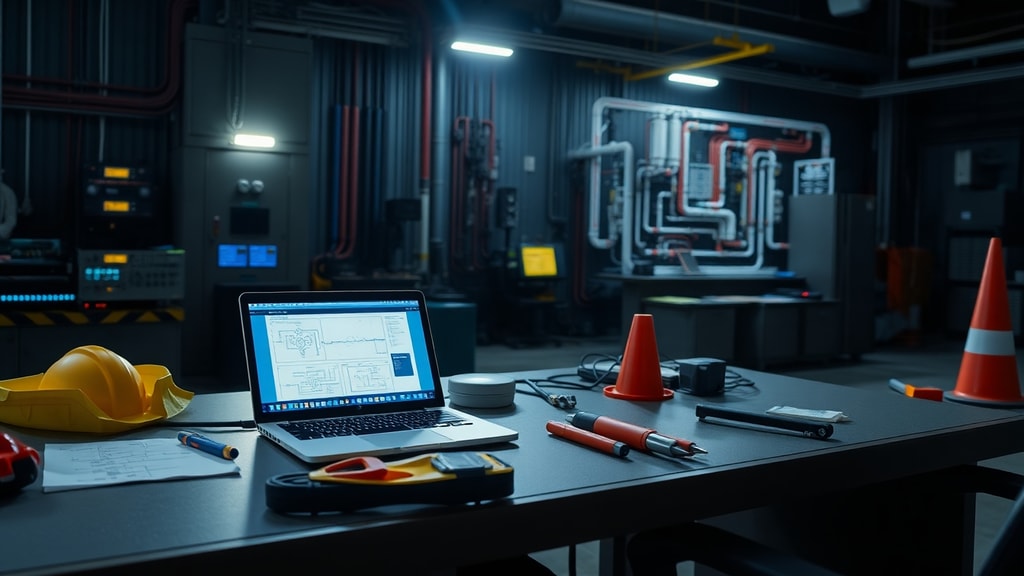
The documentation produced in an electrical project serves as a legal record and a guide for construction and maintenance. It includes the single-line diagram, load table, and layout drawings. These documents must be clear and accurate to facilitate approval by regulatory bodies, such as local authorities and the power utility company. In Brazil, the project must be signed by a licensed engineer registered with CREA, confirming that it meets all applicable standards. Compliance with NR-10 and NBR-5410 is mandatory, and failure to comply can result in fines, legal liability, and safety hazards. Proper documentation also aids in future modifications and troubleshooting.
Common Mistakes in Electrical Projects
Despite best efforts, some common mistakes can occur in electrical project design. These include underestimating load demand, using undersized conductors, neglecting voltage drop considerations, and improper circuit separation. Another frequent error is failing to provide adequate grounding or protection against electric shocks. Such mistakes can lead to overheating, equipment damage, and safety risks. Professional design services help avoid these issues by applying rigorous calculation methods and industry best practices. Regular reviews and updates to the project can also catch errors early in the process.
The Role of Technology in Electrical Design
Modern electrical design increasingly relies on software tools for simulation and analysis. Programs like AutoCAD Electrical and specialized calculation tools help engineers create accurate diagrams, perform load calculations, and simulate system behavior. These technologies improve efficiency and reduce errors. They also enable better integration with building information modeling (BIM) systems, facilitating coordination with other trades. As technology advances, electrical project design becomes more sophisticated and reliable, allowing for more complex and energy-efficient systems.
International Standards and Comparisons
While this article focuses on Brazilian standards, it is useful to note that electrical projects in other countries follow similar principles but may use different codes, such as the National Electrical Code (NEC) in the United States or the IEC standards internationally. However, the core concepts of safety, load calculation, and protective devices remain consistent. Professionals designing projects for international clients should be aware of local regulations and adapt their designs accordingly. Understanding these similarities and differences helps in creating versatile and compliant electrical systems globally.
Benefits of Professional Electrical Design Services
Hiring a professional for electrical project design offers numerous advantages. Qualified engineers ensure that the design complies with all legal and safety standards, reducing the risk of accidents and fines. They also optimize the system for energy efficiency and cost-effectiveness, avoiding oversizing or undersizing of components. Professional designs provide clear documentation for construction and future maintenance, making it easier for electricians to execute the work accurately. Moreover, well-designed projects can improve property value and facilitate approvals from regulatory bodies and insurers. Investing in professional services ultimately saves time and money while enhancing safety.
References
1. Mundo da Eletrica. Projeto Eletrico: O que e, Como Fazer? Available at: https://www.mundodaeletrica.com.br/projeto-eletrico-o-que-e-como-fazer/
2. ABNT - Associacao Brasileira de Normas Tecnicas. NBR 5410: Instalacoes Eletricas de Baixa Tensao. Available at: https://www.abnt.org.br/
3. NR-10 - Norma Regulamentadora 10: Seguranca em Instalacoes e Servicos em Eletricidade. Available at: https://www.planalto.gov.br/ccivil_03/decreto/d617.htm
4. CREA - Conselho Regional de Engenharia e Agronomia. Available at: https://www.crea.org.br/
5. ANEEL - Agencia Nacional de Energia Eletrica. Available at: https://www.aneel.gov.br/