Understanding Vital Signs and Their Importance
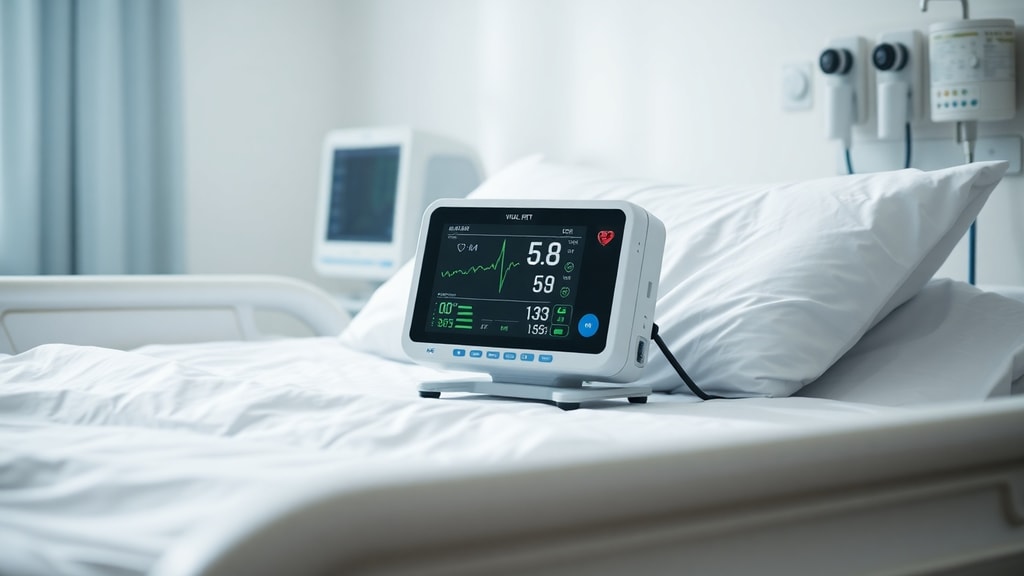
Vital signs are a set of basic physiological measurements that reflect the body’s essential functions. They provide a quick snapshot of a person’s overall health status and are used by healthcare professionals to detect medical issues, monitor chronic conditions, and evaluate response to treatment. The five main vital signs include body temperature, heart rate (pulse), blood pressure, respiratory rate, and oxygen saturation. For anyone who wants to keep an eye on their health or better understand clinical readings, a reliable vital signs chart serves as an easy reference table. This article presents those reference values, explains what they mean, and discusses factors that can cause them to vary.
Whether you are a student, a caregiver, or someone simply interested in personal wellness, knowing these numbers helps you communicate more effectively with doctors and recognize when something might be off. The values presented in this guide are based on current medical guidelines and reputable health sources. Keep in mind that normal ranges can shift with age, fitness level, and individual health conditions.
Vital Signs Reference Table for Adults
The following table summarizes the typical reference ranges for vital signs in a healthy adult at rest. These numbers are general benchmarks; your personal optimal values may differ slightly. Always consult a healthcare provider if you have concerns about your readings.
| Vital Sign | Normal Range (Adults at Rest) | Measurement Note |
|---|---|---|
| Body Temperature | 36.1°C to 37.2°C (97°F to 99°F) | Oral (sublingual) is the common method; rectal and ear readings are slightly higher. |
| Heart Rate (Pulse) | 60 to 100 beats per minute (bpm) | Well-trained athletes may have a resting rate below 60 bpm. |
| Blood Pressure | Less than 120/80 mmHg (ideal) | Upper limit of normal is 129/84 mmHg. |
| Respiratory Rate | 12 to 20 breaths per minute | Also called respiratory frequency; counted for one full minute. |
| Oxygen Saturation (SpO2) | 94% to 100% | Measured via pulse oximeter; values below 90% are considered low. |
It is important to remember that these numbers represent a healthy adult in a rested, calm state. Physical activity, emotions, medications, and underlying diseases can all shift these values outside the normal range temporarily. A single abnormal reading does not always mean there is a problem, but persistent deviations should be evaluated by a professional.
Factors That Affect Vital Signs
Many internal and external influences can cause vital signs to change. Understanding these factors helps you interpret readings more accurately. Below is a list of common elements that can alter vital sign measurements.
- Age: Infants and children have higher heart rates and respiratory rates than adults; older adults may have a slightly lower heart rate and higher blood pressure.
- Physical fitness: Regular exercise can lower resting heart rate and blood pressure.
- Emotional state: Anxiety, fear, or excitement can raise heart rate, blood pressure, and respiratory rate.
- Medications: Beta-blockers slow heart rate; pain relievers can affect body temperature.
- Time of day: Body temperature is lowest in the early morning and highest in late afternoon; blood pressure also fluctuates.
- Food and drink: Caffeine, alcohol, and large meals can temporarily raise heart rate and blood pressure.
- Environmental temperature: Extreme heat or cold can influence body temperature and heart rate.
- Body position: Blood pressure may drop when standing up quickly (orthostatic hypotension).
When using a vital signs chart for reference, always record the conditions under which the measurement was taken. A reading obtained after exercise, for instance, is not directly comparable to a resting baseline. Many healthcare resources, such as the health portal Tua Saúde, emphasize that vital signs must be interpreted in context.
Age-Specific Variations in Vital Signs
Normal vital sign ranges change significantly throughout life. For example, a newborn’s heart rate can be as high as 160 bpm, while an older adult may have a resting pulse of 45 to 90 bpm. Body temperature remains relatively stable across ages, but respiratory rate and blood pressure also shift. Below are some key differences that are important to keep in mind when using a reference chart.
For infants (0-12 months), typical heart rate is 100 to 160 bpm, respiratory rate is 30 to 60 breaths per minute, and blood pressure is much lower than adult values, usually around 80/50 mmHg. Oxygen saturation should remain above 95% in healthy infants. Children ages 1 to 10 gradually move toward adult values: heart rate declines to 70-120 bpm, respiratory rate to 18-30 breaths per minute, and blood pressure rises slowly.
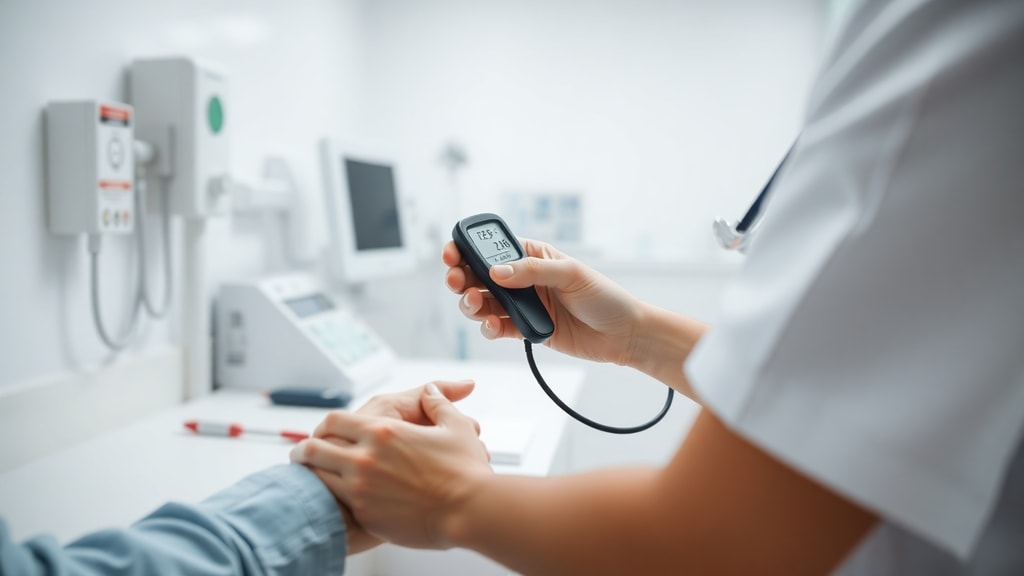
Adolescents and adults share similar ranges, with subtle differences. For older adults, arteries tend to stiffen, so systolic blood pressure often increases while diastolic may remain stable or drop. Resting heart rate may decrease slightly due to changes in the heart’s electrical system. A comprehensive guide from the academic source Telemedicina Morsch details these age-related shifts and offers tables for pediatric and geriatric populations.
It is also worth noting that athletes and very fit individuals often have a resting heart rate below 60 bpm without any underlying problem. Similarly, someone with chronic lung disease may have a baseline oxygen saturation of 90% to 92% that is considered acceptable for their condition. Always take the person’s history and baseline into account before labeling a reading as abnormal.
How to Measure Vital Signs Correctly
Accurate measurement is essential for meaningful comparisons with a vital signs chart. Body temperature should be taken using a calibrated thermometer. Oral readings are convenient but require the mouth to be closed and the tongue not to touch the sensor. Ear and forehead thermometers are faster but can be affected by earwax or sweat. Heart rate is best felt at the radial artery (wrist) or carotid artery (neck). Count the beats for 30 seconds and double, or for a full minute if the rhythm is irregular.
Blood pressure is measured with a sphygmomanometer and stethoscope or an automatic cuff. The person should be seated quietly for at least five minutes before reading, with feet flat on the floor and arm at heart level. Respiratory rate should be counted without the person being aware, as they may change their breathing pattern if they know they are being observed. Count chest rises for 30 seconds and multiply by two. Oxygen saturation is obtained with a pulse oximeter placed on a fingertip. Ensure the finger is clean, warm, and free of nail polish for best results.
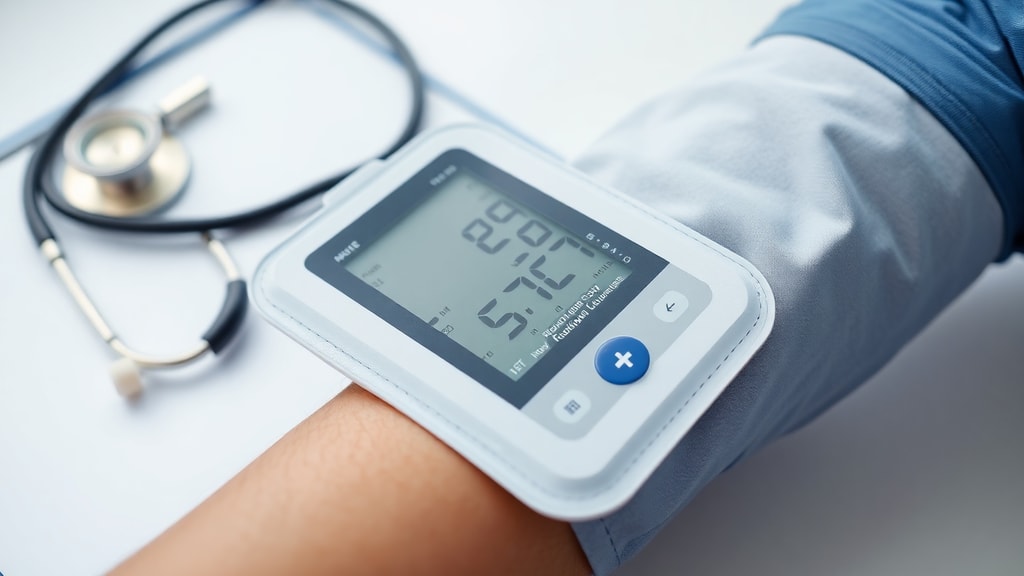
Even with proper technique, some readings may fluctuate. It is a good practice to take multiple measurements and record the average. For blood pressure, two or three readings taken a minute apart are recommended.
Interpreting Abnormal Vital Signs
When a vital sign falls outside the reference range, it does not automatically signal an emergency, but it does warrant attention. For example, a body temperature above 37.2°C indicates a fever, which could be due to infection, heat exhaustion, or inflammation. A heart rate below 60 bpm (bradycardia) may be normal in athletes, but if accompanied by dizziness or fatigue, it could indicate a heart conduction problem. A heart rate above 100 bpm (tachycardia) can result from fever, dehydration, anxiety, or cardiac arrhythmia.
Blood pressure readings above 129/84 mmHg are classified as elevated or hypertensive. Sustained high blood pressure increases the risk of heart attack, stroke, and kidney damage. Low blood pressure (hypotension) may cause lightheadedness and fainting. Respiratory rate above 20 breaths per minute (tachypnea) can be a sign of lung disease, metabolic acidosis, or anxiety. A rate below 12 (bradypnea) may be caused by sedative medications or neurological conditions. Oxygen saturation below 94% is called hypoxemia and requires immediate evaluation, especially in individuals with respiratory conditions.
Always consider the whole clinical picture. A combination of abnormal vital signs—for instance, fever with rapid heart rate and fast breathing—is more concerning than a single outlier.

When to Seek Medical Attention
Knowing when to act on abnormal vital signs can be lifesaving. Call a healthcare provider or emergency services if you or someone else experiences any of the following: a fever above 39°C (102°F) that does not respond to medication; a heart rate that is very slow (below 50 bpm) with symptoms like fainting, or very fast (above 130 bpm) while at rest; blood pressure readings of 180/110 mmHg or higher (hypertensive crisis); a respiratory rate above 30 or below 8 breaths per minute; oxygen saturation below 90% for more than a few minutes; or any vital sign accompanied by chest pain, confusion, difficulty breathing, or loss of consciousness.
For less urgent situations, schedule an appointment with your doctor to discuss trends. Keeping a log of your vital signs at home can help identify patterns and guide treatment adjustments. If you are using a vital signs chart as a reference, remember that it is a tool, not a diagnostic instrument. Professional judgment always takes precedence.
References
The information in this article is drawn from several reliable health resources. The primary sources used to build the vital signs reference table and age-specific variations include:
Tua Saúde – Sinais Vitais: Valores de Referência e Como Medir. Available at https://www.tuasaude.com/sinais-vitais/

MDBF – Tabela de Sinais Vitais: Guia Completo para Adultos e Crianças. Available at https://mdbf.com.br/blog/tabela-sinais-vitais/
Telemedicina Morsch – Sinais Vitais: O que são, tabelas e como medir. Available at https://telemedicinamorsch.com.br/blog/sinais-vitais/
Cidesp – Tabelas de Sinais Vitais: Valores Normais e Técnicas de Medição. Available at https://cidesesp.com.br/artigo/tabelas-de-sinais-vitais/
Roteiros Pediatria – Sinais Vitais na Infância. Available at https://www.roteirosdepediatria.com/sinais-vitais/