Understanding Qi: The Ancient Concept of Vital Energy
For thousands of years, Chinese philosophy and medicine have centered on a concept known as qi. This term, pronounced chee, refers to a vital energy or life force that flows through all living things. In traditional Chinese thought, qi is not merely a spiritual idea but a practical foundation for health, longevity, and well-being. Today, it continues to influence practices like acupuncture, qigong, and tai chi, as well as holistic approaches to medicine in many parts of the world. Understanding what qi means, how it is said to function, and what science says about it can help you decide whether to explore this ancient worldview for your own health journey.
What is Qi? Definition and Origins
In Chinese philosophy, medicine, and religion, qi (simplified: 气; traditional: 氣; pinyin: qì) is the concept of vital energy or life force that permeates the universe and sustains all living entities. Literally, the character means vapor, air, gas, or breath. However, the term is highly polysemous and cannot be reduced to a single English word. Scholars often translate it as vital energy, vital force, or material energy. The earliest references to qi appear in classical Chinese texts such as the Dao De Jing and the Huangdi Neijing, where it is described as the fundamental substance that flows through nature and the human body. As explained by the Wikipedia entry on qi, the concept is pre-scientific in origin but remains central to many East Asian traditions.

The Role of Qi in Traditional Chinese Medicine
Traditional Chinese Medicine, or TCM, views qi as the essential substance that circulates through the body along specific pathways called meridians. Health in TCM is defined by the smooth, balanced, and unobstructed flow of qi. When qi becomes blocked, stagnant, deficient, or excessive, illness arises. Practitioners use acupuncture, herbal formulas, massage, and dietary adjustments to restore harmony. A key practice known as qigong combines gentle movement, breathing techniques, and meditation to cultivate and balance qi. According to Yo San University's overview of qi energy in Chinese medicine, qi is considered the animating force behind all physiological processes, including digestion, immune function, and circulation.
Different Forms of Qi in the Body
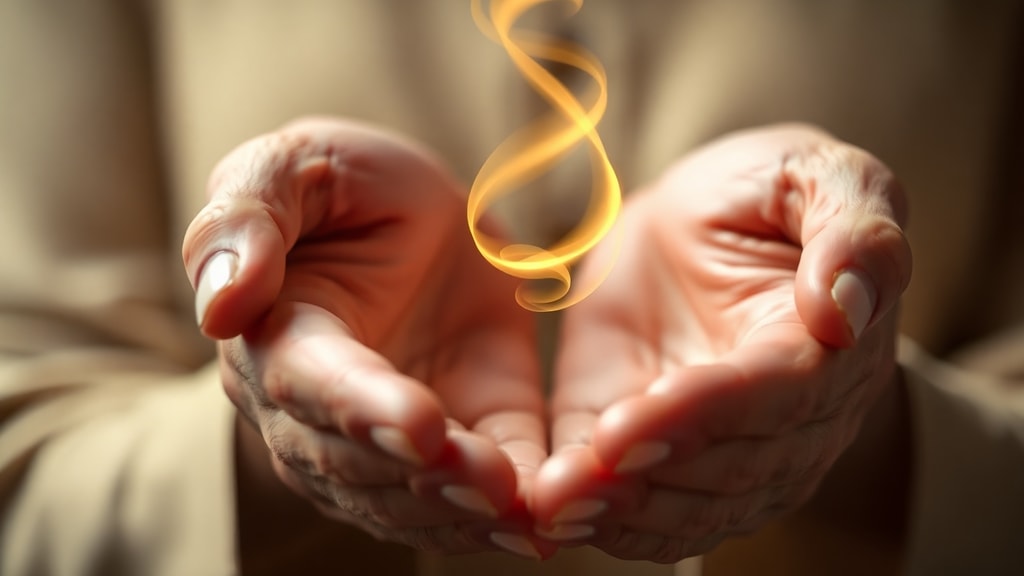
TCM identifies several distinct types of qi, each with a specific origin and function. These different forms work together to regulate bodily systems. Understanding these categories helps illustrate how the concept of qi is not monolithic but rather a nuanced framework for describing life processes. Below is a table summarizing the major types of qi recognized in classical Chinese medicine.
| Type of Qi | Chinese Name | Origin and Function |
|---|---|---|
| Original Qi | Yuan Qi | Inherited from parents; stored in the kidneys; provides the foundation for all life activities. |
| Food Qi | Gu Qi | Extracted from food and drink by the spleen and stomach; serves as the basis for other qi forms. |
| Nutritive Qi | Ying Qi | Flows in the blood vessels; nourishes organs and tissues; closely linked to blood circulation. |
| Defensive Qi | Wei Qi | Flows outside the vessels, just beneath the skin; protects the body from external pathogens and regulates temperature. |
| Pectoral Qi | Zong Qi | Gathered in the chest from air and food qi; controls respiration and the strength of the voice and heartbeat. |
Each type of qi interacts dynamically. For example, if one's defensive qi is weak, a person may become prone to colds and allergies. If nutritive qi is deficient, anemia or fatigue may result. By addressing imbalances in these specific qi forms, TCM practitioners aim to restore overall health.
Qi From a Scientific Point of View
From a modern scientific perspective, qi does not correspond to any measurable form of energy defined in physics, such as joules, kinetic energy, or electromagnetic radiation. The concept is pre-scientific and is now classified as pseudoscientific by mainstream physical standards. No controlled experiment has ever demonstrated the existence of qi as an independent energy or force. Despite this, research on acupuncture and qigong often shows physiological effects, such as changes in heart rate, pain perception, and immune markers. These effects are now frequently explained by mechanisms like nervous system modulation, placebo response, or connective tissue signaling, rather than by the flow of a mystical energy. Nevertheless, the cultural and clinical relevance of qi remains strong. For many patients, the framework of qi provides a meaningful and holistic way to understand their bodies and participate in their own healing.
Qi in Martial Arts and Daoist Philosophy
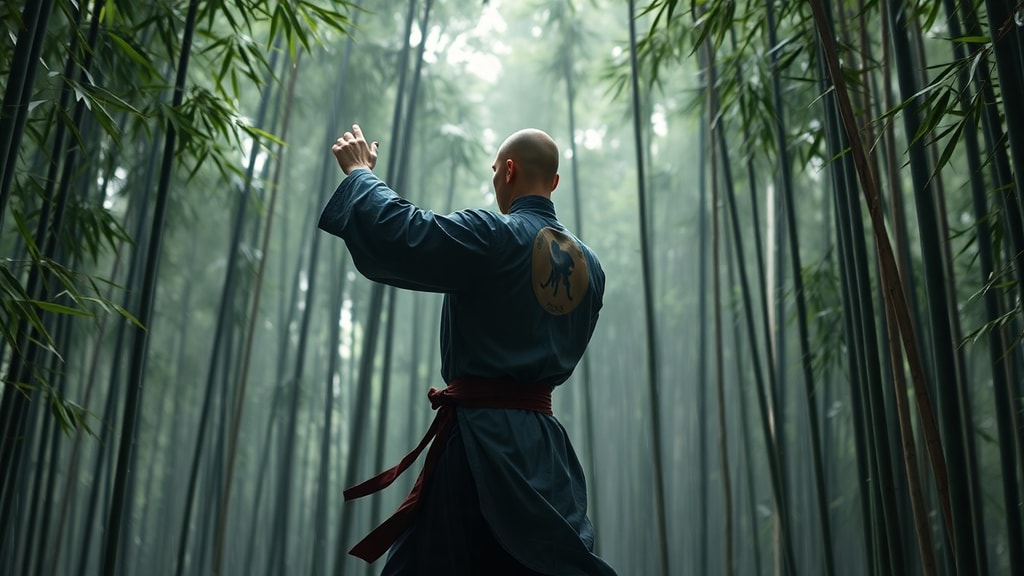
Beyond medicine, qi plays a central role in Chinese martial arts, particularly in internal styles such as tai chi, baguazhang, and xingyi. These practices train practitioners to sense, direct, and project qi through coordinated movement and focused intention. The goal is not only to enhance fighting ability but also to improve health and cultivate spiritual power. Daoist philosophers and alchemists historically developed elaborate techniques to control the movement of qi for longevity and immortality. Early Daoist texts describe breathing exercises and visualizations designed to refine qi into a more subtle form. This tradition continues today in many schools of qigong. The integration of qi into martial arts and spirituality shows how the concept extends far beyond medicine into everyday life and personal development.
Distinguishing Qi From Other Uses of the Term
Readers should be aware that the word qi also appears in other contexts unrelated to Chinese philosophy. For example, QI is the title of a British comedy panel show hosted by Sandi Toksvig, known for its quirky facts. Additionally, Qi is an open standard for inductive charging developed by the Wireless Power Consortium, used in smartphones and other devices. These modern uses are entirely separate from the ancient concept of vital energy. When researching or discussing qi, it is important to distinguish which meaning is intended. In this article, unless otherwise specified, we refer exclusively to the Chinese philosophical and medical concept.
How Qi Works: Practices for Balance and Flow
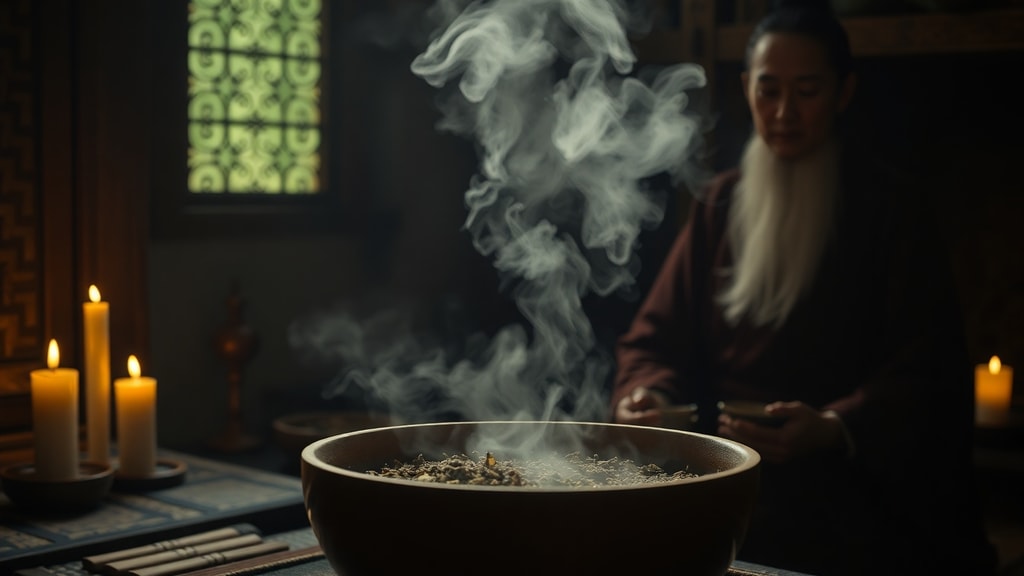
In TCM and related disciplines, qi is not a passive idea but something that can be cultivated, balanced, and strengthened through specific practices. These methods aim to remove blockages, nourish deficiencies, and harmonize the flow of qi throughout the body. The following list outlines common practices used to work with qi.
- Acupuncture: Insertion of thin needles at specific points along meridians to stimulate or redirect qi flow.
- Qigong: A system of gentle movements, controlled breathing, and meditation designed to cultivate and balance qi.
- Tai Chi: A martial art that combines slow, flowing postures with deep breathing and mental focus to promote qi circulation.
- Herbal Medicine: Use of plant and mineral formulas to tonify specific types of qi, such as ginseng for original qi or astragalus for defensive qi.
- Dietary Therapy: Eating according to seasonal and constitutional needs to support the generation of food qi.
- Acupressure: Applying pressure with fingers or tools to acupuncture points to relieve blockages without needles.
- Meditation and Breathwork: Sitting practices that calm the mind and regulate the breath, believed to gather qi in the lower abdomen, or dantian.
Each of these practices is based on the premise that qi is a real, usable force that can be influenced by intention and technique. While modern science may not validate qi as a measurable energy, many people report tangible benefits such as reduced stress, improved flexibility, better sleep, and a greater sense of well-being after engaging in these activities.

The Enduring Significance of Qi
The concept of qi continues to fascinate and inspire millions of people around the world. Whether viewed as a literal energy or as a culturally rich metaphor for the body's interconnected systems, qi offers a holistic lens through which to consider health and vitality. In Traditional Chinese Medicine, it remains a practical diagnostic and therapeutic tool. In martial arts and qigong, it provides a framework for discipline and self-cultivation. Even as science explains the mechanisms behind these practices in other terms, the lived experience of practitioners affirms the value of this ancient idea. For anyone interested in exploring new ways to support their health, learning about qi may open doors to practices that enhance physical, mental, and emotional balance.
References
Wikipedia contributors. Qi. Wikipedia, The Free Encyclopedia. Accessed June 2025. https://en.wikipedia.org/wiki/Qi
Yo San University of Traditional Chinese Medicine. Qi Energy in Chinese Medicine. Accessed June 2025. https://yosan.edu/what-is-qi/
Britannica, The Editors of Encyclopaedia. Qi | Definition & Facts. Encyclopedia Britannica. Accessed June 2025. https://www.britannica.com/topic/qi-Chinese-philosophy
ScienceDirect Topics. Qi in Immunology and Microbiology. Accessed June 2025. https://www.sciencedirect.com/topics/immunology-and-microbiology/qi
Wikipedia contributors. QI (TV series). Wikipedia, The Free Encyclopedia. Accessed June 2025. https://en.wikipedia.org/wiki/QI
Wikipedia contributors. Qi (standard). Wikipedia, The Free Encyclopedia. Accessed June 2025. https://en.wikipedia.org/wiki/Qi_(standard)