Understanding the Need to Reset Audio Settings
Audio problems are among the most common technical issues users face across all operating systems. From distorted sound and crackling speakers to complete audio loss, these frustrations often stem from misconfigured settings rather than hardware failure. Resetting your audio configurations can restore clarity, balance, and functionality without requiring expensive repairs or replacements. This guide provides detailed, platform-specific instructions to help you reclaim proper sound on your device, whether you are using Windows, macOS, Linux, or a mobile operating system. A reset effectively clears any custom tweaks that may have gone wrong, returning your system to a stable baseline.
Resetting Audio Settings on Windows 10 and Windows 11
Windows offers multiple pathways to reset audio settings, each suited to different types of issues. The first and most direct method is located within the modern Settings app. To access this, open the Start menu and navigate to Settings, then select System, followed by Sound. Scroll down to the Advanced section and click on All sound devices. Choose your active playback device and select the option that allows you to reset to the default settings recommended by Microsoft. This action clears any per-device adjustments and restores the system's standard audio profile.
For users who prefer the classic Control Panel interface, an alternative approach exists. Open the Control Panel and select Hardware and Sound, then Sound. In the Playback tab, right-click your default device and choose Properties. Navigate to the Advanced tab and uncheck the box labeled Enable audio enhancements. Then, go to the Spatial sound tab and set the format to Off. Some guides also recommend using the Configure button and running the Test function to verify that each speaker channel is working. These steps together reset the device-specific processing while leaving system-level settings unchanged.
A deeper reset involves the Windows Audio service itself. Press Win+R, type services.msc, and press Enter. Find the entry labeled Windows Audio in the list. Right-click it and select Restart. If the service appears stopped, choose Start instead. This action reloads the entire audio subsystem, effectively resetting all active configurations that the service manages. This method is particularly useful when audio is missing entirely or when applications report that no output device is available.
Resetting Audio Settings on macOS
Apple's macOS provides built-in tools to reset audio settings without third-party software. Begin by closing all applications that might be using audio, such as music players or web browsers. Open System Settings and select Sound. Under the Output tab, choose your preferred device and adjust the balance slider to the center position. On some versions of macOS, you may also need to check the Input tab to ensure the microphone level is not muted or set too low. These adjustments alone can solve many common complaints about low volume or uneven output.
For persistent issues, a more thorough reset is possible through the Terminal. Open the Terminal application from the Utilities folder and type the command sudo killall coreaudiod. Press Enter and authenticate with your administrator password. This command terminates the core audio daemon, which will automatically restart with default settings. After a few seconds, your audio should return to a clean state. This method is especially effective for fixing crackling, stuttering, or complete audio loss on Mac. It is a safe operation that does not delete any personal files or application data.
Resetting Audio on iPhone and iPad
Mobile devices running iOS or iPadOS have their own set of audio settings that can become misconfigured over time. To reset audio on an iPhone or iPad, start by opening Settings and going to Music. Scroll down to the Playback section and ensure that the EQ setting is turned off, as a custom equalizer can cause unexpected distortion. Next, navigate to Settings, then Accessibility, followed by Audio/Visual. Adjust the balance slider to the center position. This ensures that no channel is being favored over the other, which is a common source of complaints about one earbud being quieter than the other.
If you are still experiencing audio problems, consider resetting all settings. Go to Settings, select General, then Transfer or Reset iPhone, and choose Reset. Tap Reset All Settings. This action returns all system preferences, including sound, display, and network configurations, to factory defaults without deleting your personal data. Note that this will remove saved Wi-Fi passwords and custom accessibility settings, so you may need to reconfigure those after the reset. This comprehensive approach addresses audio issues that are not resolved by the simpler EQ and balance adjustments.
Resetting Audio on Android Devices
Android audio settings can vary significantly between manufacturers, but a general reset approach applies. Open Settings and search for Sound and vibration. Under this menu, check the volume levels for media, alarms, and ringtone. Ensure that no slider is set to zero or muted. Next, navigate to Advanced or Sound quality and effects depending on your device. Turn off any equalizer or Dolby Atmos presets that may be active. These enhancements often cause distortion when enabled with certain apps or headphones.
For more stubborn issues, you can clear the cache of the audio-related system app. Go to Settings, then Apps, and tap See all apps. Use the three-dot menu to show system apps, and find Media storage or Audio settings. Select Storage and cache and tap Clear cache. Do not choose Clear storage unless you are prepared to reconfigure all media folders. Finally, restart your device to allow the changes to take effect. This process resets any corrupted temporary files that may be interfering with sound playback.
Resetting Audio on Linux Ubuntu
Linux users, particularly those on Ubuntu and its derivatives, have command-line tools at their disposal for audio resets. The most straightforward method involves restarting the PulseAudio service. Open a terminal and type pulseaudio --kill followed by pulseaudio --start. This kills the existing audio server and starts it fresh with default configurations. If PulseAudio is not installed, you can install it by running sudo apt-get install pulseaudio and then following the same steps. This approach is effective for resolving issues where sound stops working after system updates or hardware changes.
For low-level audio problems, the alsamixer tool provides manual control over sound card settings. Open a terminal and type alsamixer. Use the arrow keys to navigate through the channels. Ensure that no channels are muted by pressing the M key if you see MM below a channel. Set each channel to a reasonable level, typically around 75 percent to 90 percent of maximum. Press Esc to exit. Then, run sudo alsactl store to save your changes. This method resets the mixer levels that PulseAudio may not manage, offering a deeper restoration for cases of complete silence or distorted output.
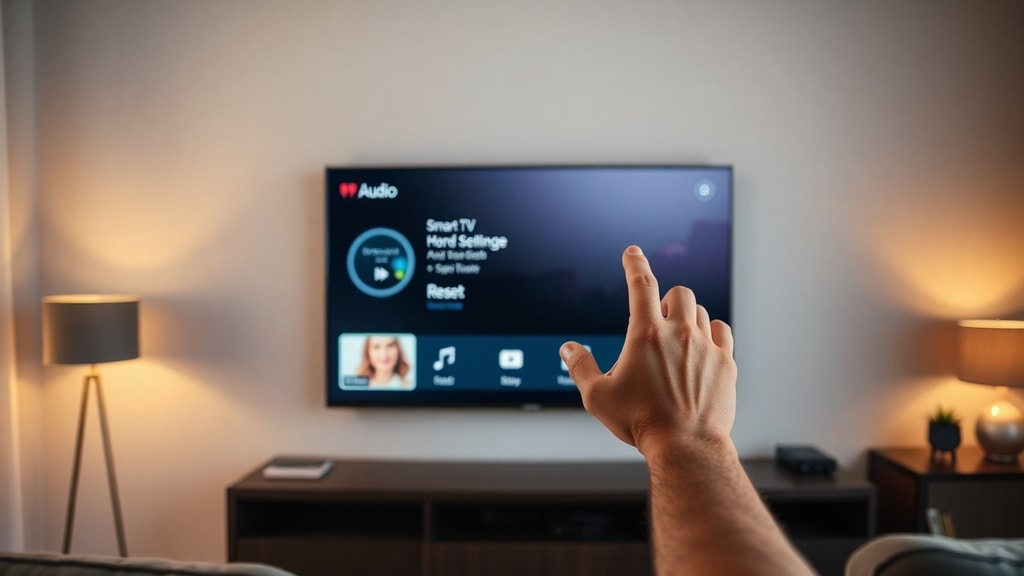
Comparison Table of Audio Reset Methods by Platform
| Operating System | Quick Reset Method | Deep Reset Method | Common Issue Solved |
|---|---|---|---|
| Windows 10/11 | Settings app reset per device | Restart Windows Audio service | Crackling or no sound |
| macOS | Adjust balance and EQ in System Settings | Kill coreaudiod via Terminal | Stuttering or missing output |
| iOS/iPadOS | Disable EQ and center balance | Reset All Settings | Asymmetric earbud volume |
| Android | Turn off sound enhancements | Clear cache of audio system app | Distortion with headphones |
| Ubuntu Linux | Restart PulseAudio service | Reconfigure via alsamixer | Silent output after update |
General Troubleshooting Tips Before Performing a Reset
Before taking the step of resetting your audio configuration, it is wise to perform a few simple checks. Verify that your speakers or headphones are properly connected and powered on. Check the physical volume knob or mute button on your device. Ensure that the correct output device is selected in your operating system's sound settings. These basic steps can often resolve the issue without any software reset. Additionally, try plugging your audio device into a different port or using a different cable to rule out hardware failure.
Another useful preliminary step is to update your audio drivers. Outdated or corrupted drivers are a frequent cause of audio problems. On Windows, visit the manufacturer's website for your sound card or motherboard to download the latest driver. On macOS and Linux, system updates often include driver improvements. Rebooting your computer after a driver update is essential for the changes to take effect. If updating does not help, then the reset methods described above are your next best option. Taking these preventive measures saves time and ensures you are resetting only when truly necessary.
How to Prevent Future Audio Configuration Issues
After successfully resetting your audio settings, adopting a few good habits can help prevent future problems. Avoid installing unnecessary audio enhancement software or third-party equalizers, as these often introduce conflicts. Keep your operating system and drivers up to date to minimize compatibility issues. When using headphones or external speakers, disconnect them properly before switching to a different audio device. This reduces the chance of the system becoming confused about which output to use. Additionally, be cautious when adjusting system volume or balance settings; small changes can have unexpected effects if you are not careful.
Consider creating a system restore point on Windows or a Time Machine backup on macOS after your audio is working correctly. This gives you a reliable fallback if issues reappear. On mobile devices, periodically review your accessibility and music settings to ensure no accidental tweaks have been made. On Linux, avoid making direct modifications to PulseAudio configuration files unless you are experienced. By following these guidelines, you can maintain a stable audio environment and reduce the need for frequent resets. Remember that most audio issues are temporary and can be resolved without professional intervention.
- Verify physical connections and power status before resetting.
- Update audio drivers to the latest version from the manufacturer.
- Disable all sound enhancements and third-party audio apps.
- Restart the device after making any audio changes.
- Create a backup or restore point after a successful reset.
- Use the platform-specific reset method outlined in this guide.
For Windows users who need detailed steps directly from Microsoft, the official Microsoft Learn resource provides Portuguese-language guidance on restoring default sound settings. For additional technical insights and troubleshooting from a reputable technology news source, ZDNet's article offers clear instructions for Windows users. These references complement the methods described above and provide further reading for those who encounter persistent challenges.
References
Microsoft Learn (pt-br). Como voltar a configuração de som padrão no Windows. Available at: https://learn.microsoft.com/pt-br/answers/questions/4016383/como-voltar-a-configura-o-de-som-padr-o-no-windows. Accessed 2025.
ZDNET. How to reset your audio settings in Windows. Available at: https://www.zdnet.com/article/how-to-reset-your-audio-settings-in-windows. Accessed 2025.
Technobits. Como redefinir todas as configurações de áudio no Windows 11. Available at: https://tecnobits.com/pt/como-redefinir-todas-as-configura%C3%A7%C3%B5es-de-%C3%A1udio-no-Windows-11. Accessed 2025.
Apple Support (pt-br). Ajustar as configurações de áudio no iPhone. Available at: https://support.apple.com/pt-br/HT211218. Accessed 2025.
Ubuntu Forum BR. Re: Som não funciona. Available at: https://ubuntuforum-br.org/index.php/topic,47555.0.html. Accessed 2025.