Understanding the Extension Project and Its Role in Higher Education
University extension projects represent a fundamental pillar of higher education in Brazil and many other countries. These initiatives bridge the gap between academic knowledge and community needs, creating a two-way exchange that benefits both students and society. While teaching and research remain central to university life, extension projects add a practical dimension that allows students to apply what they learn in real-world contexts. This article explores the meaning, benefits, and examples of extension projects, offering a comprehensive view of why they matter for students, professors, and communities alike.
What Is an Extension Project?
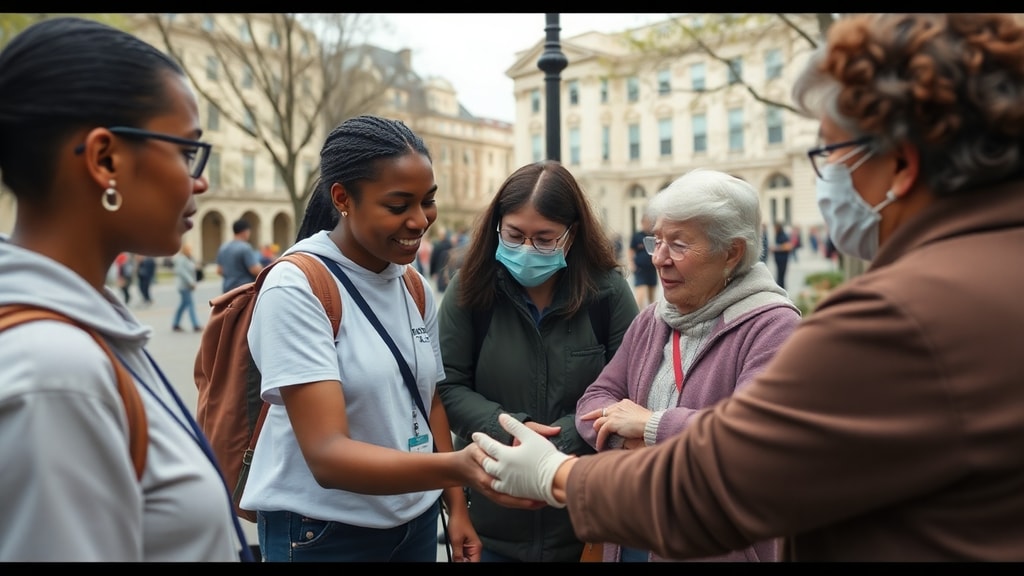
An extension project is an educational, social, and cultural action that connects university knowledge with the demands of the surrounding community. Unlike classroom learning, which tends to be theoretical, extension projects require students to step outside the campus and engage directly with people, organizations, and challenges that exist in society. These projects promote social interaction and transformation by applying academic insights to practical problems. For example, law students might offer free legal advice to low-income families, while engineering students could design water filtration systems for rural areas. In essence, extension projects turn universities into active agents of change rather than isolated centers of learning. According to official guidelines from the Brazilian Ministry of Education, extension projects are defined as actions that involve the academic community in activities that contribute to social development and democratic participation. A detailed explanation is available on the Mettzer blog, which breaks down the core components of these initiatives.

The Legal Obligation Behind Extension Projects
In Brazil, extension projects are not optional. MEC Resolution No. 7, enacted in 2018, made extension activities mandatory for all undergraduate courses in both public and private institutions. This regulation applies to presential and distance learning programs alike. The requirement ensures that every graduate has had at least some hands-on experience serving the community before entering the job market. For students who started their studies in August 2023, the requirement is fully active and must be fulfilled as part of their degree. Those enrolled earlier may be subject to different rules depending on their university. The curriculum weight of extension activities typically accounts for about 10 percent of the total course workload. This percentage is significant enough to ensure that extension work is taken seriously, yet flexible enough to allow students to choose projects that align with their interests and career goals. The official resolution and its implications are discussed further on the Descomplica knowledge base, which clarifies the legal framework for students and educators.
Benefits of Extension Projects for Students and Communities
Extension projects offer a wide range of benefits that extend far beyond fulfilling a graduation requirement. For students, these projects provide opportunities to develop practical skills, build professional networks, and gain a deeper understanding of social issues. For communities, extension projects deliver free or low-cost services, access to specialized knowledge, and solutions to local problems. Below is a list of the key benefits for both groups:

- Students acquire hands-on experience that enhances their resumes and prepares them for the job market.
- Extension work fosters critical thinking and problem-solving abilities in real-world settings.
- Students develop empathy and cultural awareness by interacting with diverse populations.
- Universities strengthen their reputation as socially responsible institutions.
- Community members receive professional services they might not otherwise afford.
- Local organizations gain access to academic research and innovation.
- Extension projects often lead to lasting partnerships between universities and communities.
- Students can explore career paths and discover areas of interest before graduating.
These benefits demonstrate that extension projects are not merely an academic exercise but a meaningful contribution to society. When students engage with real people and real problems, they learn lessons that cannot be replicated in a lecture hall. At the same time, communities receive valuable support that improves quality of life and encourages civic participation.
Core Structure of a Valid Extension Project
To be considered legitimate by a university, an extension project must follow a structured format that includes specific elements. This structure ensures that the project is well-planned, feasible, and capable of producing measurable outcomes. The table below outlines the essential components that every extension project should include, along with a brief description of each element.
| Component | Description |
|---|---|
| Title | A clear and concise name that reflects the project focus. |
| Thematic Area | The broad category of social need, such as health, education, or environment. |
| Public-Target | The specific group or community that will benefit from the project. |
| Objectives | Measurable goals that define what the project intends to achieve. |
| Theoretical Foundation | Academic concepts and research that support the project approach. |
| Methodology | The step-by-step process for implementing the project activities. |
| Timeline | A schedule of tasks and milestones to track progress. |
| Expected Results | Tangible outcomes that demonstrate the project impact. |
| Budget | A breakdown of costs and resources needed to complete the project. |
These components are based on manuals from institutions such as FMABC and UFSM, which provide detailed guidance on project design. Following this structure not only increases the chances of approval but also helps students and faculty manage their work efficiently.
How Extension Projects Differ from Internships
A common point of confusion among students is the difference between extension projects and internships, known in Brazil as estagio. While both involve practical experience, their primary goals are distinct. Internships focus on professional practice exposure, meaning that students observe and learn how a particular industry or workplace functions. The main beneficiary of an internship is the student, who gains skills relevant to a future career. Extension projects, on the other hand, focus on applying academic knowledge to serve the community and generate social impact. The main beneficiary is the community, although students also gain valuable experience in the process. This distinction is important because it affects how projects are designed, evaluated, and credited. An internship might involve filing documents in a law office, while an extension project could involve teaching legal rights to residents of a low-income neighborhood. Both are valuable, but they serve different purposes within the university curriculum. Understanding this difference helps students choose the right path for their academic and professional growth.
Examples of Extension Projects Across Disciplines
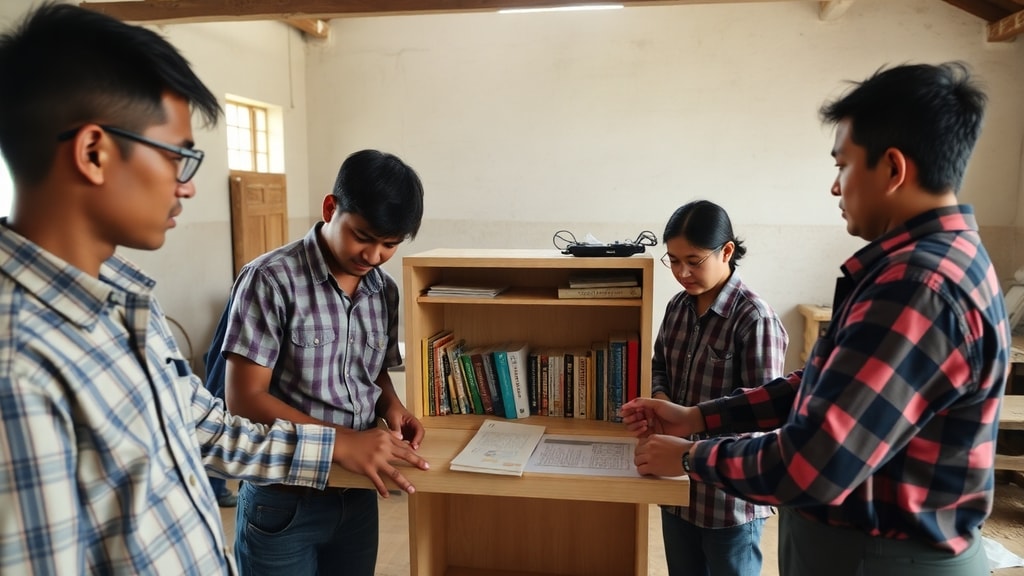
Extension projects can take many forms depending on the academic field and the needs of the community. In health sciences, students might organize blood pressure screenings at community centers or develop nutrition workshops for schoolchildren. In engineering, projects could involve building accessible ramps for public spaces or installing solar panels in underserved areas. Education students often create tutoring programs for children who are struggling academically, while business students might offer basic financial literacy classes to entrepreneurs. Law students frequently provide free legal consultations in neighborhoods where access to legal services is limited. Architecture and design students can collaborate with local governments to redesign public parks or create affordable housing prototypes. Environmental science students may lead recycling campaigns or restore degraded ecosystems. These examples show that virtually any academic discipline can produce a meaningful extension project. The key is to identify a genuine community need and align it with the knowledge and skills that students possess. When done well, these projects create lasting improvements in the quality of life for local residents while giving students a sense of purpose and accomplishment.
Evaluation and Impact Measurement
Once an extension project is completed, it must be evaluated to determine its effectiveness and impact. Universities typically assess projects based on several criteria, including political management, infrastructure, university-society relations, academic planning, and academic products. Political management refers to how the project engages with local leaders and institutions. Infrastructure considers whether the necessary resources were available. University-society relations measure the quality of interaction between students and community members. Academic planning looks at how well the project was organized and executed. Academic products include reports, presentations, publications, or other evidence of the work done. Documentation is crucial for this evaluation. Students are often required to submit photos, surveys, testimonials, or statistical data that demonstrate the project outcomes. Some universities also require that extension projects produce a final paper or poster presentation. This rigorous evaluation ensures that extension work remains accountable and that students take their responsibilities seriously. It also provides data that can be used to improve future projects and to justify continued funding from the institution or external partners.

Conclusion
Extension projects are a vital component of higher education, offering students the chance to apply their knowledge in ways that benefit society. In Brazil, these projects are mandatory for all undergraduate students, reflecting their importance in the academic curriculum. The legal framework established by MEC Resolution No. 7 ensures that every graduate has engaged with the community before earning a degree. The benefits of extension projects are clear: students gain practical experience and develop social awareness, while communities receive valuable services and solutions. The structured format of these projects, with defined components such as objectives, methodology, and budget, helps ensure that they are executed effectively. Distinguishing extension projects from internships is important for understanding their unique purpose and value. With examples spanning health, education, law, engineering, and many other fields, extension projects demonstrate the versatility of university knowledge. As more institutions embrace this approach, the connection between academia and society grows stronger. For students, participating in an extension project is not just a requirement but an opportunity to make a real difference in the world around them.
References
Mettzer Blog. O que e projeto de extensao e como faze-lo. Available at: https://blog.mettzer.com/projeto-de-extensao/. Accessed 2025.
Descomplica Knowledge Base. O que e projeto de extensao. Available at: https://no.descomplica.com.br/knowledge/o-que-%C3%A9-projeto-de-extens%C3%A3o. Accessed 2025.
YouTube Educational Content. Projeto de Extensao 2024/2026. Available at: https://youtube.com/watch?v=T7TZllVrdZs. Accessed 2025.
FMABC Extension Manual and UFSM Extension Manual. Guia de elaboracao de projetos de extensao. Available at: https://uemg.br/downloads/proex-manuais/Manual-Elaboracao-Projetos.pdf. Accessed 2025.
Blog Uniderp. Projeto de extensao: diferenca entre estagio e extensao. Available at: https://blog.uniderp.com.br/projeto-de-extensao/. Accessed 2025.
UFPR and UFLA Extension Guidelines. Criterios de avaliacao de projetos de extensao. Available at: https://proeec.ufpr.br. Accessed 2025.