Understanding the Importance of a Vehicle Inspection Checklist for Safe Driving
Regular vehicle inspections are a cornerstone of road safety and responsible car ownership. Many drivers overlook the simple yet critical checks that can prevent breakdowns, costly repairs, and dangerous accidents. A proper vehicle inspection checklist goes beyond what is required by law; it is a proactive approach to ensuring your car remains reliable and safe for every journey. Whether you are preparing for a long road trip or simply commuting to work, understanding what to inspect and when can make a significant difference. This article will guide you through the essential components of a vehicle inspection, explain how state requirements vary, and provide a practical framework for keeping your car in top condition.
What Does a Standard Vehicle Inspection Cover?
A comprehensive vehicle inspection typically involves both safety and emissions checks. Safety inspections focus on components that directly affect the vehicle's ability to operate safely on public roads. These include headlights, taillights, brake lights, turn signals, and hazard lights. Inspectors also check the condition of tires, including tread depth and any signs of uneven wear, as well as the steering system, suspension, and mirrors. Brakes are a critical element, with technicians examining pads, rotors, and fluid levels to ensure proper stopping power. Windshields must be free of cracks that obstruct the driver's view, and wipers must function effectively. Emissions inspections, on the other hand, measure the pollutants your vehicle releases into the environment. These tests are mandatory in many states, especially in urban areas with higher pollution levels. The combination of these checks helps ensure that your vehicle is both safe to drive and environmentally compliant.
In addition to these standard checks, a thorough inspection should include verifying the condition of seat belts, the horn, and the vehicle identification number. Some states also require a check of the exhaust system for leaks or excessive noise. It is important to note that the scope of a safety inspection can vary by state. For example, while most states require an annual safety inspection for registration renewal, the specific items checked may differ. New York State, for instance, has a detailed list that includes all of the above, while other states may have a more limited set of requirements. Understanding what is covered in your area can help you prepare for your inspection and avoid surprises.
State-Specific Requirements and Exemptions
Vehicle inspection laws are not uniform across the United States. They vary widely based on state legislation, environmental concerns, and local policies. A general rule is that most states require an annual safety inspection, but there are notable exceptions. For instance, as of January 1, 2025, Texas implemented House Bill 3297, which eliminated the safety inspection requirement for non-commercial vehicles. However, emissions tests remain mandatory in certain designated counties to address air quality issues. This change means that many Texas drivers no longer need to worry about annual safety checks, but they must still comply with emissions testing in specific areas.
Antique vehicles often receive special treatment under inspection laws. In states like North Carolina and Massachusetts, vehicles that are 30 years or older can qualify for antique plates, making them exempt from both safety and emissions inspections. This exemption recognizes that these vehicles are typically driven less frequently and for limited purposes, such as parades or car shows. However, owners must still ensure these vehicles are mechanically sound and safe for occasional use. It is always a good idea to check with your local Department of Motor Vehicles for the most current regulations, as laws can change frequently.
Key Components of a DIY Vehicle Inspection Checklist
While professional inspections are required by law in many states, you can perform a basic inspection yourself to catch potential issues early. This proactive routine can save you time and money. Here are the essential items to check on a monthly basis or before a long trip:
- Tires: Check tire pressure using a gauge and compare to the manufacturer's recommended psi. Inspect tread depth using the penny test. Look for cuts, bulges, or uneven wear.
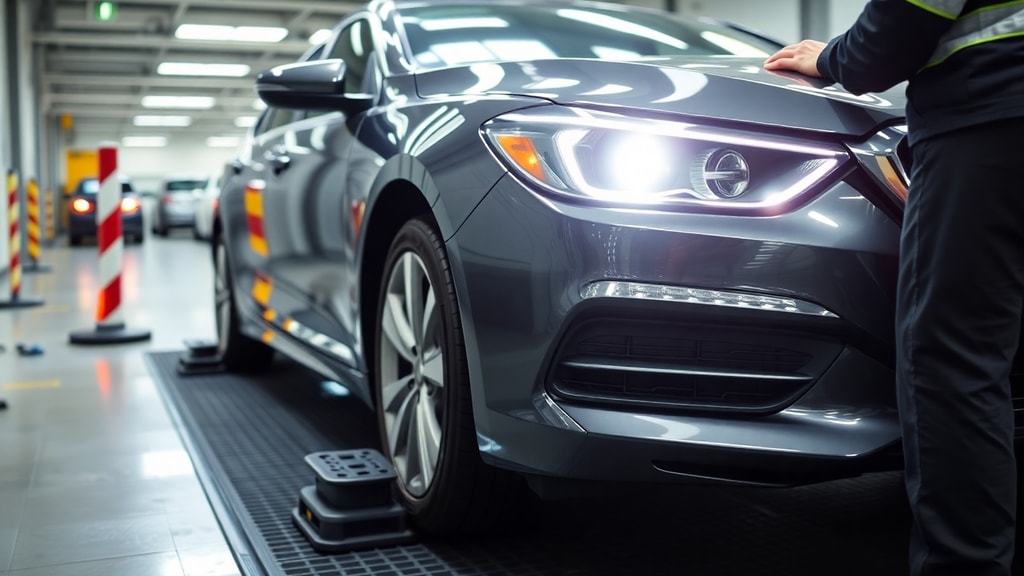
- Lights: Turn on headlights, taillights, and brake lights. Have someone stand behind the vehicle while you press the brake pedal to confirm all lights are working. Test turn signals and hazard lights.
- Brakes: Listen for squealing, grinding, or clicking noises when braking. Feel for a soft or spongy brake pedal. Check brake fluid level in the master cylinder reservoir.
- Fluids: Check engine oil level with the dipstick. Inspect coolant level in the overflow tank. Check windshield washer fluid and top up if needed. Look for any fluid leaks under the vehicle.
- Battery: Inspect battery terminals for corrosion. Ensure the battery is securely mounted. Check the age of the battery as most last 3-5 years.
- Belts and Hoses: Look for cracks, fraying, or looseness in drive belts. Squeeze hoses to check for soft spots or leaks.
- Windshield and Wipers: Inspect the windshield for chips or cracks. Test wiper blades for streaking or skipping. Replace blades if they are more than six months old.
By performing these checks regularly, you can identify minor problems before they become major repairs. This routine also helps you become more familiar with your vehicle's normal operation, making it easier to notice when something is wrong.
Emissions Testing: What You Need to Know
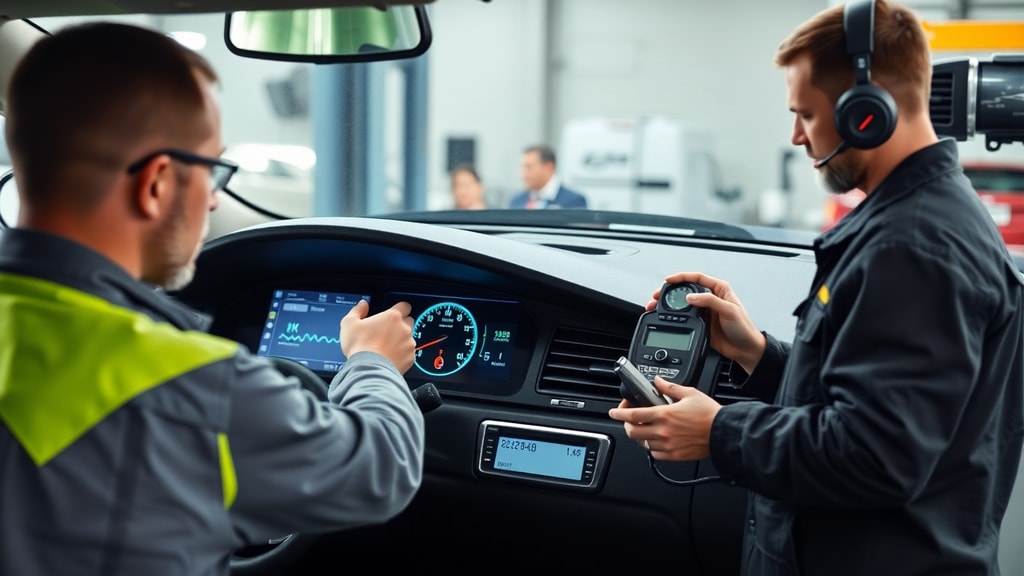
Emissions testing is a separate but equally important part of vehicle inspection in many states. Approximately 29 states require emissions tests, often as part of a combined safety and emissions inspection. These tests are designed to reduce air pollution by ensuring that vehicles are not releasing excessive amounts of harmful gases like carbon monoxide, nitrogen oxides, and hydrocarbons. In New York, for example, vehicles model year 1997 and newer must undergo emissions testing. The test involves connecting a diagnostic tool to the vehicle's onboard computer to check for trouble codes and verify that the emissions control system is functioning properly.
Some vehicles may fail an emissions test due to a check engine light being on, a faulty oxygen sensor, or a failing catalytic converter. If your vehicle fails, you will typically need to have the repairs completed and then retest within a certain timeframe. It is worth noting that not all vehicles require emissions testing. In some states, diesel vehicles and motorcycles are exempt. Additionally, certain areas with lower population density may not have emissions programs at all. Always verify your local requirements to avoid registration delays.
Cost and Location of Professional Inspections
The cost of a professional vehicle inspection varies by state and the type of inspection required. Most safety inspections range from twenty to fifty dollars. For example, Massachusetts charges thirty-five dollars for a non-commercial vehicle inspection, while North Carolina's fees vary by county and inspection station. Emissions testing may be included in the safety inspection fee or charged separately. In some states, you may find that a combined inspection costs less than having each done individually.
Inspections must be performed at authorized, privately owned stations that display official inspection signs. These stations are licensed by the state and employ certified inspectors who have undergone training. You cannot have your vehicle inspected by just any mechanic; the station must be officially approved. This ensures that inspections are conducted consistently and according to state standards. You can usually find a list of authorized inspection stations on your state's DMV website. It is advisable to call ahead to confirm hours and whether you need an appointment, as some stations may have limited availability.
Sample Inspection Checklist Table
To help you stay organized, here is a table summarizing the key items to check during a routine vehicle inspection. This table can be printed and used as a quick reference guide.
| Component | What to Check | Common Issues |
|---|---|---|
| Headlights | Brightness, aim, cracks | Dim bulbs, misalignment |
| Brakes | Pad thickness, fluid level, pedal feel | Worn pads, leaks |
| Tires | Pressure, tread depth, sidewall damage | Underinflation, bald spots |
| Steering | Play in wheel, alignment | Loose links, uneven wear |
| Windshield | Cracks, chips, wiper function | Obstructed view, worn blades |
| Exhaust | Leaks, rust, noise | Holes, loose components |
| Battery | Terminals, charge, age | Corrosion, weak charge |
Using this table can help ensure you do not miss any critical area during your inspection. Refer to it regularly, especially before long journeys or when you notice changes in your vehicle's performance.
When to Get a Professional Inspection
While do-it-yourself checks are valuable, there are times when a professional inspection is necessary. Most obviously, you need a professional inspection to comply with state laws for registration renewal. Additionally, you should have your vehicle inspected by a certified professional if the check engine light comes on, if you notice unusual noises or vibrations, or if the vehicle fails to start properly. Professional mechanics have specialized tools and diagnostic equipment that can identify issues not visible to the naked eye. They can also perform more complex inspections, such as checking the braking system's internal components or analyzing exhaust gases.
Another reason to seek a professional inspection is when buying a used car. A pre-purchase inspection can reveal hidden problems that could cost thousands of dollars to fix. Many used car dealers allow you to take the vehicle to an independent mechanic for a thorough inspection before finalizing the purchase. This step is highly recommended and can save you from buying a vehicle with serious mechanical or safety defects.
References
New York State Department of Motor Vehicles. NY Vehicle Safety and Emissions Inspection Program. Accessed December 2023. https://dmv.ny.gov/inspections
Texas Department of Public Safety. Vehicle Inspection Program Overview. Accessed January 2025. https://www.dps.texas.gov/section/vehicle-inspection/vehicle-inspection-program-overview
North Carolina Department of Transportation. Safety Inspections. Accessed January 2025. https://www.ncdot.gov/dmv/title-registration/emissions-safety/Pages/safety-inspections.aspx
Massachusetts Vehicle Check. Basic Information for Motorists. Accessed January 2025. https://www.mavehiclecheck.com/motorists-basicinfo
Virginia State Police. Vehicle Safety Inspection Program. Accessed January 2025. https://vsp.virginia.gov/safety-and-enforcement/vehicle-safety-inspection/
Car Emissions Testing by State. Kelley Blue Book. Accessed January 2025. https://www.kbb.com/car-advice/vehicle-inspections-by-state/