Understanding the Vehicle Condition Status in Brazil
When dealing with vehicle ownership or purchase in Brazil, one of the most critical concepts to grasp is the situacao do veiculo. Literally translating to vehicle condition or vehicle status, this term refers to the official and comprehensive record of a vehicle as maintained by government traffic authorities. Knowing the situacao do veiculo is not merely a bureaucratic step; it is a fundamental necessity for anyone who owns a car, plans to buy one, or needs to ensure compliance with traffic laws. This status report reveals everything from the vehicle's registration validity and tax payments to outstanding fines and any reports of theft or fraud. Without a clear understanding of this status, a buyer could inherit hidden debts or legal problems, and a seller could face complications during transfer. In this article, we will explore what the situacao do veiculo truly means, why it matters, how to consult it officially, and what each component of the report signifies.
What Is the Situacao do Veiculo?
The situacao do veiculo is the official and up-to-date status of a motor vehicle registered in Brazil. It is maintained by the National Traffic Secretariat, known as SENATRAN, and is accessible through state-level departments known as DETRAN. The status encompasses several key elements, including the validity of the vehicle's registration, the payment status of the annual IPVA tax, licensing compliance, any pending fines or penalties, and whether the vehicle has been reported as stolen or involved in fraud. Essentially, this status acts as a digital footprint for the vehicle throughout its life in the country. Every change in ownership, tax payment, inspection, or police report updates this record. For consumers, accessing this information is the only way to verify that a vehicle is legally fit for circulation and free of encumbrances.

Why Checking the Vehicle Status Is Essential
Checking the situacao do veiculo is vital for several reasons. First, it protects buyers from acquiring a vehicle with hidden debts. In Brazil, fines and taxes are attached to the vehicle, not the owner. If you buy a car without checking its status, you could be held responsible for unpaid IPVA, licensing fees, or traffic tickets from previous owners. Second, the status reveals if the vehicle has been stolen or cloned. Many fraud cases involve criminals selling vehicles with fake documents, and only a status check through official databases can uncover such issues. Third, it ensures that the vehicle is properly licensed for the current year. Driving an unlicensed vehicle can result in severe penalties, including fines and impoundment. Finally, for sellers, providing a clean status report builds trust and facilitates a smooth transfer. Neglecting this step can lead to legal disputes, financial loss, and significant inconvenience.
Components of a Vehicle Condition Status Report
A typical vehicle condition status report contains several pieces of information. The most critical includes the registration status, which shows whether the vehicle is actively registered or has been cancelled, banned, or flagged. The IPVA status indicates whether the annual tax has been paid for the current and previous years. Licensing status shows whether the vehicle is compliant with the yearly licensing requirement. Fines and penalties are listed individually, often with details on the date, location, and amount owed. The report also includes any police records, such as theft or robbery reports, and mentions of fraud or cloning. Sometimes, the status will indicate if the vehicle is under any judicial restriction or has an outstanding recall. Understanding each element helps you decide whether the vehicle is safe to purchase or use.

How to Consult the Vehicle Status Officially
The most reliable way to obtain the situacao do veiculo is through official government portals. The primary national source is the website of SENATRAN, which is the secretariat responsible for national traffic data. You can access their services page at SENATRAN. Additionally, the National RENAVAM database, managed by DENATRAN, requires a login via the Gov.br system. This service is available at RENAVAM Consult. For state-level checks, each DETRAN provides its own online platform. For example, residents of Sao Paulo can use DETRAN-SP, those in Rio de Janeiro can access DETRAN-RJ, and citizens of Rio Grande do Sul can use DETRAN-RS. To perform a check, you generally need the vehicle's license plate number and the RENAVAM number. After entering this information, the system will generate a detailed report. It is important to note that only these official sources guarantee 100 percent accurate and up-to-date data. Third-party services may offer convenience, but they may not reflect the most current information due to lag in data synchronization.
Step-by-Step Guide to Using Official Portals
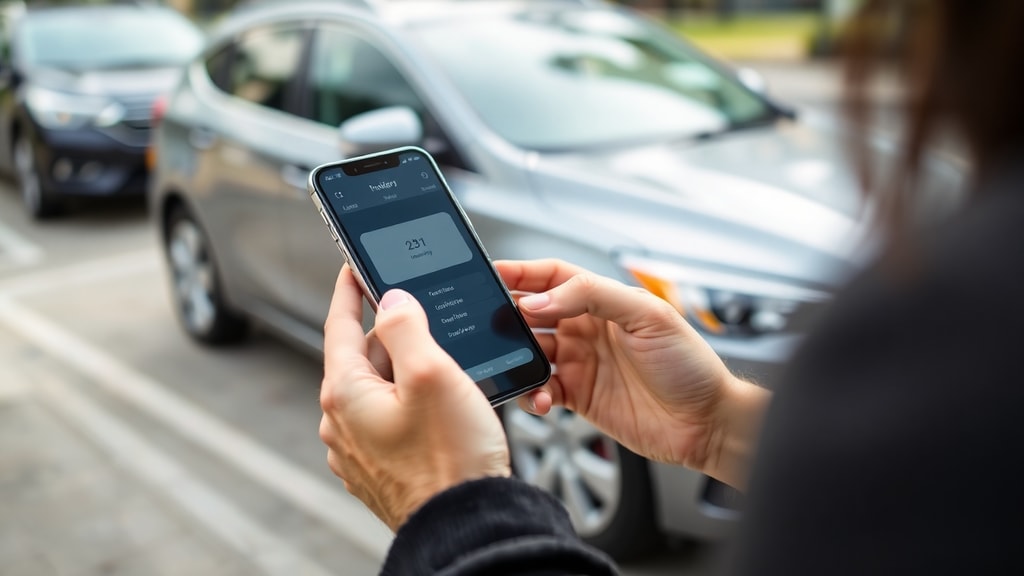
If you want to check the situacao do veiculo yourself, follow these steps. First, gather the vehicle's license plate and RENAVAM number. The RENAVAM number is a unique code assigned to each vehicle and is found on the vehicle's registration certificate. Second, visit the website of your state DETRAN or the national SENATRAN portal. Third, locate the section for vehicle consultation, often labeled as "Consulta Situacao do Veiculo" or "Servicos Veiculo." Fourth, enter the required information. Some systems also ask for the chassis number to improve accuracy. Fifth, complete any CAPTCHA or security verification. Then, submit the query. The system will display the current status. You can usually view and print the report. If you cannot access the system, some DETRANs offer offline services at their physical offices. Keep in mind that using the official Gov.br login may be required for more detailed reports, such as those from the RENAVAM database.

List of Common Statuses You Might See
When you check the vehicle status, you may encounter various designations. Here is a list of common statuses and their meanings:
- Regular: The vehicle is fully compliant. Registration is valid, taxes are paid, and no outstanding fines or theft reports exist.
- Irregular: There is a pending issue, such as unpaid IPVA, expired licensing, or unpaid fines. The vehicle cannot be transferred or driven legally.
- Roubado ou Furtado: The vehicle has been reported as stolen or robbed. Driving or selling such a vehicle is illegal.
- Sinistrado: The vehicle has been involved in a major accident and may be considered a total loss. It may have structural damage.
- Buscado: The vehicle is sought by authorities, often due to a court order or outstanding arrest warrant related to the vehicle.
- Bloqueado: The vehicle has been blocked for administrative reasons, such as judicial decisions or police investigations.
- Baixado: The registration has been cancelled. The vehicle can no longer be used on public roads.
- Remarcado: The chassis number has been altered or tampered with, often indicating fraud or cloning.
Understanding these statuses helps you make informed decisions. A regular status is ideal. Irregular statuses can often be resolved by paying debts. However, statuses like roubado or baixado are red flags that require professional advice.
Table: Comparison of Official and Third-Party Consultation Services
To help you choose where to check the situacao do veiculo, here is a table comparing official government sources and third-party services:
| Service Provider | Accuracy | Cost | Data Source | Requires Login |
|---|---|---|---|---|
| SENATRAN (Federal) | 100% official | Free | National traffic database | Gov.br required |
| DENATRAN RENAVAM | 100% official | Free | Central RENAVAM base | Gov.br required |
| State DETRAN (e.g., DETRAN-SP) | 100% official | Free | State and national base | Sometimes partial login |
| Serasa (Third-Party) | May lag 24-48 hours | Free or subscription | Public and private databases | Account required |
| Canaltech (Guide) | Informational only | Free | Aggregated from official sources | None |
As the table shows, official sources are the most reliable. Third-party services like Serasa offer convenience, but they often update less frequently and may not include real-time changes. Always verify critical findings with an official portal.

Additional Tips for Buyers and Sellers
If you are buying a used vehicle, always request the most recent status report from the seller, but also perform your own check. Sellers may show you a report from weeks ago, but the status can change overnight if fines are added. Likewise, sellers should provide a clean report to attract serious buyers. In either case, if the report shows irregular status, do not proceed with the transaction until the issues are resolved. It is also wise to check the vehicle's history using the RENAVAM number across multiple state databases if possible, especially if the vehicle was previously registered in a different state. Additionally, check if the vehicle has any outstanding recalls from the manufacturer that require repairs. Sometimes, a vehicle can appear regular on the traffic database but still have safety recalls pending. Combining this information gives you a complete picture of the vehicle's condition.
Common Mistakes to Avoid
One common mistake is relying solely on a printed document from the seller. Paper can be forged, and the seller may show a status that is no longer current. Another mistake is ignoring state-level differences. A vehicle might be regular in one state but have pending fines in another where it was previously registered. Also, do not assume that a clean name on a third-party app means the vehicle is completely clean. Third-party services sometimes miss recent entries. Finally, avoid paying someone to run a status check for you. Official government services are free. If a website asks for payment for a status check, it is likely a scam. Only use the official portals linked above.
References
To ensure accuracy and provide further reading, the following sources were used for this article. The official SENATRAN portal is the primary national source for vehicle status: https://www.senatran.gov.br/. The national RENAVAM consultation system managed by DENATRAN is available at https://servicos.denatran.gov.br/renavam/. State-level portals include DETRAN-SP at https://www.detran.sp.gov.br/, DETRAN-RJ at https://www.detran.rj.gov.br/, and DETRAN-RS at https://www.detran.rs.gov.br/. For a reputable guide on consulting the RENAVAM base, Canaltech provides clear instructions: https://canaltech.com.br/governo/como-consultar-a-situacao-do-veiculo-na-base-renavam/. Third-party service Serasa offers a digital wallet for debt checks: https://www.serasa.com.br/minhas-contas/blog/como-consultar-a-situacao-do-veiculo-e-pagar-os-debitos/. Note that only official government portals guarantee 100 percent accurate and real-time data. Third-party services may involve delays or require manual input.