Understanding Thermal Machines: Definition and Core Principles
Thermal machines, often referred to as heat engines in English, form the backbone of modern civilization's mechanical power generation. A thermal machine is fundamentally a device that cyclically converts thermal energy into mechanical work. This conversion process operates by absorbing heat from a high-temperature source, performing useful work, and then releasing the remaining waste heat to a lower-temperature sink. The operational cycle of every thermal machine is governed by the laws of thermodynamics, particularly the Second Law, which states that it is impossible for any heat engine to convert all absorbed heat into work. This limitation leads to the concept of efficiency, mathematically expressed as e equals W out divided by Q in, where W out represents the work output and Q in represents the heat input from the hot reservoir.
To function, every thermal machine requires three essential components: a working substance, such as steam, air, or a combustible fuel mixture; a high-temperature thermal reservoir that supplies heat to the system; and a low-temperature sink, typically the environment or a cooling system, where waste heat is expelled. The working substance undergoes a cyclic process involving expansion and compression, driven by temperature differences between these two reservoirs. Without a temperature differential, no net work can be extracted from the system. This principle explains why thermal machines are inherently inefficient compared to other types of engines, with typical maximum efficiencies ranging from 30 to 50 percent for practical devices, far below the theoretical maximum set by the Carnot cycle.
Historical Development of Thermal Machines
The history of thermal machines stretches back to ancient times, with the earliest recorded evidence being the aeolipila, a steam turbine invented by Hero of Alexandria around 130 BC. This device used steam ejected from rotating nozzles to produce rotational motion, though it was more of a demonstration than a practical machine for doing work. Significant advancements occurred during the Renaissance and early modern period, with the first documented steam engine built by the Spanish inventor Jeronimo de Ayanz in 1606. Ayanz designed systems for draining mines using steam pressure, predating other famous inventors by over a century. However, the real breakthrough came with Thomas Newcomen in 1712, who developed an efficient atmospheric engine that became widely used for pumping water out of coal mines in England.
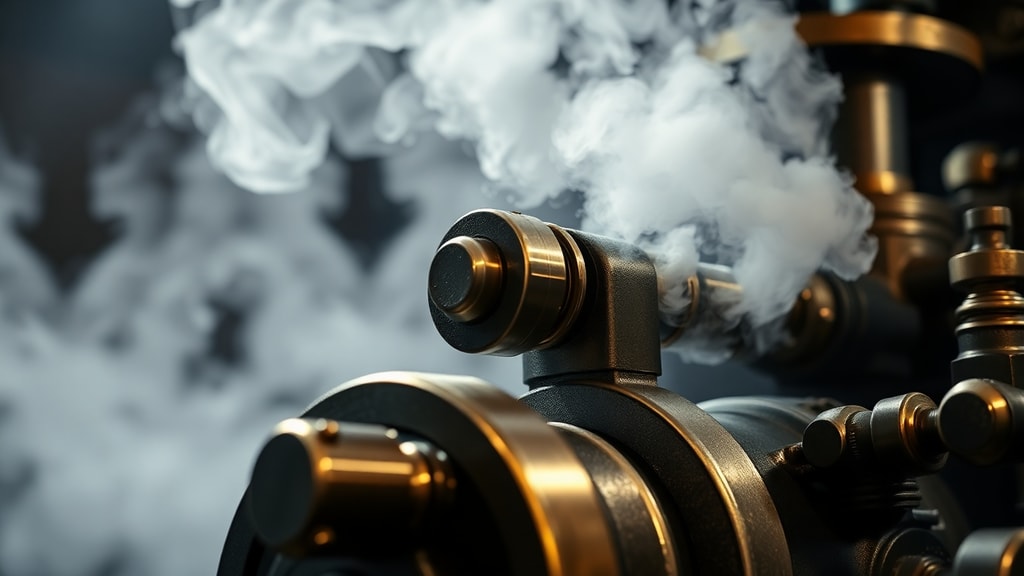
The industrial revolution accelerated development rapidly with James Watt's improvements to the Newcomen engine in the late 1700s, introducing a separate condenser that dramatically increased efficiency. Throughout the 19th and 20th centuries, thermal machine technology expanded into internal combustion engines, steam turbines, and gas turbines. The internal combustion engine, invented by Nikolaus Otto in 1876, transformed transportation with gasoline-powered vehicles. Steam turbines, pioneered by Charles Parsons in 1884, became the standard for power generation in electrical plants worldwide. Gas turbines, which emerged in the mid-20th century, powered aircraft and industrial applications with higher power-to-weight ratios. Each evolution aimed at improving thermal efficiency while reducing waste heat and emissions.
Major Types of Thermal Machines
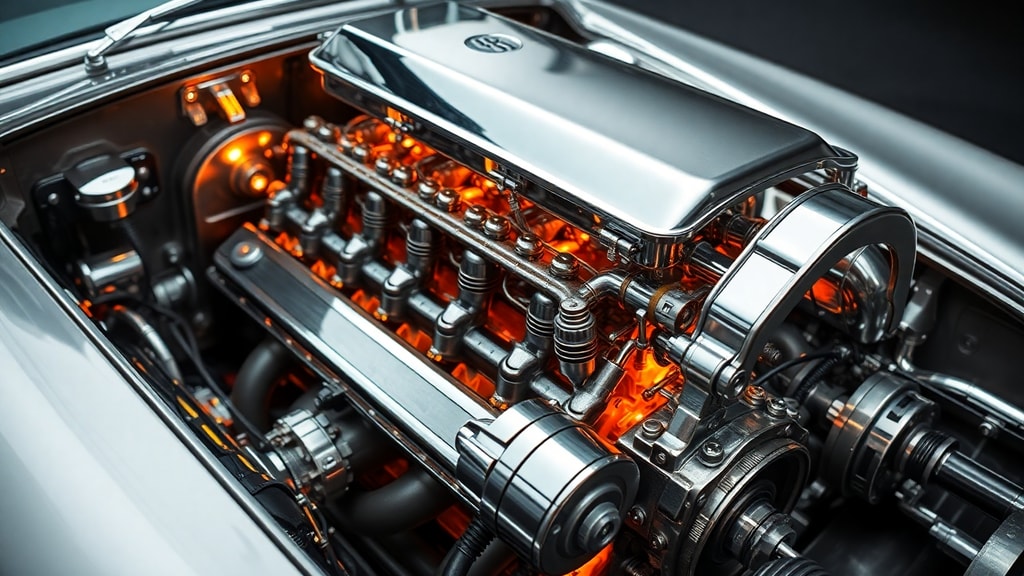
Thermal machines can be classified into several major categories based on their working fluid and operational cycle. Steam engines represent the earliest type, where water is boiled to produce steam that expands against a piston or turbine blades. These engines were crucial for railroad locomotives, steamships, and early industrial machinery from the 1700s through the mid-1900s. Internal combustion engines, found in most automobiles and small machinery, burn fuel directly inside cylinders to generate high-pressure gas that drives pistons. This category includes Otto cycle engines for gasoline and Diesel cycle engines for heavier fuels, both widely used in transportation and construction equipment.
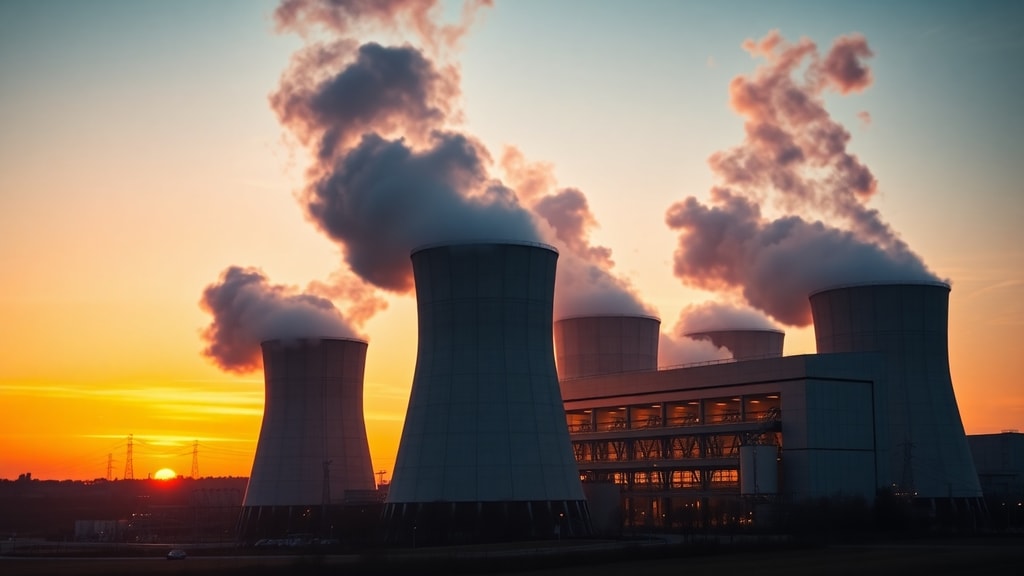
Steam turbines are essential in modern power plants, where high-pressure steam from boilers passes through multiple stages of turbine blades to generate rotational motion for electrical generators. These turbines can operate at extremely high capacities, often exceeding 1000 megawatts per unit. Gas turbines, which compress air, mix it with fuel, and ignite the mixture to produce hot gas that spins a turbine, are used extensively in aircraft propulsion and as peaking power plants for electricity grids. Additionally, Stirling engines, though less common, use external heat sources with a sealed working gas to produce mechanical work, offering potential advantages in renewable energy applications. The diverse range of thermal machines demonstrates their adaptability to various energy sources, including fossil fuels, nuclear energy, and solar thermal systems.
Key Operating Principles and the Carnot Limit
The efficiency of any thermal machine is fundamentally limited by the temperatures of its heat reservoirs, a principle formalized by the Carnot cycle theory. The Carnot cycle is an idealized thermodynamic cycle that operates between two thermal reservoirs at temperatures T hot and T cold, achieving the maximum possible efficiency for any heat engine. This theoretical maximum efficiency is calculated using the formula e Carnot equals 1 minus T cold divided by T hot, where temperatures are expressed in Kelvin. For instance, if a steam boiler operates at 500 Kelvin and exhausts heat at 310 Kelvin, the Carnot efficiency reaches approximately 38 percent. Real engines always fall short of this limit due to friction, heat losses, and non-ideal thermodynamic processes.
Applying the Carnot limit helps engineers understand practical constraints and design better thermal machines. Modern power plants using supercritical steam cycles achieve efficiencies around 45 percent, while combined cycle gas turbines can reach 60 percent efficient. In internal combustion engines, typical efficiencies range from 25 to 40 percent. Understanding efficiency is critical for reducing fuel consumption and emissions globally. The table below summarizes typical efficiencies for different thermal machines, including their operating temperature ranges.
| Machine Type | Typical Efficiency | Hot Source Temp | Cold Sink Temp |
| Steam Engine (coal) | 10-15% | 400-500 K | 310-350 K |
| Gasoline Engine | 20-30% | 700-900 K | 400-500 K |
| Diesel Engine | 35-45% | 800-1000 K | 500-600 K |
| Steam Turbine (power plant) | 35-45% | 800-1000 K | 300-350 K |
| Gas Turbine (combined cycle) | 50-60% | 1200-1500 K | 300-400 K |
Applications Across Industries
Thermal machines have widespread applications across numerous industries, powering transportation, electricity generation, manufacturing, and residential heating systems. In transportation, internal combustion engines dominate cars, trucks, motorcycles, ships, and even some aircraft, although aviation primarily uses gas turbines. Steam turbines generate most of the world's electricity in thermal power plants, including those driven by coal, natural gas, nuclear energy, and biomass. Gas turbines are essential for jet propulsion in commercial and military aircraft, as well as for driving compressors in natural gas pipelines and providing emergency power generation.
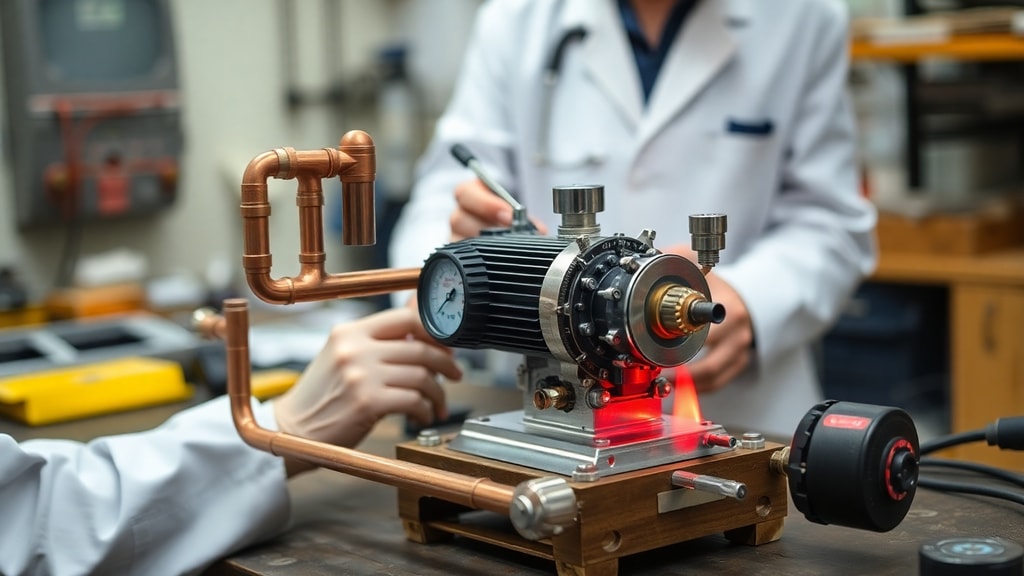
Industrial applications include combined heat and power systems, where thermal machines simultaneously produce electricity and useful heat for factories or district heating networks. This combined approach can raise overall energy utilization above 80 percent. In agriculture, thermal machines power irrigation pumps, harvesting equipment, and food processing machinery. Renewable energy systems like concentrated solar power plants use thermal machines to convert solar energy into electricity through steam turbines or Stirling engines. Geothermal power plants similarly transfer heat from underground reservoirs to thermal machines. Despite advances in renewable technologies like photovoltaics, thermal machines remain indispensable for meeting global energy demands due to their high power density and reliability.
List of Key Characteristics for Thermal Machines
Below is a concise list summarizing fundamental characteristics of thermal machines:
- They cyclically convert thermal energy into mechanical work.
- Operation requires a high-temperature heat source and a low-temperature sink.
- The efficiency cannot exceed the Carnot limit based on reservoir temperatures.
- Common working substances include steam, air, and hydrocarbon fuel mixtures.
- They are essential for electricity generation, transportation, and industry.
- Real-world efficiency is always less than the Carnot efficiency due to irreversibilities.
Each characteristic underscores the thermodynamic constraints and practical importance of these machines. For example, the need for both hot and cold reservoirs means that thermal machines must reject substantial waste heat to the environment, which both limits efficiency and causes thermal pollution. Engineers continuously strive to optimize designs, using advanced materials and thermodynamic cycles to push efficiencies higher while reducing environmental impact.
Current Research and Technological Advancements
Ongoing research in thermal machine technology focuses on increasing efficiency, reducing emissions, and integrating with renewable energy sources. Advances in materials science allow hotter operating temperatures for gas turbines, improving efficiency by raising the temperature difference between source and sink. Ceramic matrix composites and thermal barrier coatings protect turbine blades from extreme heat. Combined cycle plants, which pair a gas turbine with a steam turbine, achieve efficiencies over 60 percent by using exhaust heat from the gas turbine to generate additional power. Another promising development is the use of supercritical carbon dioxide cycles, which can extract more work from heat sources than traditional steam cycles at similar temperatures.
Supercritical carbon dioxide thermal machines operate at high pressures and temperatures, offering compact designs and higher efficiency for applications like concentrated solar power and nuclear reactors. Researchers also investigate organic Rankine cycles for recovering waste heat from industrial processes and internal combustion engines, using organic fluids that vaporize at lower temperatures than steam. The integration of thermal machines with renewable energy is crucial for reducing fossil fuel consumption. Furthermore, OpenStax University Physics provides foundational education on these principles, while historical analyses, such as those found in Dialnet, trace the evolution of thermal machine concepts over centuries. These educational resources help engineers and scientists develop next-generation technologies that make thermal machines more sustainable and efficient for future energy systems.
Environmental and Economic Implications
The widespread use of thermal machines has significant environmental and economic consequences. On the economic side, thermal machine efficiency directly impacts fuel costs, industrial productivity, and energy prices. Inefficient machines consume more fuel, raising expenses and increasing greenhouse gas emissions. Governments worldwide impose efficiency standards on vehicles and power plants to minimize fuel consumption and pollution. The economic development of nations historically correlates with access to efficient thermal machines for industry and transportation. For example, countries with advanced gas turbine technology have cheaper electricity and stronger industrial competitiveness.
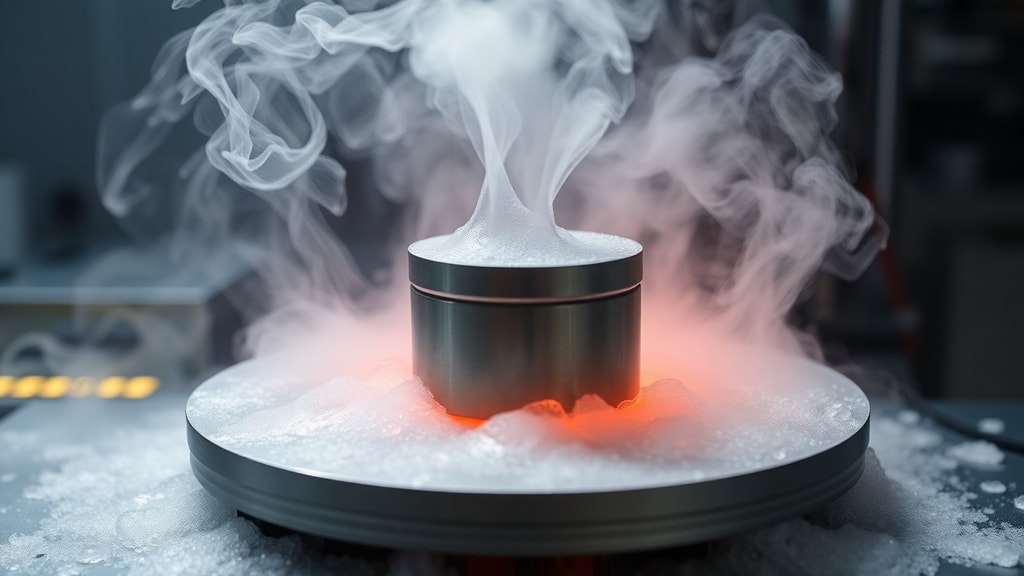
From an environmental perspective, thermal machines are responsible for most anthropogenic carbon dioxide emissions, as well as nitrogen oxides and particulate matter. The waste heat they release contributes to urban heat island effects and local thermal pollution in rivers used for cooling. Mitigation strategies include switching to lower-carbon fuels such as natural gas, adopting carbon capture technologies at power plants, and improving machine efficiency. Hybrid and electric vehicles reduce the use of internal combustion engines, but electricity generation for batteries still relies heavily on thermal machines in many regions. Thus, the future of thermal machines involves a transition toward cleaner fuels, higher efficiency cycles, and integration with renewable energy to reduce their environmental footprint.
Conclusion and Future Outlook
Thermal machines have powered human progress for centuries, from the ancient aeolipila to modern combined cycle power plants. Their fundamental operating principle, governed by the Second Law of Thermodynamics, ensures that efficiency will always be limited by temperature differences. However, continuous innovation in materials, cycle design, and fuel sources pushes these limits further, enabling higher performance with lower environmental impact. The historical evolution from early steam engines to advanced gas turbines demonstrates persistent human ingenuity in overcoming thermodynamic barriers. Future thermal machines will likely incorporate more renewable energy sources, advanced coolants like supercritical carbon dioxide, and integrated waste heat recovery systems.
Understanding thermal machines remains crucial for engineers, policymakers, and consumers who rely on mechanical work for daily life. The efficiency table and list of characteristics provided in this article offer a quick reference for key metrics. With global efforts to decarbonize energy systems, thermal machines are evolving to become more compatible with renewable energy and carbon capture technologies. Their role in electricity generation, transportation, and industry will persist for decades, albeit with cleaner operation and higher efficiency. Consequently, the study of thermal machines remains a vital field within mechanical engineering and energy science, constantly adapting to meet humanitys growing power needs while addressing environmental constraints.
References
The information presented in this article draws upon multiple reputable sources. OpenStax University Physics Volume 2 provides comprehensive coverage of thermodynamics, including the Carnot cycle and efficiency calculations for ideal and real heat engines. Bibliographic databases like Dialnet offer historical analyses of early thermal machines and their inventors, such as Jeronimo de Ayanz and Thomas Newcomen. Educational resources from the Fundacion Ibercaja and the Biblioteca Digital del ILCE explain thermal machine principles in accessible language for students. Technical documents from the Polytechnic University of Madrid present detailed engineering formulas and operating data for modern steam and gas turbines. These references ensure accuracy in describing the definitions, historical context, types, and efficiency limits of thermal machines discussed throughout the article. Readers are encouraged to consult these sources for deeper study of thermodynamic theory and practical applications.