Understanding the Four Languages of Art
Art education in Brazil is structured around four distinct artistic languages that form the backbone of the national curriculum for the Art component. These languages are Visual Arts, Dance, Music, and Theater. Each one possesses its own epistemological field, meaning it has a unique way of generating knowledge, a specific set of constitutive elements, and its own statutes and conventions. Recognizing these four languages as separate but interconnected domains is essential for developing effective pedagogical approaches and ensuring that teachers receive specialized training tailored to each area. The framework ensures that students are not merely exposed to art in a general sense but are given structured opportunities to explore, create, and reflect within each specific language. While other artistic expressions such as cinema, performance art, and digital media are also acknowledged within the broader field of art, these four languages serve as the foundational pillars that organize the curriculum in schools across Brazil. Understanding how each language functions and how they relate to one another is key to appreciating the depth and breadth of artistic education.
Visual Arts as a Foundational Artistic Language
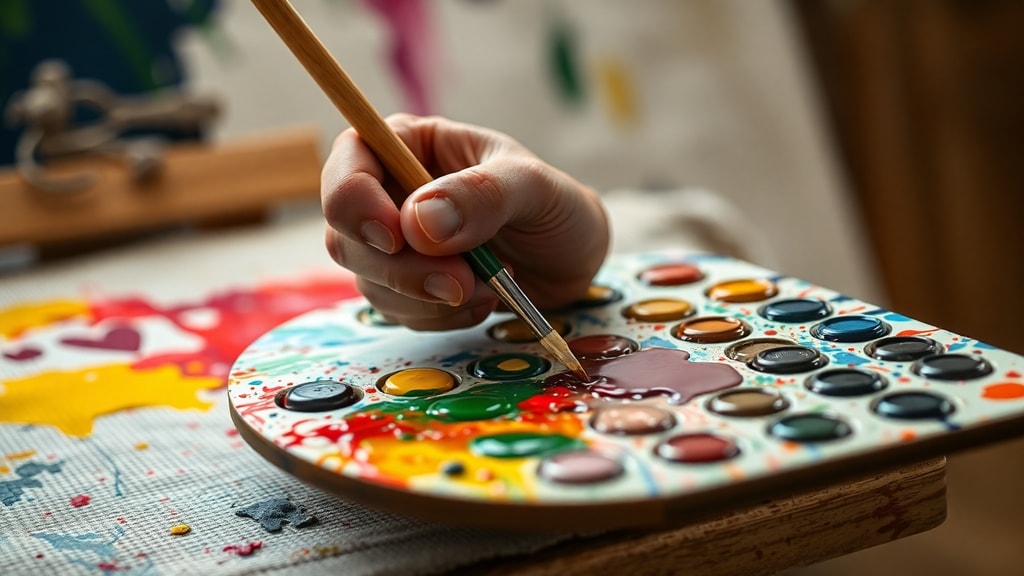
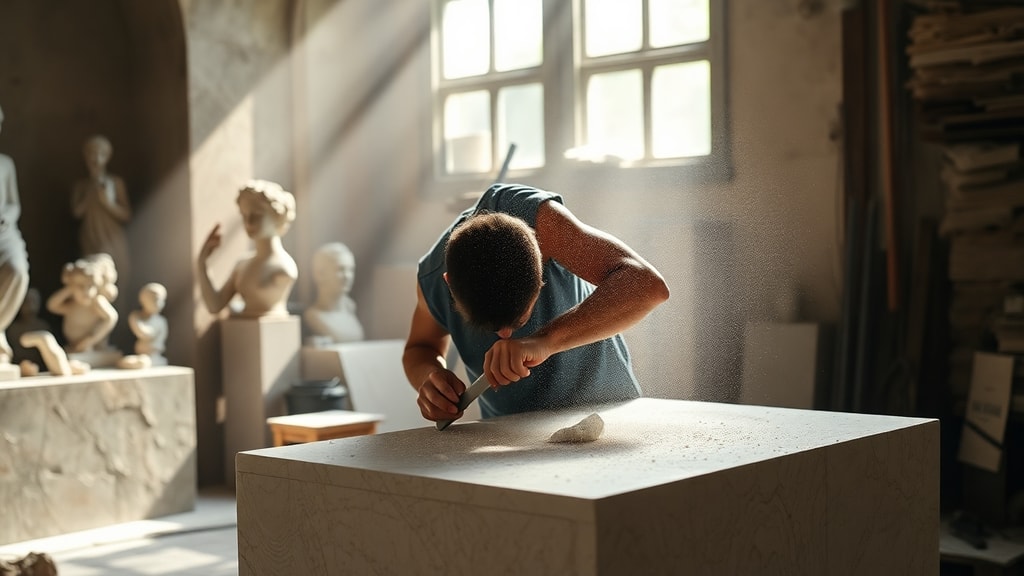
Visual Arts encompass a wide range of practices and forms that rely on visual perception as their primary mode of communication and expression. This language includes traditional disciplines such as drawing, painting, sculpture, and printmaking, as well as contemporary forms like photography, installation art, and digital imaging. The epistemological field of Visual Arts is rooted in the exploration of visual elements such as line, shape, color, texture, space, and composition. Students learn to analyze and create works that communicate ideas, emotions, and narratives through these visual components. The constitutive elements of Visual Arts involve not only the technical skills needed to manipulate materials but also the conceptual understanding of how visual language operates in cultural and historical contexts. Pedagogically, teaching Visual Arts requires a hands-on approach where students engage in both making and interpreting art. They develop visual literacy, which is the ability to read and understand images critically. This language also provides a foundation for understanding other artistic forms because many principles of composition and design apply across different media. Teachers trained in Visual Arts are equipped to guide students through the processes of observation, experimentation, and reflection that are central to this language. The curriculum emphasizes that Visual Arts are not just about producing objects but about engaging with the world through a visual lens.
Dance as a Language of the Body
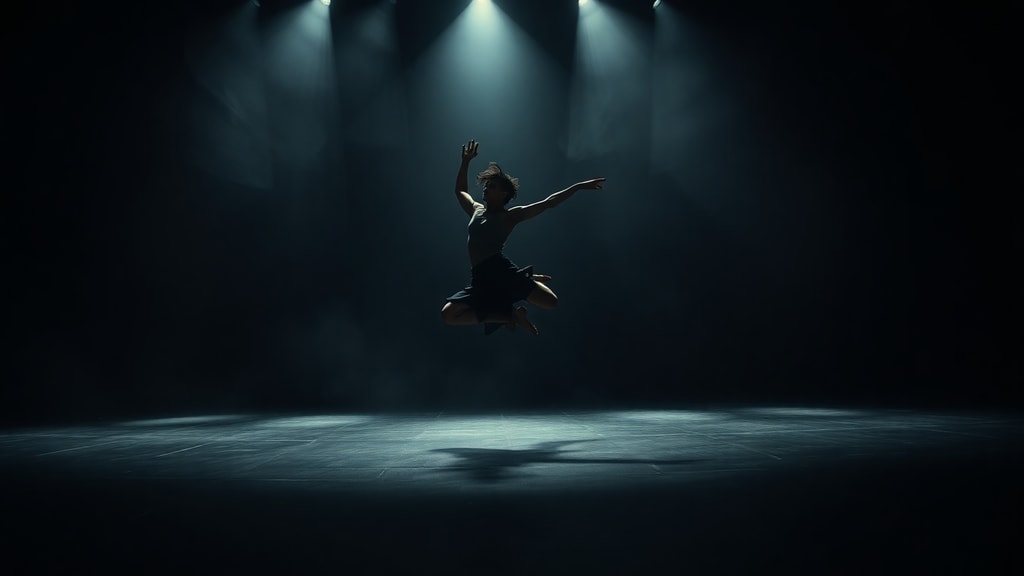
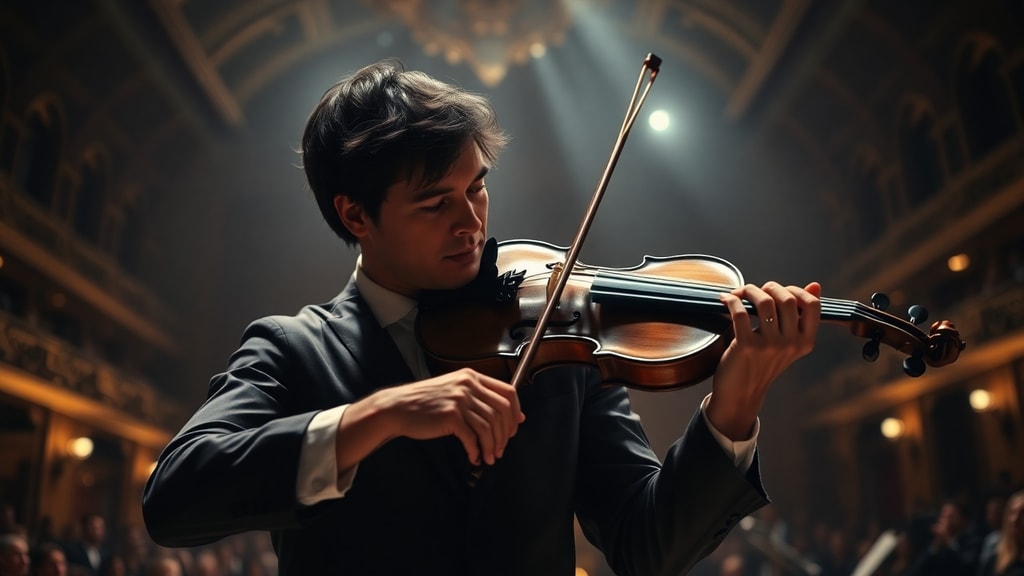
Dance is a language that uses the human body as its primary instrument of expression. It is an art form that communicates through movement, gesture, and spatial awareness. The epistemological field of Dance is built on the understanding that the body is a site of knowledge and that movement can convey meaning, emotion, and cultural identity. The constitutive elements of Dance include body awareness, time, space, energy, and relationship. Dancers learn to control and articulate their movements in relation to rhythm, dynamics, and the physical environment. In the educational context, Dance is not merely about learning choreographed routines but about exploring the expressive potential of the body. Students are encouraged to create their own movements, improvise, and develop a personal movement vocabulary. This language also involves understanding Dance as a cultural practice, with diverse traditions and styles from around the world. Teaching Dance requires specialized training in movement analysis, anatomy, and pedagogical strategies that prioritize safety and creativity. The curriculum for Dance emphasizes the development of kinesthetic intelligence, which is the ability to use the body skillfully and to understand the world through physical experience. Dance also fosters collaboration and nonverbal communication skills, making it a valuable language for personal and social development. In the broader context of the four languages, Dance offers a unique perspective on how art can be embodied and ephemeral, existing only in the moment of performance.
Music as a Sonic and Emotional Language
Music is an artistic language that organizes sound and silence in time. It is one of the most universal forms of human expression, present in every culture and historical period. The epistemological field of Music involves the study of sound phenomena, including pitch, duration, intensity, timbre, and texture. The constitutive elements of Music are rhythm, melody, harmony, dynamics, and form. Students learning Music develop skills in listening, performing, composing, and analyzing musical works. The pedagogical approach to Music in schools emphasizes active participation through singing, playing instruments, and moving to music. It also includes understanding music theory and the cultural contexts in which music is created and performed. Specialized teacher training is crucial because Music education requires knowledge of vocal and instrumental techniques, music reading, and classroom management strategies for group music-making. Music has a profound impact on cognitive development, emotional regulation, and social bonding. It is a language that can express moods, tell stories, and create a sense of community. In the curriculum, Music is often integrated with other artistic languages, but it maintains its own distinct identity and set of practices. Students are exposed to a variety of musical genres and styles, from classical to popular to traditional folk music. This exposure helps them develop an appreciation for musical diversity and an understanding of how music functions in different cultural settings. Music also provides a foundation for developing auditory discrimination and critical listening skills that are valuable across many areas of life.
Teatro as a Comprehensive Performance Language
Teatro, or Theater, is a collaborative art form that combines elements of language, movement, sound, and visual design to create live performances. The epistemological field of Theater is centered on the principles of drama, narrative, character, and audience engagement. The constitutive elements of Theater include plot, character, setting, dialogue, conflict, and spectacle. Students of Theater learn to work with text, improvise scenarios, develop characters, and perform for an audience. This language requires an understanding of dramatic structure and the ability to collaborate with others in a creative process. Teaching Theater involves guiding students through exercises in voice, movement, and emotional expression. It also includes the study of dramatic literature and the history of theater as a cultural institution. Specialized teacher training in Theater is essential because it requires knowledge of directing, stagecraft, and pedagogy for drama education. Theater allows students to explore complex social and emotional issues in a safe and structured environment. It develops empathy, communication skills, and the ability to think critically about human behavior. As a language, Theater is inherently interdisciplinary, drawing from literature, visual design, music, and dance. It is often considered a synthesis of the other artistic languages because it can incorporate all of them into a single performance. In the curriculum, Theater offers students the opportunity to engage with narrative and performance in ways that are both personal and collective. It also helps them understand the power of representation and the role of performance in society.
Pedagogical Approaches and Curriculum Structure
The Brazilian national curriculum structures the Art component around these four languages to ensure a comprehensive and balanced education. Each language requires a distinct pedagogical approach that respects its unique characteristics and learning objectives. Teachers are expected to have specialized training in at least one of these languages, but they also need a general understanding of the others to facilitate integrated learning experiences. The curriculum is designed to develop students artistic skills, critical thinking, and cultural awareness across all four languages.
Here is a list of key constitutive elements for each artistic language:
Visual Arts: line, shape, color, texture, space, composition, perspective, form, value, and contrast.
Dance: body, time, space, energy, flow, weight, rhythm, gesture, alignment, and dynamics.
Music: pitch, duration, intensity, timbre, rhythm, melody, harmony, texture, dynamics, and form.
Theater: plot, character, setting, dialogue, conflict, resolution, spectacle, voice, movement, and audience.
These elements are not exhaustive but represent the foundational components that students explore within each language. The curriculum also emphasizes the integration of theory and practice, encouraging students to create, perform, and reflect.
The following table provides a comparative overview of the four artistic languages, highlighting their primary focus, key skills, and typical learning activities.
Language | Primary Focus | Key Skills Developed | Typical Learning Activities
Visual Arts | Visual perception and material creation | Observation, composition, technical execution, visual literacy | Drawing, painting, sculpture, photography, art analysis
Dance | Body movement and kinesthetic expression | Coordination, spatial awareness, creativity, physical control | Improvisation, choreography, performance, movement analysis
Music | Sound organization and auditory expression | Listening, performance, composition, music reading | Singing, playing instruments, music theory, ear training
Theater | Dramatic performance and narrative expression | Voice, movement, character development, collaboration | Improvisation, scene work, play reading, performance projects
This table illustrates how each language offers a unique pathway for artistic development while sharing common goals of creativity, expression, and critical engagement.
Expanding the Artistic Horizon
While the four languages of Visual Arts, Dance, Music, and Theater form the core of the Art curriculum, the field of art is constantly evolving. Contemporary artistic practices often blur the boundaries between these languages, creating hybrid forms such as performance art, multimedia installations, and digital art. Cinema, for example, combines elements of visual art, music, theater, and even dance into a single medium. Similarly, performance art can incorporate aspects of all four languages while challenging traditional definitions of art. The recognition of these four languages does not exclude other forms of artistic expression but rather provides a structured foundation for understanding and creating art. Schools are encouraged to expand beyond these core languages when appropriate, introducing students to new media and innovative practices. For more detailed information on how the Art component is structured within the Brazilian national curriculum, resources are available from educational organizations. One such resource is the official document from Undime SP that outlines the curricular framework for art education, which can be accessed at this link: Undime SP curricular guidelines for art. Additionally, a comprehensive explanation of the four artistic languages and their role in education can be found in the article from DIARIEDU, available at this link: DIARIEDU overview of artistic languages. These resources provide further context and practical guidance for educators, students, and anyone interested in understanding how art is taught and valued in schools. The four languages of art are not isolated silos but interconnected domains that enrich one another. By studying all four, students gain a holistic understanding of human creativity and the many ways in which art can communicate, challenge, and inspire.
References
Undime SP. Componente Curricular Arte. Available at: https://www.undime-sp.org.br/wp-content/uploads/2016/07/4artebncc.pdf. Accessed on the date of publication.
DIARIEDU. Quais Sao As 4 Linguagens Da Arte. Available at: https://cdn-agenda.diariolibre.com/ilo/quais-sao-as-4-linguagens-da-arte.html. Accessed on the date of publication.
Scribd. Quatro Linguagens da Arte na Educacao. Available at: https://pt.scribd.com/document/639308801/Linguagens-Artisticas. Accessed on the date of publication.
QUINDIM. Linguagens artisticas: o que e quais sao. Available at: https://quindim.com.br/blog/linguagens-artisticas-quais-sao/. Accessed on the date of publication.
UNIDIME and MESE Pref. SP. Orientacoes Arte. Available at: https://patiodigital.sme.prefeitura.sp.gov.br/wp-content/uploads/sites/4/2017/05/2%C2%BA-encontro-Orienta%C3%A7%C3%B5es_Arte.pdf. Accessed on the date of publication.