What Defines a Private School?
Private schools, known in Portuguese as escolas particulares, are educational institutions that operate independently of government funding and administration. Unlike public schools, which are financed through tax revenues and managed by local or national education authorities, private schools rely primarily on tuition fees paid by families, along with private donations and endowments. This financial independence gives them the freedom to design their own curricula, set admission standards, and establish specific educational philosophies. As a result, they often emphasize smaller class sizes, specialized programs, and a more tailored approach to student development. For many families, these characteristics make private schools an attractive option for ensuring a high-quality education, despite the significant financial commitment involved.
The autonomy of private schools allows them to adopt teaching methods that may not be feasible in public systems bound by standardized regulations. This can include advanced placement courses, language immersion programs, or a focus on arts and sports. However, the quality of private education varies widely, and not all private schools deliver superior outcomes. It is important for parents to research individual institutions, considering factors such as accreditation, teacher qualifications, and student performance metrics. The decision to enroll a child in a private school often reflects a family's priorities regarding academic rigor, personal attention, and values alignment.
Global and Brazilian Enrollment Trends
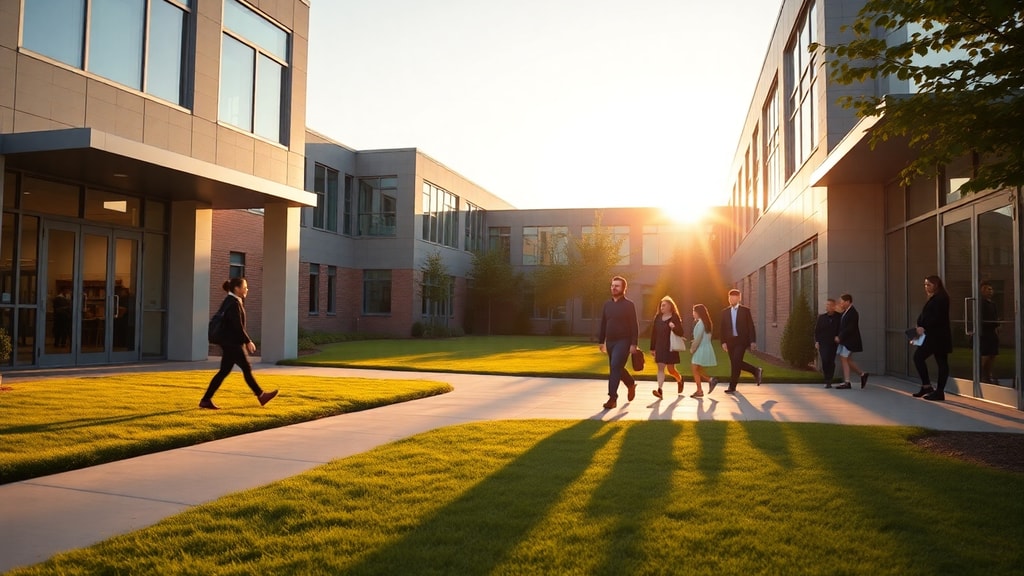
Private schooling is a significant phenomenon worldwide, with millions of students attending non-public institutions at both primary and secondary levels. According to recent data, Brazil ranks fifth globally in terms of the number of students enrolled in private schools. As of 2023, approximately 19.9 percent of basic education enrollments in Brazil were in the private sector, representing about 9.4 million students. This high enrollment rate underscores the demand for private education in a country where public schools often face challenges related to underfunding, overcrowding, and variable quality. Families in Brazil frequently turn to private schools as a perceived guarantee of better learning opportunities and safer environments.
The trend is not unique to Brazil. In many countries, private schools serve a range of socioeconomic groups, from elite academy institutions to more affordable religious or community-based schools. The proportion of students in private education tends to be higher in nations where public schooling is perceived as inadequate or where there is a strong cultural preference for private provision. Understanding these enrollment patterns helps contextualize the role of private schools within broader education systems. For further reading on the global landscape of private education, you can refer to the Wikipedia article on private schools, which offers a comprehensive overview of definitions and statistics.
Academic Performance and Curriculum
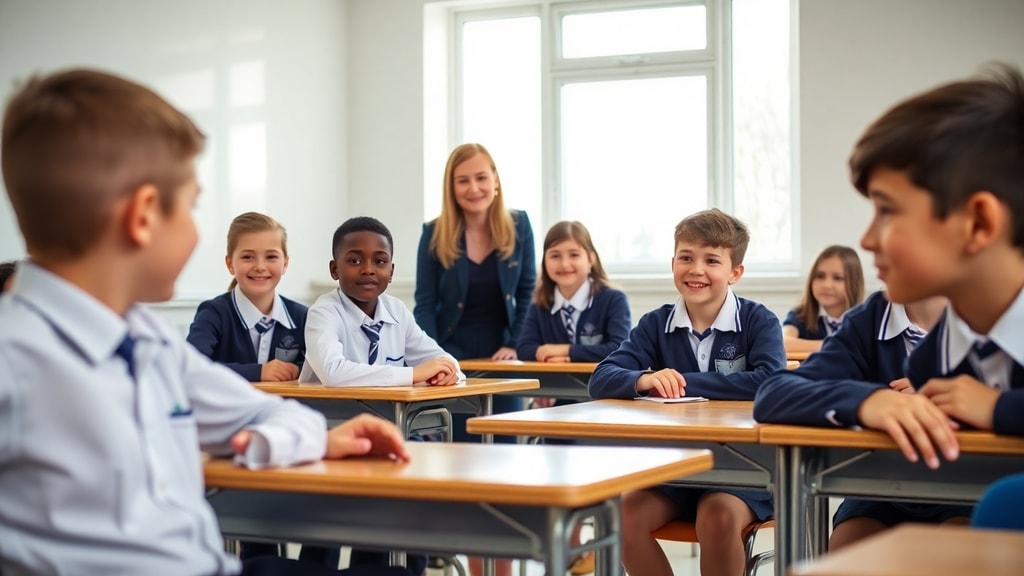
A common motivation for choosing a private school is the expectation of superior academic performance. Indeed, data from the Programme for International Student Assessment (PISA) shows that private school students in Brazil scored an average of 456 points in mathematics, compared to the national average of 379 points. However, this figure still falls below the OECD international average of 472 points, indicating that private education in Brazil does not automatically guarantee world-class outcomes. Furthermore, results from the Brazilian Basic Education Assessment System (Saeb) in 2021 revealed that 50 percent of ninth-grade students in private schools failed to meet expected mathematics learning standards. These statistics highlight that while private schools may outperform their public counterparts domestically, there is considerable room for improvement on an international scale.
Curriculum flexibility is one of the main advantages private schools offer. Many adopt international programs such as the International Baccalaureate or Cambridge IGCSE, while others focus on preparing students for national university entrance exams. The ability to choose textbooks, teaching methods, and assessment styles allows private schools to tailor instruction to their student body. Nevertheless, the quality of instruction depends heavily on teacher training and school leadership. Parents should evaluate not just test scores but also the breadth of extracurricular offerings and the school's approach to holistic development. A more detailed analysis of why Brazilian private schools underperform internationally can be found in this article by Deutsche Welle, which explores systemic factors affecting educational quality.
Key Advantages of Private Schools
When considering private education, families often weigh several potential benefits. Below is a list of commonly cited advantages that private schools may offer, though actual experiences vary by institution.
- Smaller class sizes: Private schools typically maintain class sizes of 10 to 15 students, allowing teachers to give more individual attention and fostering deeper classroom discussions.
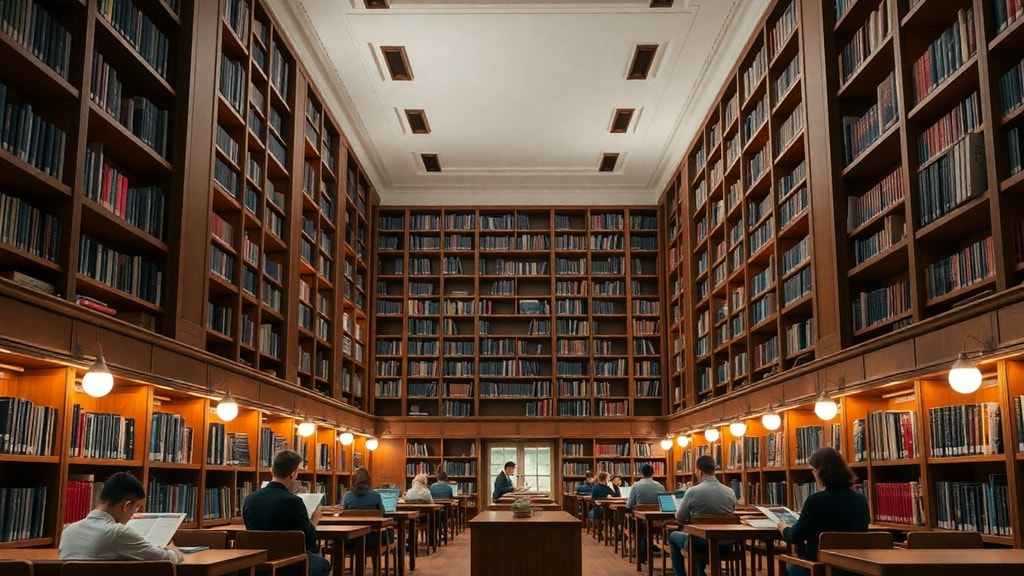
- Enhanced resources: With tuition fees funding facilities, private schools often have better libraries, laboratories, technology, and sports amenities compared to public schools.
- Specialized programs: Many private schools offer advanced courses in STEM, arts, languages, or college preparation that may not be available in local public schools.
- Stronger safety and discipline: Private schools frequently enforce strict codes of conduct and provide a more controlled environment, which some families consider safer.
- Parental involvement: Private schools often encourage active participation from parents through committees, events, and communication, creating a collaborative community.
- Value alignment: Religious or philosophical private schools allow families to choose an education that mirrors their personal beliefs and values.
While these advantages are appealing, they are not universal. Some private schools may lack accreditation, employ underqualified teachers, or prioritize profits over pedagogy. Therefore, thorough research and visits are essential before making a decision.
Financial Considerations and Class Size
The cost of private education is a significant factor for families. In the United States, annual tuition for private K-12 schools can range from $10,000 to $25,000, with elite boarding schools charging even more. In Brazil, private school fees vary greatly depending on the region and the school's prestige, but they represent a substantial portion of household budgets. Many Brazilian families report cutting supplementary expenses such as leisure activities and travel to afford tuition, viewing it as an investment in their children's future. The financial burden can be mitigated by scholarships or sliding-scale tuition at some institutions, but such options are not always available.
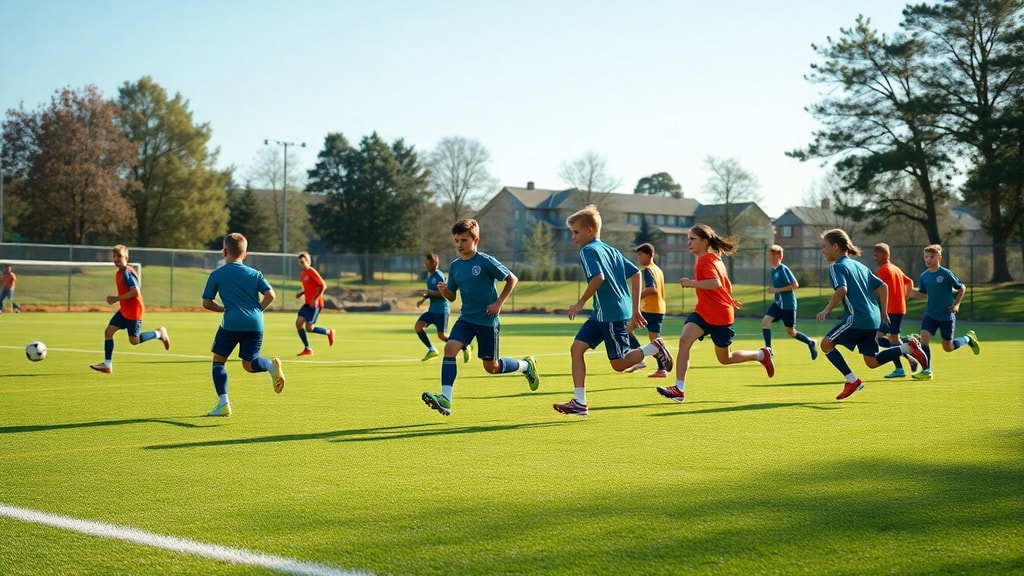
One of the most touted benefits of private schools is smaller class sizes, generally averaging between 10 and 15 students. This contrasts sharply with many public schools, where classes of 30 or more students are common, especially in urban areas. Smaller classes allow teachers to differentiate instruction, provide timely feedback, and cultivate close relationships with students. Research suggests that smaller classes can lead to better academic outcomes, particularly for younger children and those from disadvantaged backgrounds. However, class size alone does not determine quality; teacher effectiveness and curriculum rigor are equally important. The table below summarizes some typical differences between private and public schools based on available data.
| Aspect | Private Schools | Public Schools |
|---|---|---|
| Funding source | Tuition fees, private donations | Government tax revenue |
| Average class size | 10-15 students | 25-30+ students |
| Curriculum control | School autonomy | State/national standards |
| Admission criteria | Selective (tests, interviews) | Open to all residents |
| Annual cost | $10,000-$25,000 (US) / varies in Brazil | Free (tax-funded) |
| Student-teacher ratio | Lower | Higher |
This comparison illustrates fundamental differences, but families should note that exceptions exist. Some public schools offer specialized programs or smaller classes, while some private schools may have larger classes due to high demand.
Making the Choice: Private vs. Public
Deciding whether to enroll a child in a private school requires careful consideration of multiple factors beyond cost and test scores. Families must evaluate the specific needs of their child, including learning style, social preferences, and any special educational requirements. Private schools often provide more personalized attention, but they may lack the diversity and resources that well-funded public schools offer. In some cases, a high-quality public school with dedicated teachers can provide an education as rigorous as that of a private institution. Additionally, the stress of tuition payments and the potential for social pressure within exclusive private school environments should not be underestimated.
Parents are advised to visit multiple schools, attend open houses, and speak with current students and families. It is also helpful to review accreditation status, faculty qualifications, and recent performance data. While private schools can be a top choice for quality education, they are not the only path to success. Ultimately, the best school is one that aligns with a child's needs and a family's values, whether it is public, private, or hybrid. The decision should be made with as much information as possible, recognizing that educational quality is shaped by many factors, including home support and community resources.
References
The following sources were consulted in the preparation of this article. They provide additional context and data on private schools in Brazil and internationally.
Wikipedia. "Private school." Accessed June 2025. https://en.wikipedia.org/wiki/Private_school
Deutsche Welle. "Por que escolas privadas no Brasil têm mau desempenho internacional." 2024. https://www.dw.com/pt-br/por-que-escolas-particulares-no-brasil-t%C3%AAm-mau-desempenho-internacional/a-68785553
CNN Brasil/DW. "Brasil, 5º país com maior número de alunos em escolas particulares." 2023. https://news.un.org/pt/story/2007/10/1254481
Universidade do Intercâmbio. "5 diferenças entre High Schools públicas e privadas." https://www.universidadedointercambio.com/high-schools-publicas-privadas/
Selecta Realty. "Tipos de Escolas nos EUA." https://en.selectarealty.us/post/escola-nos-estados-unidos-tipos-de-escolas-nos-eua-que-seus-filhos-podem-estudar
Senado Federal. "Escola particular é garantia para família." https://www2.senado.leg.br/bdsf/bitstream/handle/id/760963/Educacao_P033_R0059.pdf
OECD PISA results and Saeb 2021 data as cited in DW article.